

Explore commercial roof inspections, leak response, repair, replacement, coatings, maintenance, and project coordination for Fullerton-area properties.
Roof leak, storm damage or an inspection coming up?
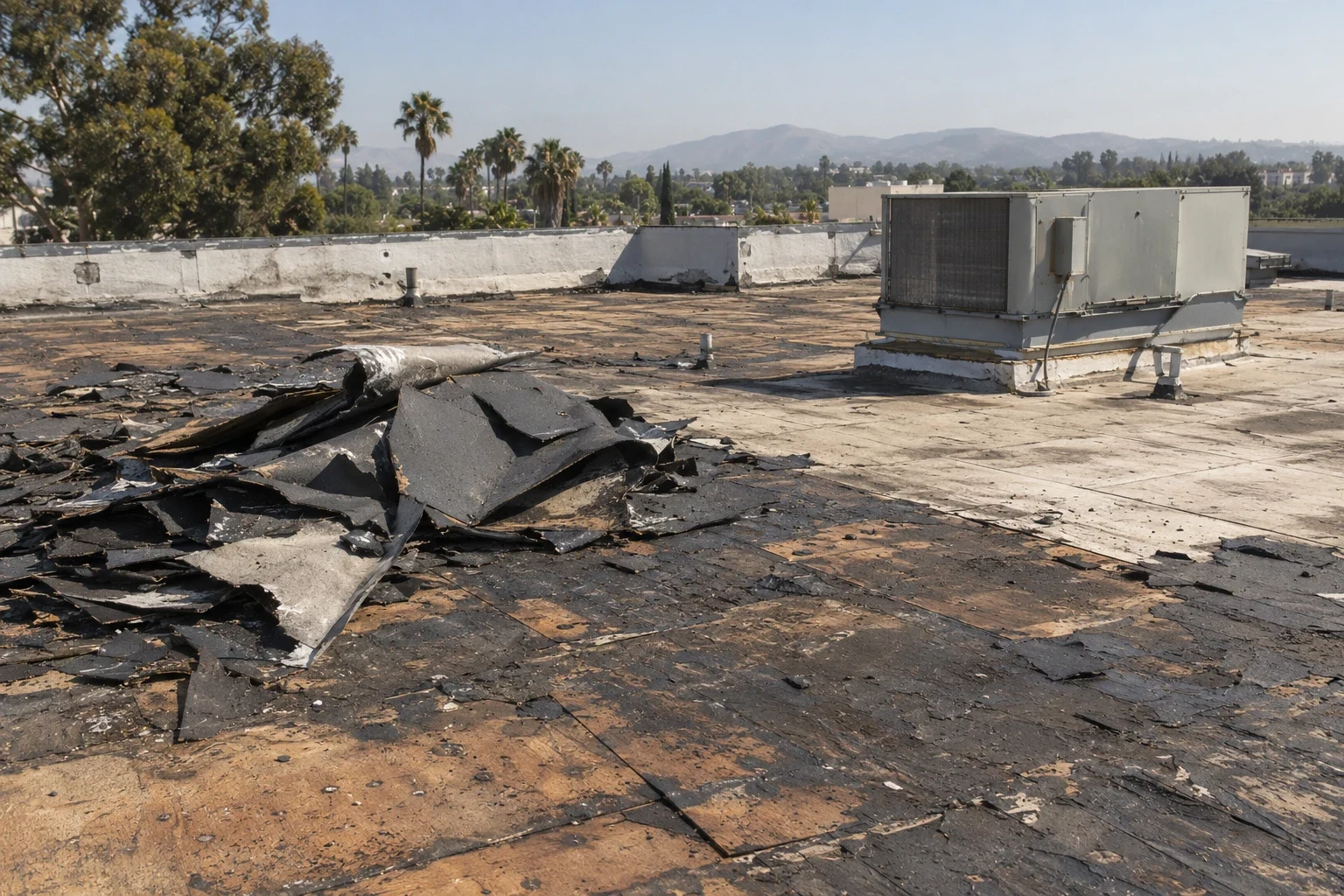
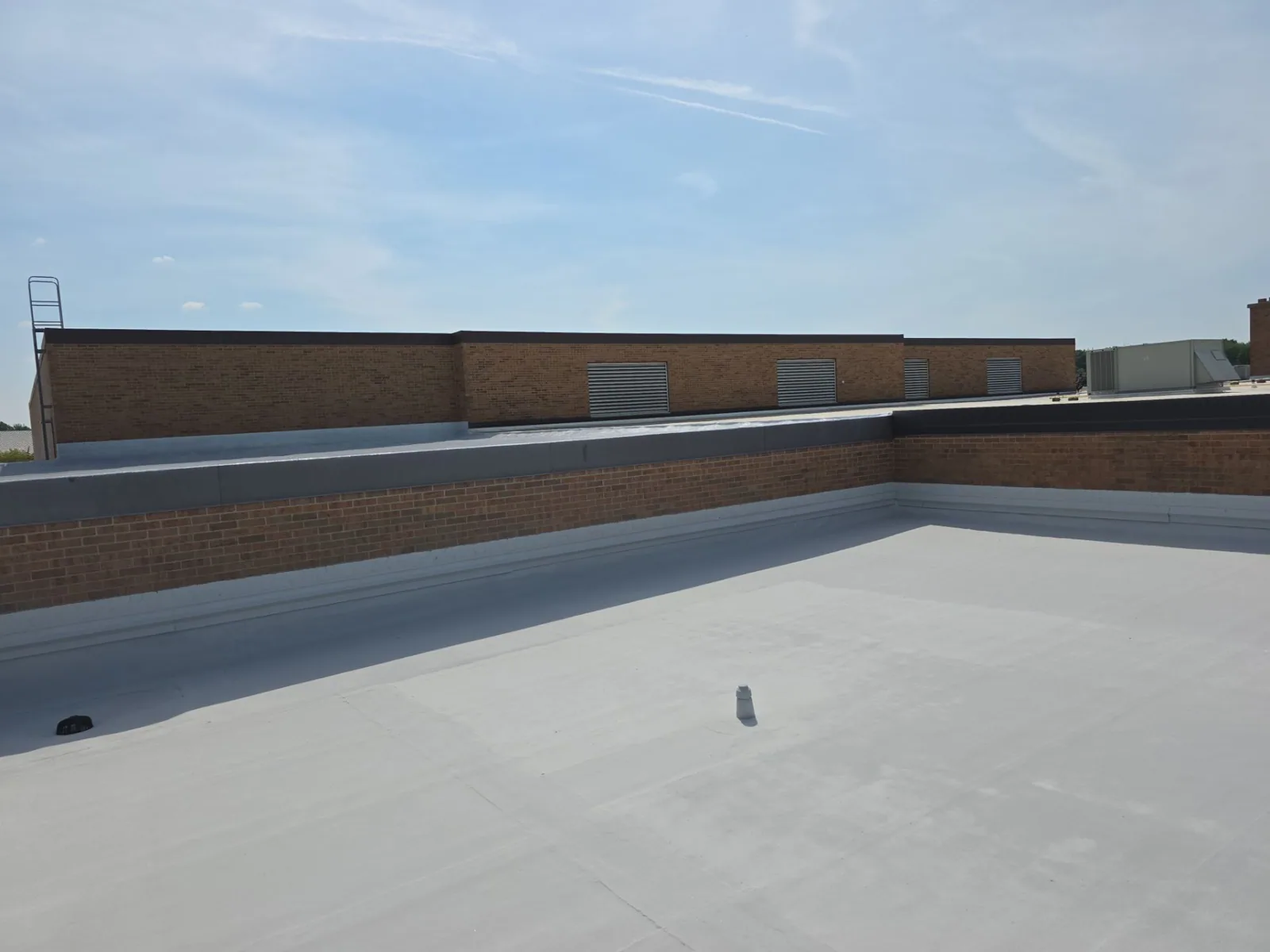
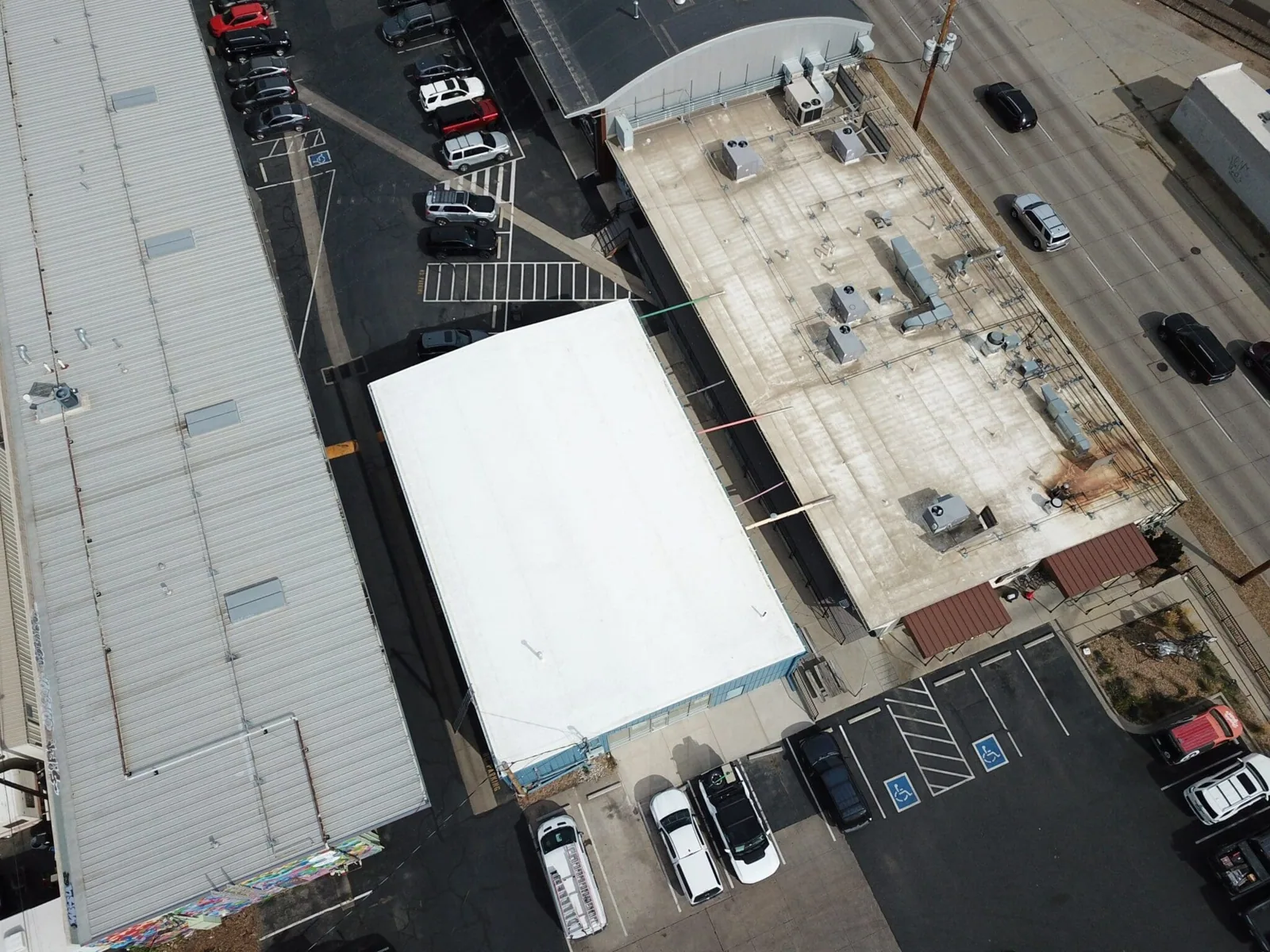
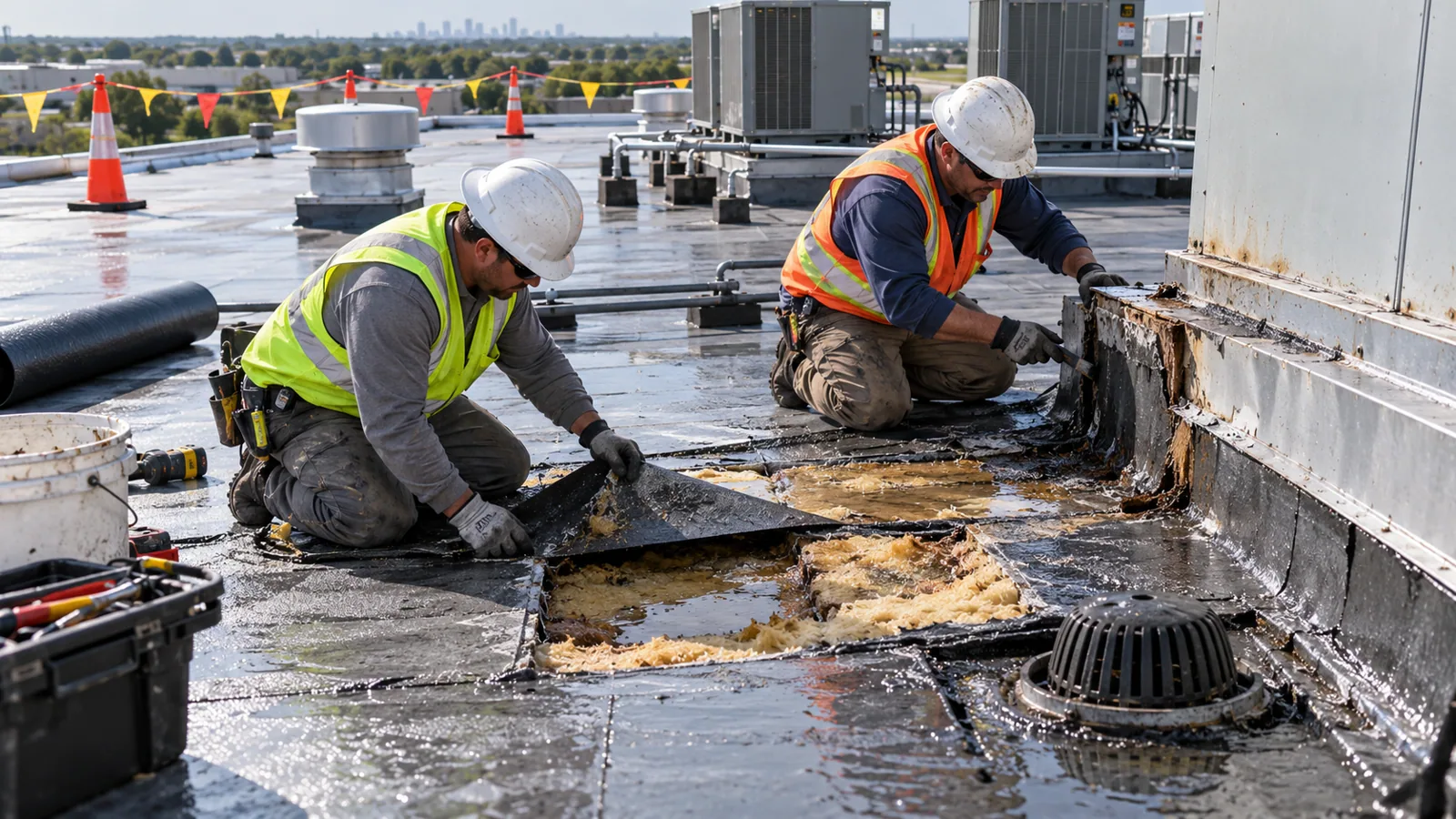
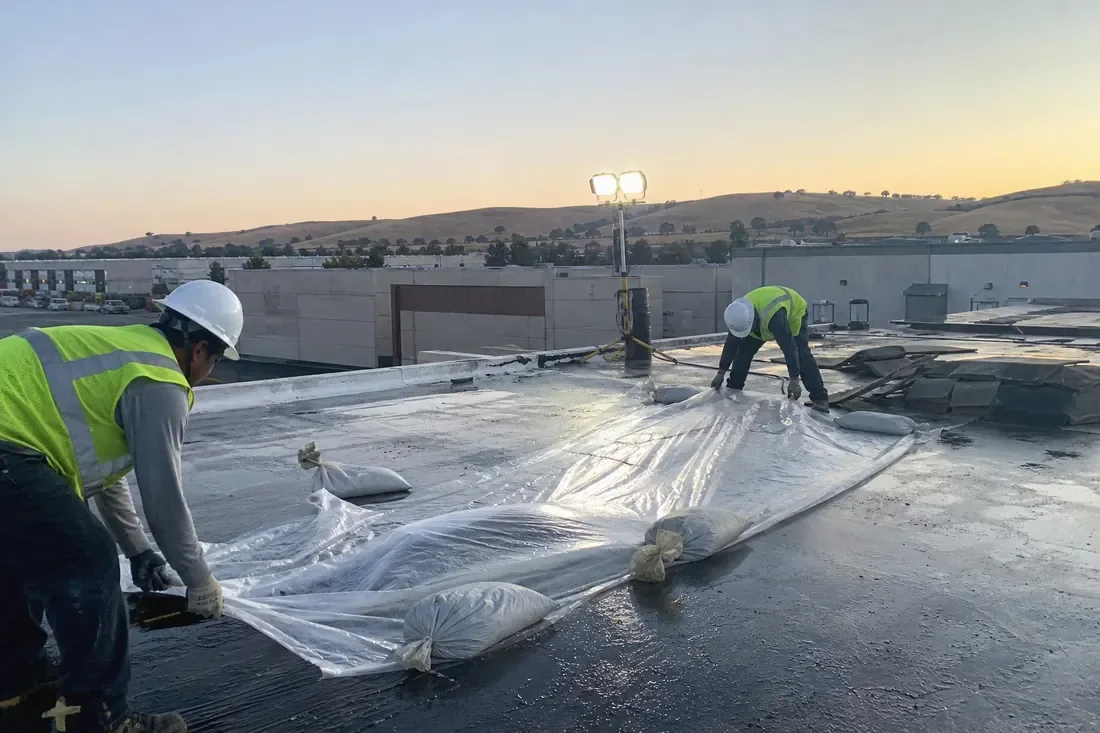



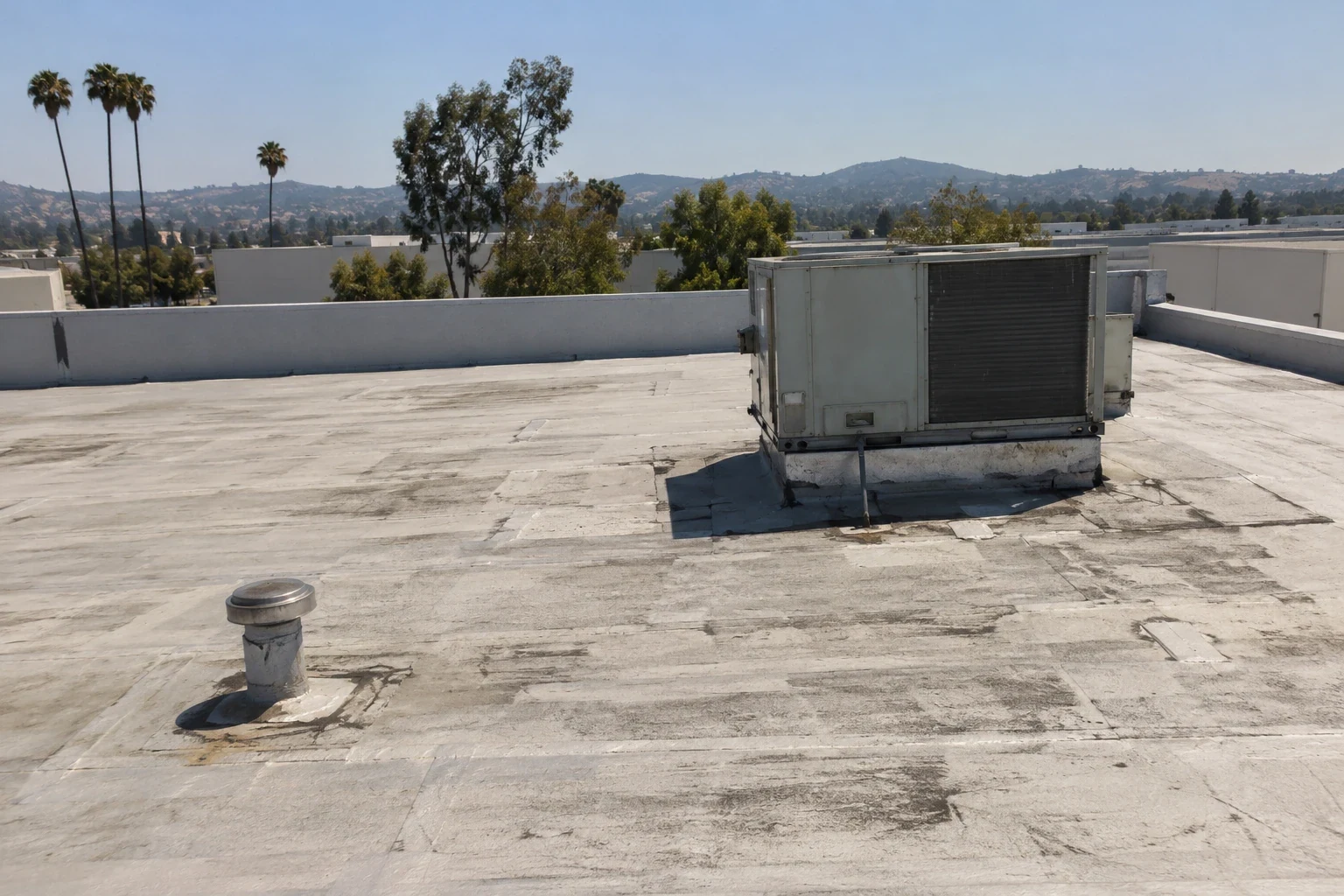
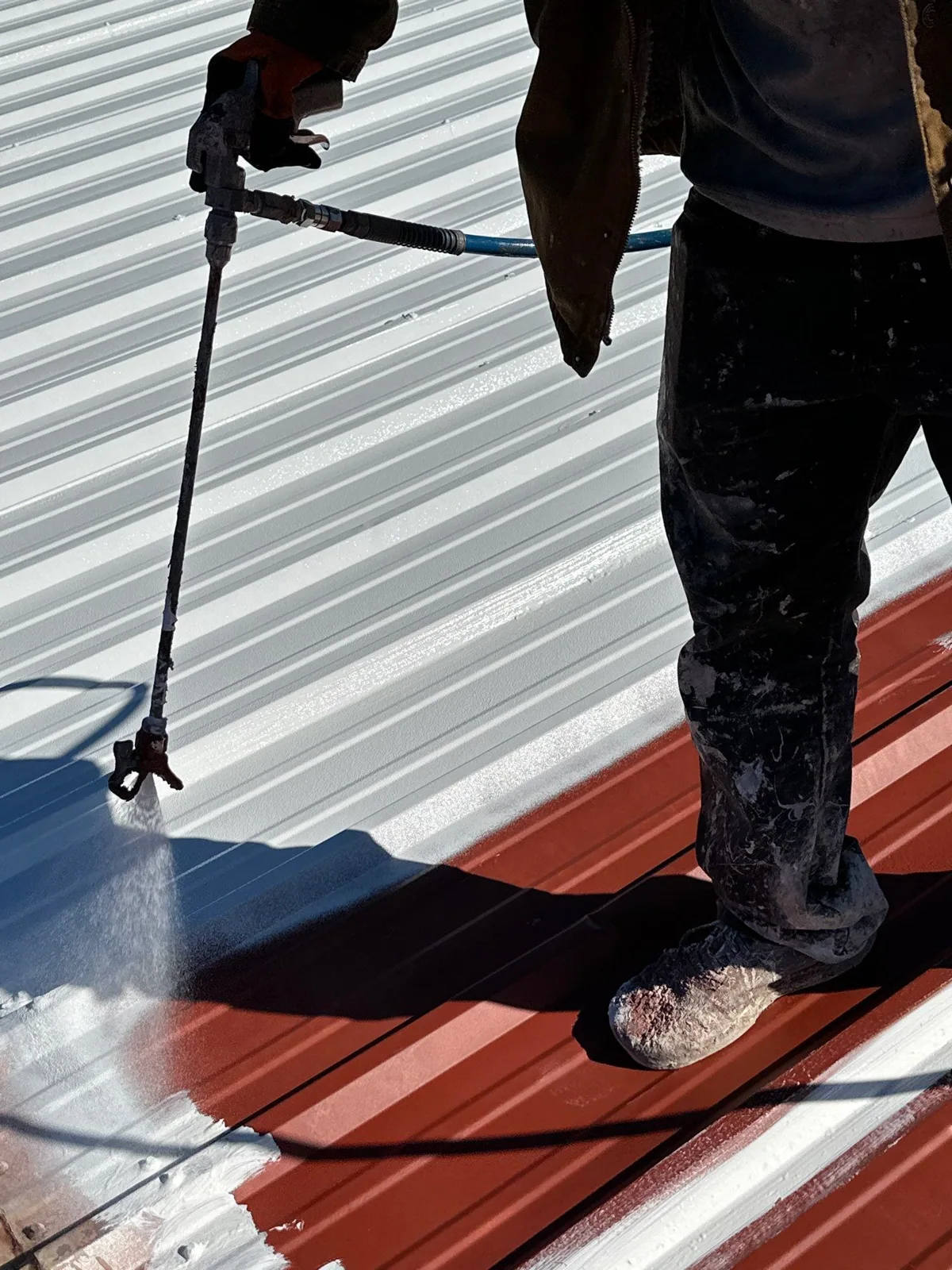
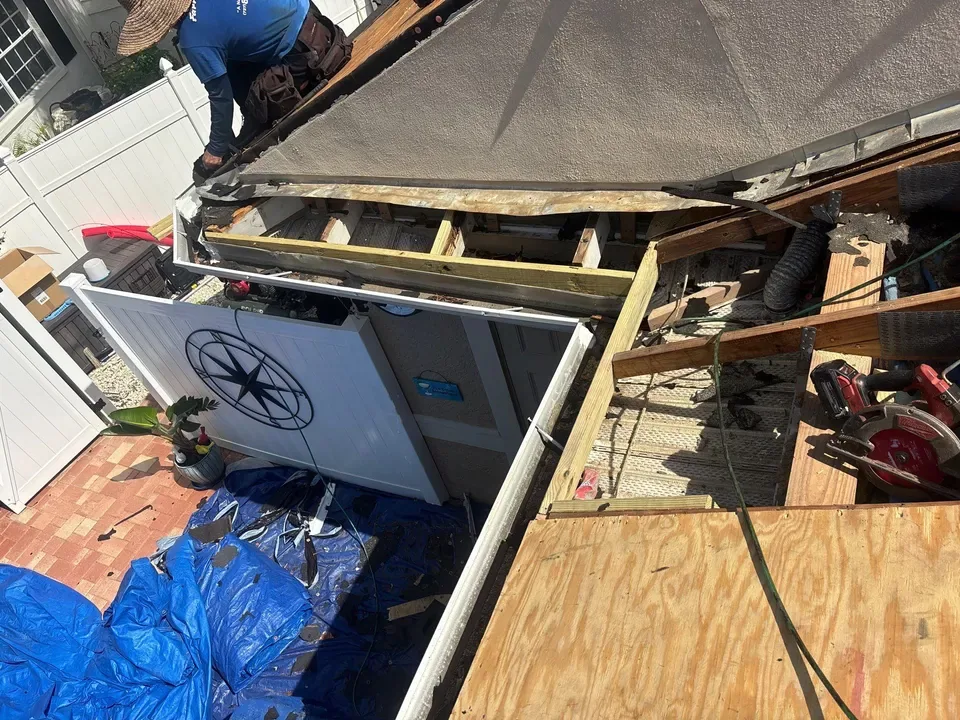
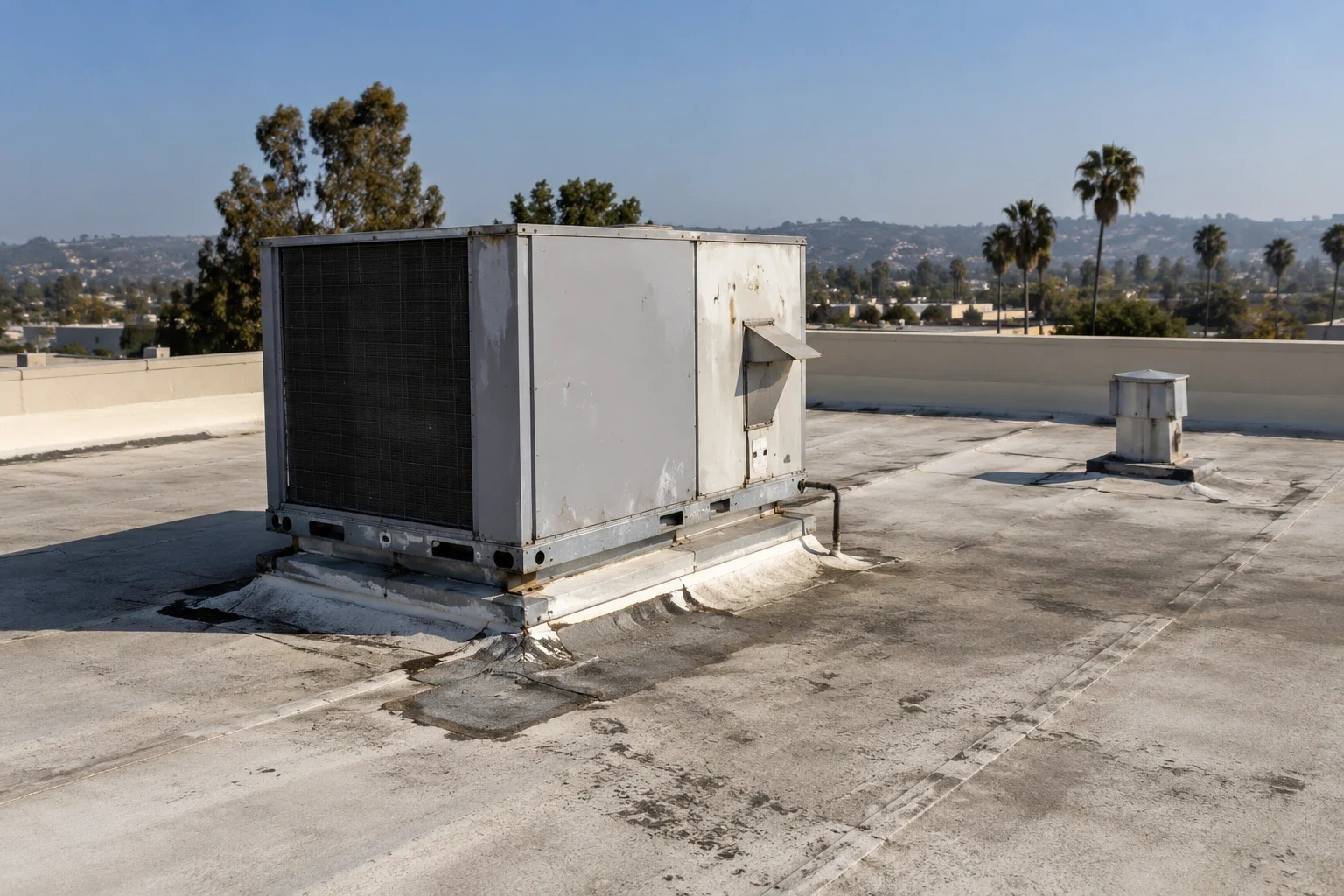
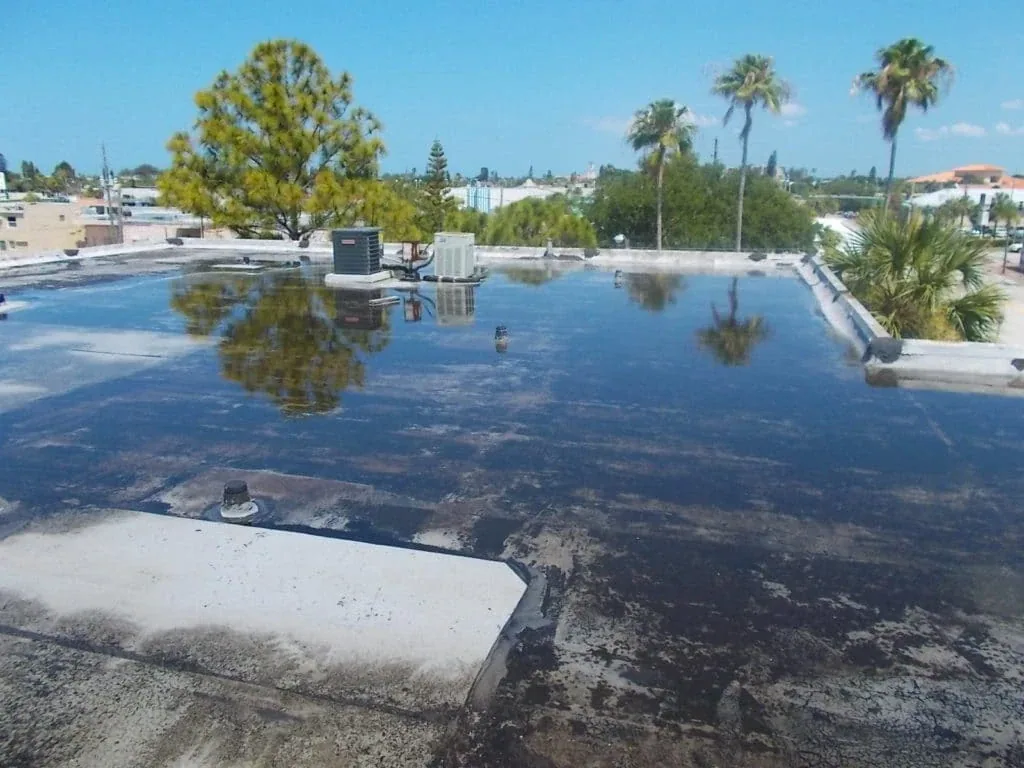

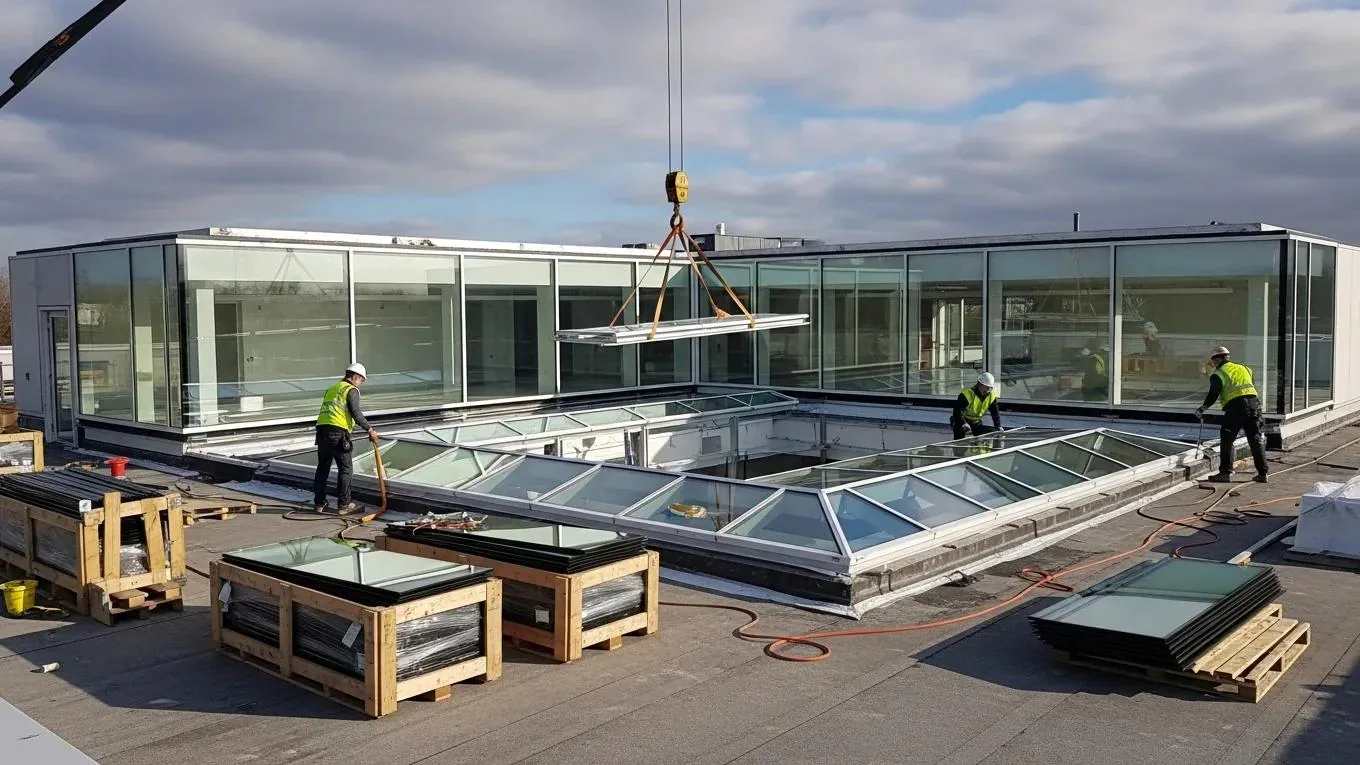
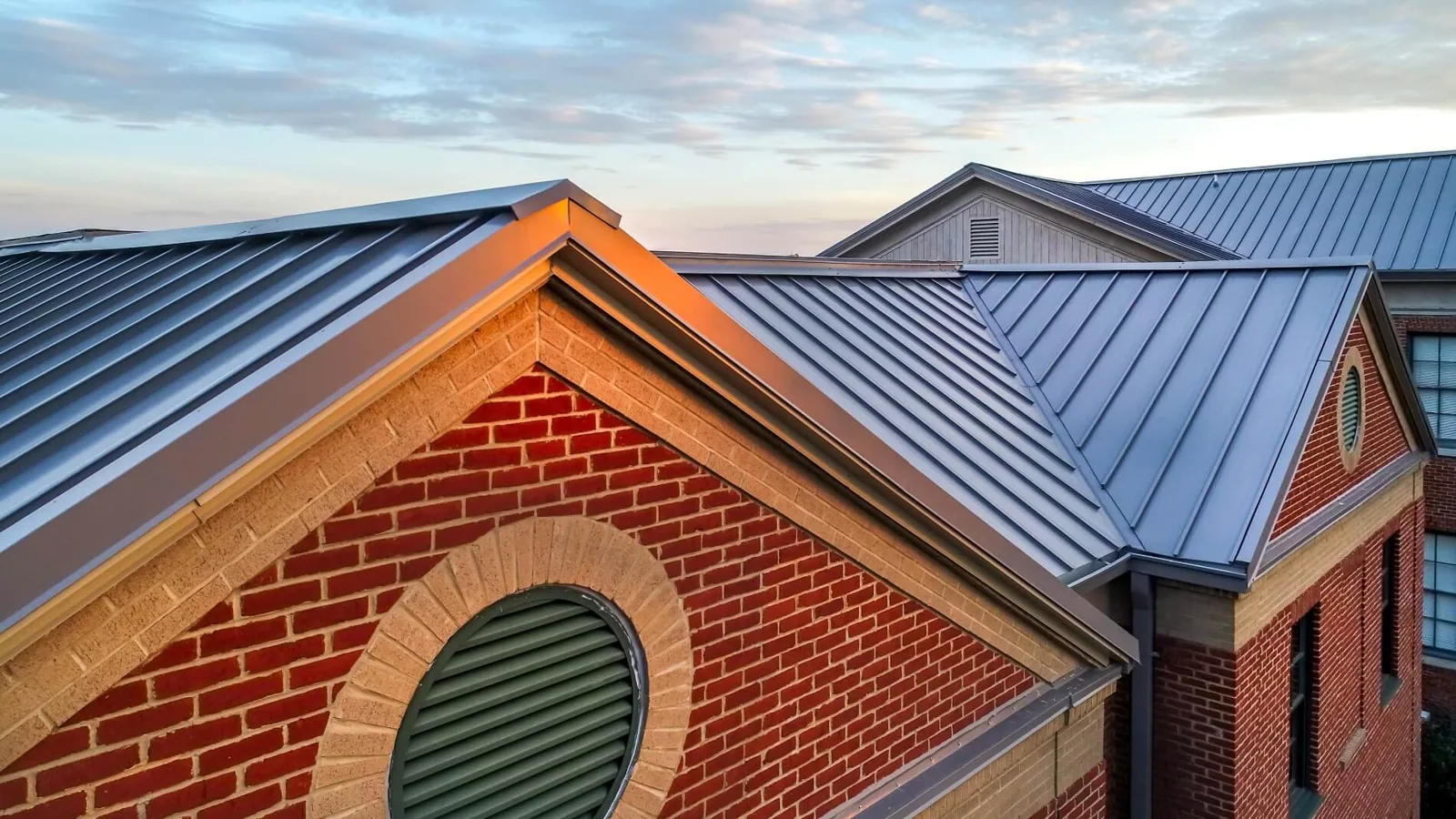
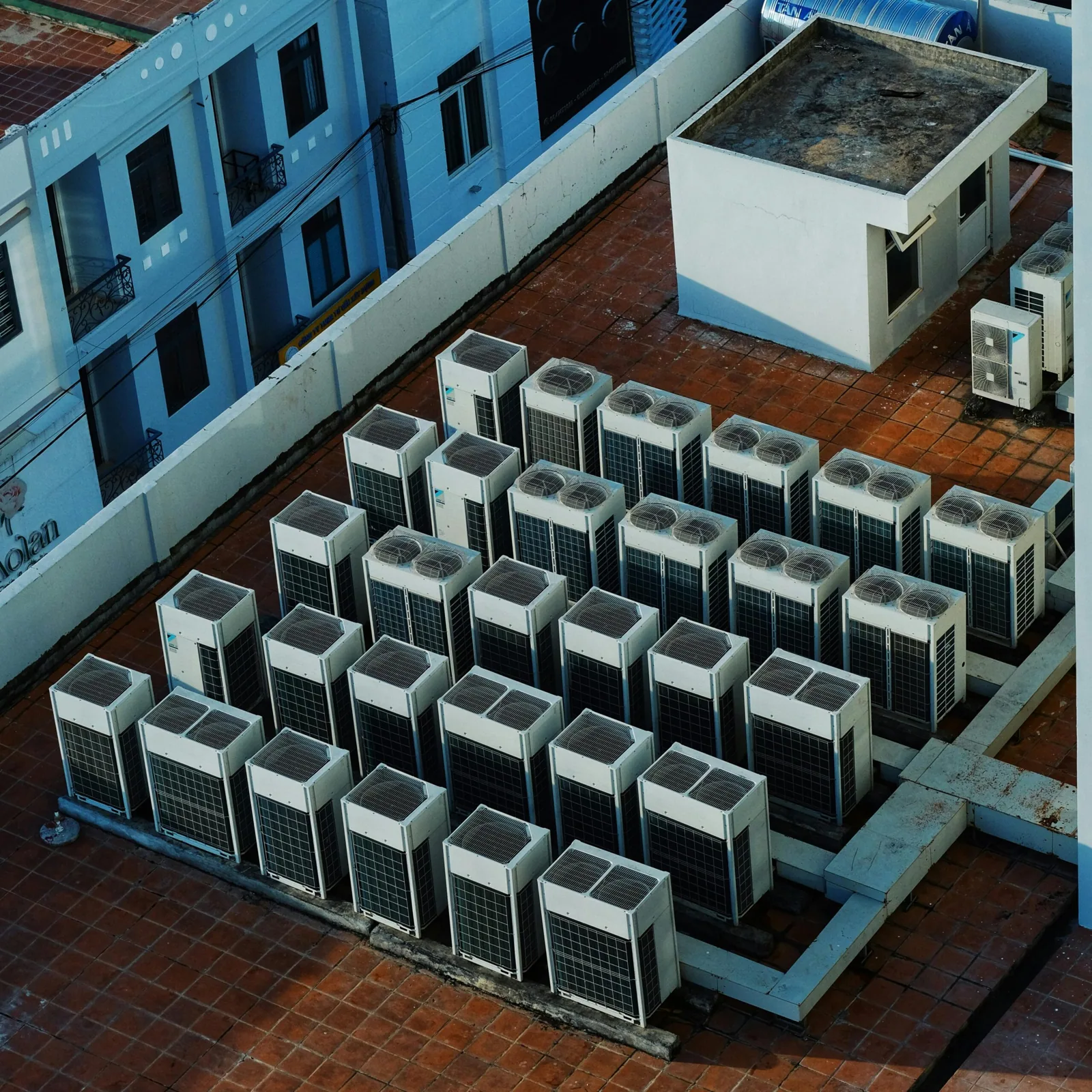
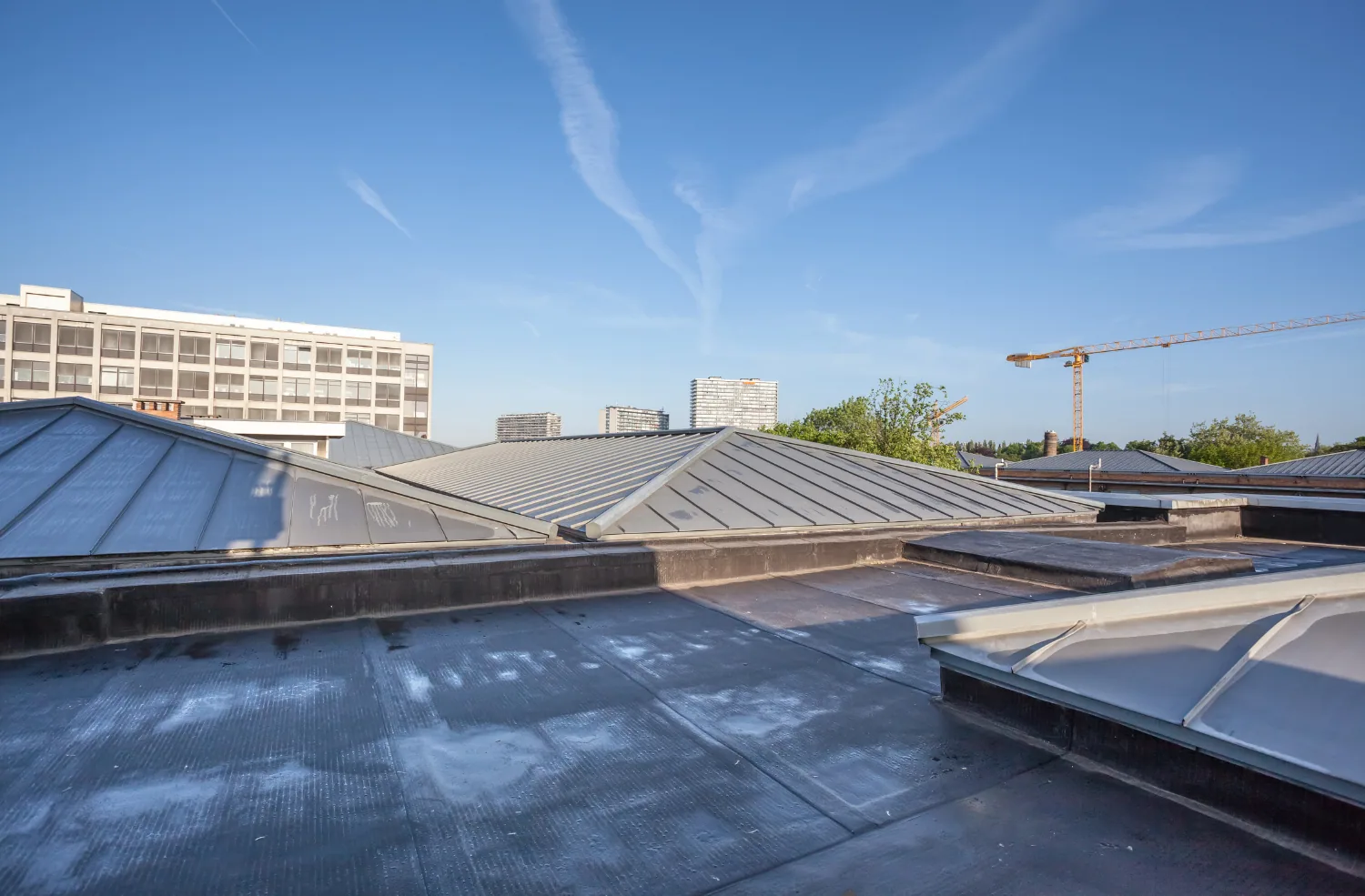

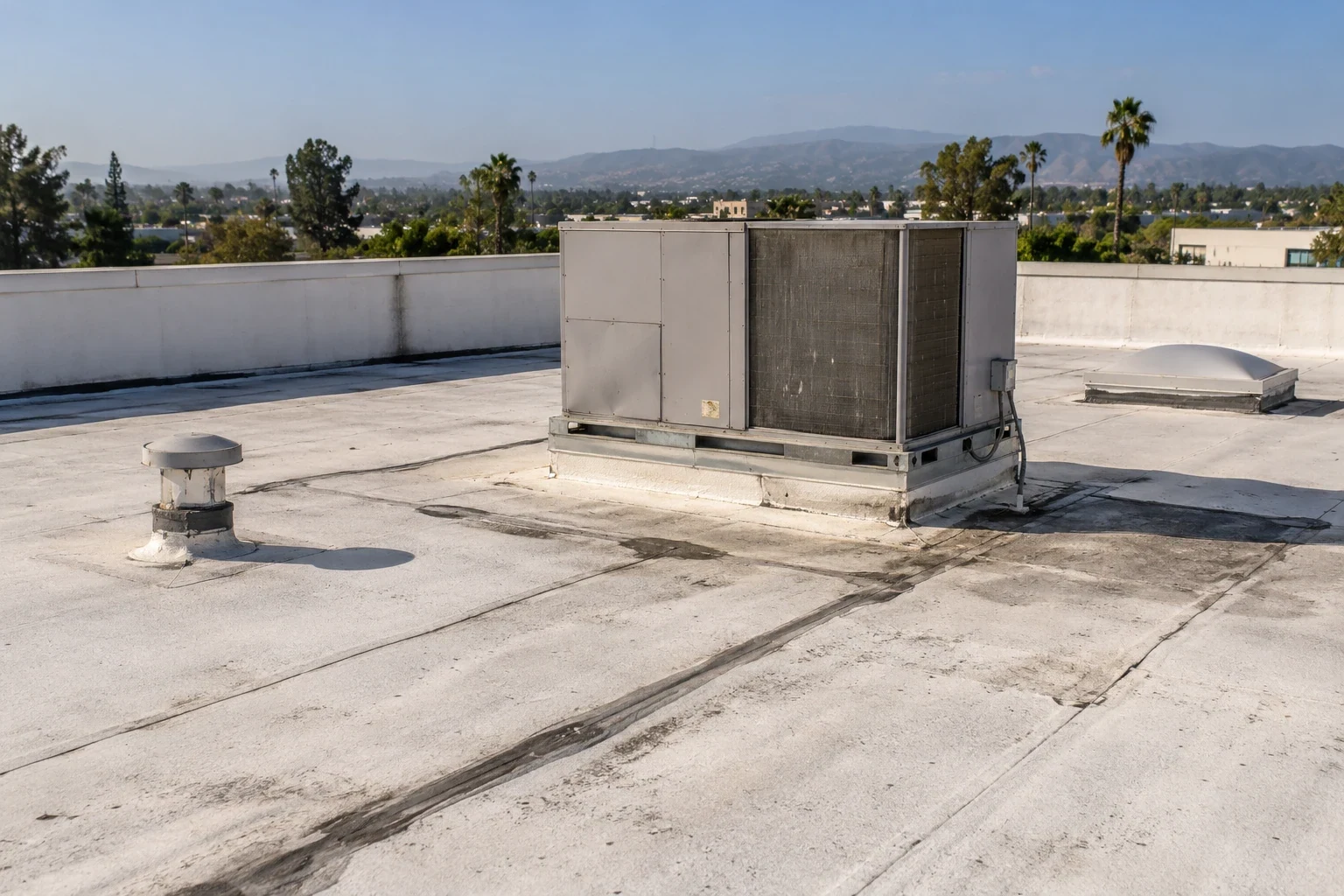
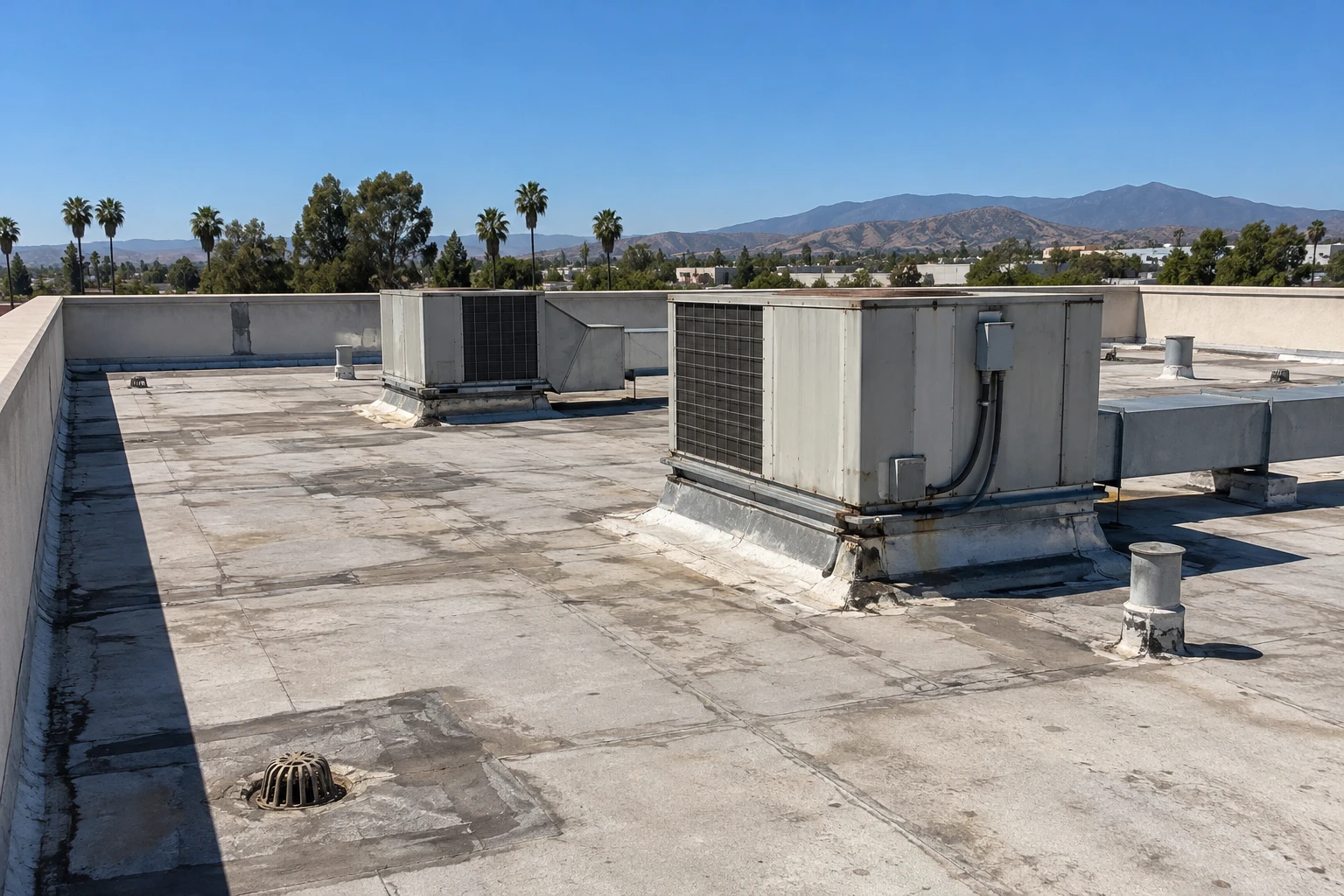
A locked hatch or occupied area can change the first step in a Fullerton roof report: coordinate access before choosing a service. A current leak may need a safe response and a documented inspection; a budget cycle may call for condition reporting and alternatives. Facility teams can sort the immediate work question before setting a proposal scope. We tie each recommendation to an observed condition, a marked roof zone, and the owner’s priorities. Compare each scope by the information it should provide. Only an on-site inspection can establish the assembly and condition of a roof.
Start with the question behind the work order
For active water entry, protect people and contents first, then record where water appeared, whether it is ongoing, recent weather, and any nearby mechanical work. That incident record helps us prioritize emergency response. A leak investigation can trace conditions through drains, seams, penetrations, and transitions while keeping plumbing or condensation in consideration. If the report is not urgent, schedule a commercial inspection with roof plans and past repair records available.
Choose a scope that matches the evidence
A limited defect may call for targeted repair; a broader aging assembly may need a recover or replacement comparison. A coating scope should state preparation, adhesion checks, reinforced details, and excluded zones through coating restoration. Ask bidders to mark quantities and separate assumptions from confirmed findings. If interior reports and roof observations do not align, a moisture survey may help answer a defined question. Testing is useful when it changes a decision, not as a substitute for a clear inspection objective.
Coordinate work across occupied property
Before scheduling work, identify access, staging, deliveries, operating hours, safety boundaries, and who can approve a change. An occupied project needs a daily plan for roof sections left open, protection at shift end, and tenant or staff notices. At an occupied facility, reroofing work needs a sequence that keeps access and close-in steps visible. Long-term owners can use preventive maintenance to organize recurring observations and repair records. The goal is a sequence that can be checked against the property calendar, not an unsupported promise about weather or business interruption.
Review proposals on the same basis
Give each bidder the same roof plan, access assumptions, and requested alternatives. Compare included layers, removal limits, temporary dry-in, deck allowances, edge and penetration details, warranty requirements, and closeout documents. If the project involves equipment curbs or drains, request those details as separate scope lines. A lower amount may reflect omitted work rather than a different method. Keep the owner’s approvals and any change orders in one decision log. When the choice is between repair and a larger capital project, ask for the risk and remaining uncertainties to be stated without claiming a fixed service life.
Move from service selection to a site-specific request
Match the next step to the building concern, then gather the property address, roof-zone plan, access contact, operating issue, prior work, and photos. For properties in Anaheim or Brea, we still need the actual address and roof conditions before discussing scope. A useful request asks what the inspection will document and what limits apply. Keep internal questions such as budget timing separate from the public service description. Those details keep the first conversation focused on the building rather than treating a public description as a diagnosis.
Commercial Roofing Questions
What should a service request include?
Share the property location, affected roof zone, access contact, recent reports, repair history, and the question the owner needs answered.
Can a service description identify a leak cause?
No. A site inspection must compare interior reports with roof conditions and other possible moisture sources.
How should bids be compared?
Review quantities, inclusions, exclusions, sequencing, allowances, warranties, and closeout records on the same assumptions.
When should testing be considered?
Define what decision the test will inform and what result would change the next step.