Coordinate warehouse and logistics roof work in Fullerton around dock schedules, trailer movement, rooftop equipment, and daily closeout.
Roof leak, storm damage or an inspection coming up?
A delivery queue can close the safest roof access route just as a repair crew is ready to stage material. Before opening a section, we map dock hours, trailer circulation, roof access, and the point where the day's work can be closed. The City lists a warehouse proposal along Orangethorpe Avenue; confirm the current tenant, roof assembly, and operating plan with the property contact before scheduling. We verify the address and site conditions before scheduling. The City also lists an industrial warehouse project along the Orangethorpe Avenue frontage. We confirm the address, current operations, and roof assembly with the property contact before scheduling. We confirm the actual address, assembly, and operating plan with the property contact, then inspect drains, seams, curbs, and perimeter details by roof section. The opening inspection also records where a crew can secure tools and move debris without narrowing the site's fire lane or trailer path today.
How should dock movement affect the staging plan?
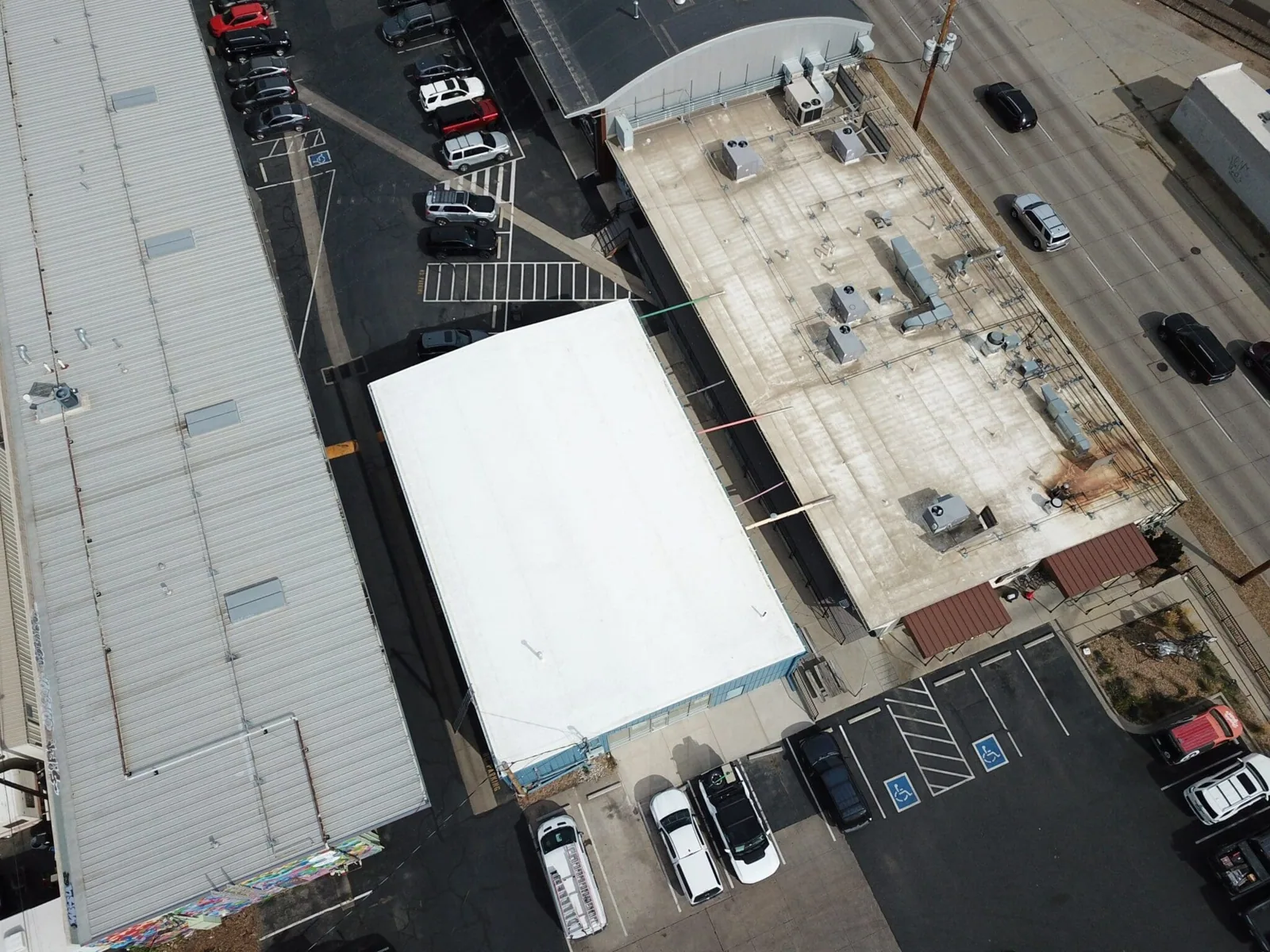
The property contact can identify appointment windows, trailer lanes, guard procedures, receiving doors, and any route shared with neighboring tenants. We verify where a lift can stand, whether a delivery blocks the access gate, and how roofing material will reach the roof without crossing active truck movement. The marked plan shows the roof hatch, staging point, equipment path, and protected area below. If the site uses separate shifts, the schedule lists the contact who can release access at each handoff. A missed dock window may move the work rather than shorten the close-in protection period. The crew records any access conflict before mobilization, then sets a section limit that can be completed or safely protected within the available hours. A phased occupied-building sequence can make those boundaries visible to both the facility manager and the roofing lead.
Which roof details deserve attention above a distribution floor?
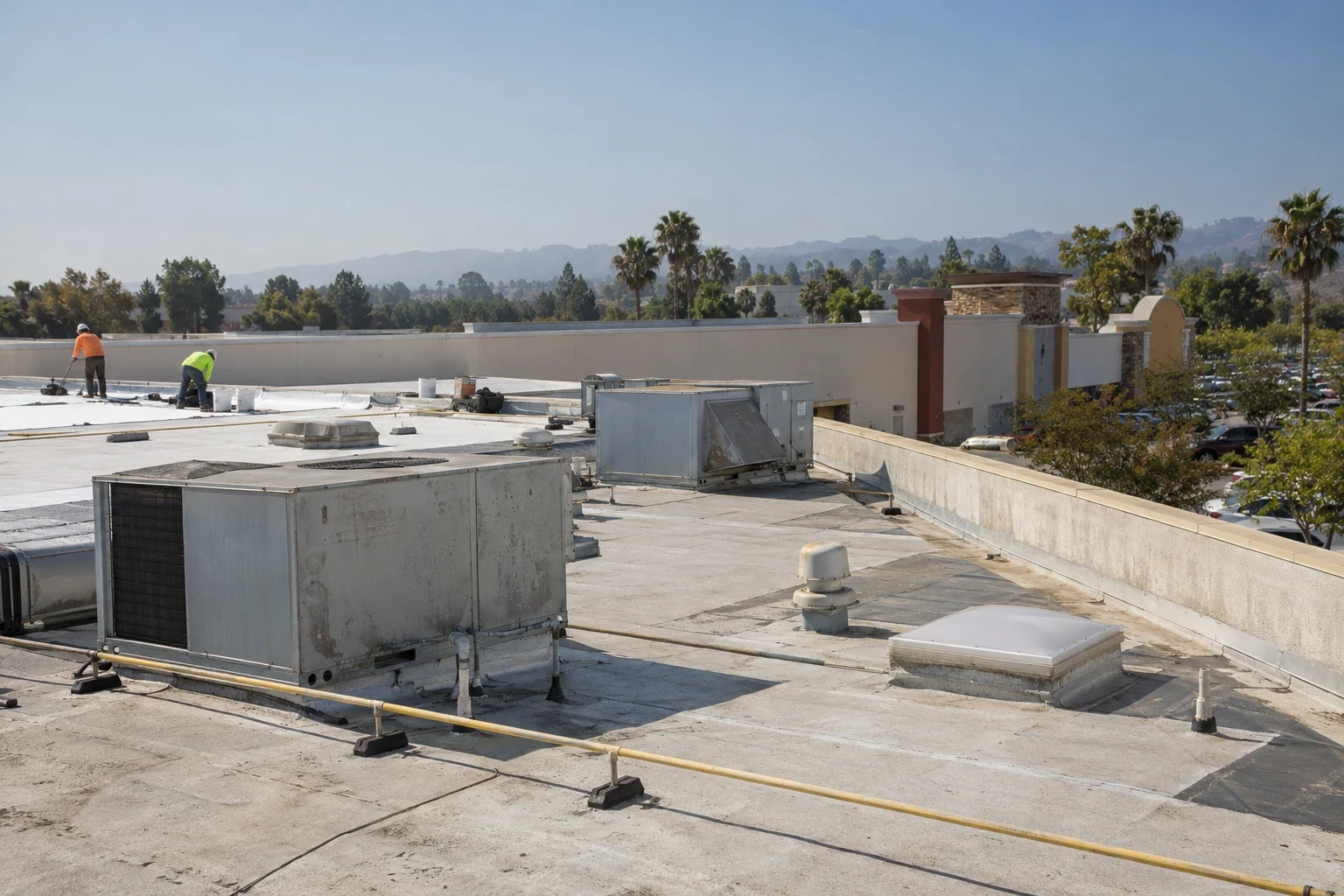
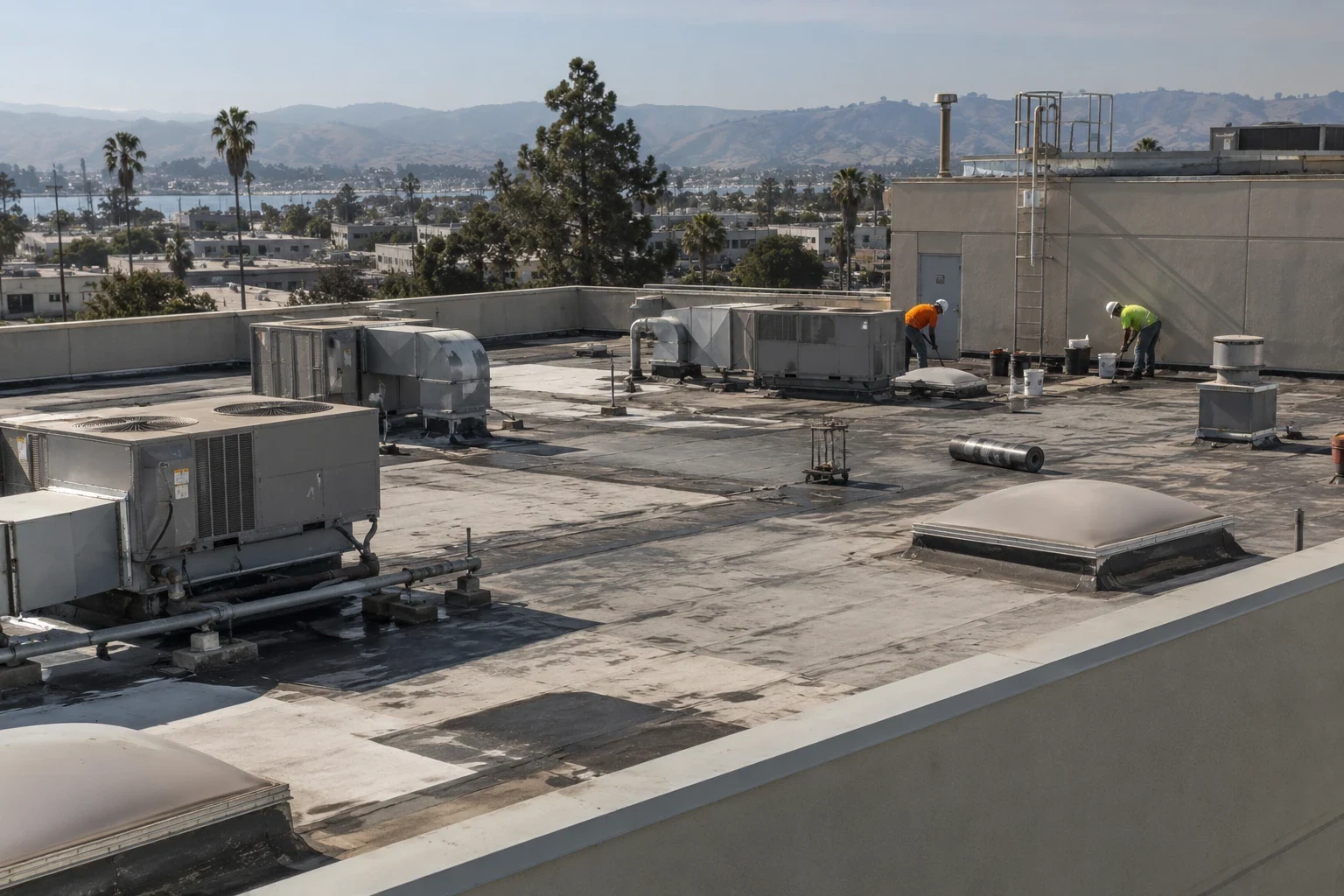
A wide low-slope roof can carry long membrane runs, skylights, mechanical curbs, exhaust, and drain paths that are difficult to see from a dock. We inspect accessible seams, flashing corners, penetrations, edge metal, and drainage points, then tie each photo to the roof plan. If stored goods or equipment restrict a route, we mark that section as not reviewed rather than assume continuity from the visible bay. A leak report includes its interior location, date, and conditions, so we can compare it with roof-side details and possible plumbing or equipment sources. The inspection record identifies what was confirmed, what remains uncertain, and which follow-up would answer a specific question. We keep a roof condition separate from a warehouse operator's floor area or shipment volume, neither of which establishes the roof assembly.
What handoffs are needed for rooftop systems?
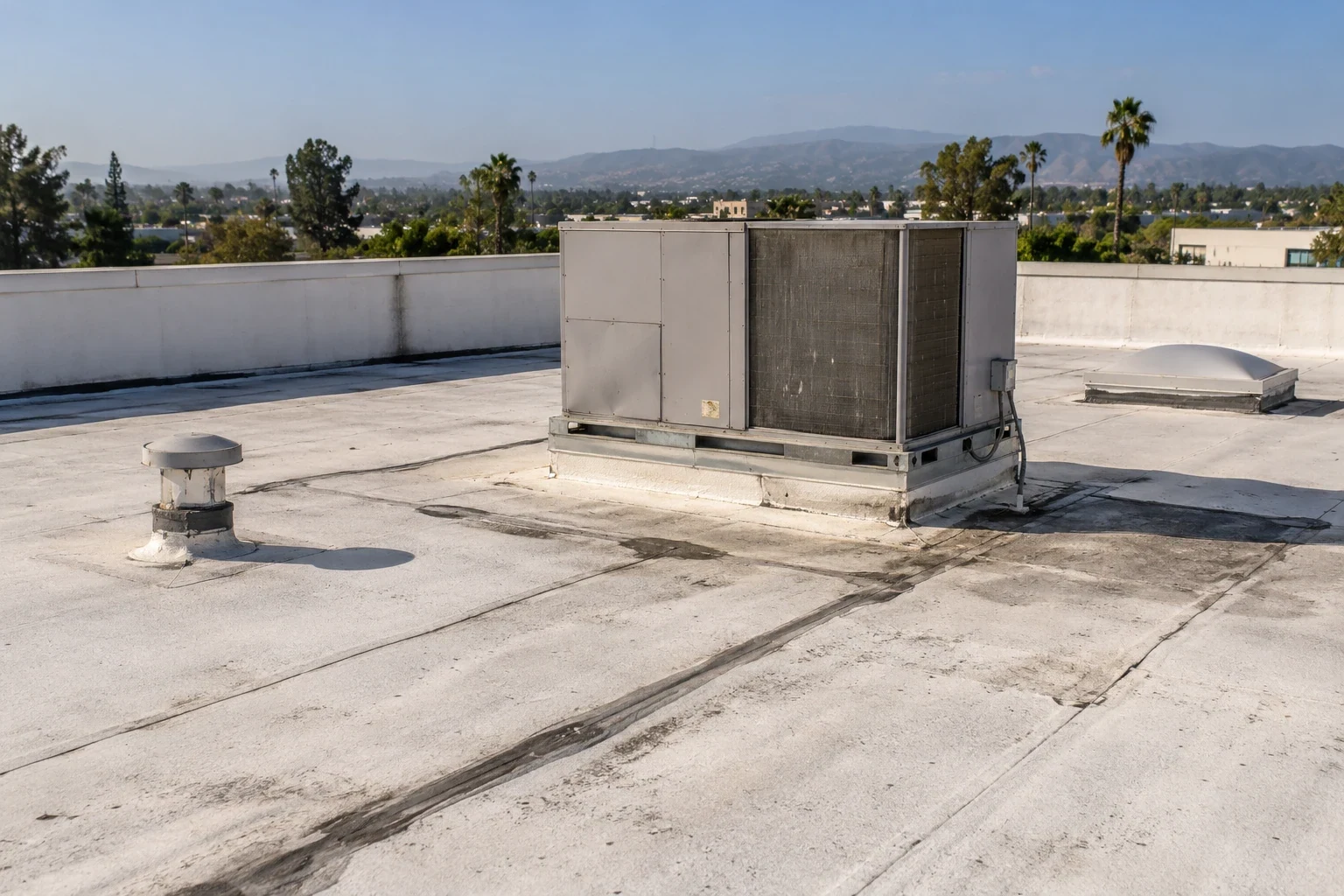
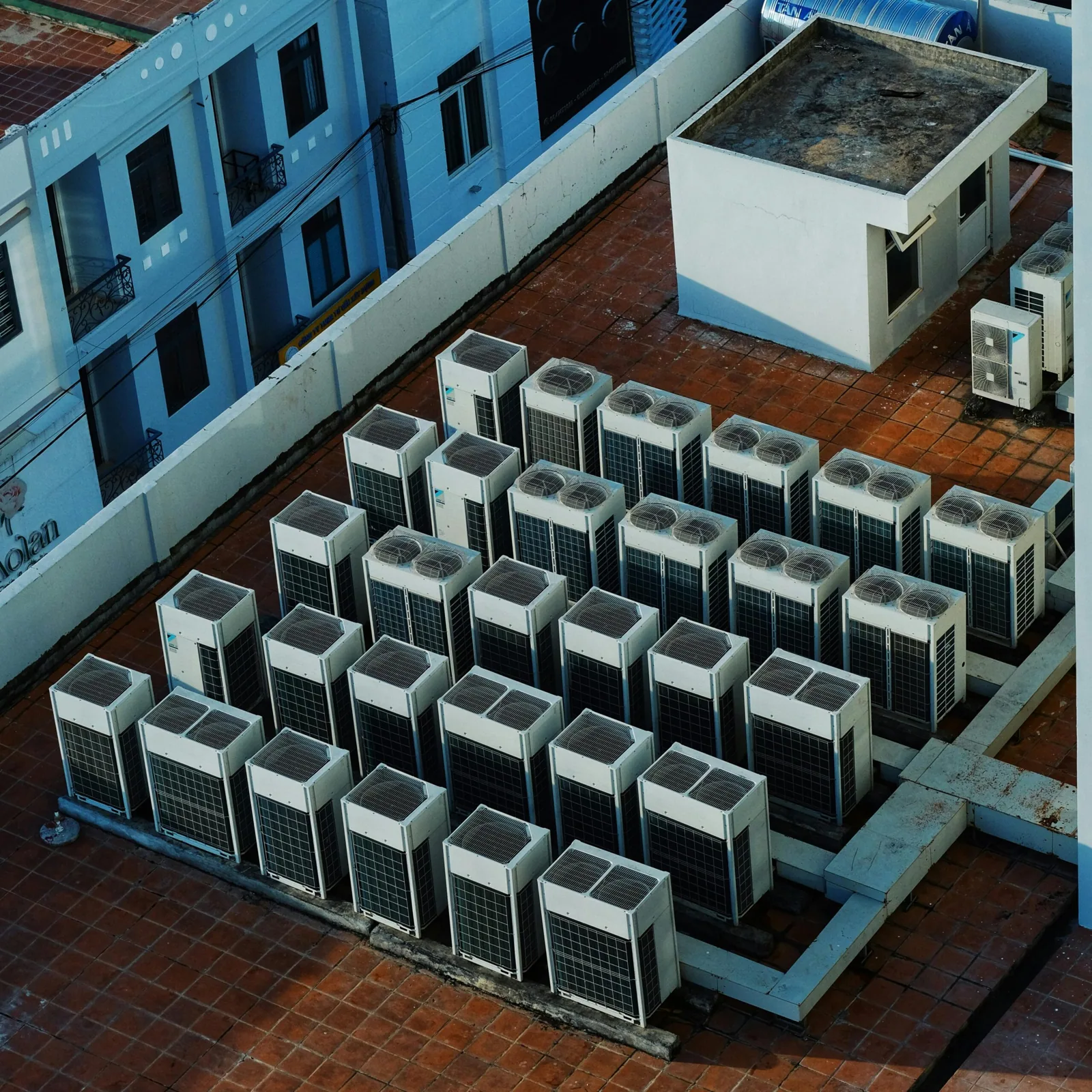
Air handlers, exhaust fans, electrical runs, and fire-protection equipment may need to stay live while a roof detail is repaired. We label each curb or penetration, check accessible flashing and support conditions, and ask the facilities contact to identify the trade responsible for any shutdown or movement. The roofing scope states where a mechanical handoff begins and when the membrane can be closed. If a unit cannot be moved, the repair boundary and remaining limitation appear in the report. The equipment-curb inspection can capture those interfaces without assigning a roofing crew work that belongs to another trade. In the North Industrial Focus Area, the City's historical planning analysis identified manufacturing and transportation and warehousing among reported sectors in 2008; that dated context does not reveal what equipment is present at a particular roof today.
How can an operator compare repair and replacement?
A bounded repair may fit when the defect is localized and nearby material can accept a compatible tie-in. Repeated seam failures, broad moisture evidence, or compromised insulation can make a larger evaluation more useful. We document the test area and method before an opening is approved, then show how the result affects quantity. A recover can change drain height, curb exposure, and edge conditions; replacement can involve more staging, tear-off, and coordination with other trades. Both options should identify dock restrictions, safe access, roof sections, and daily close-in. The repair scope can be compared with a replacement plan using the same marked map. A warehouse-focused distribution-center roof review can keep building use beside the assembly and access findings.
How does Fullerton weather affect a logistics work window?
NOAA's Fullerton normals put average daily highs in the mid-80s across July and August, with long-term 90-degree days as well. The shift forecast, substrate, and product instructions govern each work window. Heat may affect the handling of certain products and the pace of exposed work, so we set a start point, rest periods, weather hold, and closure time with the site contact. Dry summer normals do not remove the need to protect an open assembly if conditions change. In the Orangethorpe Avenue corridor, access still depends on the individual property gate and delivery schedule. The handoff note records which section was completed and what must be checked before work resumes. A dock appointment, yard circulation plan, and marked fire lane belong in the same daily note as the roof section and close-in time, so dispatch and the property contact can reconcile changes., giving operations a clear status at shift change.
What should a 3PL roof file contain?
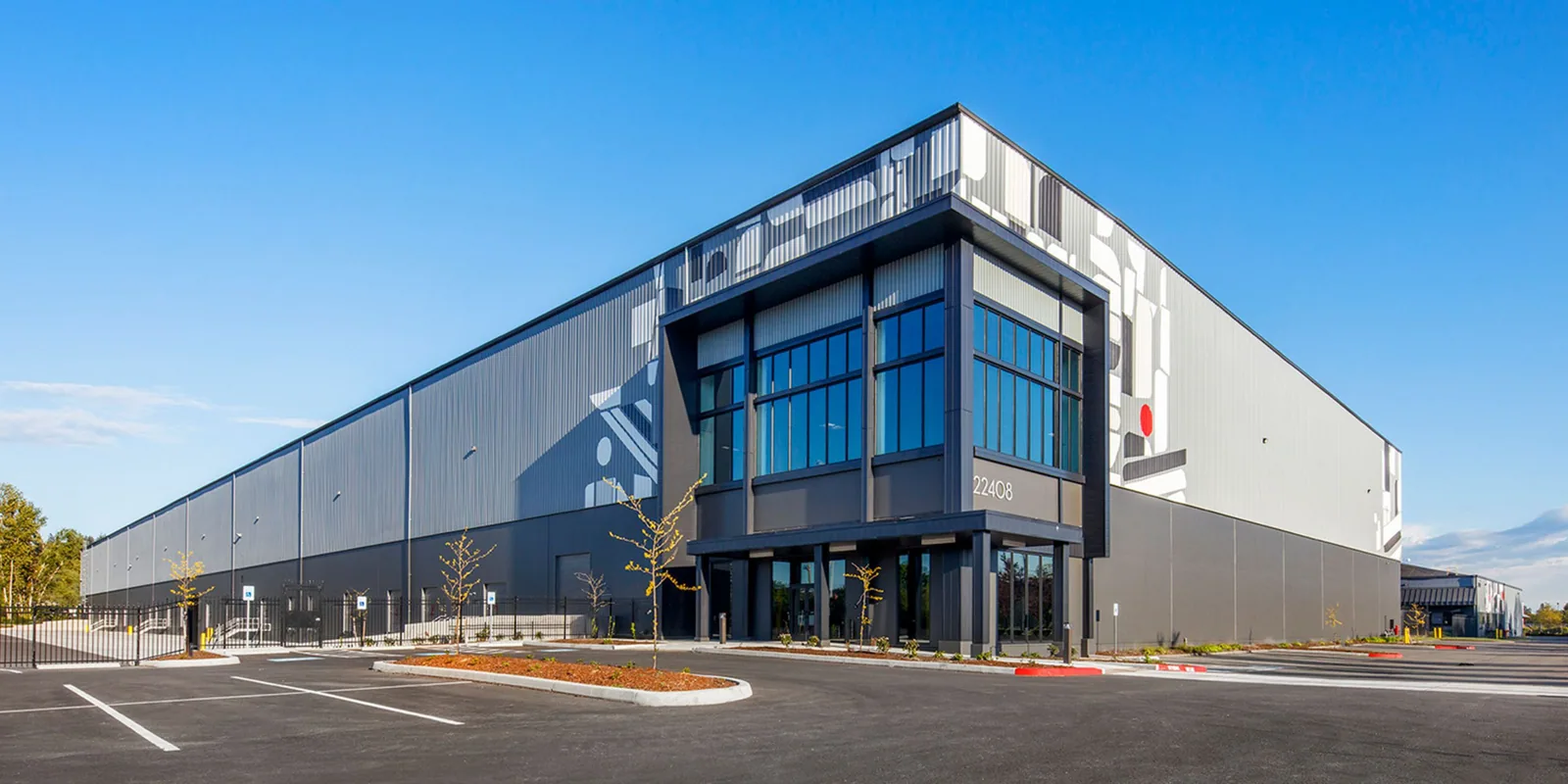
Keep the roof plan, dated photos, repair limits, material details, access notes, and equipment-trade assignments together. A useful record also names which section was closed, which drain or seam remains under observation, and which areas were not accessible. That gives a new site manager an exact point to revisit rather than a general note that the roof was checked. If a lease or ownership transition occurs, the file lets the incoming contact compare conditions with the last documented repair. A roof asset record can hold that history, while the manufacturing roof plan may help when a building supports both storage and production. For multi-site operators, a property-manager inspection register can track locations without merging distinct systems. Keep the site-specific repair map with the dock and shift contacts, so a later crew can enter through the approved route and avoid interrupting a loading cycle. If an interior leak recurs, the next survey can compare its location with the previous closeout and determine whether a new condition appeared or the original boundary needs further review. The file should distinguish completed roofing from a separate action assigned to a controls, refrigeration, or plumbing provider. We note who will confirm that handoff and what roof area they need to reach. That avoids recording a trade dependency as though the membrane work itself were unfinished. Share the site address, access procedure, dock calendar, leak reports, and available drawings to set the first walk.
Commercial Roofing Questions
Can crews work while trailers are loading?
That depends on the approved equipment route and staging point. We map dock movement first and schedule roof access when material handling can remain separate.
What site controls protect stored goods during overhead roof repairs?
The facility identifies the affected interior area and protection rules. We define the work section, covering, and close-in point before opening the assembly.
Does a large warehouse have one roof condition?
Not necessarily. Additions, equipment zones, drains, and repair histories can differ. We label each roof section and report findings at that level.
Can rooftop equipment remain in service during repairs?
Often, if the responsible trade confirms operating limits and the roofing detail can be isolated. The scope records any equipment handoff before work starts.
What helps schedule an inspection around shift changes?
Send gate procedures, dock hours, shift contacts, roof access details, leak history, and current plans. We can set a route that respects those constraints.