Compare low-slope and metal roof assemblies, restoration options, and replacement considerations for commercial buildings in the Fullerton area.
Roof leak, storm damage or an inspection coming up?
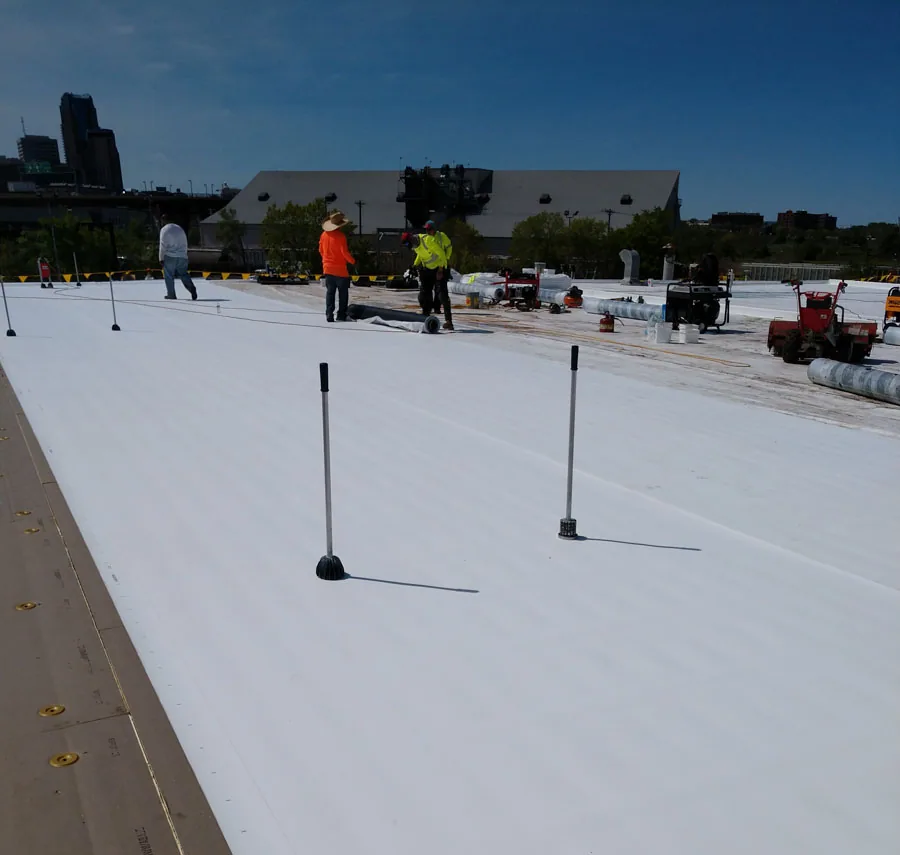
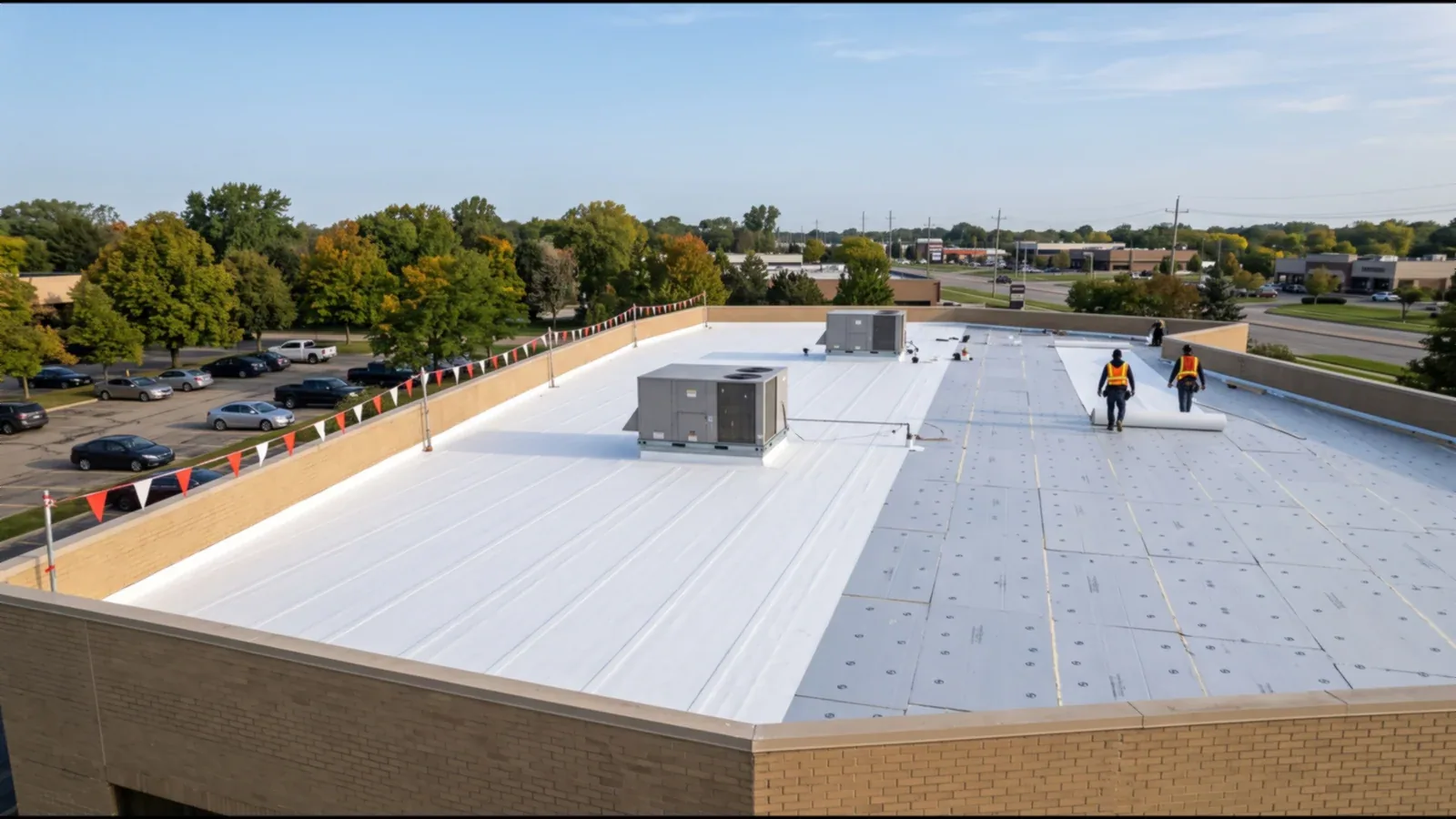
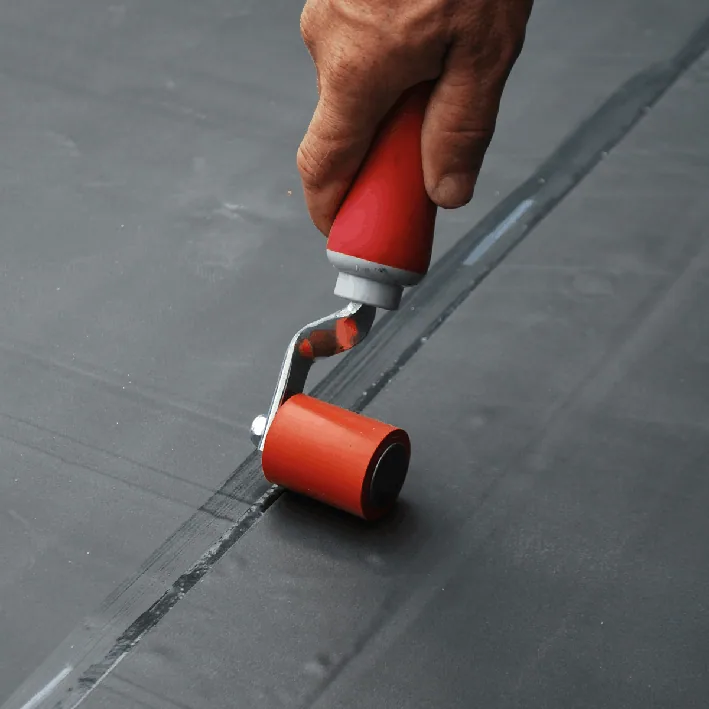
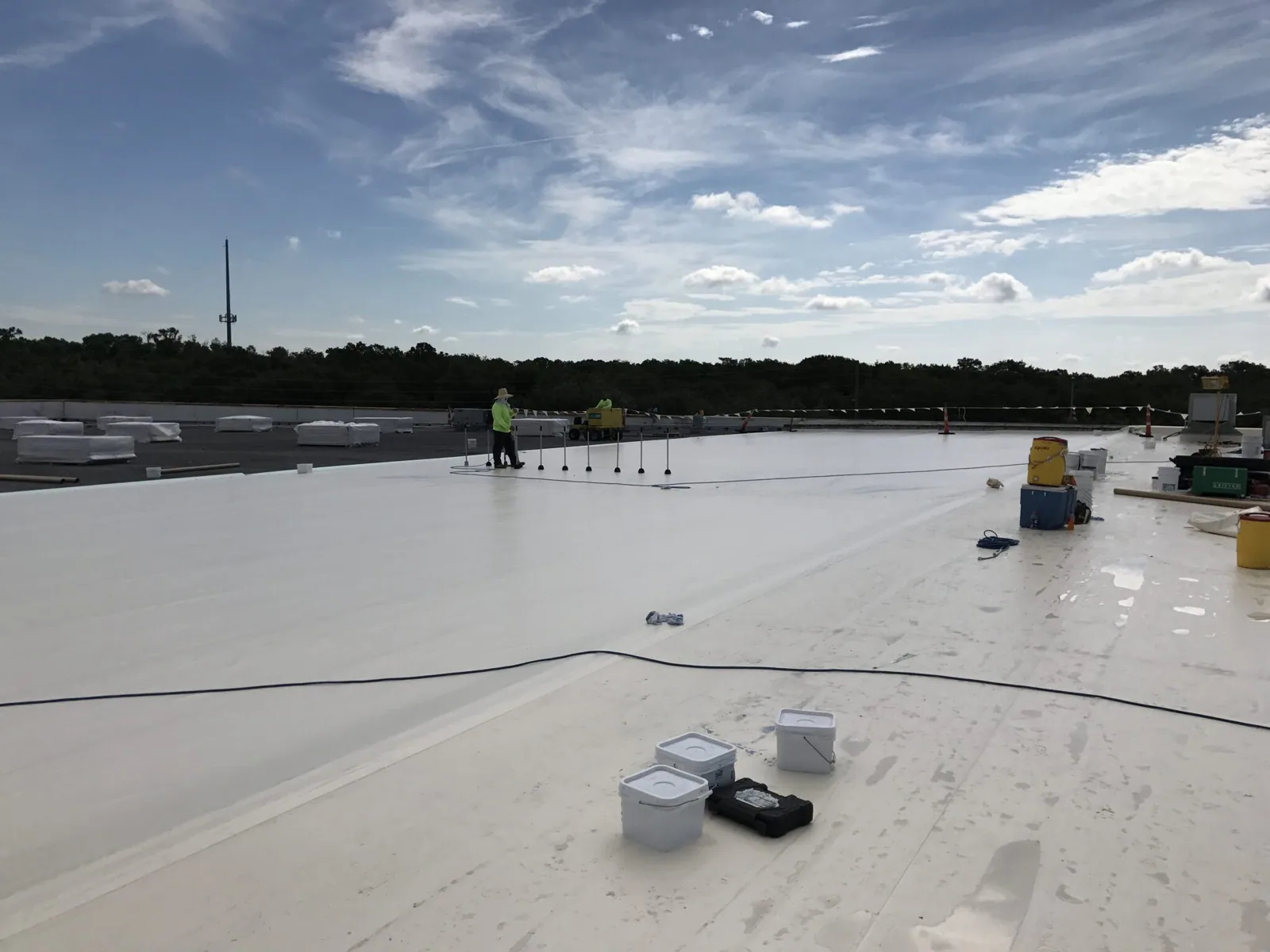
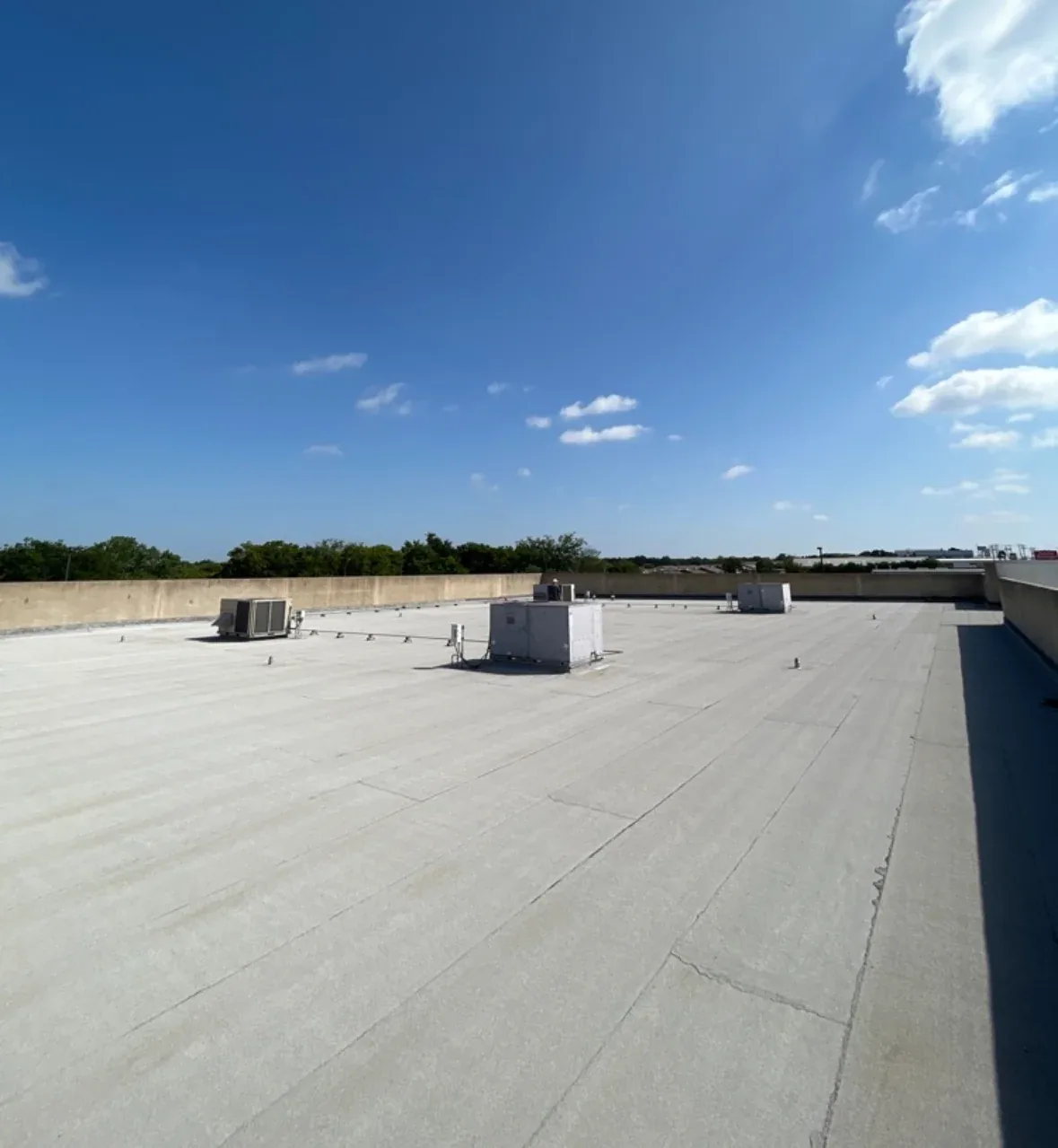
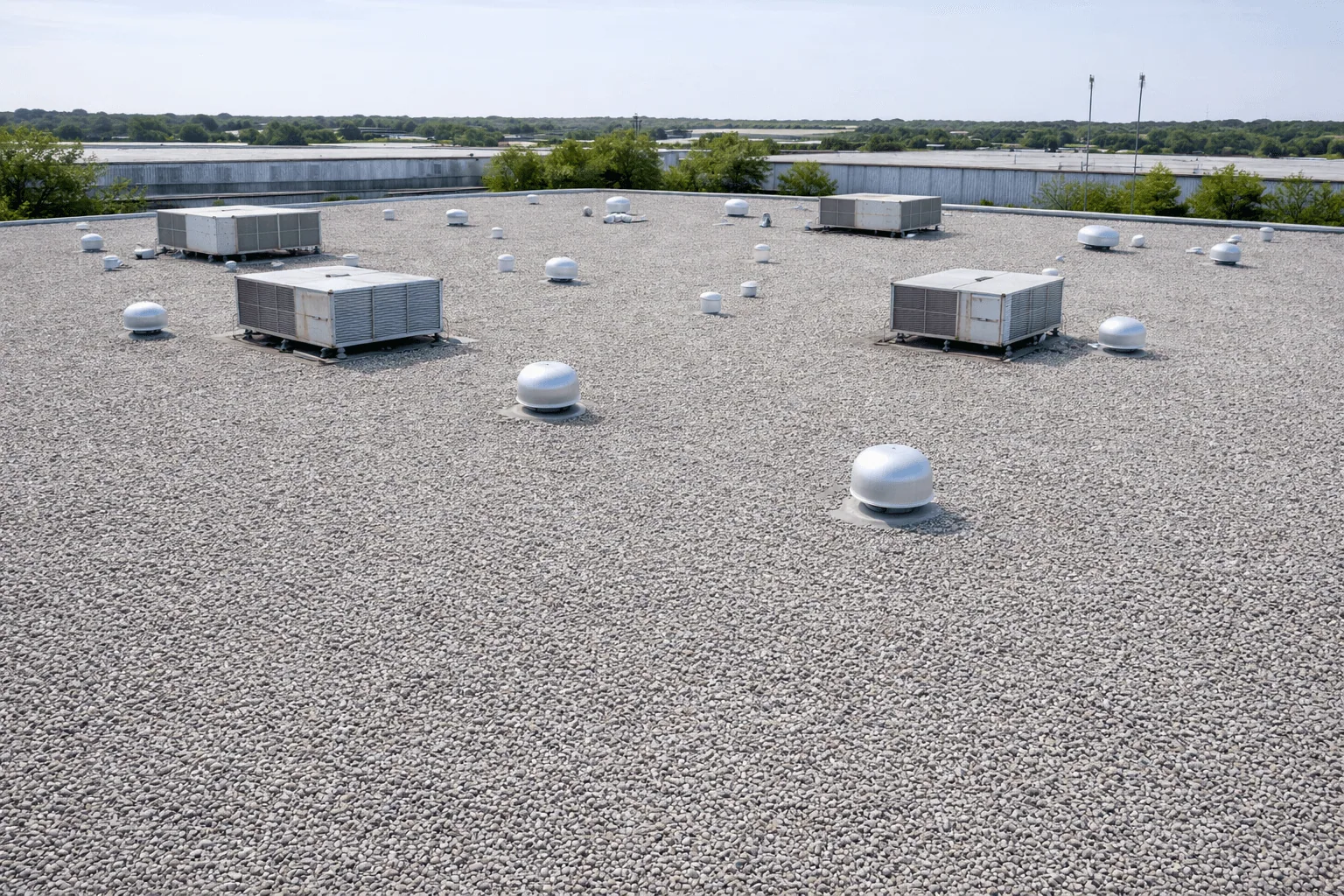
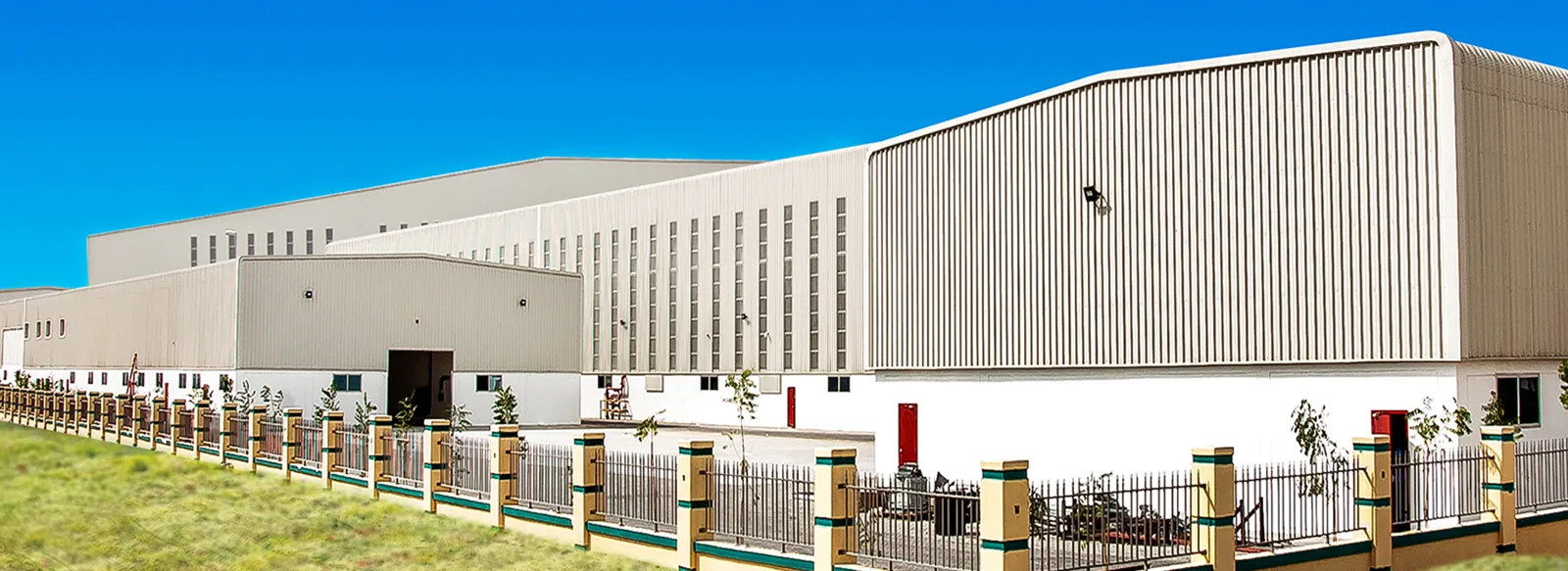
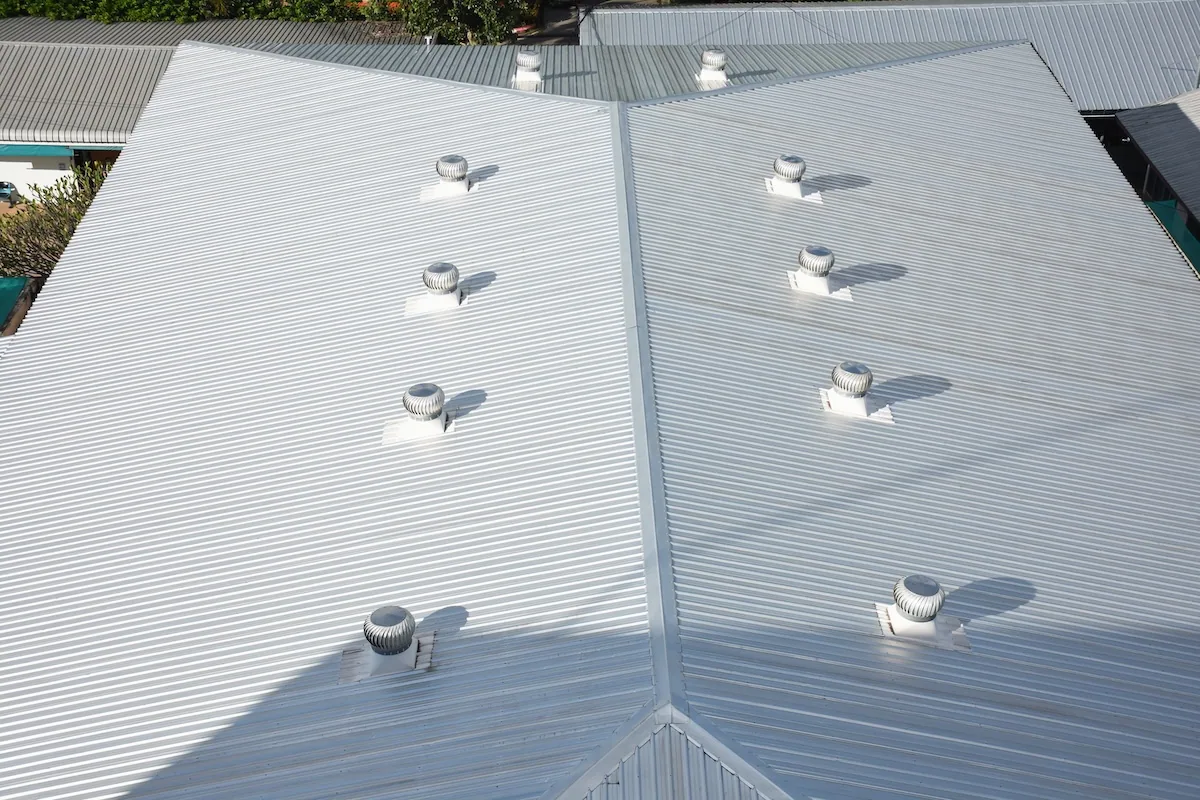
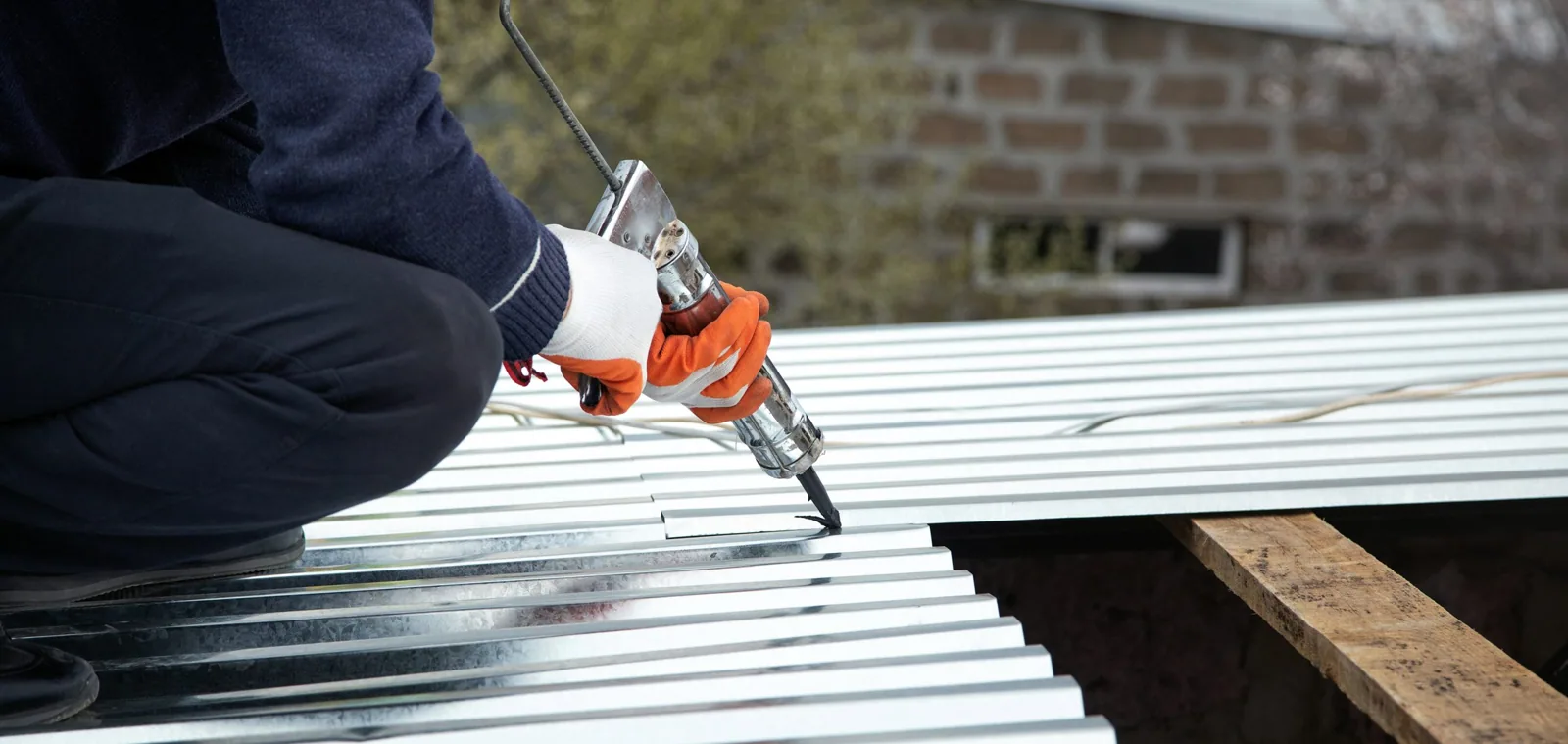
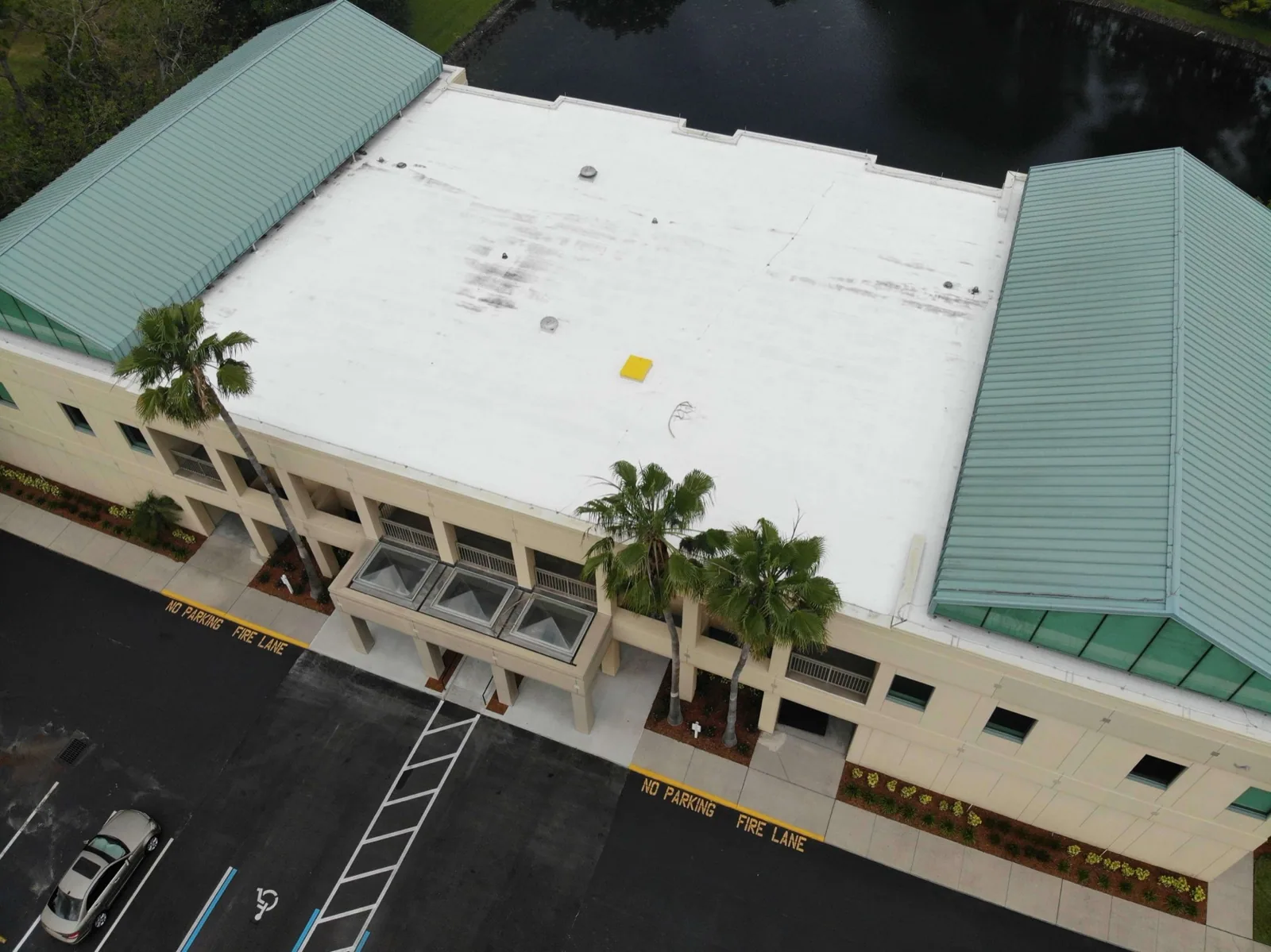
System names are only a starting point for a commercial roofing decision. In Fullerton, an owner should verify the existing assembly, deck, insulation, drainage, attachment, repair history, and project requirements before comparing materials. A roof may contain multiple additions or previous recover layers, each with a different transition. The existing assembly, deck, insulation, drainage, and repair history frame a sound system comparison. It does not recommend a product for an unseen building. We separate visible observations from assumptions and identify details that may need testing or design review.
Understand membrane choices by detail
Single-ply options include TPO, PVC, and EPDM. Compare seam construction, attachment, substrate compatibility, perimeter treatment, and the work needed around drains or equipment. A KEE system has its own formulation and specification questions; do not assume that one product family is interchangeable with another. Request a roof plan that identifies each section and shows how the proposed membrane terminates at walls, curbs, skylights, and adjoining materials.
Plan for existing built-up and modified systems
Older commercial properties may have built-up roofing or modified bitumen with repairs, surfacing, and prior overlays. A proposal should confirm the observed layers and note where core samples or selective openings are needed. Moisture, deck condition, and attachment can change whether recover remains an option. Where the building has a standing-seam metal roof, check panel condition, clips, fasteners, penetrations, and movement rather than applying membrane assumptions. For a metal re-roof, retrofit planning should show attachment and drainage details.
Evaluate restoration only after preparation is defined
When comparing silicone and acrylic coatings, define restoration questions before selecting a product. A product label alone is not a scope: require cleaning, repair, adhesion testing, reinforcement, thickness or coverage criteria, edge terminations, drainage details, and exclusions. A roof with wet insulation, unstable substrate, or unresolved leaks may need a different approach. Ask which observations support restoration and what future inspections should record. The proposal should also identify warranty conditions and who maintains coating details after rooftop equipment work.
Ask what a foam assembly entails
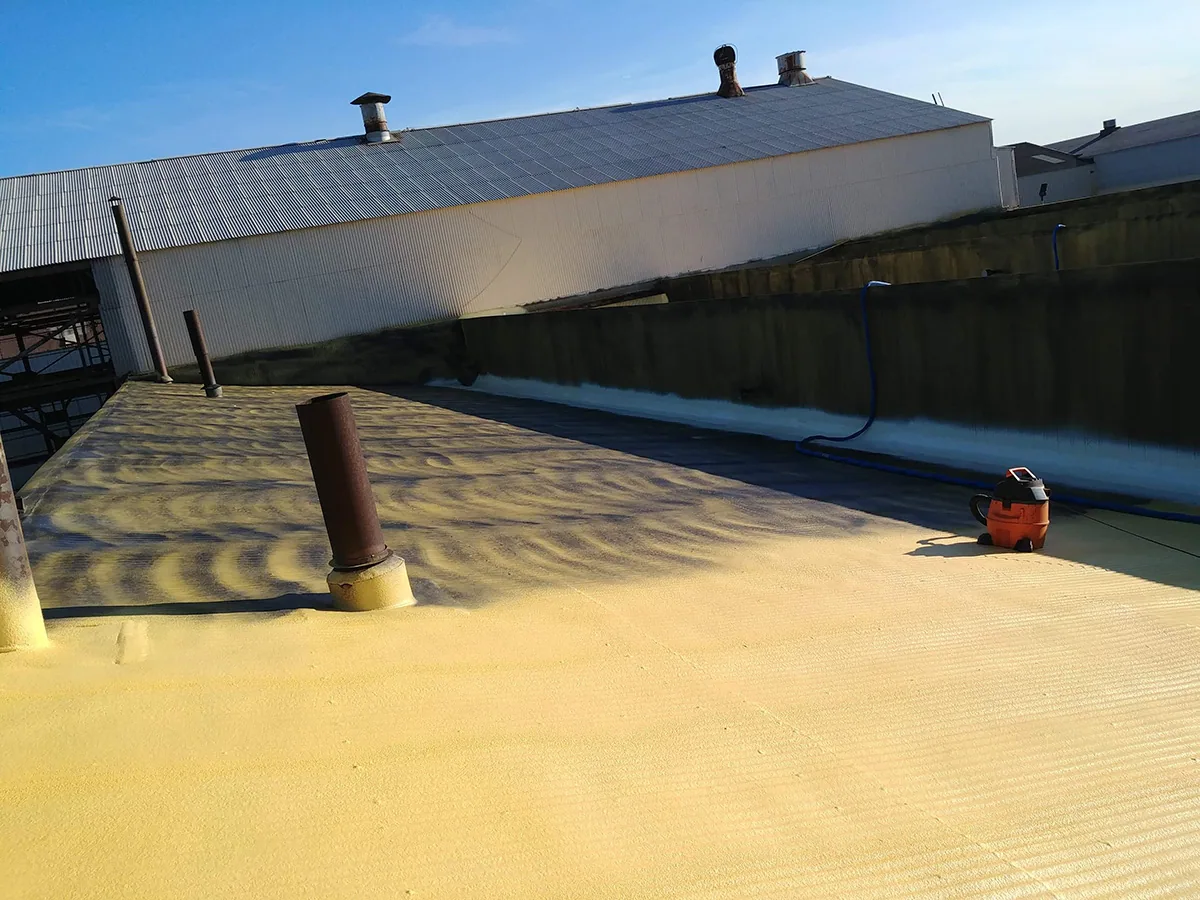
Spray polyurethane foam has application, substrate, thickness, protective coating, and maintenance considerations. The project documents should state where the assembly is proposed and how it joins parapets, drains, penetrations, and existing materials. Owners should understand access and ventilation planning during application and confirm that the work is performed to the specified requirements. A comparison with membranes or metal should include preparation, detail scope, expected maintenance tasks, and warranty limitations rather than an isolated material price.
Tie the system to the building and contract
Before selecting a system, confirm use, access, structural criteria, fire and wind requirements, energy objectives, drainage, and future equipment plans with the responsible design team. Review sample details for the building’s actual edges and transitions. We itemize tear-off, dry-in, substrate repairs, metal, penetrations, and testing allowances so the owner can compare proposals on the same scope. For a property in Garden Grove or Orange, the address and roof conditions still determine whether a proposed assembly fits. The selected assembly should be identified in approved documents and preserved in closeout records.
Commercial Roofing Questions
Can a coating go over every roof?
No. Condition, moisture, adhesion, substrate, drainage, and warranty criteria must be evaluated for the specific assembly.
What should a membrane comparison cover?
Review seams, attachment, substrate, edges, penetrations, transitions, project requirements, and service documentation.
Are all metal roofs the same?
No. Panel profile, clips, fasteners, movement, coatings, and details affect inspection and retrofit planning.
When are core samples useful?
Use them when assembly or moisture information could change the repair, recover, or replacement decision.