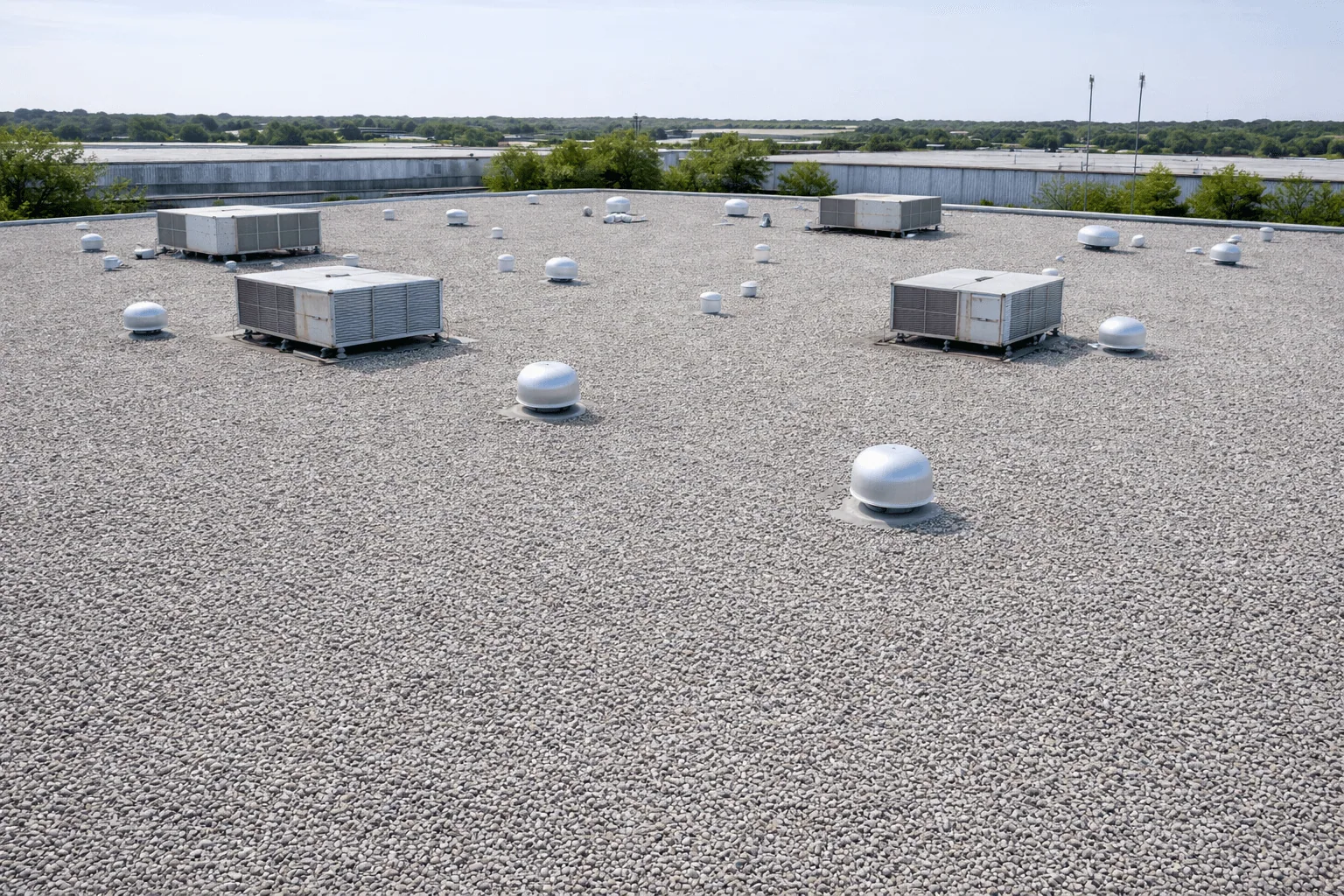

Inspect modified bitumen roofing in Fullerton for surfacing wear, laps, flashing, drainage, and repair or replacement needs with testing.
Roof leak, storm damage or an inspection coming up?
Modified bitumen roofs use asphalt-based sheets reinforced with fabric and installed in one or more plies. The surface may have granules, a coating, or another protective layer, so a visual review needs to distinguish wear at the cap sheet from a condition deeper in the assembly. We ask about leaks, prior patches, roof age if known, and any maintenance that could have disturbed the surface. For exposed work, confirm the current forecast, surface conditions, and manufacturer requirements before selecting a work window; the roof itself and the day’s conditions govern the sequence. A roof inspection maps the existing system before a repair scope is selected.
What layers make up the modified bitumen roof?
The system may include a base sheet, interply sheet, cap sheet, insulation, cover board, and vapor or air-control components. The actual build-up varies with installation history and later repairs. We review submittals or closeout documents when available, then compare those records with exposed edges, drains, curbs, and safe test locations. A roof edge can reveal some layers but not the condition across the field. If concealed moisture or attachment is central to the decision, the owner can approve a test opening and define the repair afterward. The report states which layers were confirmed and where the assessment relies on records. That distinction helps facilities staff compare a local repair, partial replacement, or a broader assembly scope with the same evidence. When the cap sheet appears intact but an interior leak persists, a test opening can show whether the concern reaches an interply or insulation layer. The sample location should be selected away from hidden utilities and approved with a closure method before the cut. We photograph each layer as it is exposed and note whether the materials match available submittals. A built-up assembly also uses multiple plies, but its material and repair sequence are not interchangeable with modified bitumen.


How do we evaluate cap-sheet wear?
Granule loss, exposed asphalt, blisters, splits, and surface coatings are documented by location and extent. The crew checks whether a defect is isolated or part of a pattern near a drain, roof edge, equipment route, or prior repair. Granule loss may require maintenance or a localized correction; it does not alone establish that the lower plies have failed. We note loose surfacing, embedded debris, or a patch that prevents direct inspection. If the surface has a coating, the report identifies what was observed and whether a small adhesion test is appropriate before a larger treatment is considered. If heat has changed the coating or surfacing, record its location and extent, then compare it with the installed assembly before selecting a treatment. A single-ply EPDM roof presents different layer and seam questions, which is why system identification precedes any repair comparison.
What should an inspector check at seams and laps?
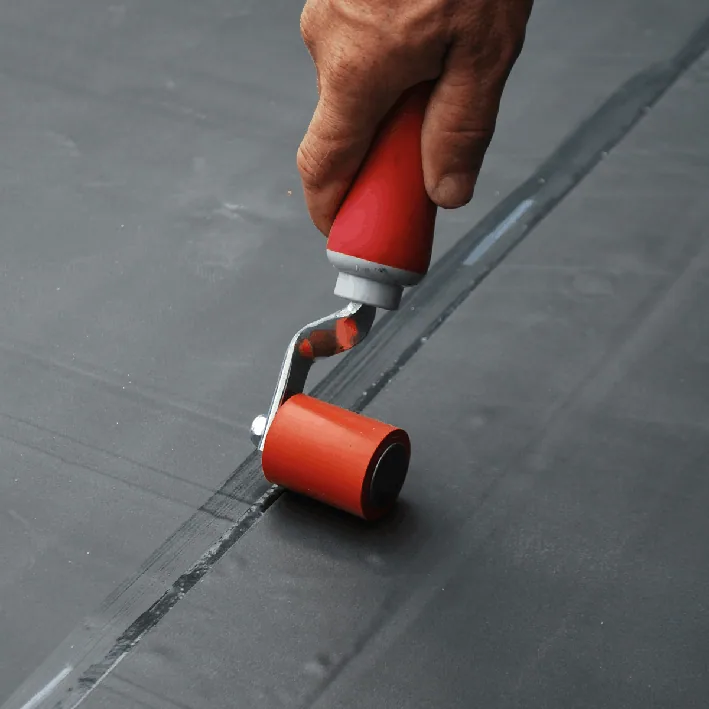
Modified bitumen details may use heat-applied, cold-applied, or self-adhered materials, and repair history can create transitions between methods. We examine accessible laps for open edges, fishmouths, wrinkles, voids, and movement at corners or penetrations. Any probe or test is limited to the location used and recorded on the roof plan. A surface patch can cover a lap without resolving a wet layer below, so we look for context in the leak history and moisture findings. At a repair boundary, the chosen detail must tie into the actual substrate and existing sheet, not just match color. A modified-bitumen repair assessment identifies the test locations and the quantity assumed in the proposal.
Which flashings and transitions need attention?
Parapets, roof edges, drains, scuppers, skylights, equipment curbs, and pipe penetrations interrupt the field sheets. We check terminations, counterflashing, cant strips, drain clamping areas, and transitions where another material meets the asphaltic system. Movement, corrosion, loose metal, or an old sealant repair may call for separate investigation. We follow the building’s actual layout and mark each accessible transition, including edges, drains, curbs, and points where another material meets the asphaltic system. A perimeter-metal review can address edge conditions, while a drain inspection records outlet flow and the surrounding roof surface.
When does moisture testing change the repair plan?
Water can travel between layers before it appears indoors. We compare leak timing, interior locations, roof penetrations, and any available infrared or moisture survey. A scan is a screening method, and its readings need confirmation where the assembly or conditions could affect the result. If the test indicates a concern, the report marks the sample area and asks the owner to approve an opening before conclusions are extended across a section. For a building near Downtown Fullerton or the North Industrial Focus Area, identify test locations from the actual roof plan; a district boundary does not establish moisture conditions. The moisture survey reports tested versus untested sections so the manager can decide what further investigation is worthwhile. A temperature pattern can be affected by roof construction, recent weather, HVAC operation, and scanning conditions. The report should therefore state when the survey occurred and how any flagged area will be verified. A test result from one location does not establish the extent of moisture in adjacent bays. We can lay out a limited opening plan that identifies sample points and patch responsibilities before intrusive work is authorized.
Can modified bitumen be repaired or recovered?
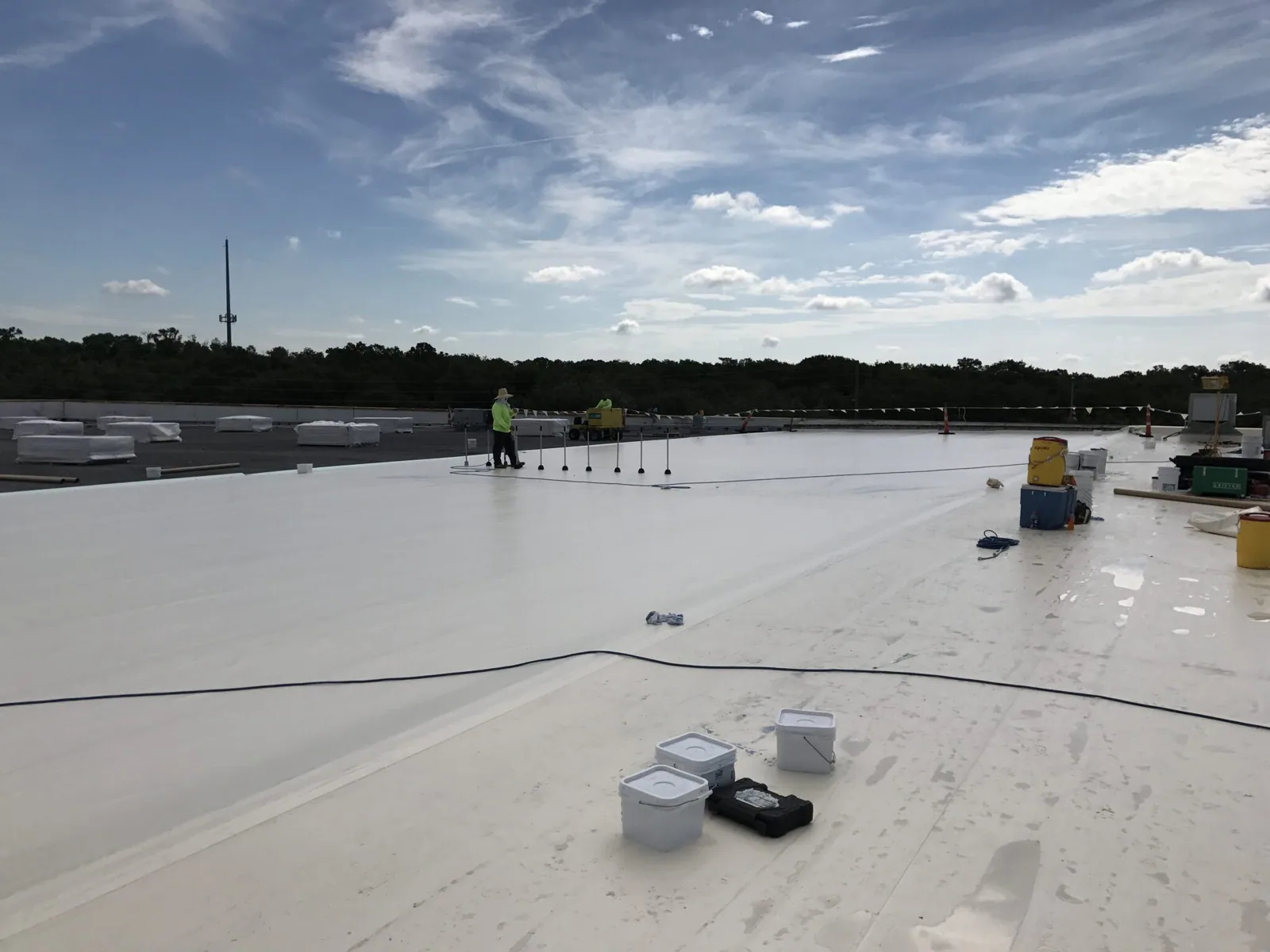
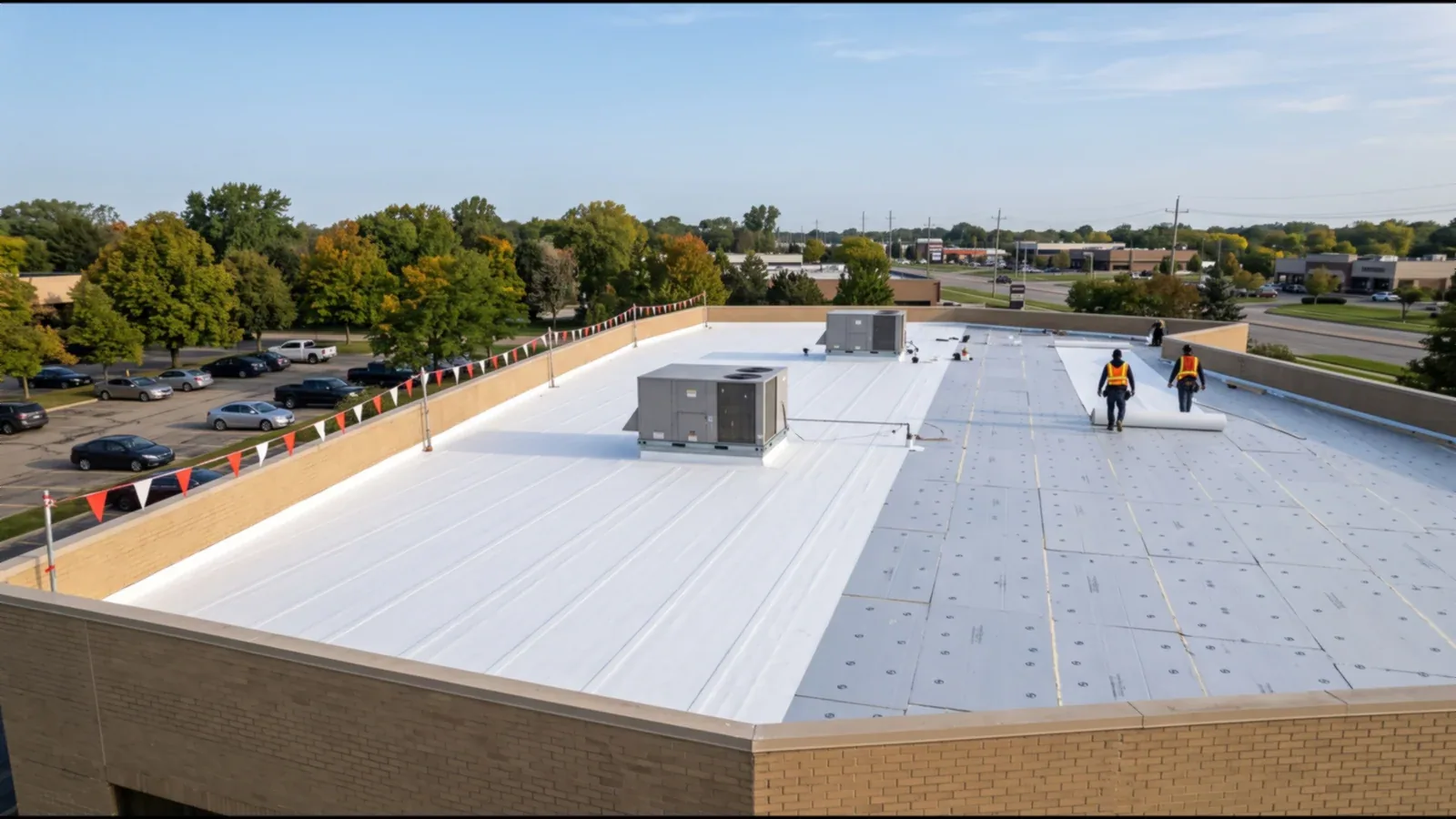
A local repair may be suitable when the surrounding material is sound, the wet or damaged area is bounded, and a compatible repair can be installed. Repeated leaks, wide blisters, deteriorated surfacing, or moisture in multiple layers can point to a larger scope, but each finding should be verified. A recover adds material and can affect roof height, drainage, edge metal, and future access. We compare those impacts with selective tear-off and replacement rather than presenting an overlay as an automatic shortcut. The recover evaluation checks the existing layers, moisture evidence, drainage, and perimeter before estimating added work. The proposal identifies assumptions, exclusions, and any testing needed before authorization.
What records support long-term maintenance?
Keep a marked roof plan, repair locations, photographs, materials used, and the limits of any moisture investigation with the building file. If a later contractor opens a section, the record should show which layers were disturbed and how they were closed. The manager can use the map to compare a future inspection with prior observations and route service staff around known vulnerable areas. A maintenance visit can check drains, exposed asphalt, loose surfacing, and previous repair boundaries. For a property in the Commonwealth Corridor, the roof drawing still controls the section map and inspection record. The report lists open items and who will decide whether additional testing or budgeting is needed.
Commercial Roofing Questions
Does granule loss mean a modified bitumen roof must be replaced?
No. The crew maps the area, checks the cap sheet and surrounding assembly, and compares it with moisture or leak evidence before recommending repair or replacement.
Can a modified bitumen roof be patched with a coating?
A coating is considered only after surface preparation, adhesion, moisture, and material compatibility are reviewed. The test area and excluded sections should be documented.
Are all modified bitumen seams torch-applied?
No. Existing roofs may use heat-applied, cold-applied, or self-adhered products. Records and field evidence help identify the method before repair details are written.
Will an infrared scan confirm wet insulation?
A scan can identify areas for follow-up, but readings require interpretation and may need a test opening. The report separates screening results from confirmed conditions.
What information should I provide for a Fullerton roof review?
Send the address, roof plan, repair history, leak locations, prior test results, and access rules. Those records help set the inspection scope and safe route.