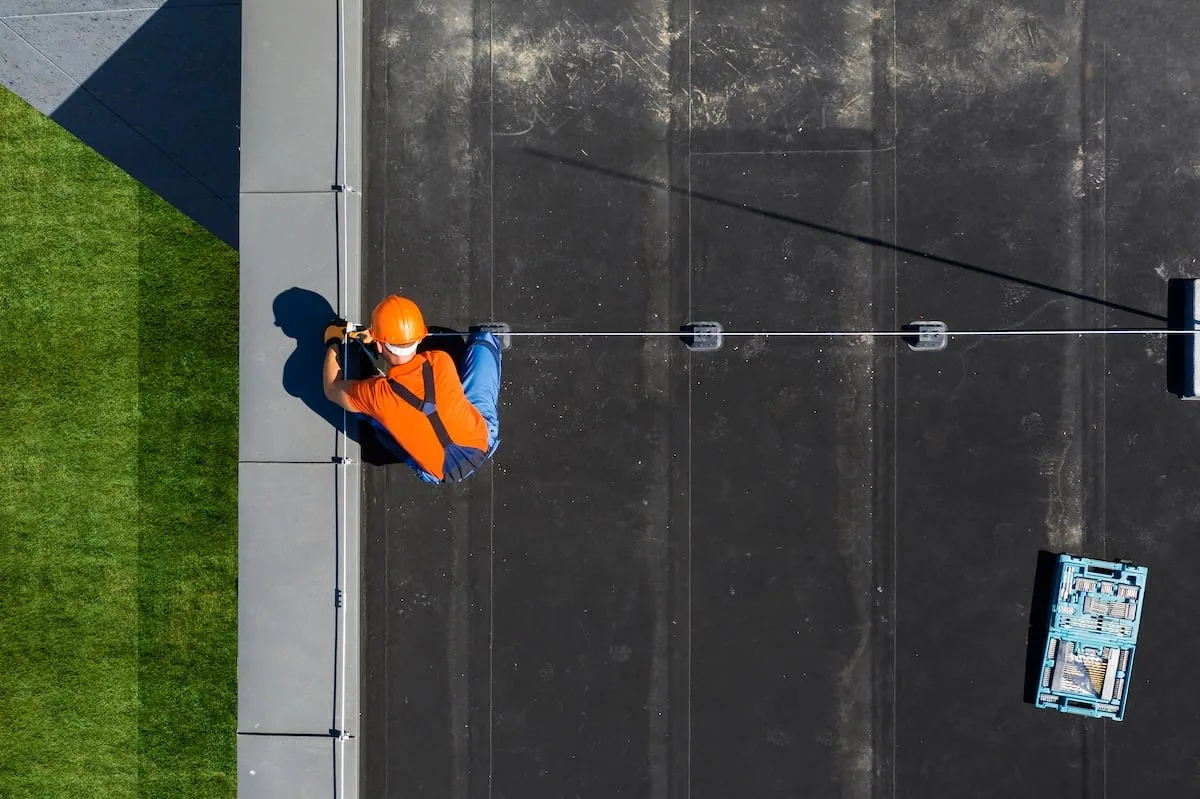

Repair commercial roof edges in Fullerton with scoped coping, gutter, and flashing work that records attachment, drainage, and safe access details.
Roof leak, storm damage or an inspection coming up?
Loose coping or a separated edge can expose more than the metal surface. The property manager needs the roof side, wall side, attachment, and drainage path checked before a repair boundary is approved. In Fullerton, we inspect the parapet, fascia, gutter, downspout connection, and adjacent membrane as one transition, then map what is loose, corroded, open, or missing. NOAA's Fullerton August normal reaches an average daily maximum of 86.7 degrees; schedule exposed metal work around the current forecast and selected coating or sealant instructions. The Southeast Industrial Focus Area has industrial properties and regional road or rail access; service access still depends on the individual building. Site-specific loading and roof access still come from the property's manager. A roof inspection can document adjoining seams before the edge scope is set.
Where does water cross the roof edge?
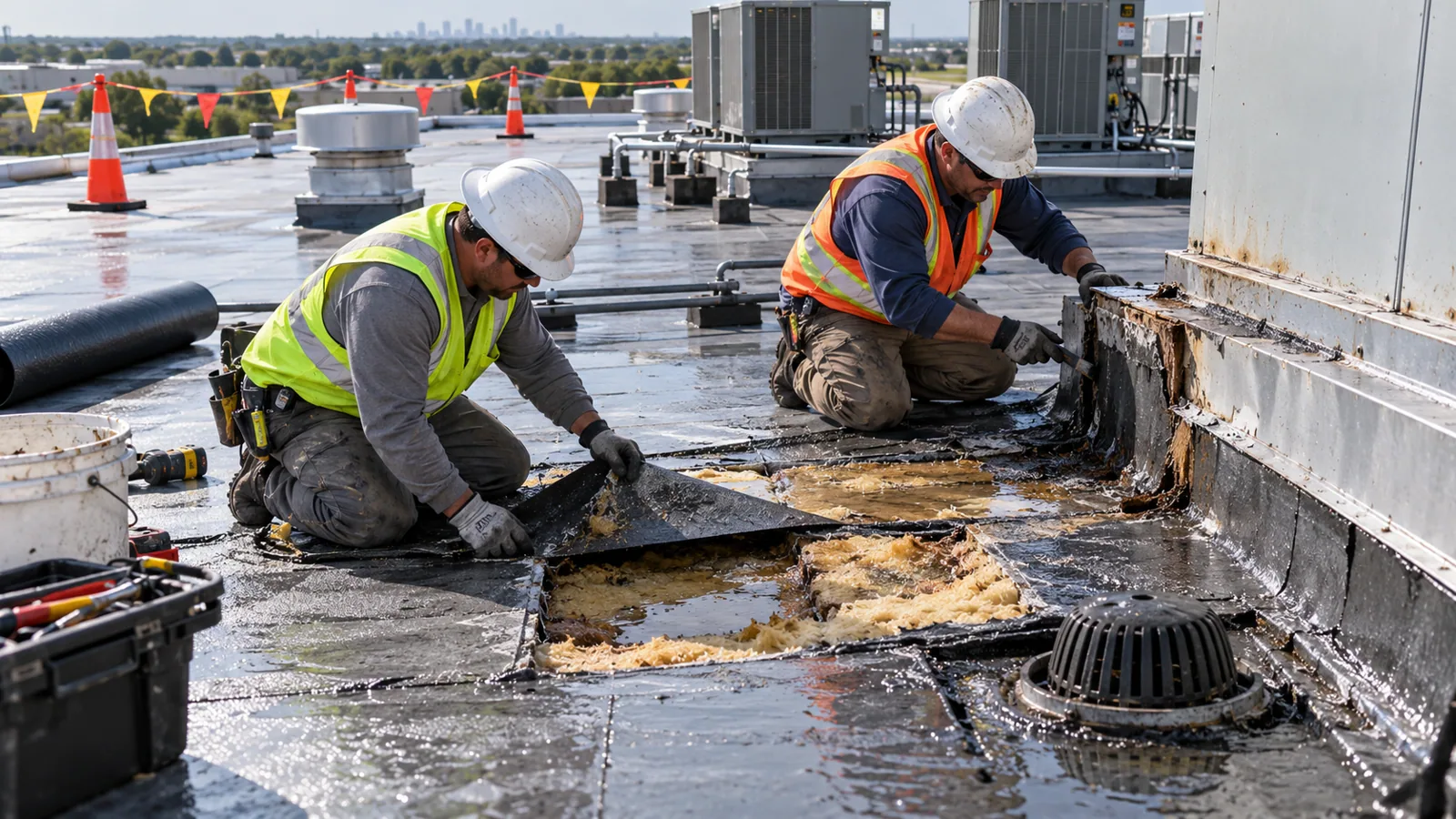
We follow the water path from the roof field to the edge, gutter, scupper, or downspout. The inspection checks whether the membrane terminates correctly, whether metal joints remain closed, and whether fasteners or cleats have loosened. A stain at the wall does not identify which transition failed. We record the roof side and exterior side separately, photograph the joint, and mark the area on a roof plan. Along the Commonwealth Corridor, confirm each property’s parapet profile, drainage path, and replacement dimensions before fabricating metal. The manager provides building records and access instructions. If water is active, a leak investigation can connect interior reports with the roof detail before a permanent repair is written.
What holds coping and edge metal in place?
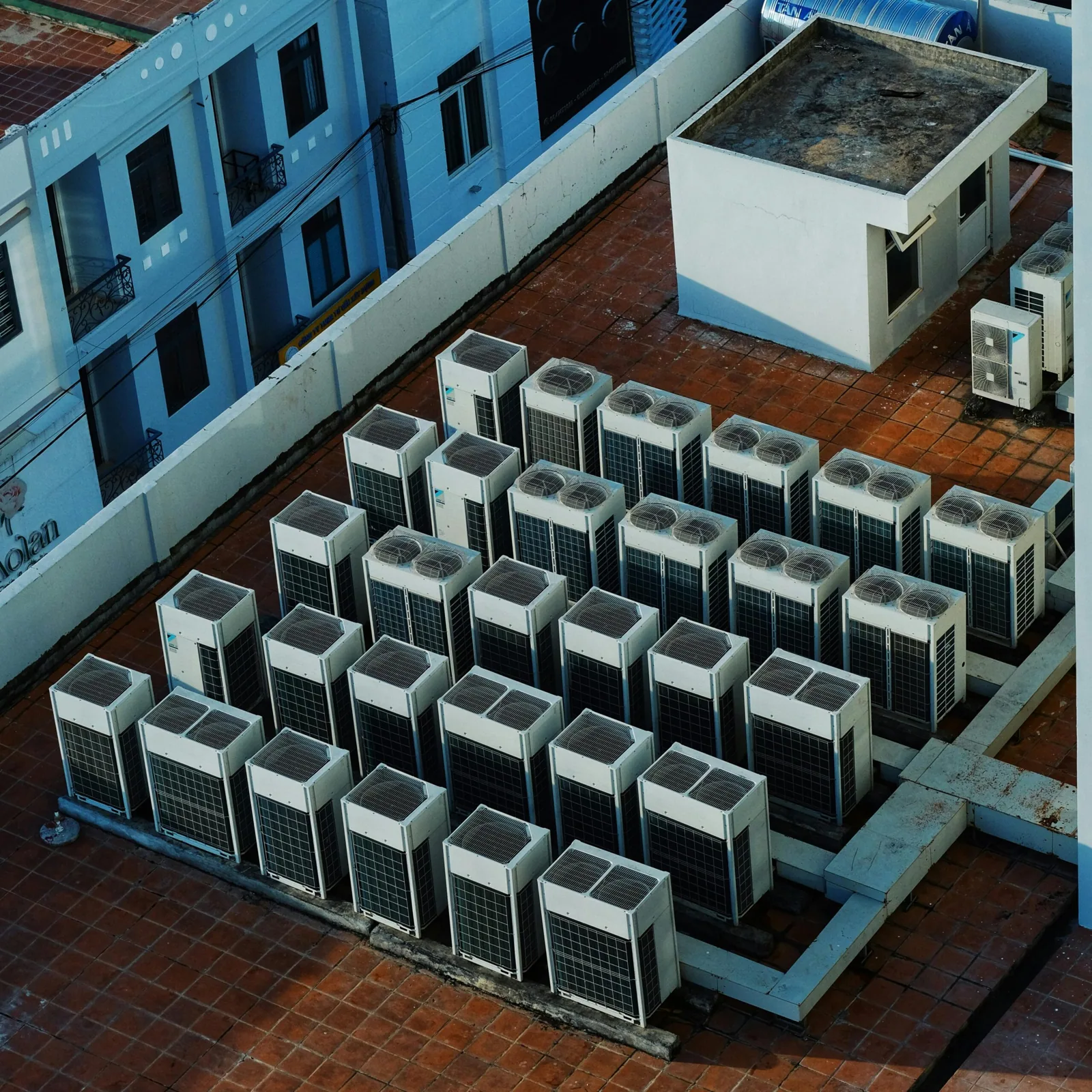
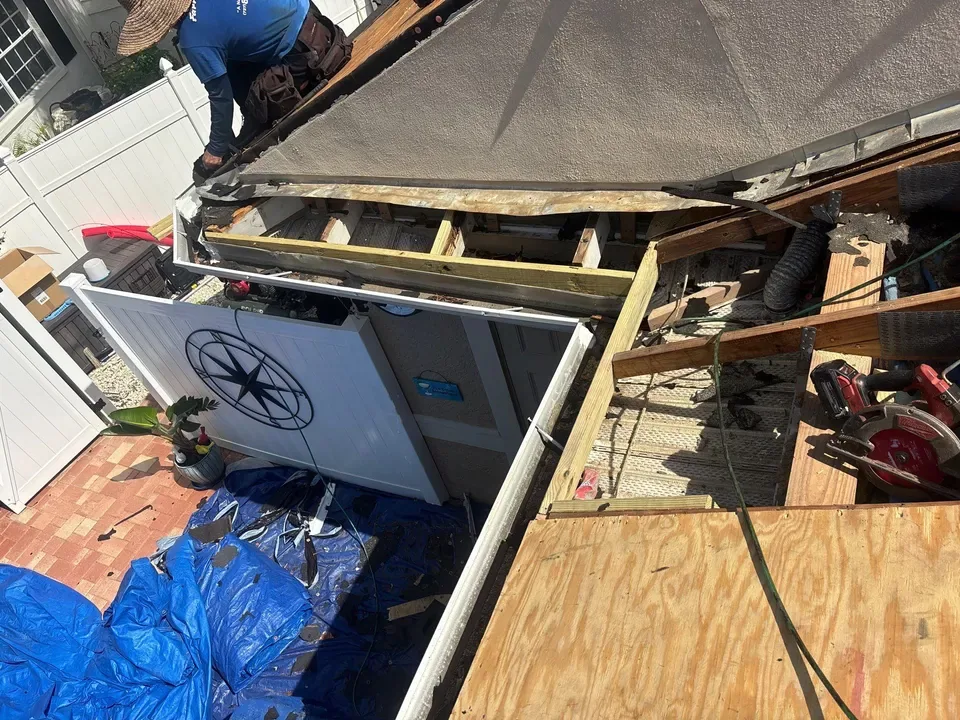
We examine cleats, fasteners, splice plates, joints, corners, end dams, and the substrate that receives the attachment. The repair must account for the actual metal profile and the wall or deck condition beneath it. A loose cover can be a symptom of failed attachment, corrosion, movement, or an earlier incompatible repair. We do not secure a visible edge without checking the adjacent membrane termination and the direction water should drain. A condition report can show which lengths need repair and where the inspector could not safely reach. The property contact confirms where lifts or staging may be placed. If metal replacement affects the roof membrane, the scope identifies the tie-in and the daily close-in point, so the building is not left with an open edge at shift end. A long parapet can include outside corners, inside corners, transitions, expansion joints, and changes in wall height. Each change interrupts a straight run and needs a fitted detail that sheds water without locking movement into a single seam. We measure the profile and joint spacing in the field instead of assuming every elevation uses the same piece. If the original cleat is concealed, removal reveals whether it can be retained or must be replaced. The owner receives the measured limits and any condition that cannot be confirmed until the metal comes off. That keeps the order quantity tied to the roof walk and avoids treating a corner as ordinary linear footage.
Can the existing gutter remain?
A gutter can be retained when its slope, attachment, seams, outlet, and discharge path remain serviceable. We look for standing water, overflow marks, loose hangers, separated joints, and corrosion that changes how the section carries water. A blocked downspout may require a plumbing or exterior-drainage trade rather than a roofing repair. The drainage review can distinguish a roof opening from a conductor problem. If a roof edge has been patched repeatedly, we compare localized metal work with a longer replacement length that reduces concealed joints. In the Southeast Industrial Focus Area, coordinate deliveries and staging with the building contact before lifting coping or gutter sections. We confirm that with the site contact and maintain a safe route for the crew and building users.
How is an edge repair phased?
The plan names the building elevation, affected length, material profile, access equipment, tenant notice, and areas that must stay open. Before removal, the crew protects the roof field and any equipment near the edge. We inspect the exposed substrate and stop for approval if it differs from the scope. New metal is measured, formed, and joined to preserve the intended drainage path and connect to compatible flashing. Weather and safe access determine when a section can be opened. A phased work plan can help coordinate activity around occupied areas, while the actual site rules come from the manager. The handoff records completed lengths, remaining sections, and any temporary protection before equipment is moved to another staging point.
How should metal and membrane details meet?
The transition depends on the existing roof material, metal profile, wall surface, and movement at the edge. We identify dissimilar materials and use a compatible flashing method rather than relying on exposed sealant to bridge a moving joint. Corners and terminations need formed pieces or detail work suited to their geometry. If an edge is part of a larger membrane failure, a roof repair assessment can review adjacent seams and penetrations before a partial scope is chosen. The City zoning layer distinguishes Commercial Manufacturing and Manufacturing Park designations, but land-use categories do not reveal the roof assembly at a property. Field inspection and records establish that. We note each unknown, including concealed wood, concrete, or metal substrate that cannot be confirmed until the old detail is opened.
What belongs in the edge-metal closeout?
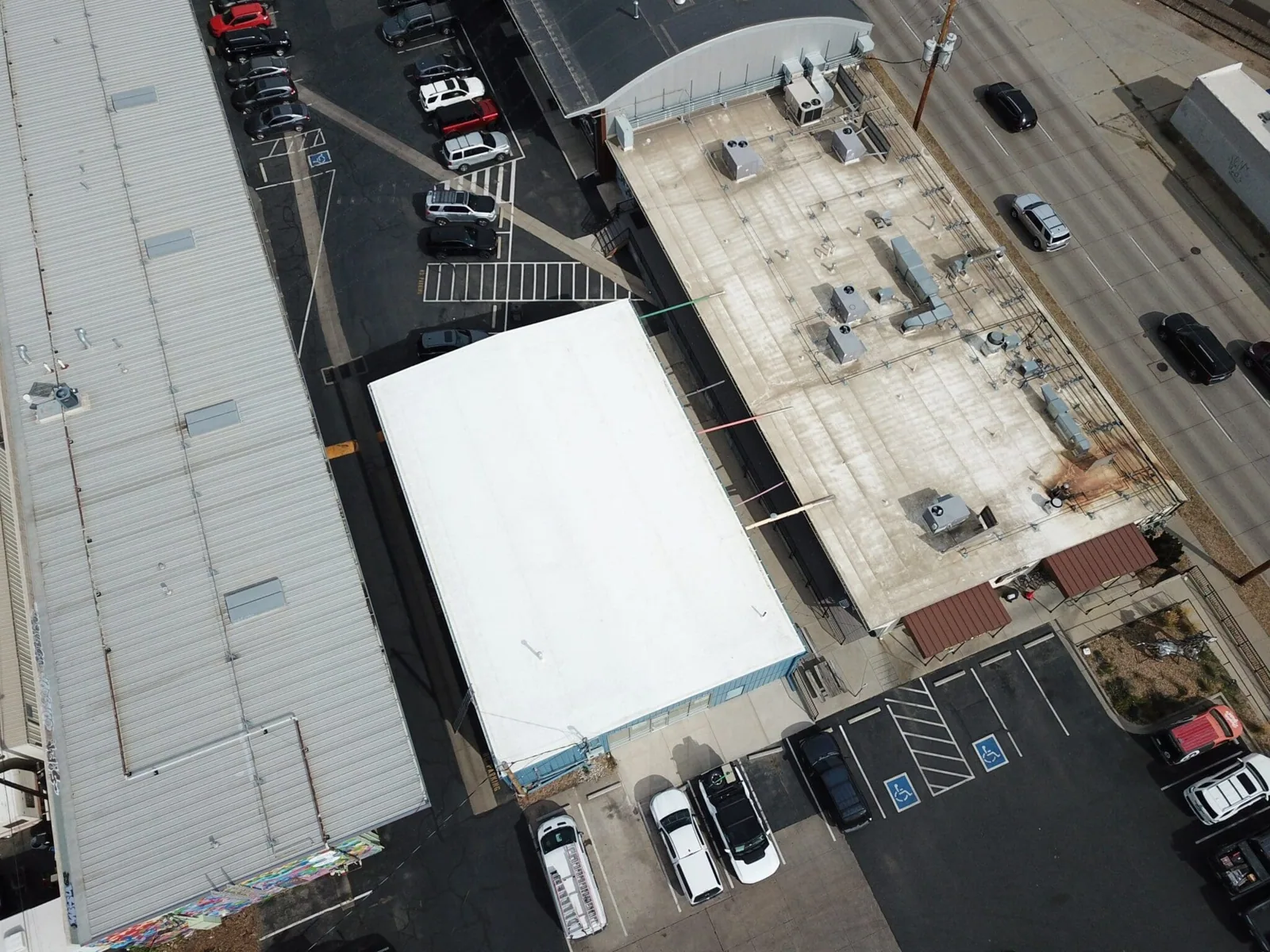
Closeout notes should identify each repaired elevation, metal profile, joint, attachment method, membrane connection, and any area left for later work. Photographs before removal and after installation connect the repair to the map. The manager receives maintenance guidance for debris, loose metal, open joints, and discharge points. A maintenance visit can check those locations after service work or a weather event. When another trade needs a route near a roof edge, the access contact should confirm the route and protect the completed flashing. We also record any gutter or conductor condition outside the roofing scope so it does not disappear from the building file. The final handoff names a contact for a changed condition and identifies the next inspection point. For a long repair, the map can divide the elevation into completed and deferred lengths so later work picks up at a known joint. The property contact can compare those locations with exterior observations after rain and report any new separation with a photograph and date. That record is especially useful when a façade trade, sign contractor, or mechanical technician will return to the same edge. We note who coordinates the next roof access and which completed areas should not be used as a tie-off or staging point without approval.
Commercial Roofing Questions
Can loose coping be fastened back in place?
The attachment, substrate, metal profile, and adjacent flashing need inspection first. The repair scope should identify why the section moved and how the connection will be restored.
Does a roof gutter repair include a downspout?
The proposal names the gutter section, outlet, and any conductor work included. A blockage below the roof line may need a separate trade and access plan.
Why does the crew inspect membrane beside the metal?
Water can enter where a roof termination meets the edge. Checking the adjacent membrane shows whether the repair stops at metal or must include a compatible flashing tie-in.
What can change the repair boundary?
Concealed substrate damage, corrosion, unsafe access, or an incompatible prior patch can require a revised scope. The manager receives the finding and approval request before extra work proceeds.
What information helps schedule an inspection?
Provide the Fullerton address, roof plan, affected elevation, leak reports, access contact, loading rules, and any known lift restrictions. We can set a safe inspection window.