
Assess TPO roofing in Fullerton with seam checks, attachment review, drainage mapping, repair options, and a roof plan for occupied properties.
Roof leak, storm damage or an inspection coming up?
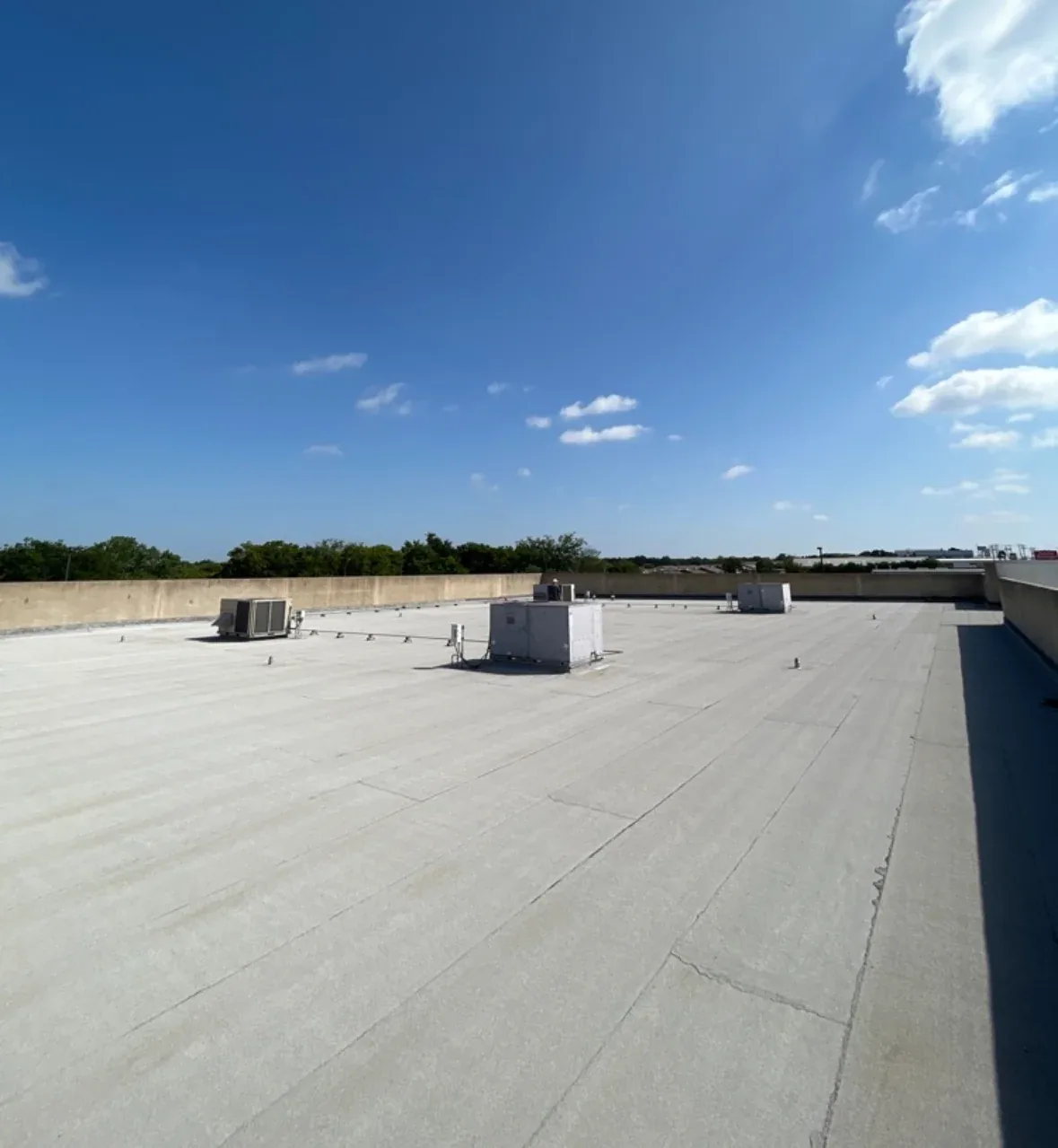
A TPO seam can look closed from the roof hatch and still need a closer check at a curb, drain, or previous patch. In Fullerton, we identify the membrane, attachment, roof sections, and leak history before deciding whether a repair, recover, or replacement scope fits. NOAA's Fullerton station lists an August mean maximum of 86.7 degrees in its 1991 to 2020 normals. That long-term heat context affects how we plan exposed work, not a reading of this roof surface. The City names the Southeast Industrial Focus Area in its planning materials, while East Orangethorpe has a separate warehouse development record. Those facts do not establish the assembly at any building. A TPO inspection begins with the actual roof map, access route, and work window.
What should a TPO seam inspection include?
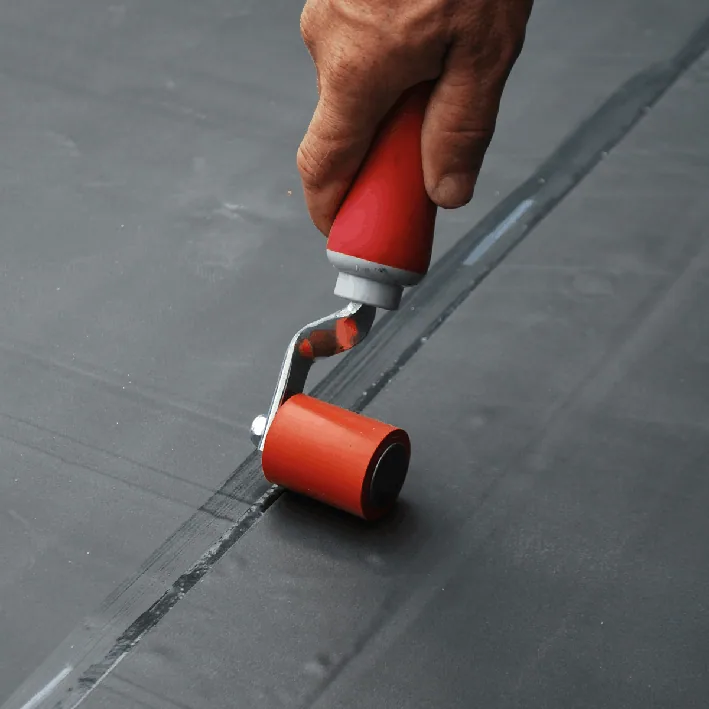
We check field welds, laps, corners, patches, terminations, and transitions to metal or masonry. A seam probe can find a discontinuity at an accessible edge, but the report also records the test location and the limits of the check. Wrinkles, dirt, ponding, or a color change do not by themselves prove a failed weld. We compare observations with repair history and identify sections that need testing or localized opening. A repair assessment can distinguish a single detail from a broader field problem. On a property near the North Industrial Focus Area, deliveries and rooftop equipment may affect where a technician can stage, but the building manager supplies the current access procedure. The map stays specific to the inspected roof. For a large roof, we divide the field into numbered sections and record the seam run, direction, and nearby detail for each observation. If a probe indicates an open edge, the technician marks its length and checks adjacent welds before recommending a repair quantity. A small sample can guide the next step, but it cannot certify untested seams or concealed conditions. The closeout notes the access limits, surface temperature or weather concern when relevant, and any area that needs a return visit after cleaning or drying.
How does attachment affect repair choices?
TPO can be mechanically attached, adhered, or used in a system that combines methods. The existing assembly determines how wind loads transfer and how a repair ties into sound material. We review available plans, fastener rows, edge details, and test information before specifying a repair. If attachment is concealed, a test cut may be needed and the owner approves the opening and patch detail. The roof report should not label an assembly mechanically attached based only on a visible seam pattern. A PVC roof review can compare membrane characteristics, while an EPDM assembly uses different seam and repair procedures. We identify material and attachment separately so the property manager can price the right scope. At perimeter and corner zones, we also note whether the detail can be inspected without disturbing edge metal or another trade’s work. Existing fastener rows, plates, or adhesive traces can inform the review, but concealed attachment still needs records or an approved test opening. The proposal should state which sections were observed, which evidence supports the assembly description, and what remains unknown. That distinction keeps a repair allowance from being mistaken for a full wind-uplift evaluation or a warranty determination.
What happens around drains and rooftop equipment?
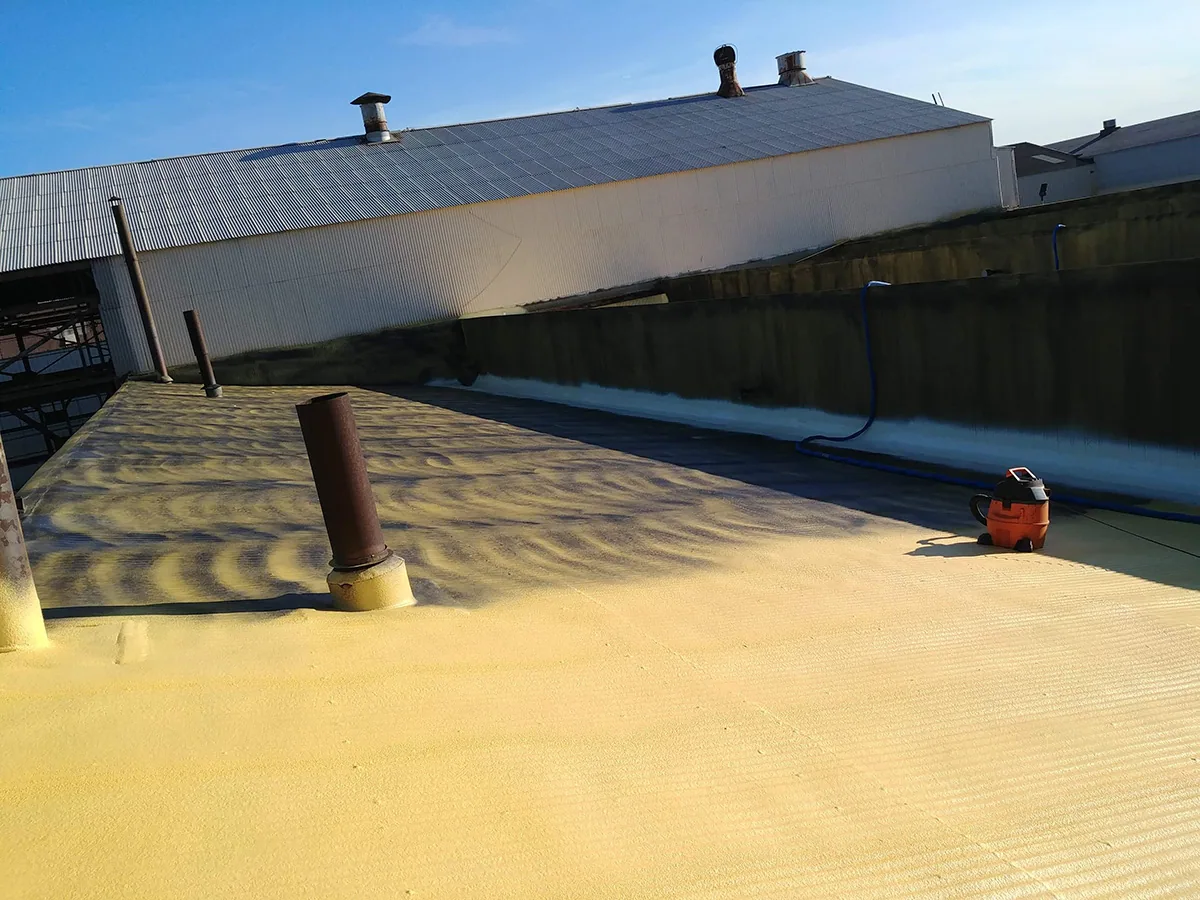
At drains, curbs, skylights, pipe boots, and parapets, the membrane has to turn, terminate, or connect to another material. We inspect those details for open corners, loose flashing, punctures, and movement from service work. A drain that sits above a low area or a curb that has shifted may require coordination beyond sheet repair. The drainage review can map an outlet problem, and a curb inspection can identify an equipment handoff. Fullerton's planning documents treat the Commonwealth Corridor as a separate district context, but they cannot tell us the number or condition of a building's roof openings. We count what is on the property and note which areas were accessible.
Can a TPO roof be repaired in place?
A localized repair can work when the membrane is identifiable, the surrounding sheet is sound, and the substrate accepts the selected detail. Preparation matters: the surface is cleaned, contamination is removed by the approved method, and the weld is checked after cooling. A patch over loose or wet layers can hide rather than correct the problem. Where repeated leaks or widespread seam issues appear, we compare repair quantities with a larger assembly scope. The property type matters to staging: a manufacturing building may have operating zones or sensitive equipment that affect access. A separate City approval concerns warehouse development along Orangethorpe Avenue; that planning record offers no evidence about a customer's roof assembly. We set repair boundaries from the field findings and owner approval.
How do heat and access change the work window?
Weld quality and crew access depend on the surface condition, equipment setup, wind, and the material manufacturer's instructions. Fullerton's August climate normal is useful when planning seasonal exposure, but the live conditions decide whether a roof section can be prepared and closed that day. We set a staging point, tenant notice, equipment route, and daily close-in boundary before opening the membrane. If the forecast changes, the foreman records what is finished and how the exposed area is protected. For an array proposal, a solar-ready review can identify penetrations that should be coordinated before new work. The manager receives the next safe inspection point rather than a schedule promise that ignores weather or access. Before mobilization, the crew confirms where power and hot-air equipment can be placed, how materials reach the roof, and whether work must pause for tenant operations. The daily plan identifies a dry, secure stopping boundary and the person who verifies it before the crew leaves. If conditions prevent a weld test or final detail check, that item stays open on the punch list. This record gives the facilities contact a clear handoff instead of treating a partially prepared section as complete.
What should stay in the TPO roof file?
Keep the membrane identification, attachment notes, repair map, photographs, test results, and closeout details with the building record. A later technician should be able to locate the repaired seam and see what preparation and material were used. If the roof has moisture questions, the condition report can show tested and untested areas. A separate manufacturer reference may help locate system documents, but it does not establish a contractor relationship or warranty term. Before another trade installs equipment or makes an opening, the manager can provide the roof detail and assign a contact for flashing. The final handoff lists open items, maintenance instructions, and who should receive a changed-condition report.
Commercial Roofing Questions
Can an old TPO membrane be welded to a new patch?
The crew identifies the sheet and checks whether the existing surface can be prepared for a compatible weld. Contamination, weathering, and prior coatings can change the method or require a test.
Does a TPO seam probe confirm the entire roof is sound?
A probe checks accessible seam edges at the tested locations. The report marks those points and lists areas that were not checked or need another inspection method.
Can TPO be coated instead of replaced?
Coating eligibility depends on membrane condition, adhesion, moisture, and system compatibility. We inspect and test representative areas before comparing restoration with replacement.
What can cause a TPO repair to be delayed?
Wet surfaces, contamination, wind, temperature, access limits, or an unexpected layer can affect preparation and welding. The manager receives the hold condition and close-in status.
What should I send for a TPO inspection?
Provide the Fullerton address, roof plan, repair history, leak locations, access rules, and any available membrane or installation records. We can map a focused inspection scope.