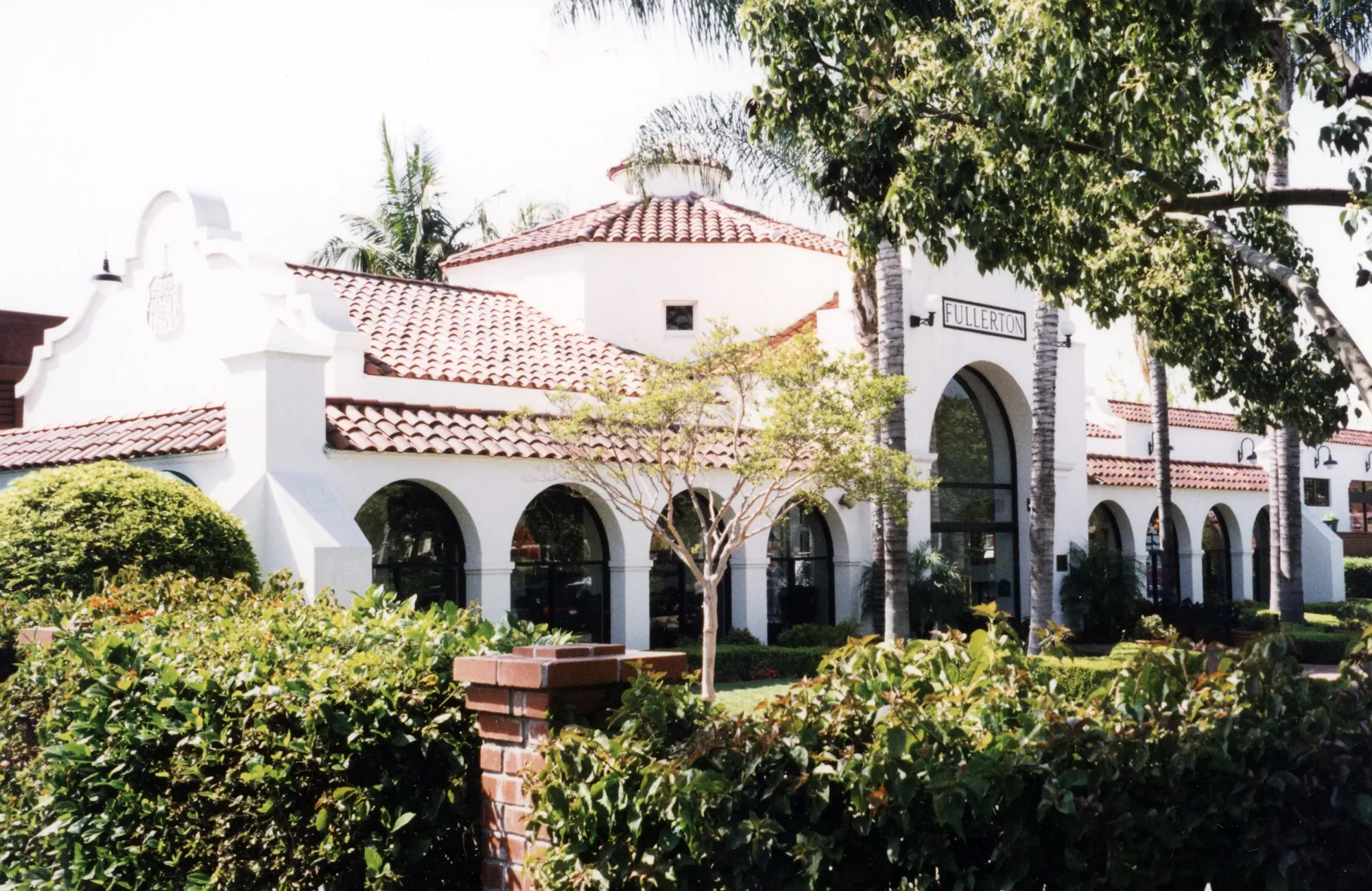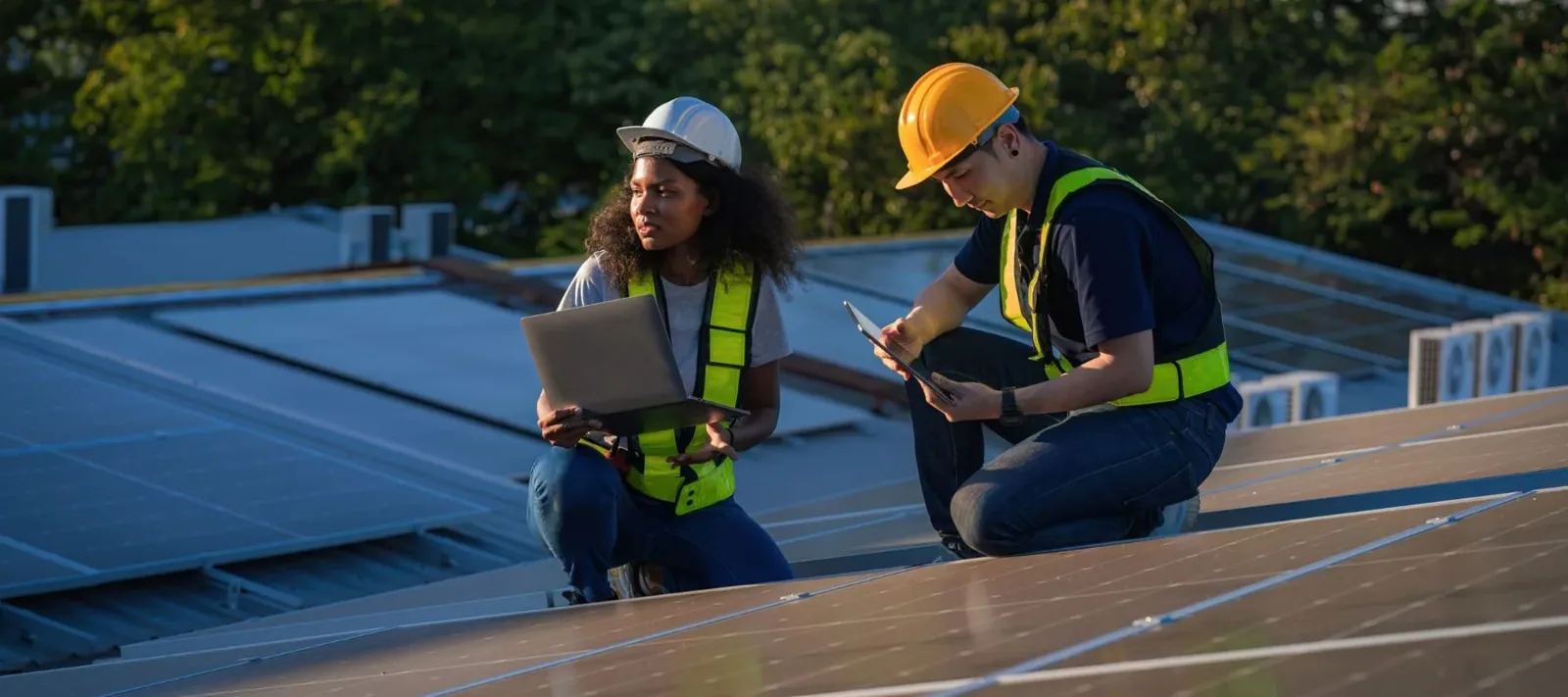

Get a Fullerton commercial roof report with mapped photos, observed conditions, repair priorities, access limits, and clear next steps for the property team.
Roof leak, storm damage or an inspection coming up?
An occupied office can keep a roof hatch closed through the first access window while tenants settle in below. The property manager coordinates an escort, a room contact, and the time when a crew can move across the building. For a commercial property in Fullerton, CA, our condition report links roof observations to a plan, photographs, tested details, and next decisions. It distinguishes what was seen from what needs a closer check. At retail and mixed-use properties in the Harbor Gateway Focus Area, we identify the roof section, access route, and manager contact before tying a finding to a work order. We ask for the property's actual access route and operating hours before arranging the survey, then identify the area the report will cover.
What questions should the report answer?
The report should tell the owner which roof sections were inspected, what condition was observed, whether a test was performed, and what action follows. We identify the assembly where it can be confirmed, locate visible damage, and note areas blocked by equipment, unsafe access, or weather. A commercial roof inspection can establish that baseline with a field walk and roof plan. If the purpose is a leak response, the report also maps the reported room separately from the likely roof entry. The reader should be able to tell whether a finding needs a repair scope, a moisture check, a maintenance visit, or monitoring without reading a photo as a conclusion.
How do photographs become useful evidence?
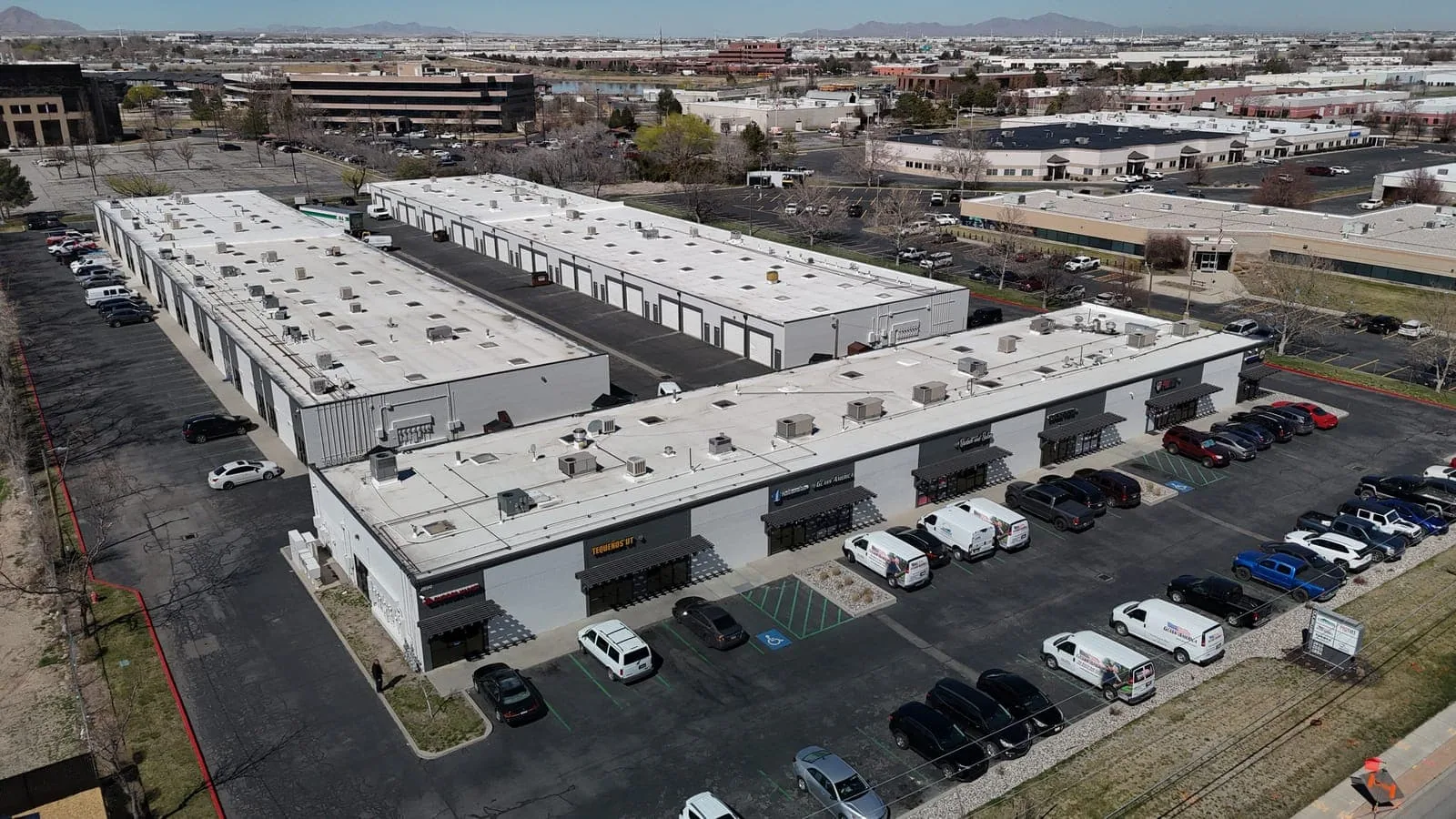
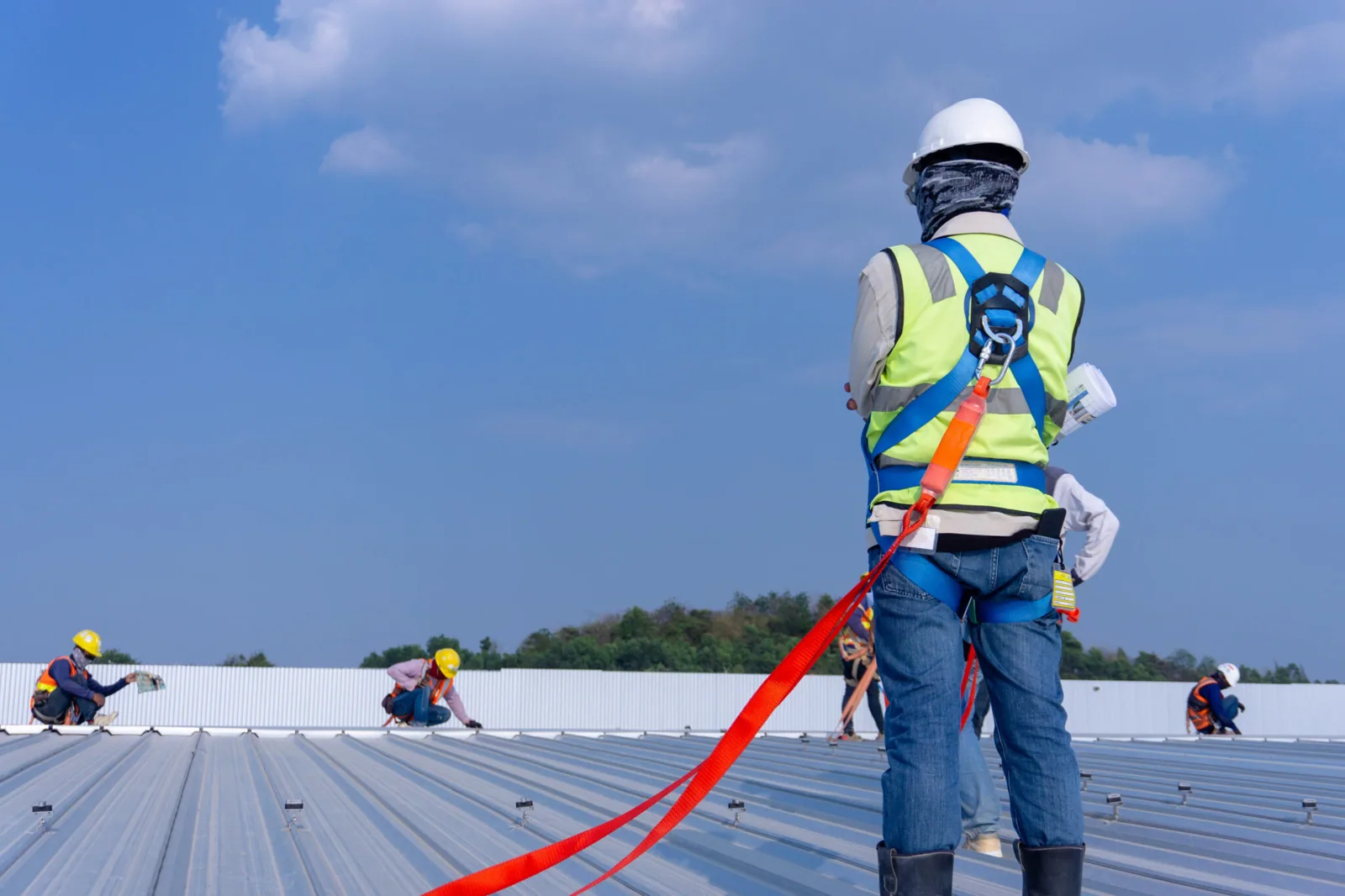
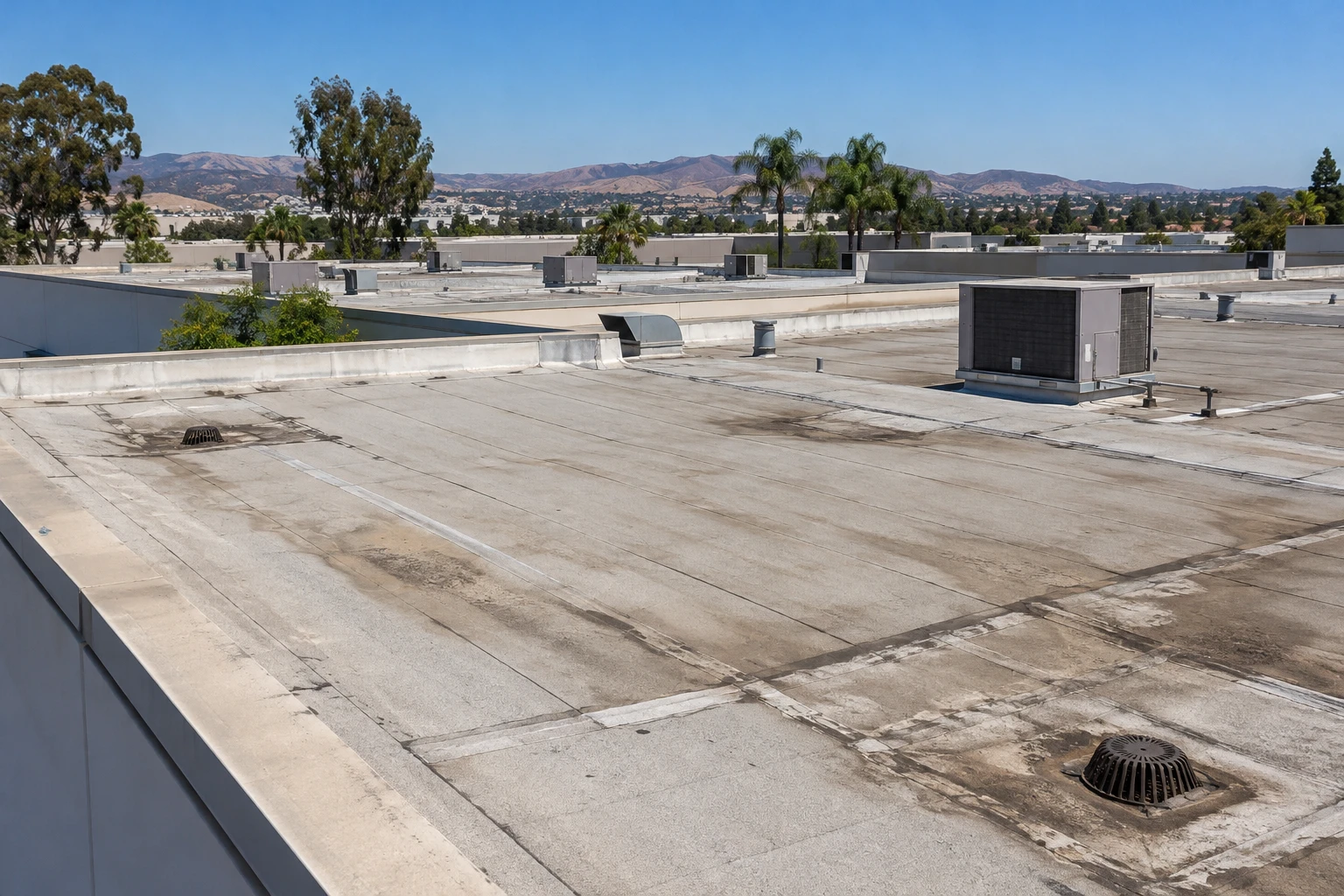
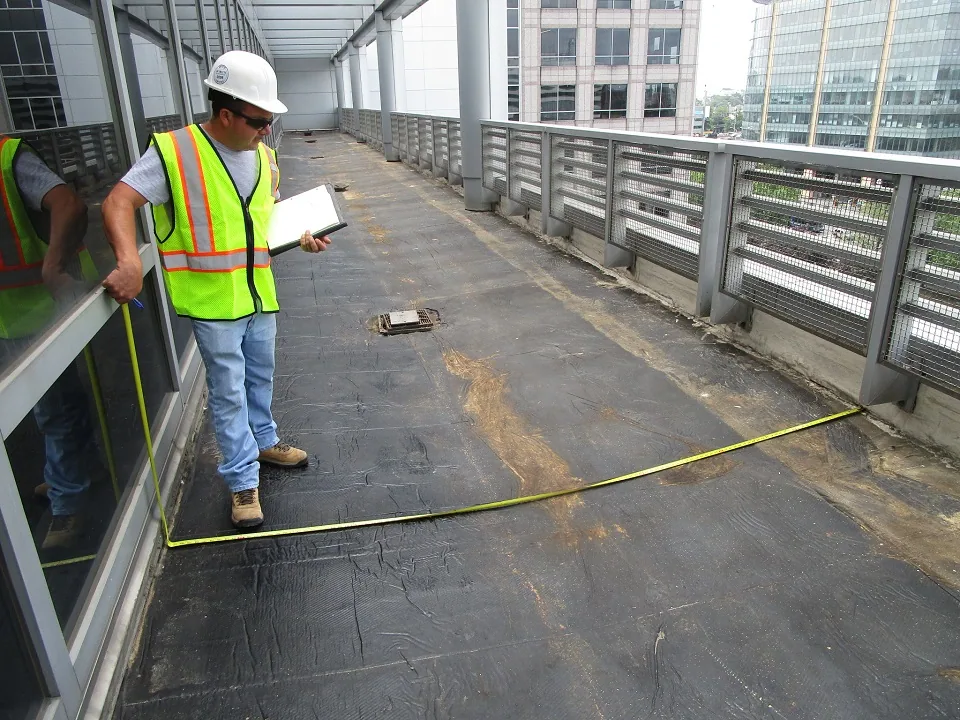
Each photo needs a location, direction, date, and relationship to the roof plan. A close view can show an open seam or loose termination; a wider frame places it beside the drain, curb, or roof edge. We avoid combining unrelated defects in one caption. The report labels each image as an observation, test result, completed repair, or area not reached. A drone roof survey can record broad surfaces when flight and site conditions permit, while hands-on review checks details that a distant image cannot confirm. If the property team needs a condition trend, a roof asset register can connect the report to the building's earlier inspections and repair history.
How are findings separated by urgency?
We sort findings by exposure and decision needed. An open detail above an occupied room may need protection or a prompt repair; a dry surface blemish may need only a comparison at the next visit. The report states why the item has that status and who can authorize the next step. It also distinguishes a confirmed leak path from an area that should be tested. The owner can see where temporary protection ends and permanent work begins. A capital plan can use the findings to compare a repair with a larger project, but the report remains tied to the sections actually inspected. Missing access or unanswered records are listed as separate conditions, not silently treated as sound roof.
Each recommendation names the action, roof location, approval contact, and next review date. An active opening may need temporary protection before a permanent scope can be priced. A monitored area needs a stated observation or weather trigger. If quantities depend on a test, the report keeps that decision open instead of presenting the number as confirmed work. This format lets operations, ownership, and finance see the same roof condition with the next responsibility attached.
When is moisture testing appropriate?
Surface observations cannot reveal every wet layer. We use infrared or other suitable methods when the roof, weather, and assembly support a meaningful reading, then mark the tested area and any limits. A moisture survey may identify a zone for verification, but an opening or core sample can still be needed before removal quantities are set. The report ties each result to a roof section and says whether it is measured, inferred, or awaiting confirmation. A manager can then compare the findings with interior leak notes, prior repairs, and drainage paths. That chain matters if an owner is deciding whether to patch, remove wet insulation, or hold the area for additional testing.
What local context belongs beside a roof finding?
The City maps Harbor Gateway on both sides of Harbor Boulevard, from the 91 Freeway north to the railroad. We mark the roof sections reached, record the access route, and connect each finding to the building plan. Our report names the building address, marks the areas reached, and records observed materials, access limits, and open tests on that property's plan. The Southeast Industrial Focus Area is another broad Fullerton geography, with distinct parcels and transportation access. At each property, we confirm the hatch, delivery path, and approval contact before the crew crosses onto the roof. If a recommendation may require a permit or design review, the owner can confirm that question with the City before authorizing construction.
How should the report reach the right people?
A report is easier to act on when its audience is agreed before the inspection. The property manager may need a concise decision list, while facilities needs roof locations, safety notes, and maintenance detail. We confirm the recipients and the person who can approve testing or repairs. In the Southeast Industrial Focus Area, City planning materials describe access from SR-91, SR-57, and rail; the building still controls delivery and visitor access. We state those restrictions in the scheduling record, then deliver the report with its plan and photo index. If another trade must inspect a deck or equipment curb, the handoff names that trade and the section to review.
What follow-up should the report assign?
Every recommendation should name the next action, its responsible contact, and the condition that would change the work. A roof repair receives a defined boundary and closeout test. A monitored detail gets a comparison date. An area not inspected receives a return visit or an access decision. The due diligence survey can use a similar record structure for a transaction review, while a multi-site program can keep reporting consistent across separate addresses. We attach the final photos and findings to the property file and state what remains open. That gives finance, facilities, and ownership one record to use at the next decision point.
Before release, we check that image captions match their map labels and that recommendations point to the same roof section shown in the photographs. The manager confirms the recipients and marks any repair, test, or access decision that needs an approval date. If another trade owns the next step, the report identifies that handoff and the information it needs from the roofing visit. An unresolved area stays visible in the closeout instead of disappearing behind the completed work.
Commercial Roofing Questions
Can the report confirm the source of an interior leak?
A confirmed source requires a roof finding or test that connects to the interior condition. We map the reported room, inspect nearby roof details, and label what is verified separately from what still needs testing.
Will every roof area be included?
The report lists the sections reached and identifies any blocked, unsafe, or excluded area. The property contact can approve a return visit or provide another access window for the remaining roof.
What makes a photo report easier to use?
A roof-plan reference, direction, date, and clear caption let the reader find each detail. We group images by section and distinguish an observed condition from a repair or test result.
Can the report support a repair approval?
A repair recommendation should identify its location, material, quantity basis, and any open test. We can prepare a separate scope from the report so the approval boundary is clear.
Who should receive the final report?
The owner or property manager names the distribution list before the visit. Facilities, finance, and operations can receive the sections relevant to their decisions, with one contact assigned to coordinate questions.