
Plan commercial roof repairs and replacement timing in Fullerton with condition evidence, access constraints, phasing choices, and clear approval steps.
Roof leak, storm damage or an inspection coming up?
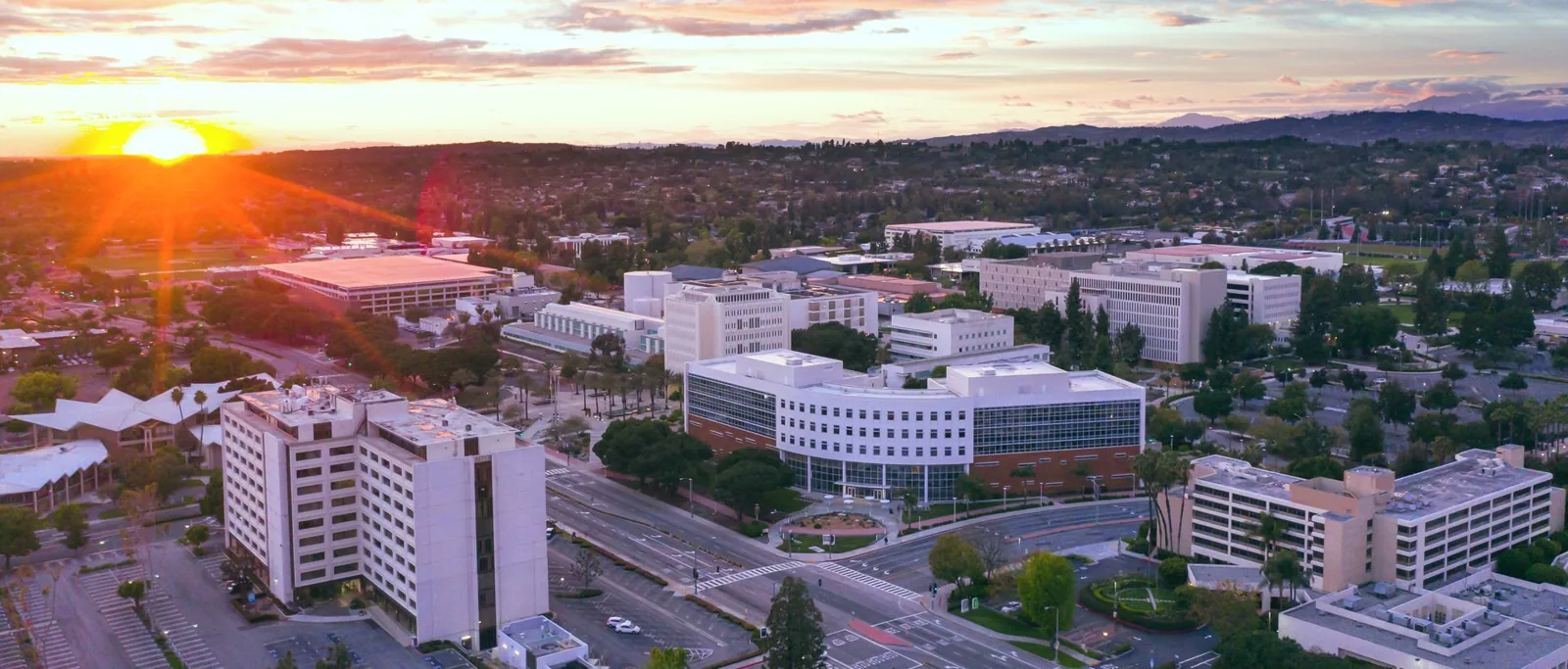
A warm roof above an active entrance can make a capital visit a coordination problem before the scope reaches finance. The property manager needs to line up a safe inspection, the building's operating hours, and the records that explain prior work. For a commercial property in Fullerton, CA, we connect field condition to a repair or replacement decision, then identify what must be funded first and what can remain under review. At Downtown Fullerton, Central Business District guidance addresses rehabilitation materials and streetscape elements. Those requirements may affect visible components and procurement timing. We document the project contact and review step beside the roof work so a budget date does not assume an approval that has not been scheduled.
Which evidence should support a capital request?
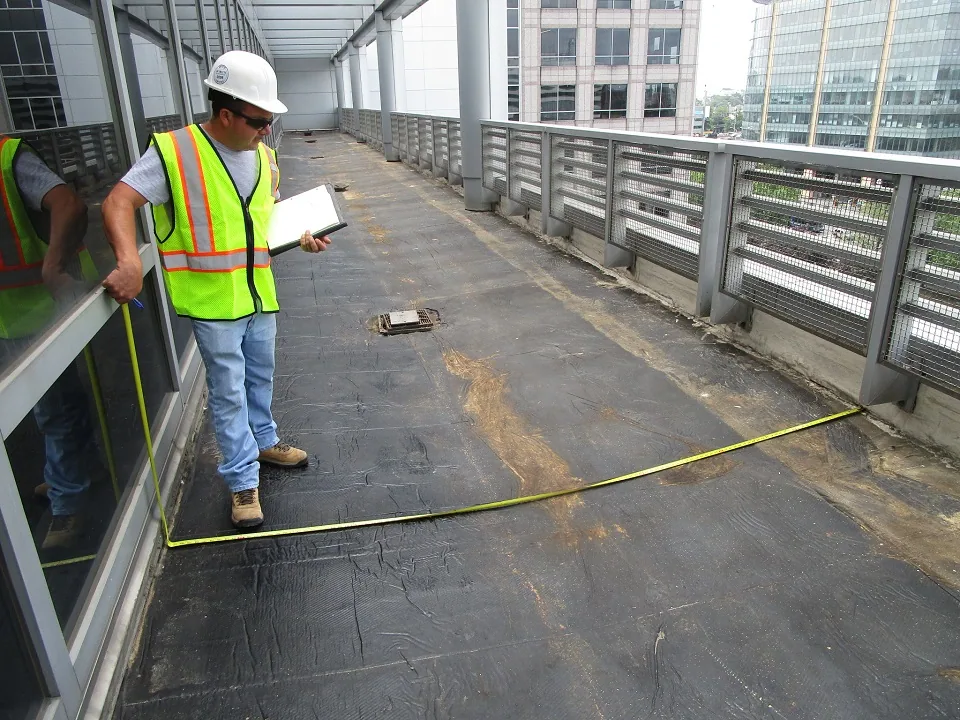
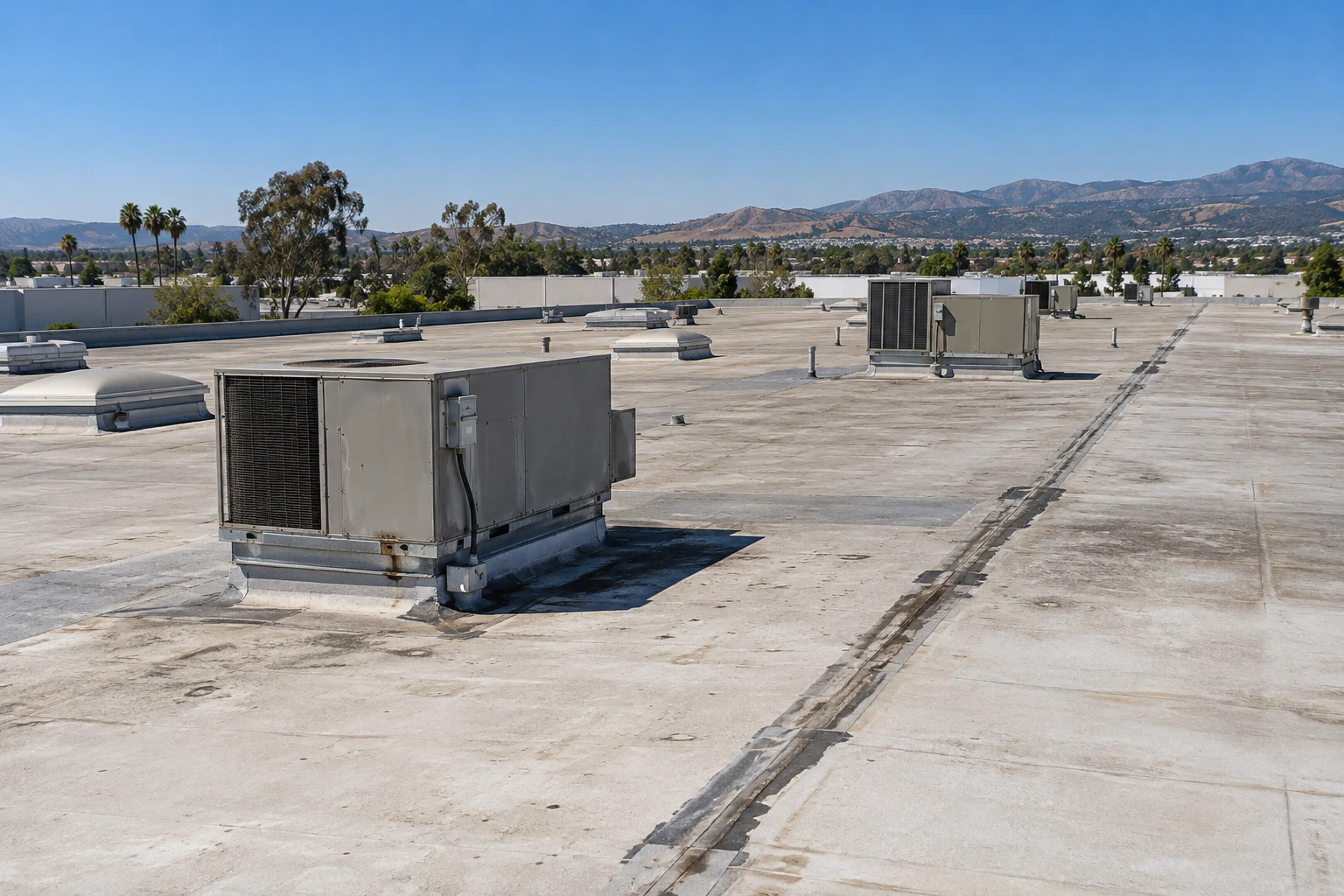
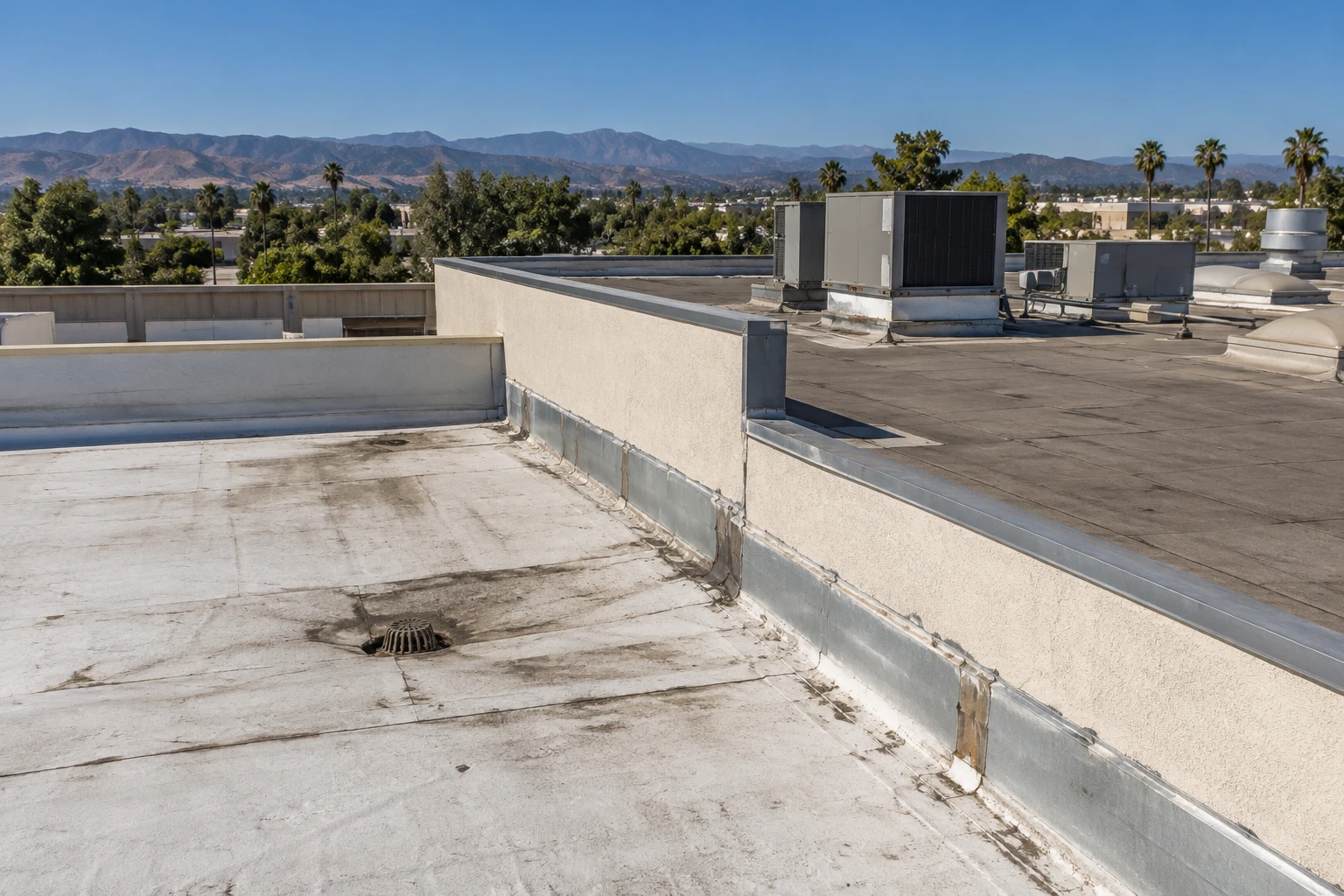
A capital request starts with roof sections, not a single condition label. We document the membrane, seams, flashing, drainage, penetrations, visible repairs, and areas that need testing. Photos show scale and location on the plan, while the written scope separates confirmed work from an opening or moisture check that has not yet been approved. A commercial roof inspection can establish the current baseline. If a leak is active, the immediate repair is listed separately from the larger capital question. The manager can then explain what is known, what remains uncertain, and which decision date depends on a field follow-up. Finance receives the same boundary the crew inspected.
When does repair remain the practical option?
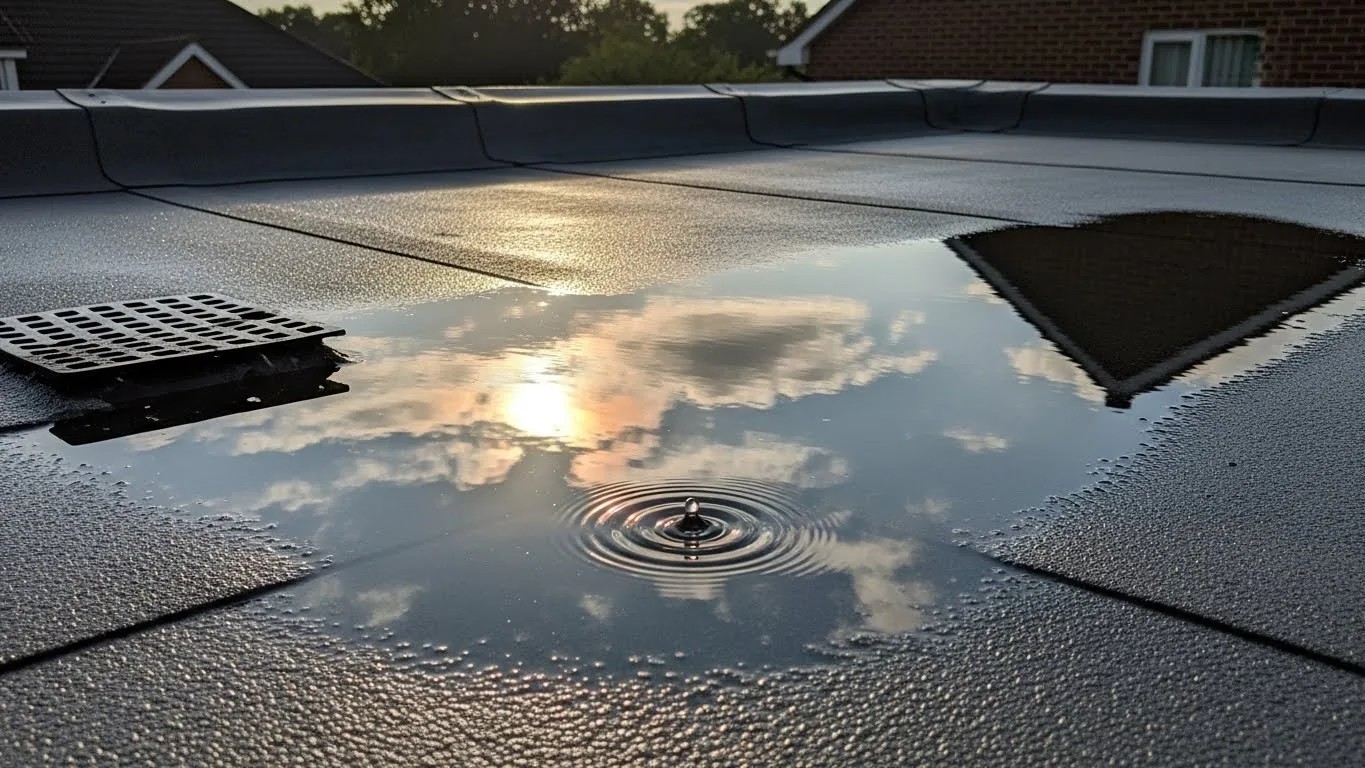
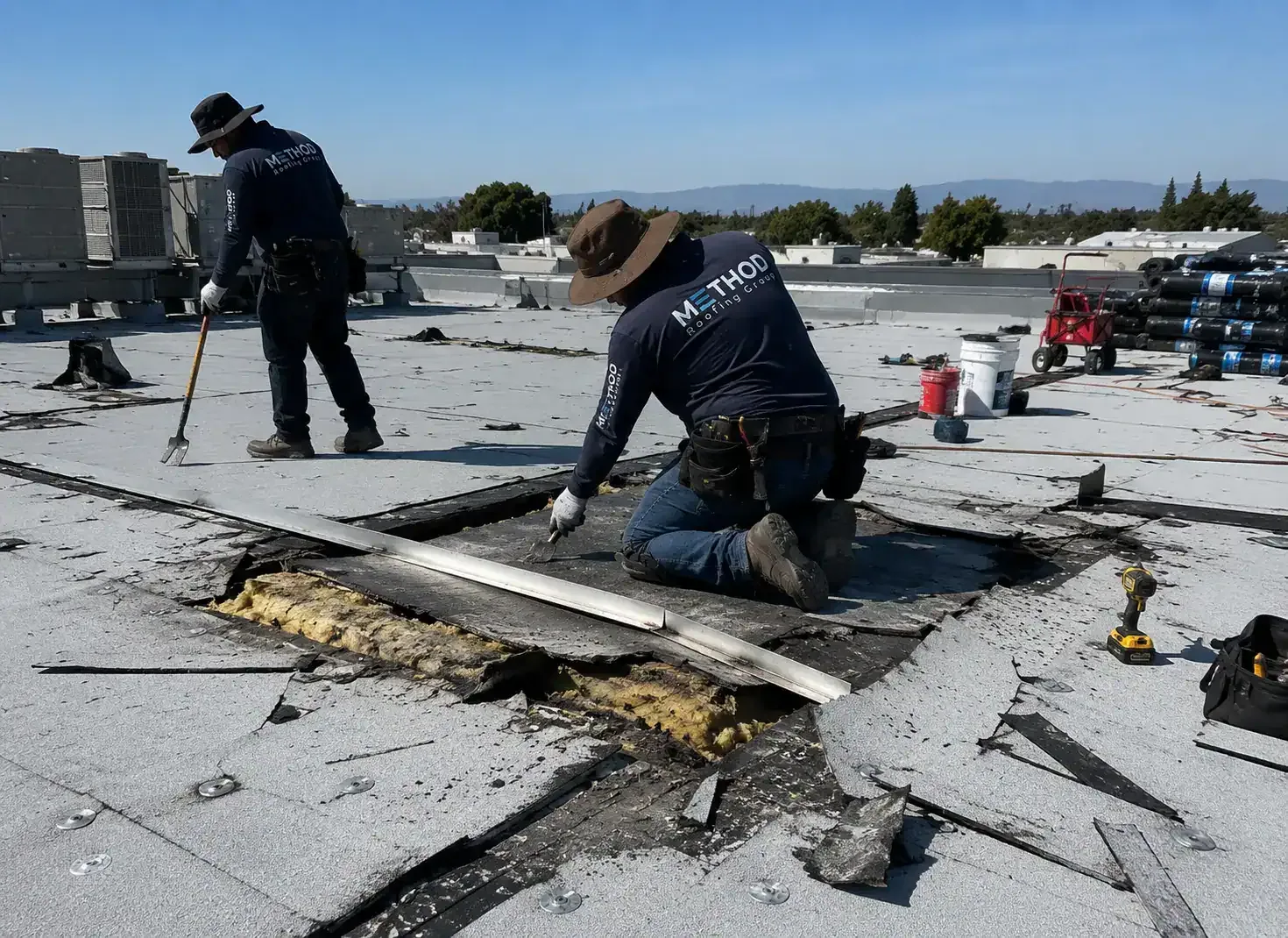
A localized repair may suit an assembly with a contained failure and sound material nearby. Replacement becomes a stronger candidate when failures repeat across many sections, moisture extends beyond the repair area, or the existing roof cannot accept a compatible restoration. We map both findings and identify any test needed before the comparison is complete. A drainage condition review or seam inspection can clarify the cost and limits of a repair alternative. The estimate separates immediate protection, repair, restoration, and replacement as distinct decisions. It does not use one leak or one photo to set a capital schedule for the entire property.
How should replacement timing be staged?
Sequence starts with the roof areas that have the least flexibility: active leaks, failing transitions, or sections above sensitive operations. We identify a phase boundary, temporary protection, material delivery point, and the person who can approve moving into the next area. A replacement scope can be divided by roof section if access, tenant hours, or equipment shutdowns require separate work windows. A property near the Orangethorpe Avenue corridor still has its own gate and receiving schedule; those separate development entries do not set that property's access. The manager aligns the work sequence with its budget cycle and operating calendar, then confirms which date controls mobilization.
Each phase has a start condition, such as a dry surface, approved equipment shutdown, completed moisture test, or delivery confirmation. The manager sets how long a roof section may stay open and who receives the close-in update. If work crosses active tenant space, we separate the crew route from deliveries and brief site staff before mobilization. The schedule notes which hold can move the next phase, allowing the funding approval to match an operating plan.
What should be included in the budget comparison?
Compare the same work boundary across each option. A repair allowance should show preparation, materials, testing, access, and any interior protection separately from replacement. A replacement alternative should identify removal, deck or insulation assumptions, drainage work, equipment coordination, and the expected phasing. We state which quantities came from field measurement and which require an opening or design review. That makes the remaining uncertainty visible to the capital committee. An approved industrial warehouse project on East Orangethorpe and a separate mixed-use proposal near Brookhurst and Orangethorpe are distinct corridor developments. Neither establishes access at another building; the owner still needs a property-specific delivery and work plan.
The owner can also group work by building, roof assembly, or available work season. Each approach changes how many site contacts, shutdowns, and deliveries must be coordinated together. We identify any area that should not wait for a planned replacement, then record its separate repair approval. If a coating or recover alternative is considered, the estimate should include the surface and moisture checks that determine whether the assembly is suitable. This helps finance compare a current repair with a later capital project without assuming that one scope will cover both.
How does Fullerton's heat affect the work calendar?
The 1991 to 2020 Fullerton Municipal Airport normal gives an August mean daily maximum of 86.7°F and 39.4 days per year at or above 90°F. Those are station averages, not roof-surface readings. We use the climate context to plan inspections and material handling, then check current conditions and product instructions for the actual work window. The Southeast Industrial Focus Area is described as Fullerton's largest industrial concentration, with large parcels and access to SR-91, SR-57, and rail. A building there may require longer equipment paths or coordinated deliveries, but the site contact confirms the actual route. We capture those limits in the capital schedule so a phased repair does not assume that every roof section can be reached on the same shift.
How can the owner keep the plan current?
Each inspection or repair updates the condition record, remaining work, approvals, and next review date. If the crew finds wet insulation during an approved opening, the capital comparison should be revised before quantities are treated as final. A roof asset register can keep that change beside the building's prior work and access information. The manager assigns an owner for each open decision, including code review, equipment shutdown, and procurement. Fullerton's 2025 California Building Code became effective with local amendments in January 2026; larger construction may need a project-specific review. We list that question as a schedule dependency and identify who will confirm it.
What does a decision-ready capital file contain?
The file should include a marked roof plan, condition photographs, scope alternatives, quantities, access notes, and the assumptions that still need verification. A condition report with photos can give the capital decision a dated inspection record. We show what remains safe to monitor, what needs immediate attention, and what can be priced after a separate test. If the owner selects phased work, the closeout lists the first section, daily close-in, and the contact who approves each phase boundary. The next review date goes on the same file, allowing a manager to compare later observations with the evidence behind the original request.
Commercial Roofing Questions
Can a roof replacement be postponed for another budget cycle?
The inspection findings and active water risks determine whether that is a workable choice. We identify temporary protection, likely repair needs, and the condition that should trigger an earlier review so the owner can set a documented decision date.
What makes a capital estimate more than a rough allowance?
A decision-ready estimate identifies the inspected sections, assembly, measured quantities, access assumptions, and work excluded. We list testing or design questions separately so finance can see what could change before procurement.
Can the project be divided among buildings or roof sections?
Phasing can follow access, tenant or production hours, and the areas that need attention first. We map each phase, delivery point, and close-in requirement, then identify the approval contact for moving to the next section.
Which roof records should finance keep?
Keep the current condition report, repair history, roof plan, alternatives, approvals, and any unresolved testing. The file should connect each cost item to the section and finding it addresses.
Does a Fullerton code change set the replacement date?
The code edition informs project review, but it does not by itself establish a roof's condition or replacement timing. We identify the scope that may need review and record the project contact responsible for confirming it.