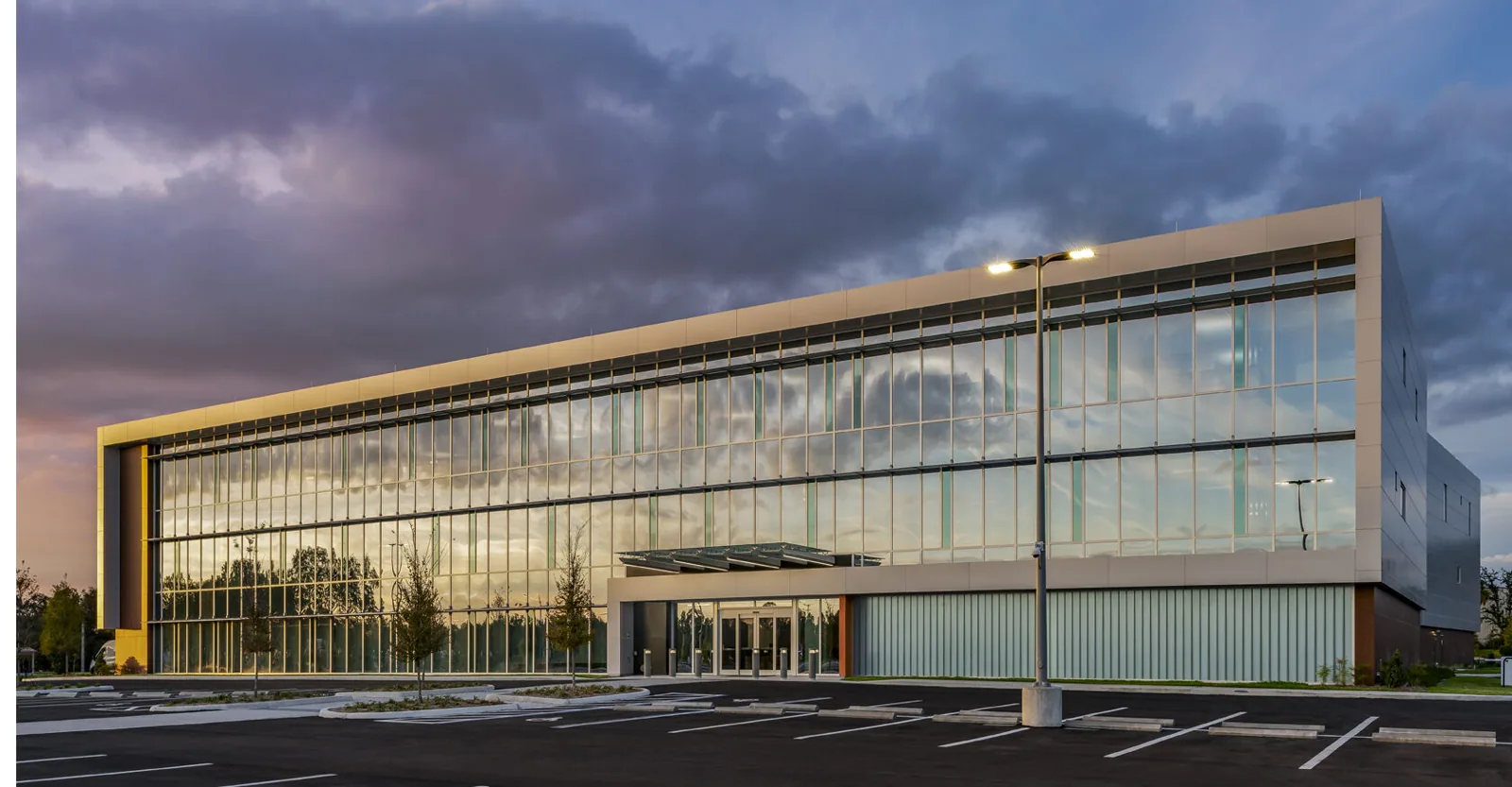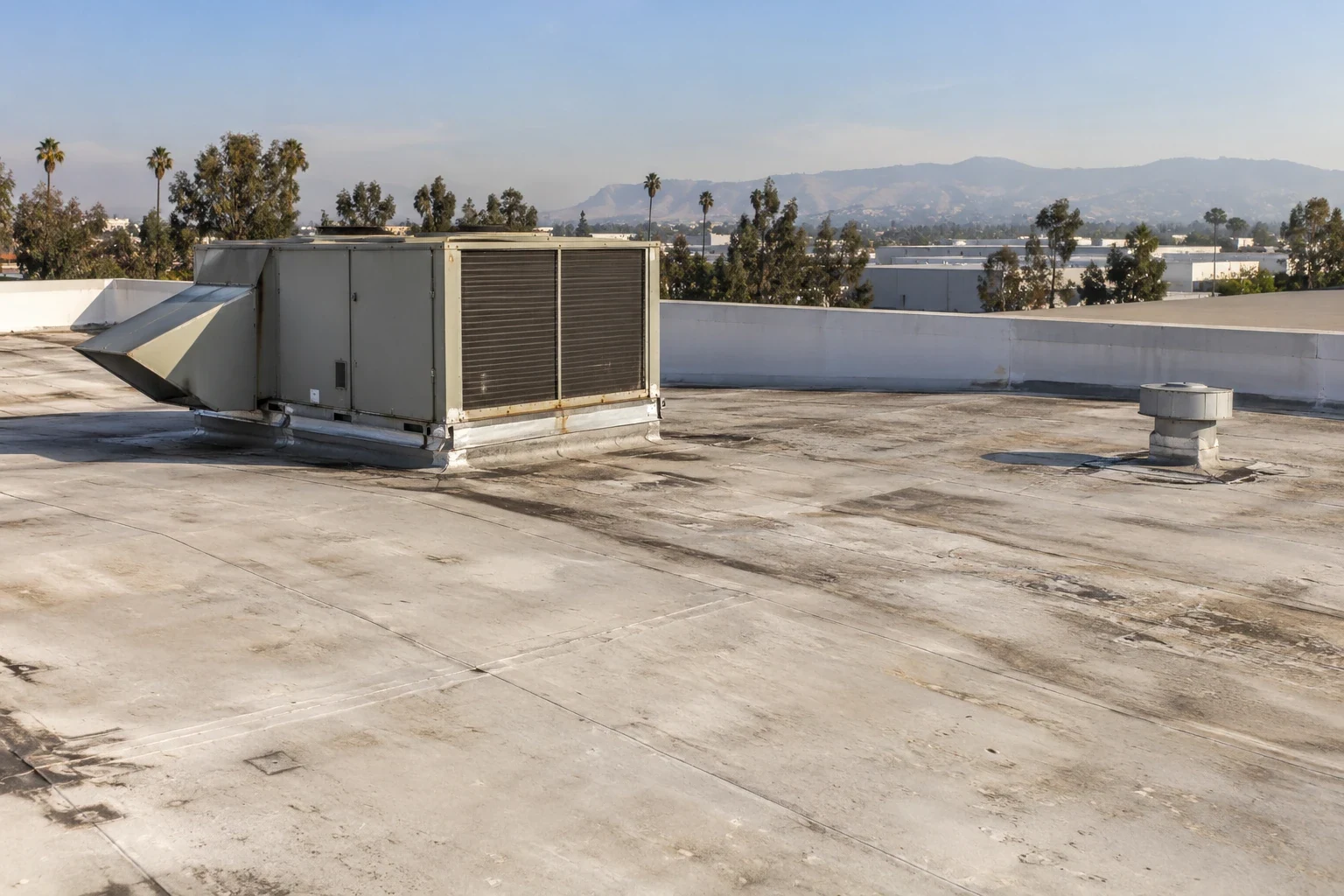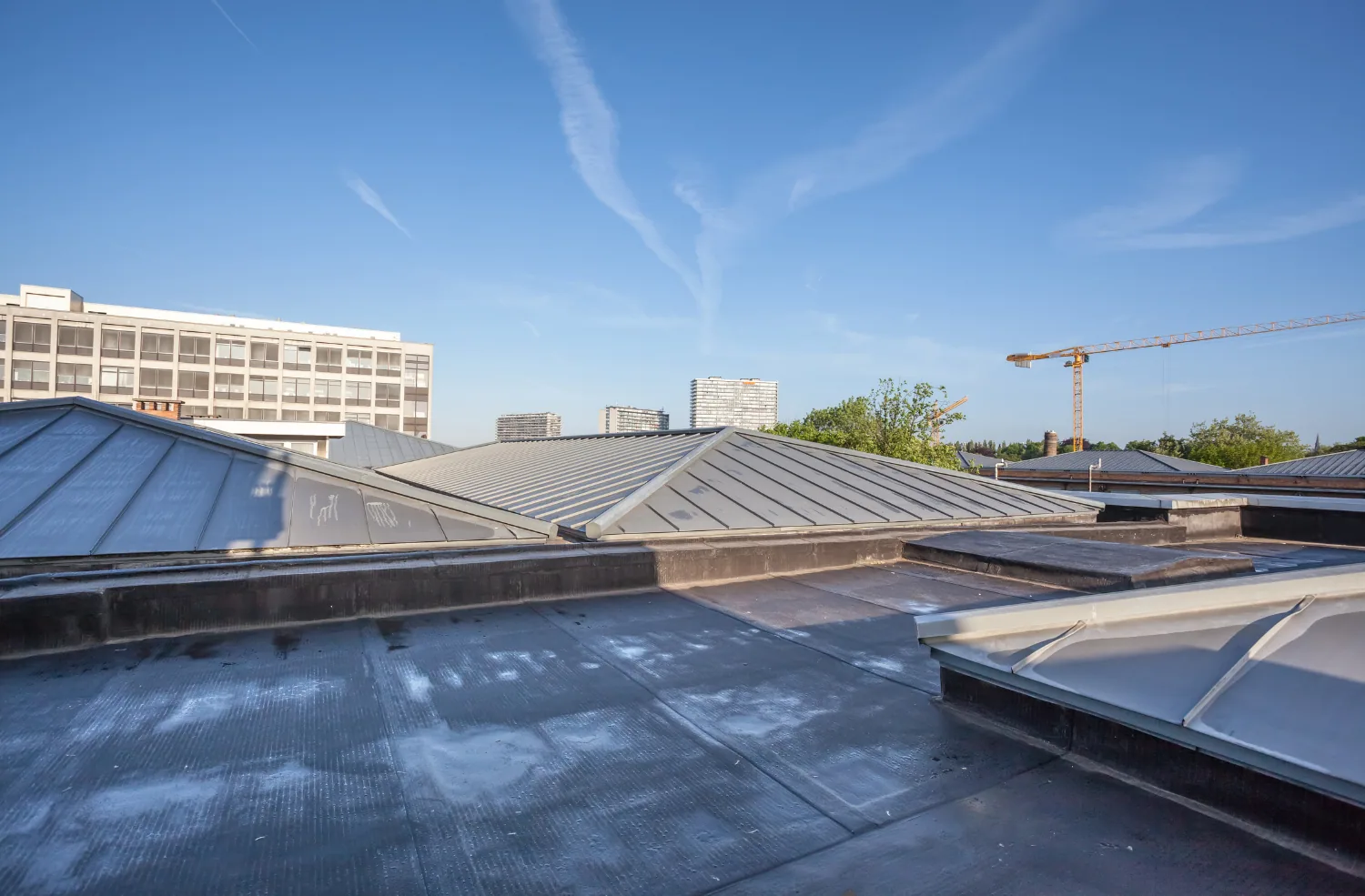

Data center roof inspections and renewal planning in Fullerton, with attention to cooling equipment, penetrations, drainage, security, and staged access.
Roof leak, storm damage or an inspection coming up?
A heat advisory can shorten a roof-access window near cooling equipment, so a data center facilities lead should settle escort, staging, and stop-work contacts before a survey begins. The inspection maps membrane seams, drains, curbs, conduit, screening, and service clearances against the equipment plan. Interior symptoms are logged by room or zone, but a ceiling mark alone does not identify an exterior opening. Fullerton's August normal mean daily high is 86.7°F, useful seasonal context when setting an exposed work window. It does not set a data center roof-surface reading. Commonwealth Corridor is planned for connected neighborhood-serving commercial uses. The Southeast Industrial Focus Area is Fullerton's largest industrial concentration, accessible from SR-91, SR-57, and rail. The property manager still controls each site's access rules. A useful assessment states which roof areas were accessible, which details were observed, and what requires a separate diagnostic step. The property manager receives a marked plan before the team compares a targeted repair with longer-range renewal.
What should a data center roof survey map around cooling plant?
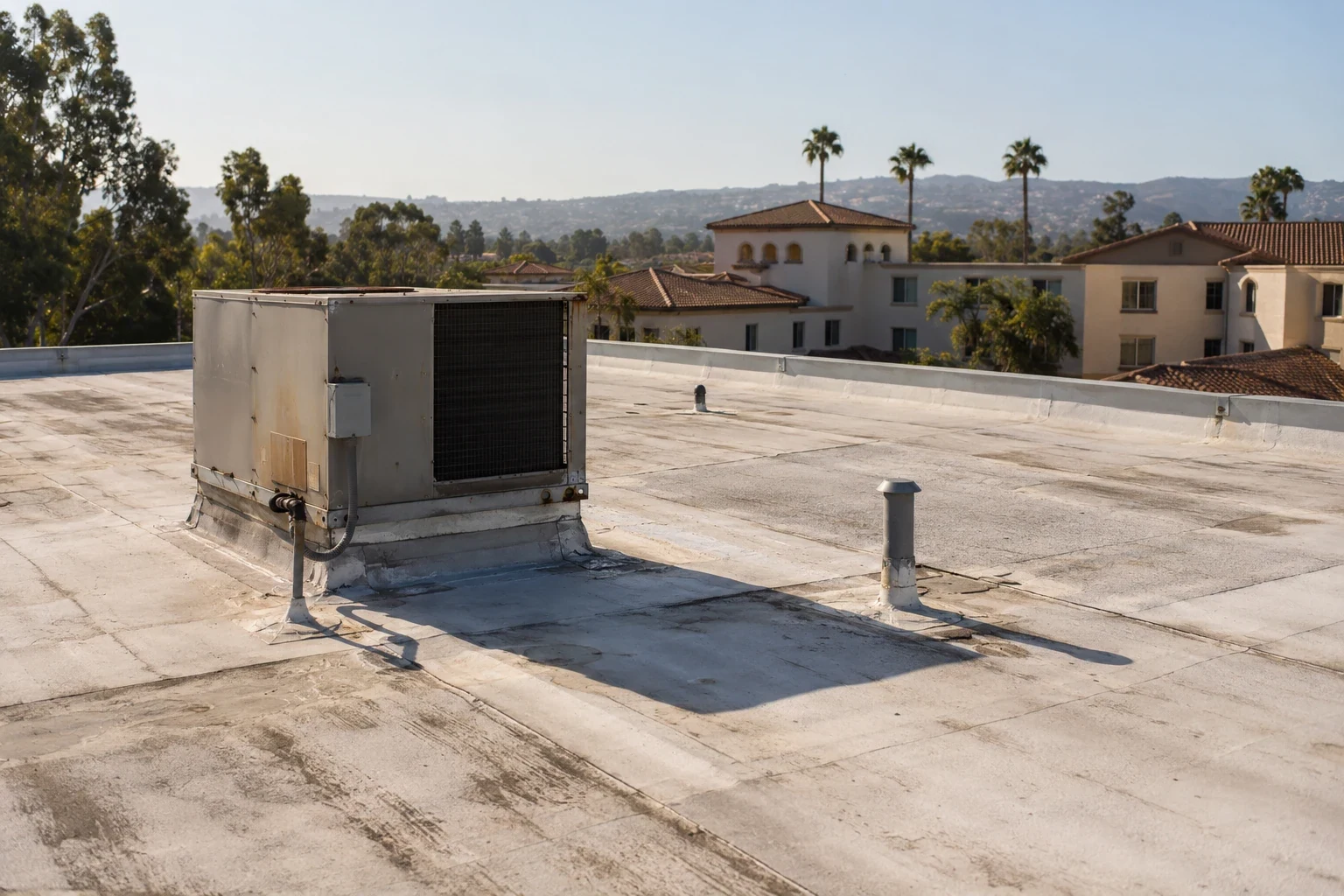
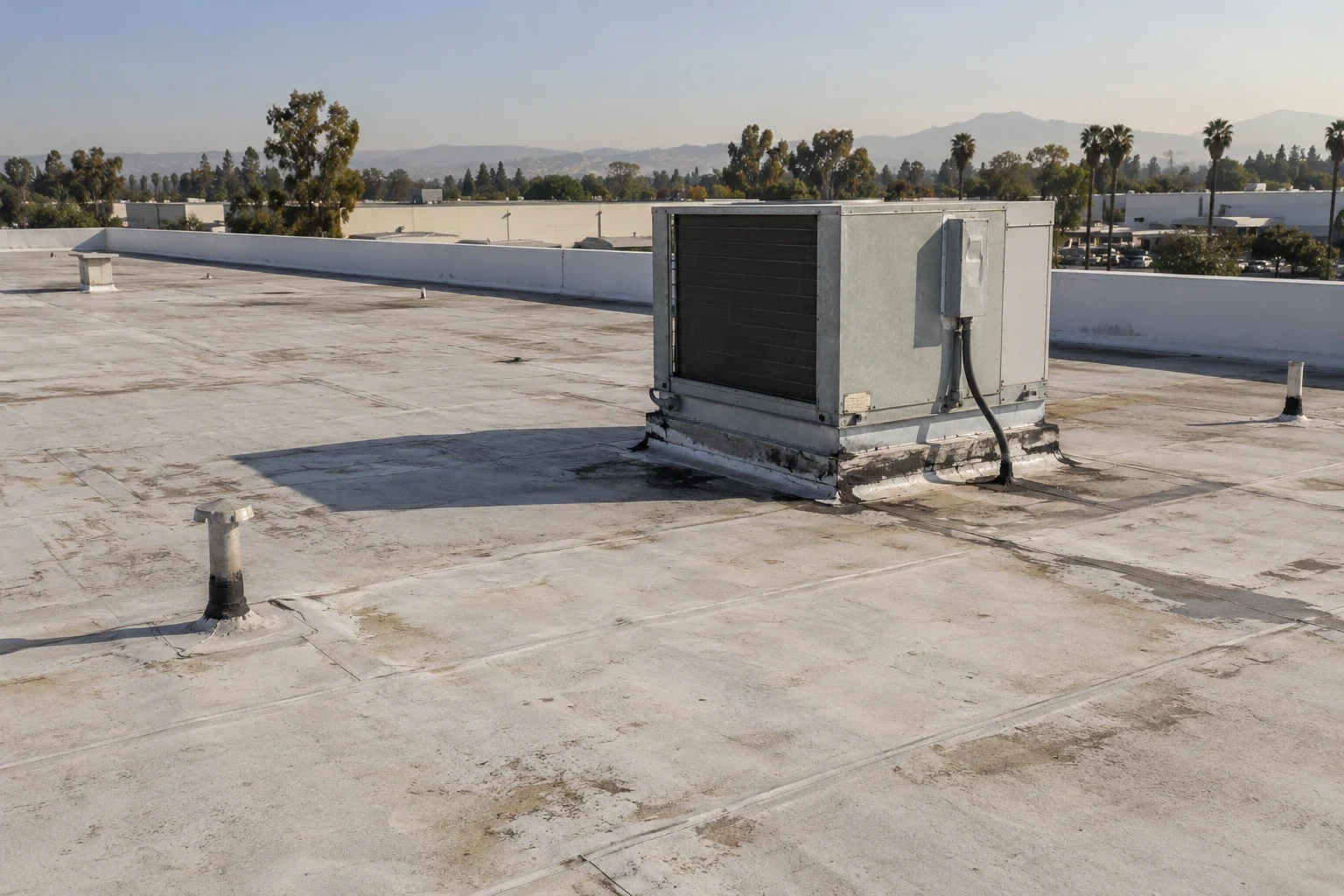
Record each condenser, chiller connection, cooling tower curb, pipe support, screen, conduit path, drain, overflow, and expansion joint by roof-plan location. Preserve the manufacturer's service clearance where the facility drawings identify it, and do not move equipment to improve access without written authorization from the responsible trade. Photograph membrane transitions and flashings from a safe route; note where screening hides a detail or where a security rule prevents inspection. Ask the site contact whether vibration, recent equipment replacement, or line work coincides with the reported moisture. That history can guide the walk but cannot substitute for observing the assembly. If infrared or another survey is proposed, define the area, conditions, and interpretation limits. A report should distinguish visible defects from suspected moisture and identify the person who approves follow-up testing.
How do weather and redundancy influence a roof work plan?
Cooling infrastructure may have standby capacity, but roofing crews should never infer that a unit can be isolated from its appearance. The facility engineer confirms redundancy, load, operating constraints, and any approved outage window. Fullerton's airport normals average 0.08 inches of precipitation in June, 0.02 in July, and 0.02 in August. A dry seasonal pattern does not set an installation day; confirm the forecast and product conditions. Verify the forecast, surface conditions, and material requirements before opening an area. A work plan can set a maximum exposed section, a temporary tie-in, and a weather hold point that leaves critical equipment paths unobstructed. Keep the roof access log aligned with security procedures and record any changed route. If an emergency call requires immediate protection, document the temporary measure separately from permanent repair so the next shift knows what remains unresolved.
Who must approve access near sensitive equipment?
Name the facility escort, roof-access authorizer, operations engineer, and roofing supervisor. Confirm badging, check-in, photography limits, emergency egress, and whether any work requires an escort to remain present. A staging area should keep clear of intakes, exhaust paths, electrical service, and equipment removal routes. If a curb or support needs adjustment, identify the mechanical contractor and its authorization before the roofing crew mobilizes. Fullerton's transportation-center plan covers industrial, retail, office, public-service, restaurant, and residential uses; a data facility's entry controls and operating rules still come from its own manager. Site-specific approvals govern. A written handoff should show the zones opened and closed, temporary weather protection, and any equipment observation that needs engineering review. Consider the adjacent office-building roof planning and manufacturing roof coordination when campus operations share a building envelope.
How should a reported leak near a data hall be evaluated?
Record the room, rack or aisle reference supplied by the facility, date, duration, weather, and any equipment or condensate event. Do not place sensitive information in a public service record; route it through the owner's approved contact. Compare the interior report with drains, curb corners, seams, roof-to-wall transitions, and nearby mechanical lines. Water can travel before appearing, so the nearest roof detail is not automatically the cause. If a repair is warranted, define preparation, compatible materials, tie-in, protection, and the verification step. If evidence is inconclusive, recommend a bounded test rather than promising a permanent result from a surface patch. The facilities engineer should review any proposed access or isolation that could affect cooling resilience. A concise decision log preserves what was confirmed and what remains a hypothesis.
How can repairs fit into a controlled maintenance window?
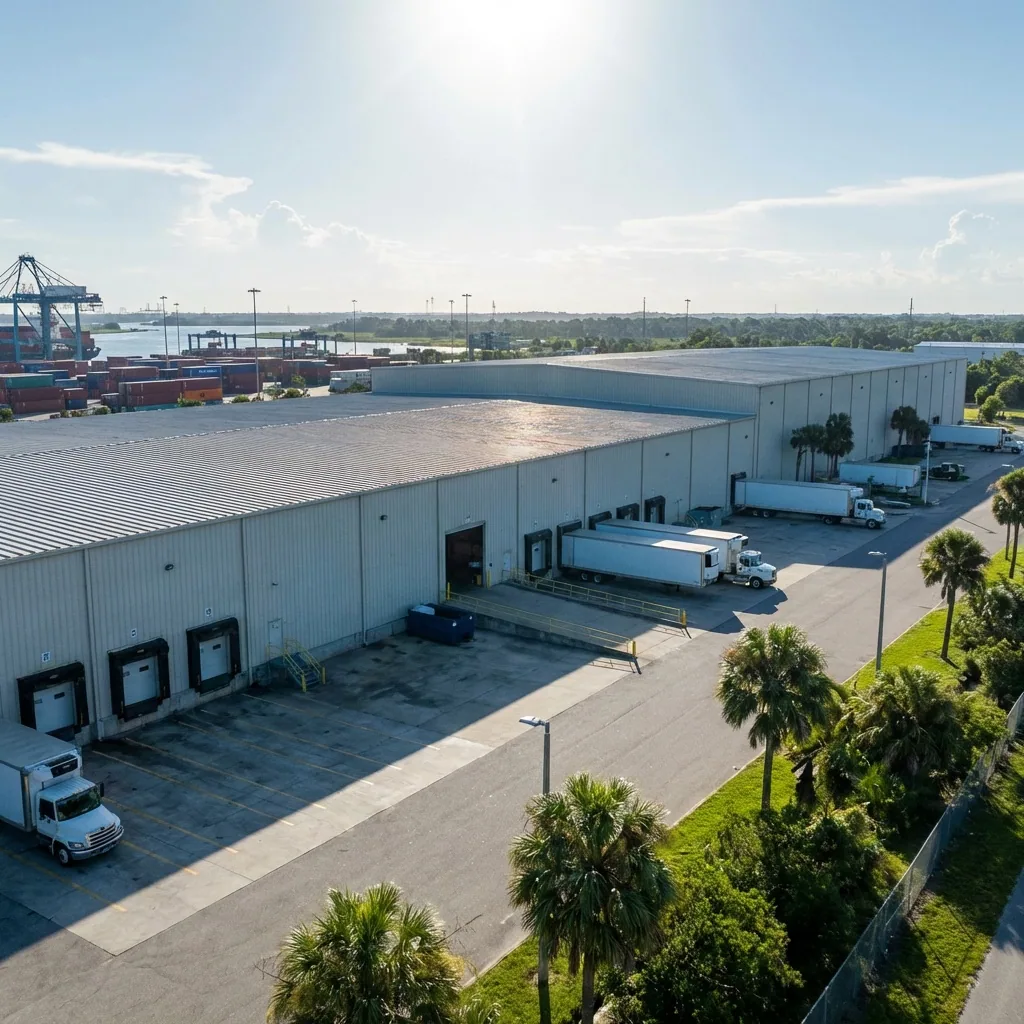
Divide the scope into zones that the site can release, with an access route and protected boundary for each shift. Show the equipment clearance, material lift, waste path, and temporary tie-in on the same plan. Before work starts, confirm who can pause the crew if an alarm, weather change, or unplanned maintenance request occurs. At closeout, note membrane details completed, photographs captured, and any unresolved observation. A planned maintenance visit can revisit drains and flashings after equipment changes; the record should identify exactly which areas were seen. The Southeast Industrial Focus Area is a real city district and broad geographic context, while the service plan remains tied to the actual address and approved perimeter.
What belongs in a comparable data center roofing estimate?
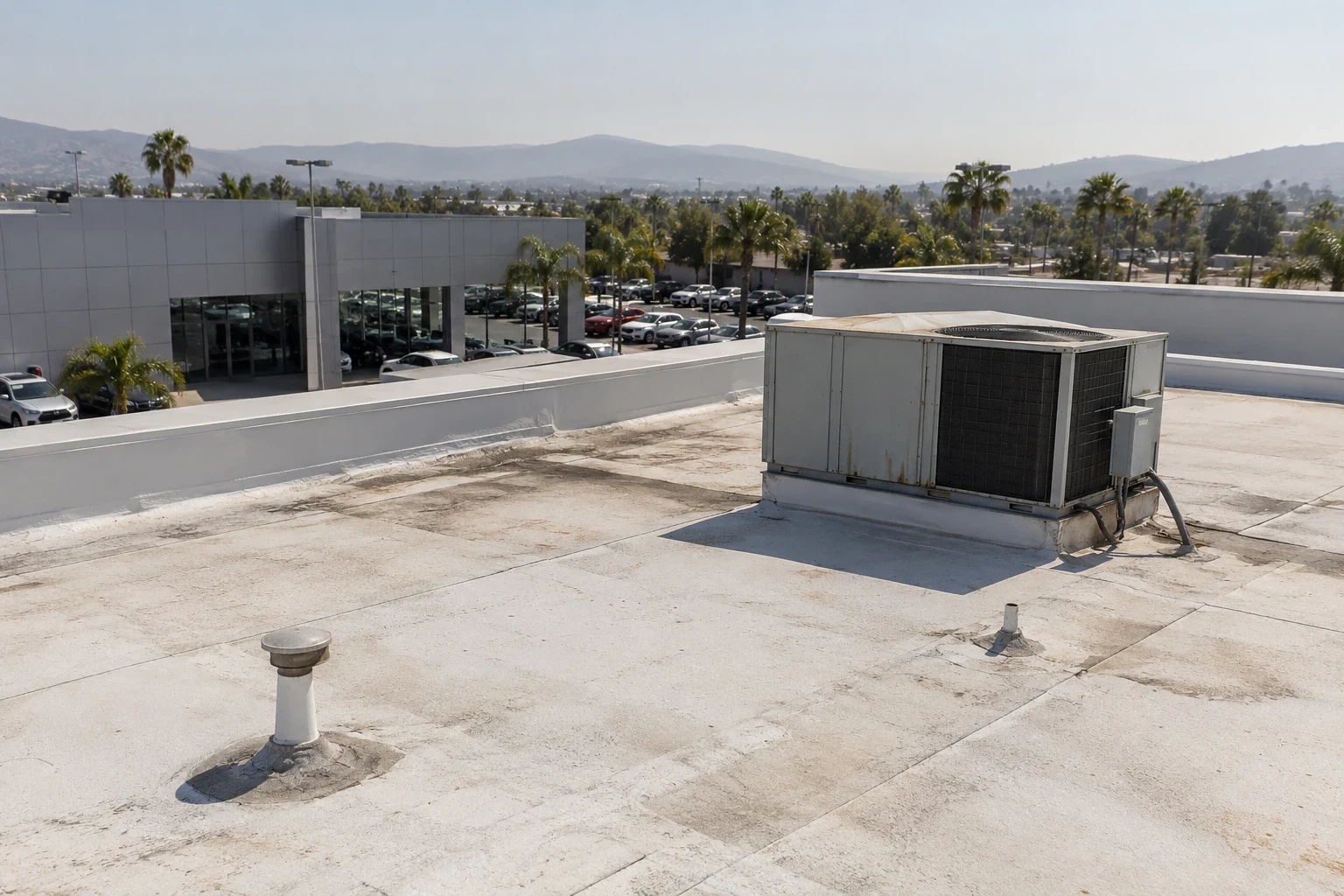
Ask each bidder to price the same roof zones, measured quantities, assembly assumptions, access controls, security escort, and equipment-protection steps. Separate visible repair from optional testing, and define how concealed wet insulation or deck damage will be measured and approved. A proposal should state whether mechanical support work, disconnects, or lifts are excluded or assigned to another trade. Include temporary waterproofing, weather close-in, disposal, and after-hours coordination if the site requires them. Warranty terms should name the covered assembly and maintenance obligations; they do not replace condition documentation. For comparison, connect the scope to a roof condition survey, a capital planning record, a drainage review, and the selected EPDM assembly. A marked plan makes the accepted price and any later change easier to trace.
For continuity, store the survey version, roof-plan date, and asset identifiers with the report so future reviewers can tell whether a curb moved or a drawing changed. A follow-up inspection should revisit the same locations and flag any new conduit, screen, support, or penetration. If the owner needs a repair quickly, distinguish temporary protection from the permanent detail and state how the open question will be resolved. Do not combine a cooling-system alarm with a roofing conclusion unless the facility engineering team confirms a relationship. The Southeast Industrial Focus Area has mainly large parcels and one- and two-story buildings. Cedarwoods Fullerton, an industrial warehouse project on East Orangethorpe frontage, received City Council approval on February 3, 2026; the building manager sets access at each property. These place names explain broad local context only. The roof's actual assembly, drainage behavior, and equipment clearances must be observed and recorded at the building. A manager can then set priorities by exposure, access, and consequence instead of ranking work by the most recent call alone.
Commercial Roofing Questions
Can roof work happen while a data center is operating?
It may, if the owner approves the access route, work zone, equipment clearances, security rules, and daily close-in. The facility engineer controls any operating change.
Does a ceiling stain identify the roof leak above it?
No. Water can travel, and condensate or plumbing may also be involved. Compare timing and roof-side observations before assigning a source.
Who can authorize cooling equipment shutdowns?
The facility's responsible operations or engineering contact should approve any isolation. The roofing scope should identify qualified trade responsibilities.
Should an infrared scan determine the repair scope?
Use a scan as one diagnostic input with stated conditions and limits. Confirm consequential findings using an agreed method before pricing broad removal.
How should a data-center roof handoff record sensitive penetrations?
Record tested locations, completed details, photographs, temporary protection removed or remaining, and the person accepting each released zone.