Plan roofing work for property managers, manufacturers, healthcare, logistics, education, retail, public agencies, and restoration teams.
Roof leak, storm damage or an inspection coming up?


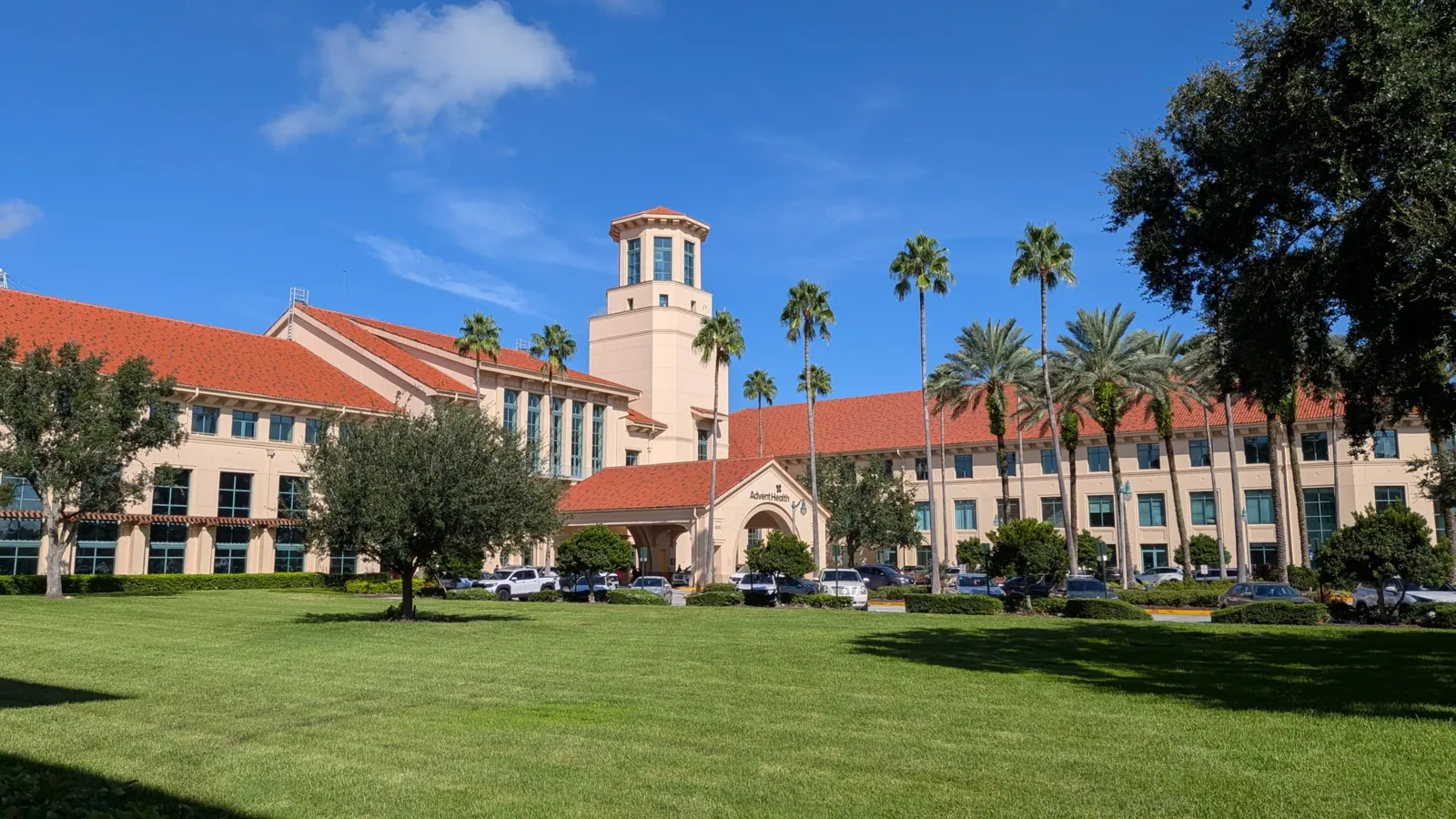


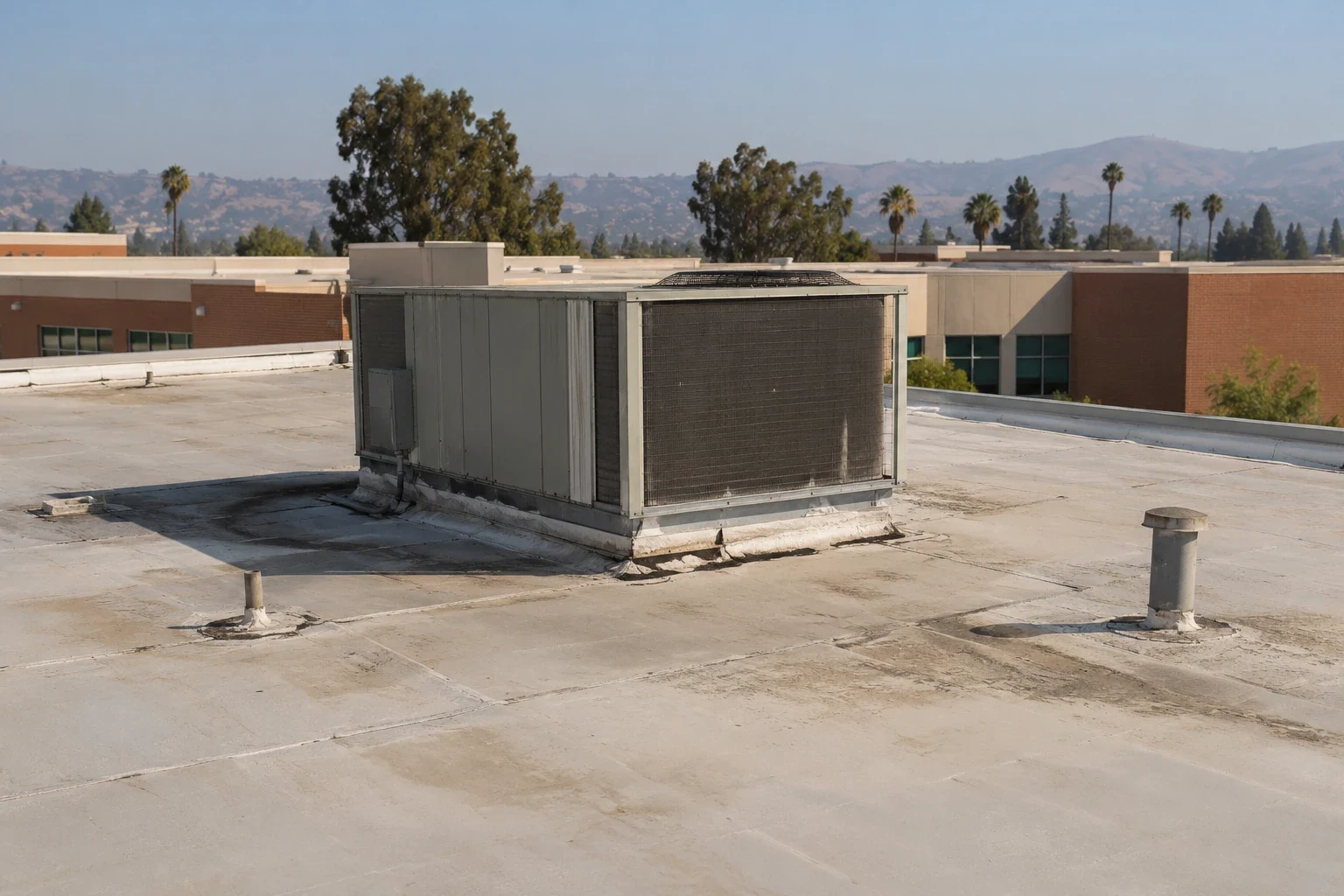
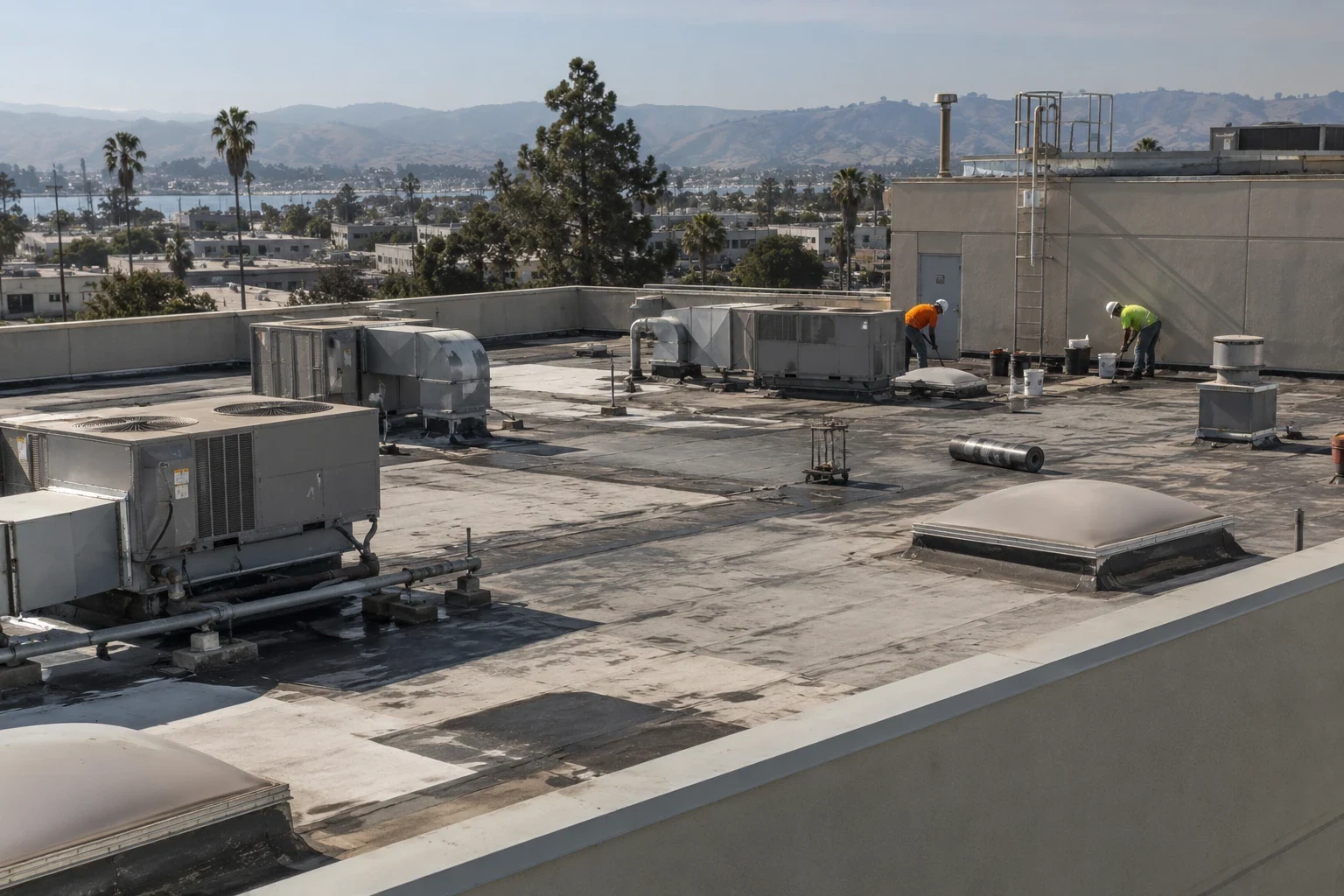
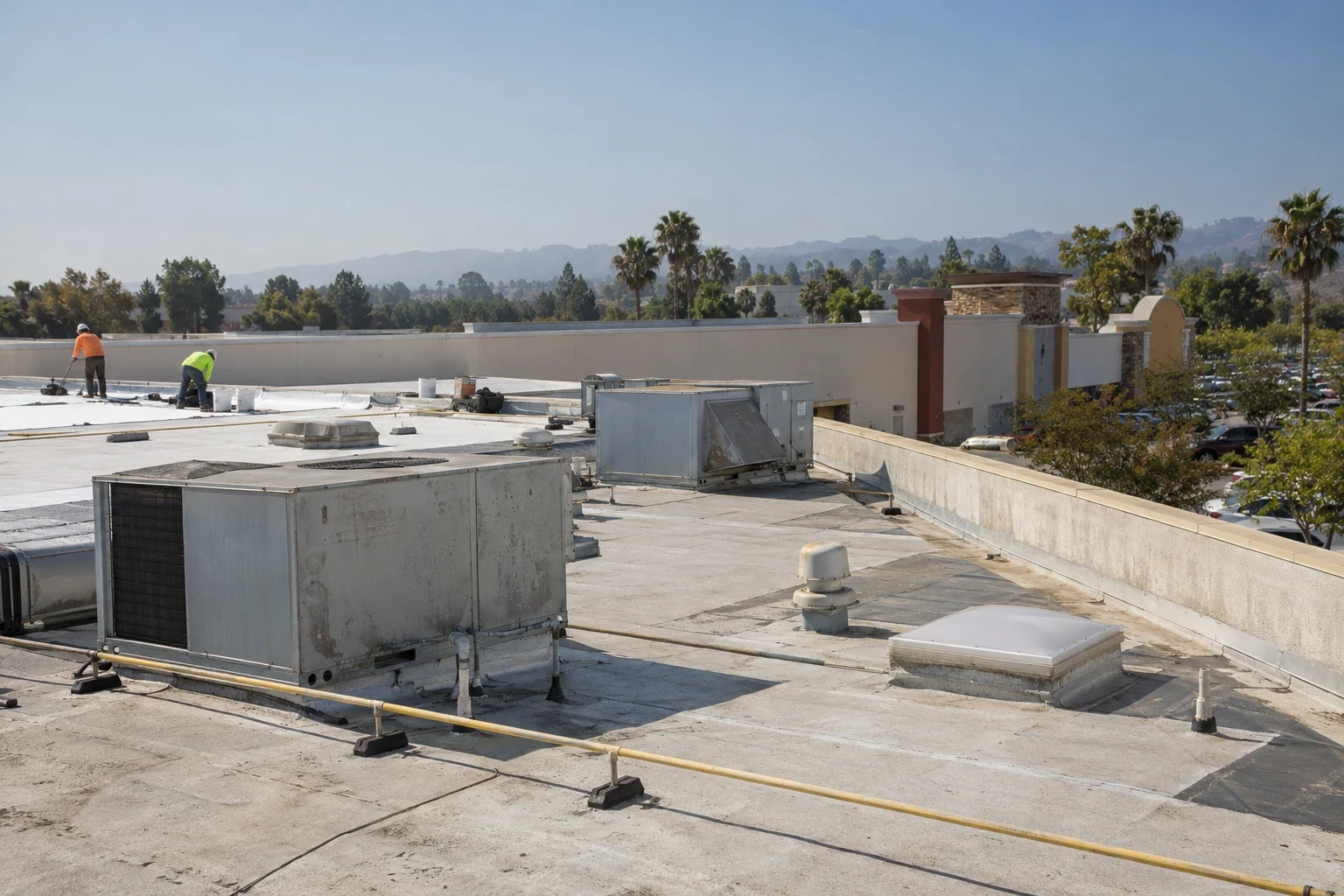

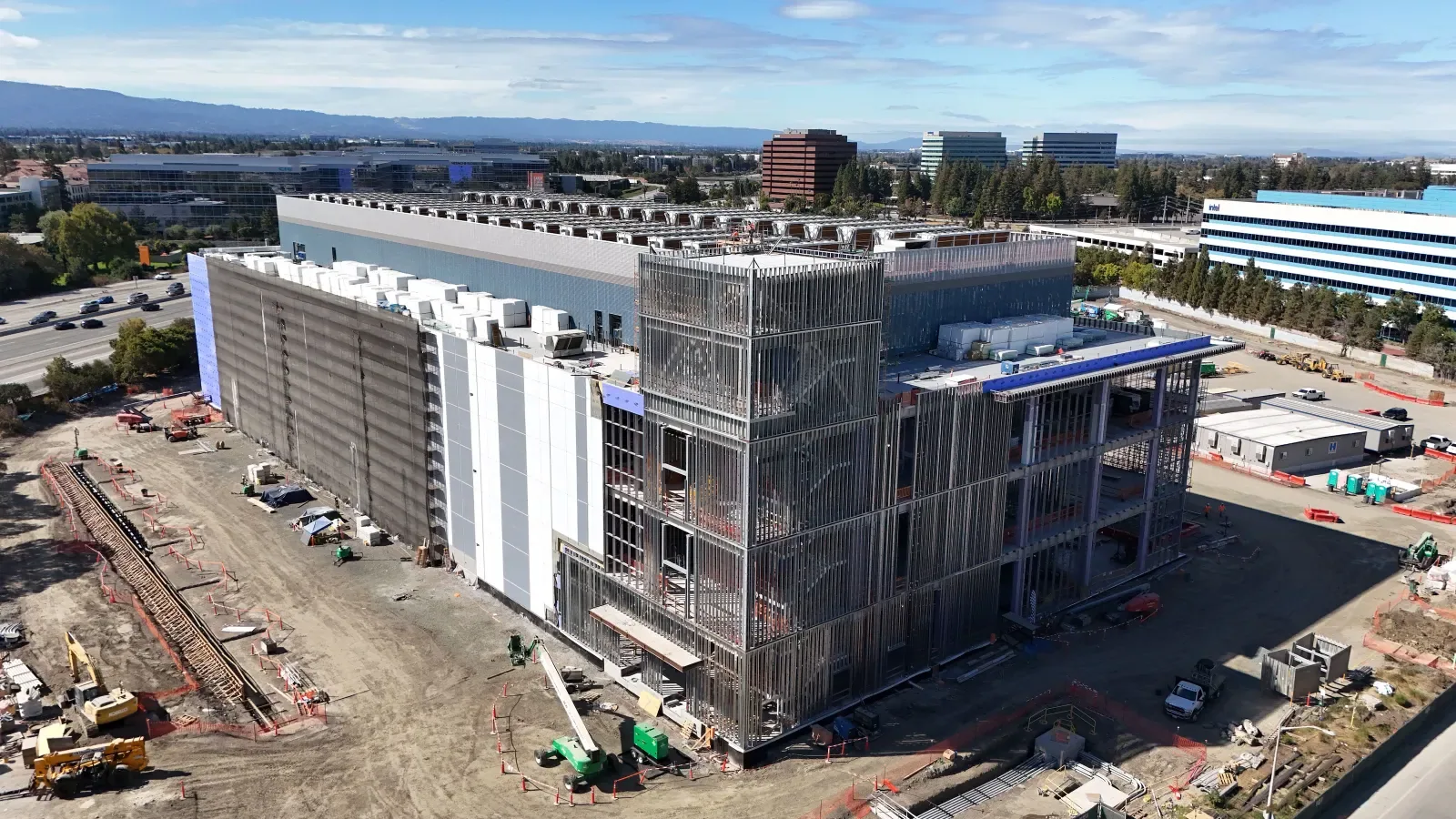
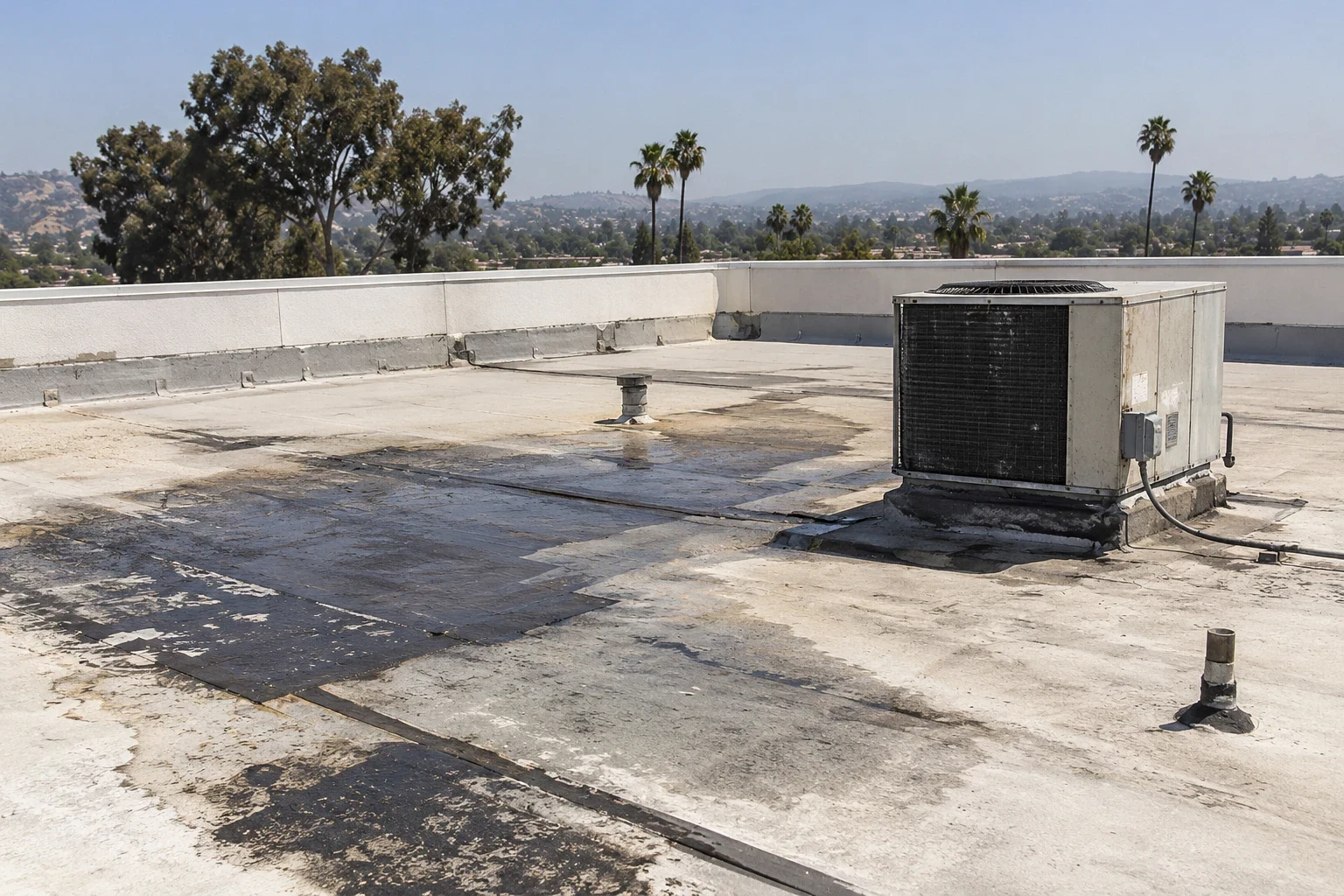
Roof work often involves more than a building owner and a contractor. Asset managers, tenants, procurement staff, engineers, risk teams, and general contractors may all need different information. Property managers, asset owners, and facility teams often share a roof decision while holding different approval and access responsibilities. Identify who owns the roof, who controls access, who can approve scope changes, and who needs a closeout record. A useful project team keeps those roles visible and avoids asking one stakeholder to accept another’s responsibility. Each role contributes information, but verified roof conditions and approved contract documents determine the work.
Property managers and real-estate owners
Property management companies need repeatable inspection records, clear tenant communication, and a way to route after-hours reports. Investors and REITs may compare roofs across multiple assets, but each property should retain its own observed condition, allowance, and warranty file. A portfolio summary can group capital needs after the underlying records are verified. Before requesting bids, define the decision deadline, available drawings, access limits, and the person authorized to select an alternative. Avoid carrying assumptions from one building into another.
Manufacturing, logistics, and healthcare teams
Manufacturers should identify sensitive processes, utilities, shifts, and equipment that affect staging or shutdowns. Logistics and 3PL operators can map loading schedules and truck routes before lifts or deliveries are arranged. For healthcare systems, access control, patient care, infection-control policies, and emergency routes require owner-led coordination. The roofing scope should identify the property contact for each operational constraint and the qualified trade responsible for a system shutdown. A daily plan then reflects the actual facility rather than a generic work window.
Education, public agencies, and retail chains
School districts can compare work against academic calendars and facility access requirements. Public agencies should identify procurement authority, contracting terms, security procedures, and records requirements before pricing. Retail and restaurant groups may need a rollout plan that accounts for operating hours and customer entrances at each location. The owner should name who approves substitutions and how closeout information is filed. Public or private status does not make a roof accessible; the site’s authorized contact controls entry.
Contractors, hospitality, and restoration partners
General contractors should coordinate roof transitions, sequencing, and delegated design responsibilities with the owner’s team. Hospitality groups may need phased work that accounts for guest access and occupied rooms. Insurance restoration teams should distinguish observed damage from cause, coverage, and claim decisions that belong to other parties. Each partner can contribute records without promising an outcome outside its scope. A marked plan, dated photos, written exclusions, and change approvals help teams resolve questions later.
Set roles before the first site visit
Before mobilization, write down who can open the roof, who receives reports, who approves added work, and who coordinates tenant or agency notices. Keep technical findings separate from budget authorization and procurement approval. If the project includes multiple properties, identify the address and roof zone on every report. A building in Orange or Brea still needs its own inspection; city geography does not establish a stakeholder’s roof condition. Clear roles make it easier to compare proposals and keep the closeout package with the right asset record.
Commercial Roofing Questions
Who owns roof access decisions?
The property owner or designated facilities contact should authorize entry and explain any security or tenant requirements.
Can one portfolio report cover every location?
A summary can group findings, but each property needs its own plan, observations, scope, and approval trail.
How do public procurement rules affect roofing?
The agency’s contracting authority should provide the applicable procurement, security, and records instructions.
What should partners document?
Record the work zone, observed condition, assigned responsibility, exclusions, changes, and closeout items.