
Coordinate Fullerton manufacturing roof surveys and repairs with production zones, roof equipment, ventilation, access control, and shift handoffs.
Roof leak, storm damage or an inspection coming up?
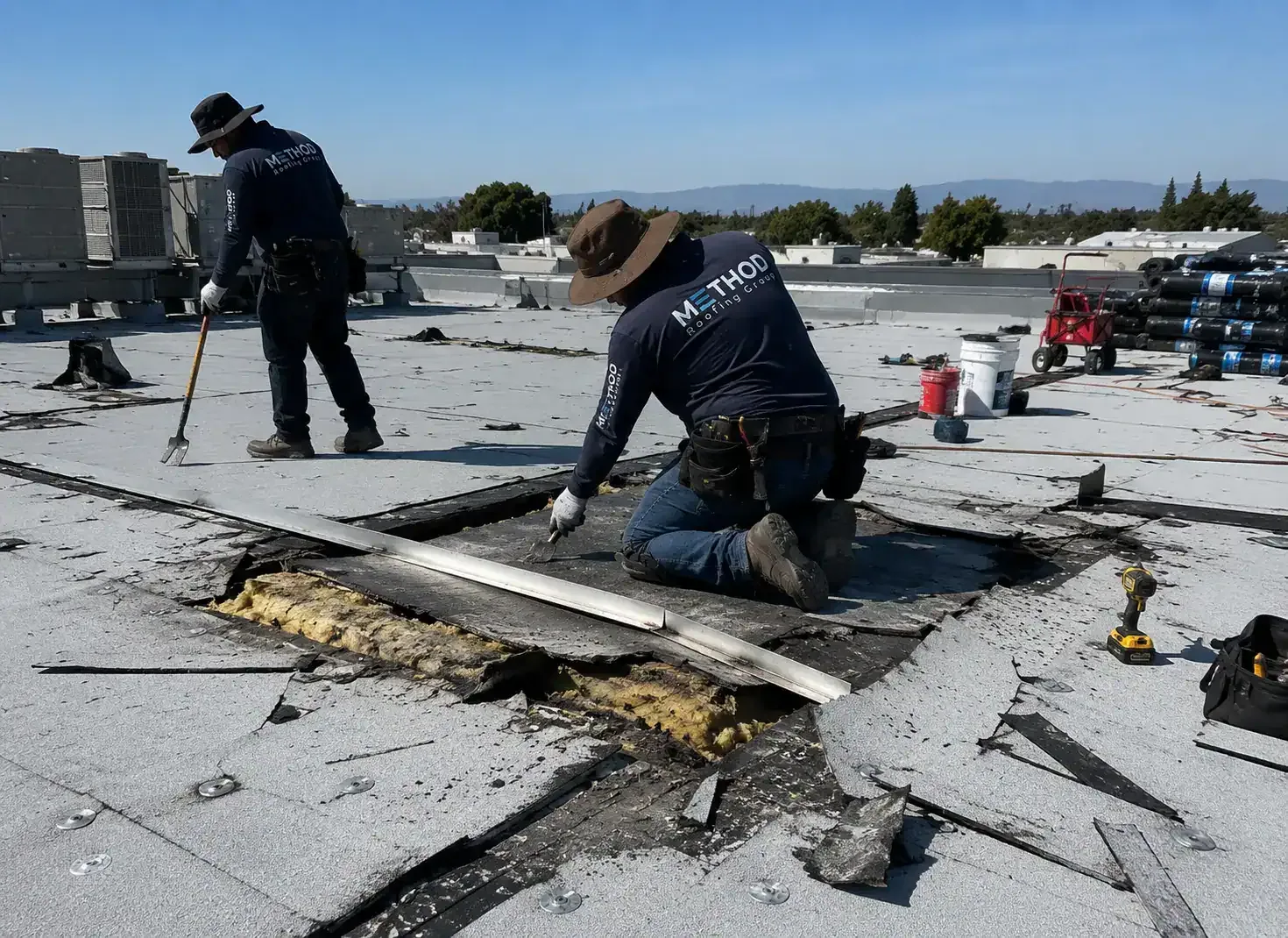
A production schedule tied to roof-mounted exhaust or process lines means the facilities lead needs an access and shutdown decision before a crew opens the membrane. A plant survey links interior production zones with roof curbs, penetrations, drains, expansion joints, and previous patches. It also records where dust, vibration, heat, or maintenance access may affect the sequence. Fullerton's Southeast Industrial Focus Area is a city-defined planning area of roughly 712 acres with access from SR-91, SR-57, and rail; it describes local industrial geography, not a specific factory or a claim of work at any site. August's NOAA normal mean daily high of 86.7°F provides a seasonal scheduling reference, not a measurement of a roof. The walk-through should end with a marked test area, a list of operating contacts, and a phase boundary that can be protected before production resumes.
What roof observations matter around production equipment?
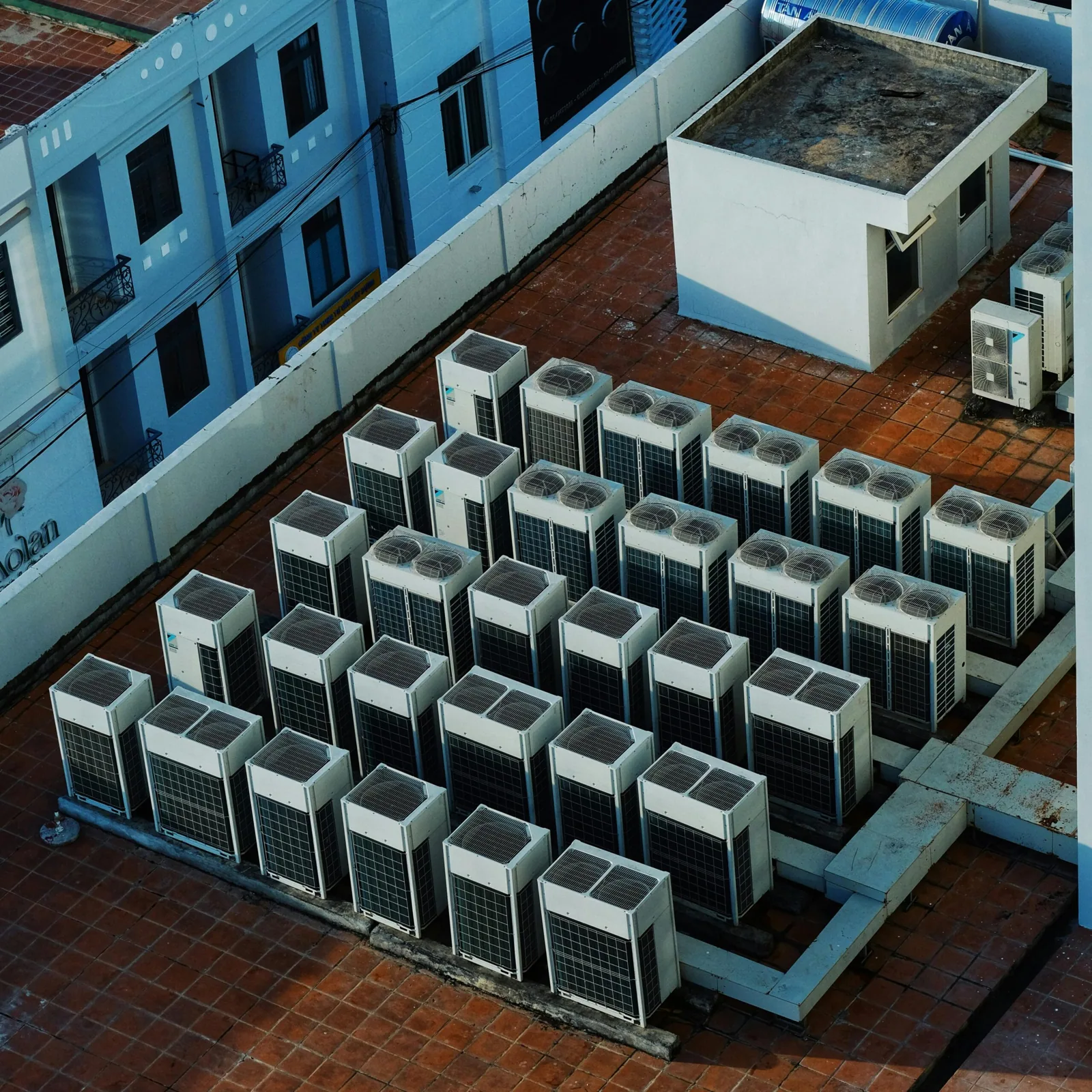
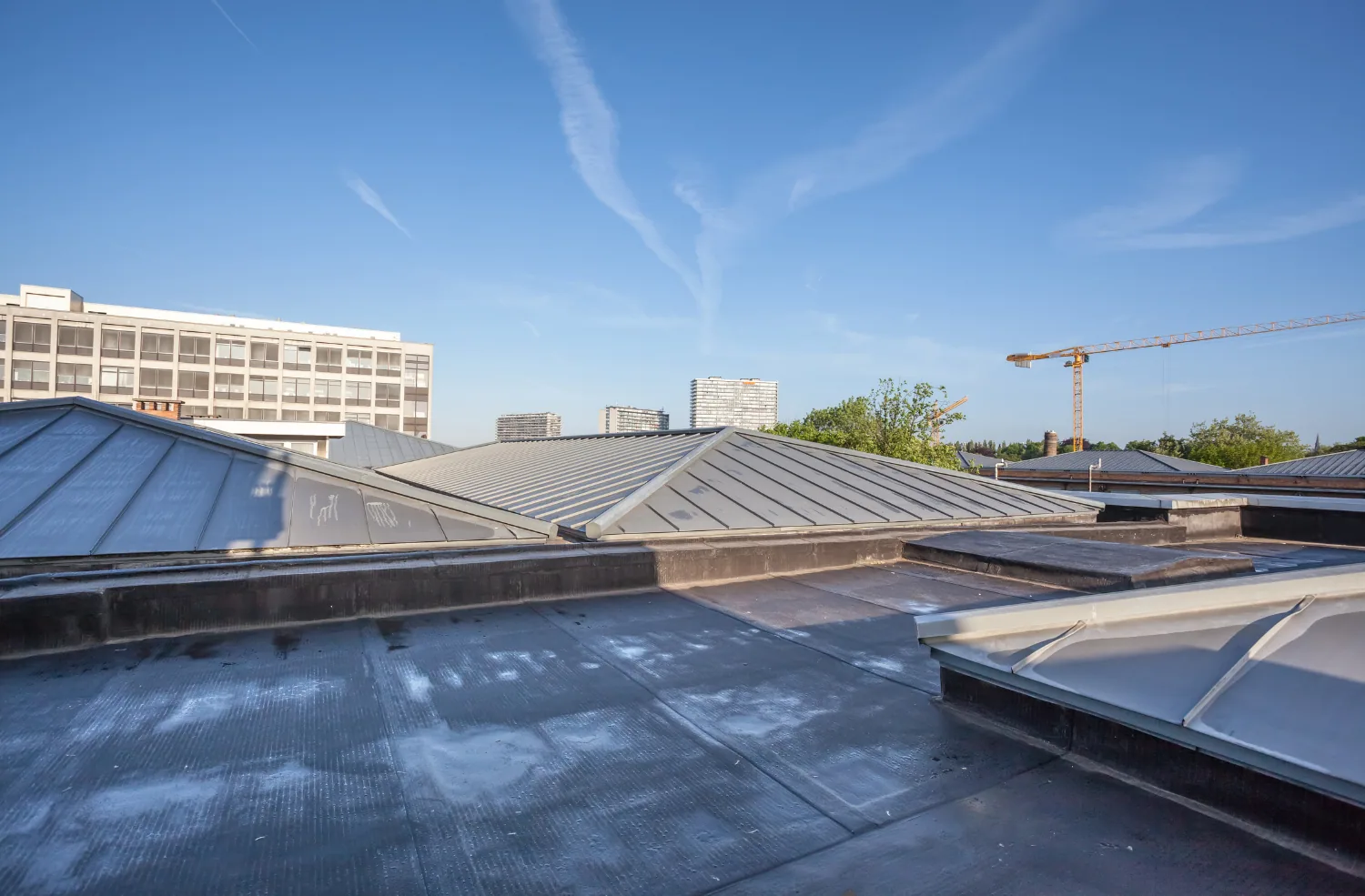
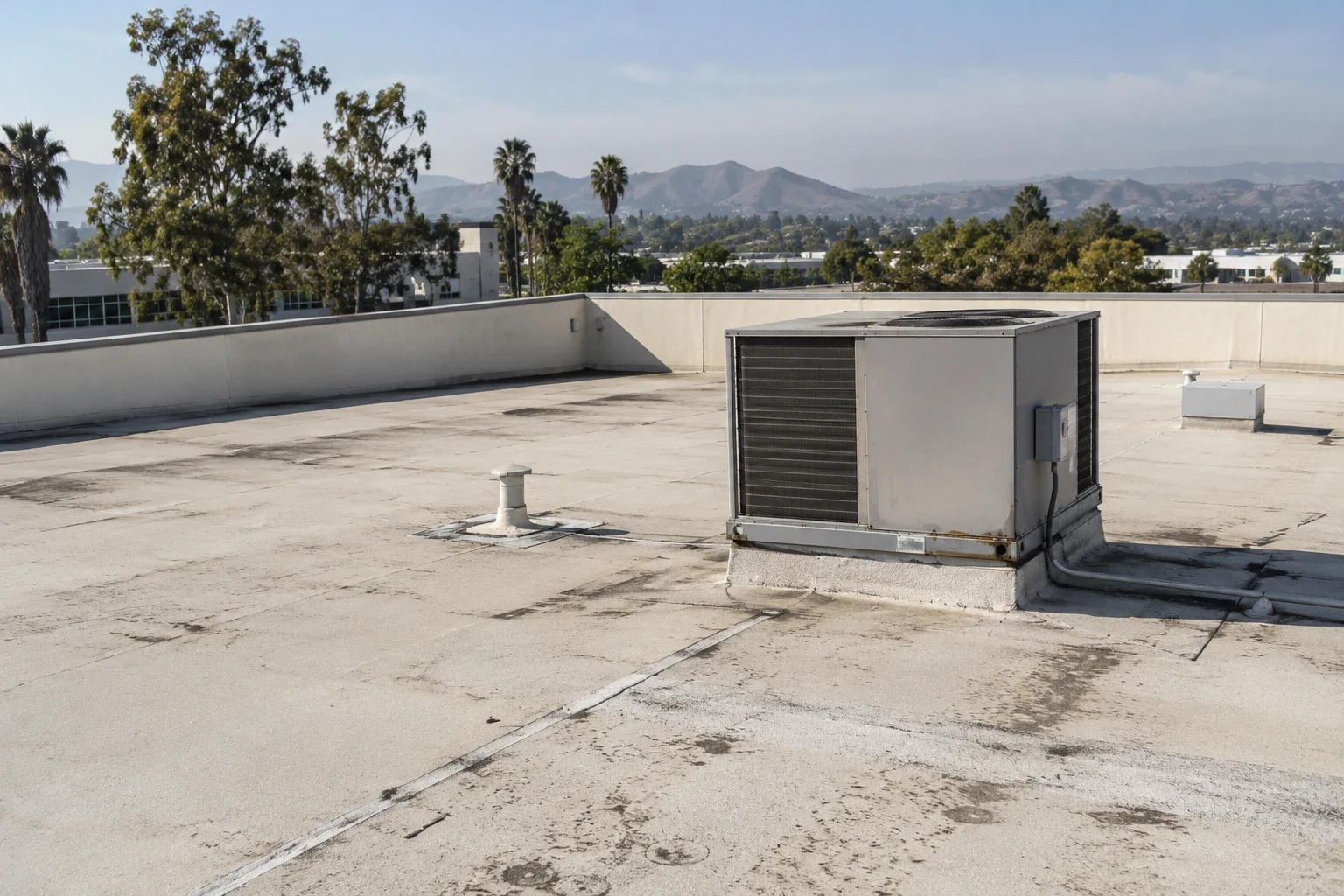
Record the condition at curbs, exhaust fans, pipe supports, conduit, gas or process lines, skylights, drains, and transitions between roof areas. Note whether a penetration is active, abandoned, or uncertain, and ask the plant contact before touching any line. Interior observations should identify staining, process moisture, condensation, and the time the symptom occurs. A membrane defect may be one possibility among several, particularly around mechanical equipment. Photographs and a plan should use fixed identifiers so maintenance staff can compare later visits. If the roof has multiple assemblies or prior additions, do not treat a repair detail from one area as automatically suitable for another. Where testing is needed, write down the method, test limits, and who will approve a cut or sample. This record informs a roof condition report without treating a visual survey as a full assembly conclusion.
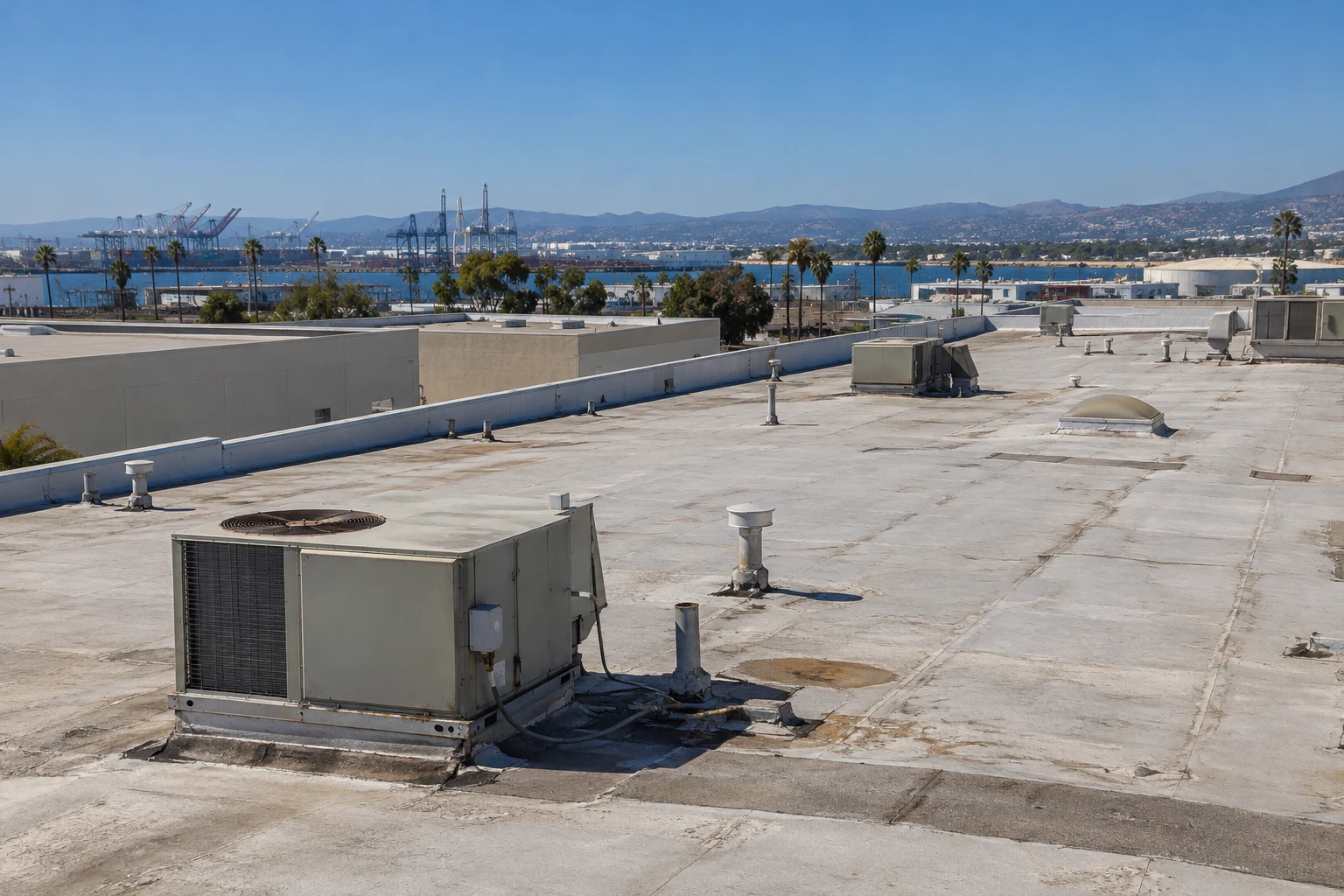
How can heat and plant operations shape the work window?
Material instructions, forecast, substrate condition, and the plant's operating schedule all influence sequencing. Fullerton's NOAA climate normals show a summer drying pattern and frequent hot days, but they say nothing about the temperature of a particular roof or whether an assembly is ready for work. The crew should check current conditions before application and select a work area small enough to protect before a hold. Production constraints may require a shutdown or a temporary control for fans, intakes, or exhaust; those decisions belong to the plant's responsible personnel. Identify the release point, the person who confirms equipment status, and the stop-work contact. A daily handoff should list open work, temporary weather protection, and the next inspection step. If the forecast changes, the plan should preserve safe boundaries rather than pressure crews to continue an unsuitable installation.
What coordination is needed before a plant roof survey?
Confirm badging, escort requirements, restricted process areas, hot-work or roof permits, fall-protection rules, and any contamination or hygiene controls. Establish whether production can continue under the roof section being surveyed and who can authorize access to the space below. Map material staging away from intakes and traffic lanes; assign responsibility for protecting sensitive equipment. If a mechanical contractor must isolate or move an item, put that work in the schedule with a named trade and verification step. The City describes the Transportation Center Specific Plan area as a mix that includes industrial and public-service uses, but conditions vary property by property; the site assessment should rely on the actual plant layout. Relevant sequencing references include equipment curb coordination and planned maintenance visits.
When should a plant investigate a leak beyond the roof surface?
Compare the symptom with process washdown, chilled lines, exhaust discharge, condensate routing, and any recent equipment work. The timing may narrow possibilities, but an inspection still needs roof-side evidence at nearby seams, flashings, supports, and drains. If a repair is justified, describe the exact detail, compatible materials, preparation, and the boundary that will be tested or observed. Plants with vibration or equipment changes may need a follow-up after operation resumes. Recurring leaks across separate roof bays can indicate several independent details rather than one broad failure. A condition map helps distinguish urgent waterproofing from capital work. Keep repair findings separate from process engineering conclusions and coordinate with the plant's mechanical or safety lead where the source is uncertain.
How can a roofing project avoid disrupting a production sequence?
Divide the scope by operating zone and identify which phase can be released each shift. The project plan should show crew access, material drops, crane or hoist windows, internal protection, debris routes, and the temporary tie-in that remains at each boundary. Use the production calendar to avoid critical runs, deliveries, or sanitation windows. Name the supervisor who can pause work if access changes, and the facilities contact who can accept a completed section. The Southeast Industrial Focus Area is a broad development area, but its designation does not reveal an individual site's roof composition or operating hours. For internal records, connect observed conditions to capital renewal planning and asset records. A clear flex-industrial roof work plan can help when manufacturing shares a building with other uses.
What should a manufacturing roof proposal state about scope and risk?
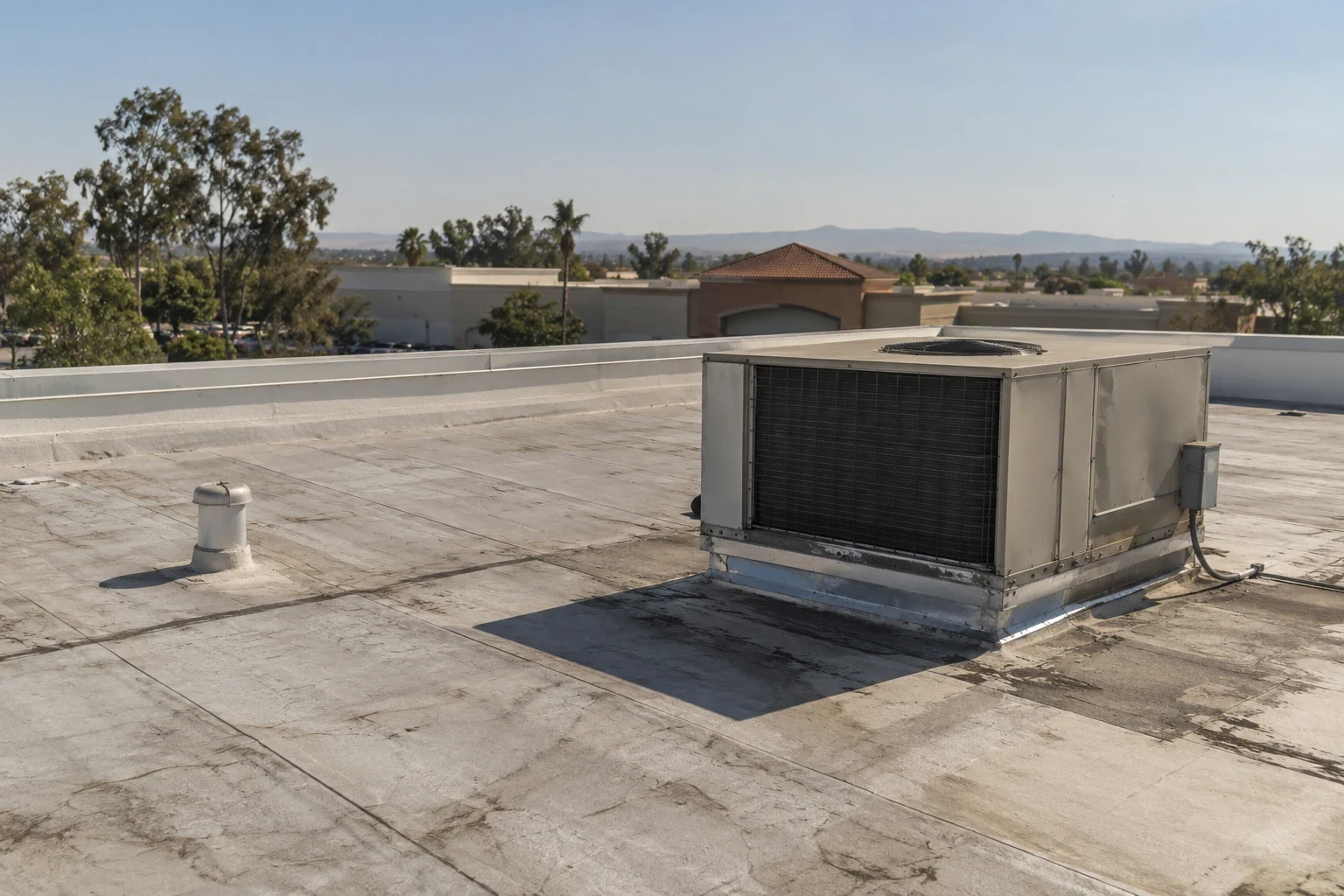
List each roof area, measured quantity, observed condition, proposed assembly, access requirement, production constraint, and exclusion. Price optional test cuts or moisture surveys separately if their necessity depends on preliminary findings. State how concealed deck or insulation conditions will be documented and authorized before extra work proceeds. A bid that assumes an equipment move should name the responsible qualified trade and identify costs for disconnect, lift, reconnection, and testing. Include temporary protection, daily cleanup, and weather close-in as explicit scope items. Compare the warranty and maintenance obligations against the intended service life and plant's access capability. To organize recurring inspections, link the estimate to roof capital planning, condition documentation, and modified-bitumen assembly considerations. Local references to the Southeast Industrial Focus Area describe a real, broad district only.
A plant's maintenance calendar can be as important as the roof map. Ask which production runs cannot pause, whether an intake serves a sensitive process, and who controls a temporary equipment shutdown. Put each approval in the daily plan with a time and a responsible contact, then confirm it again before the crew enters the restricted zone. The city's Southeast Industrial Focus Area and Commonwealth Corridor identify broad planning districts; neither identifies a customer's plant, equipment, or work history. Local records provide geographic context only. A plant-specific survey must verify access, assembly transitions, and observed conditions on the actual property. Keep the project log separated by roof section so production managers can see where work stopped and what remains protected. For recurring maintenance, record photographs from the same marked points, note changed equipment, and route unresolved moisture questions to the appropriate building or process specialist. For a related building with mixed uses, compare warehouse access planning before setting a shared staging route. Confirm the plant shift lead, facilities contact, and equipment vendor all agree on the release point before any temporary protection is removed.
Commercial Roofing Questions
Can production continue during roof replacement?
It depends on access, noise, odor, safety separation, equipment needs, and the assembly. Set the boundaries and stop-work contacts with plant leadership before mobilizing.
Who should authorize rooftop equipment shutdowns?
The plant's designated operations or mechanical authority should confirm status. A roofing scope should identify the trade performing each disconnect and reconnection.
How should a recurring plant leak be diagnosed?
Match the timing and interior area with roof-side observations, process moisture, and equipment drainage. Keep confirmed findings separate from possible causes.
Does an older roof automatically need replacement?
No. Compare documented defects, moisture extent, repair history, assembly compatibility, and operational goals before choosing a renewal scope.
What should be in a production-area roofing handoff?
Record completed zones, tested or protected details, temporary conditions, access changes, and the next shift's release point and responsible contacts.