Review Fullerton districts, corridors, and nearby cities listed for commercial roof coverage, then confirm the property address, access, and project timing.
Roof leak, storm damage or an inspection coming up?
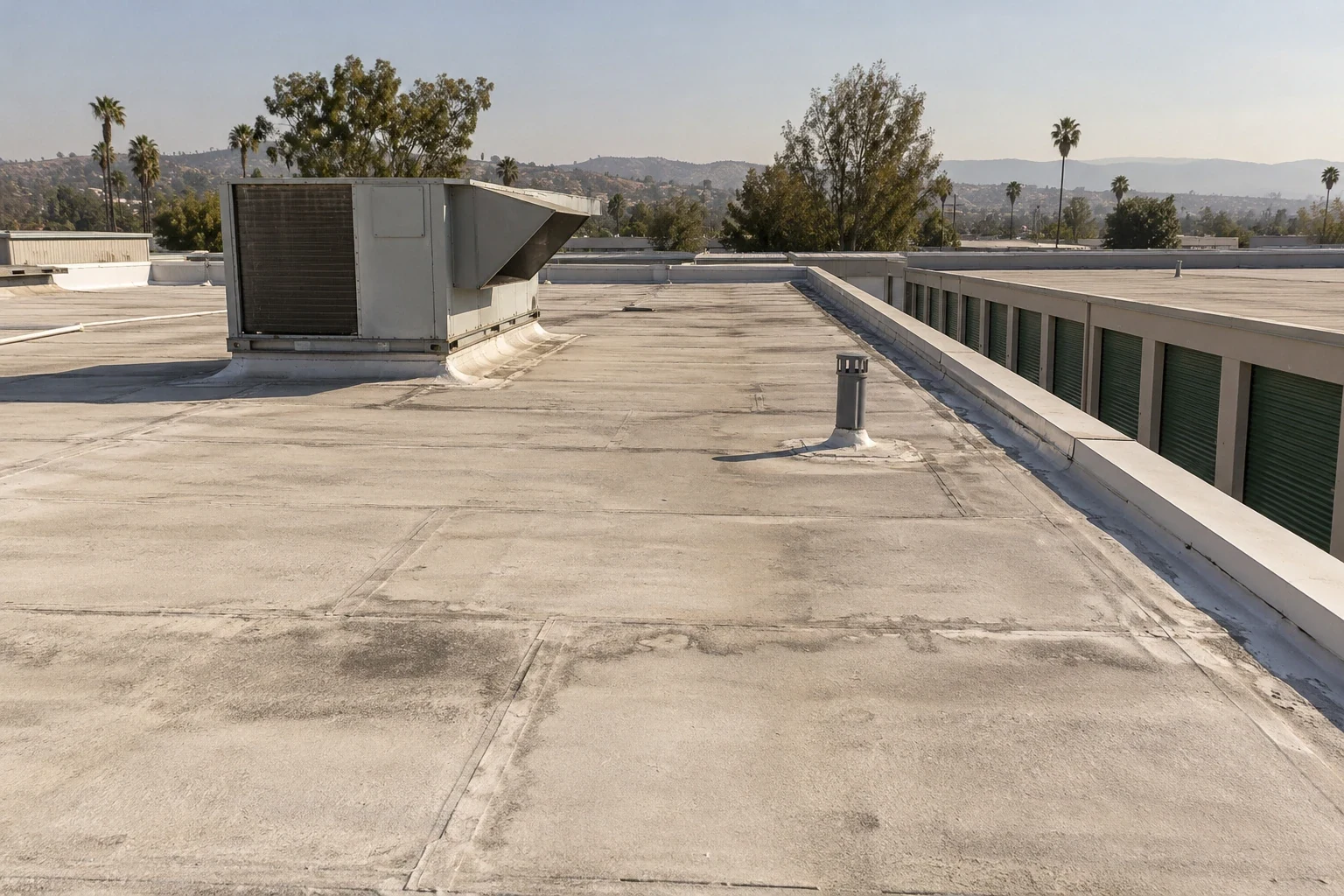
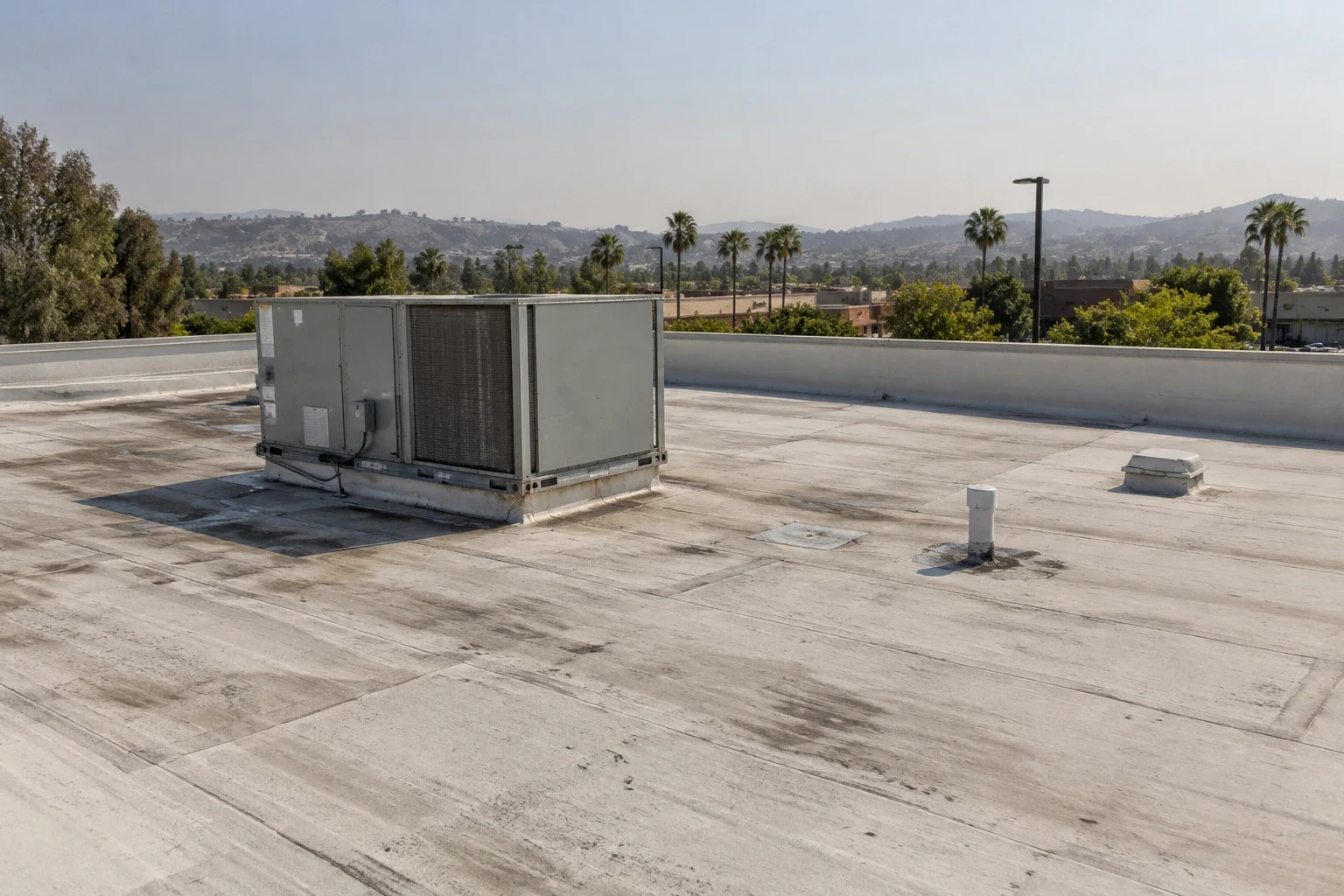
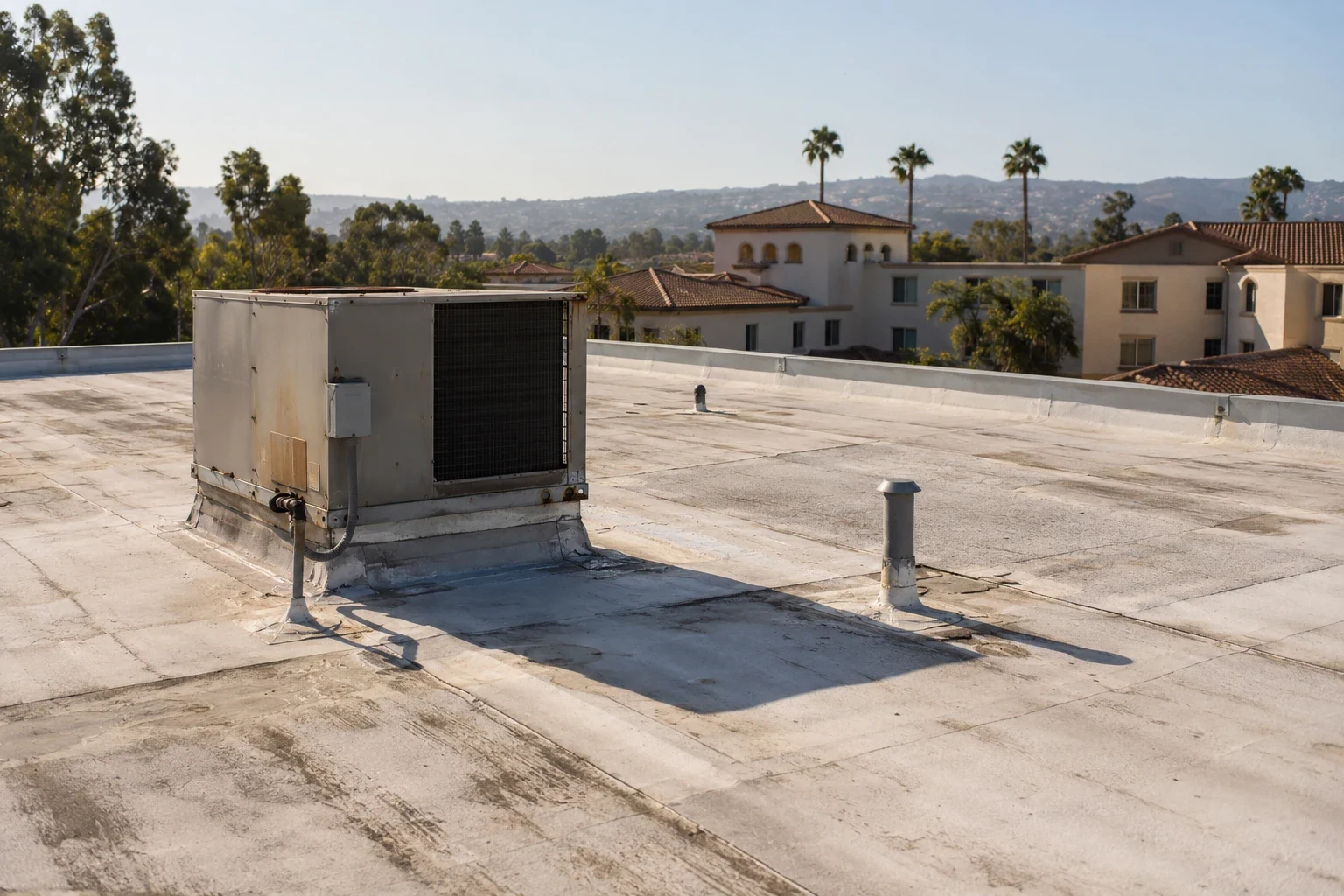
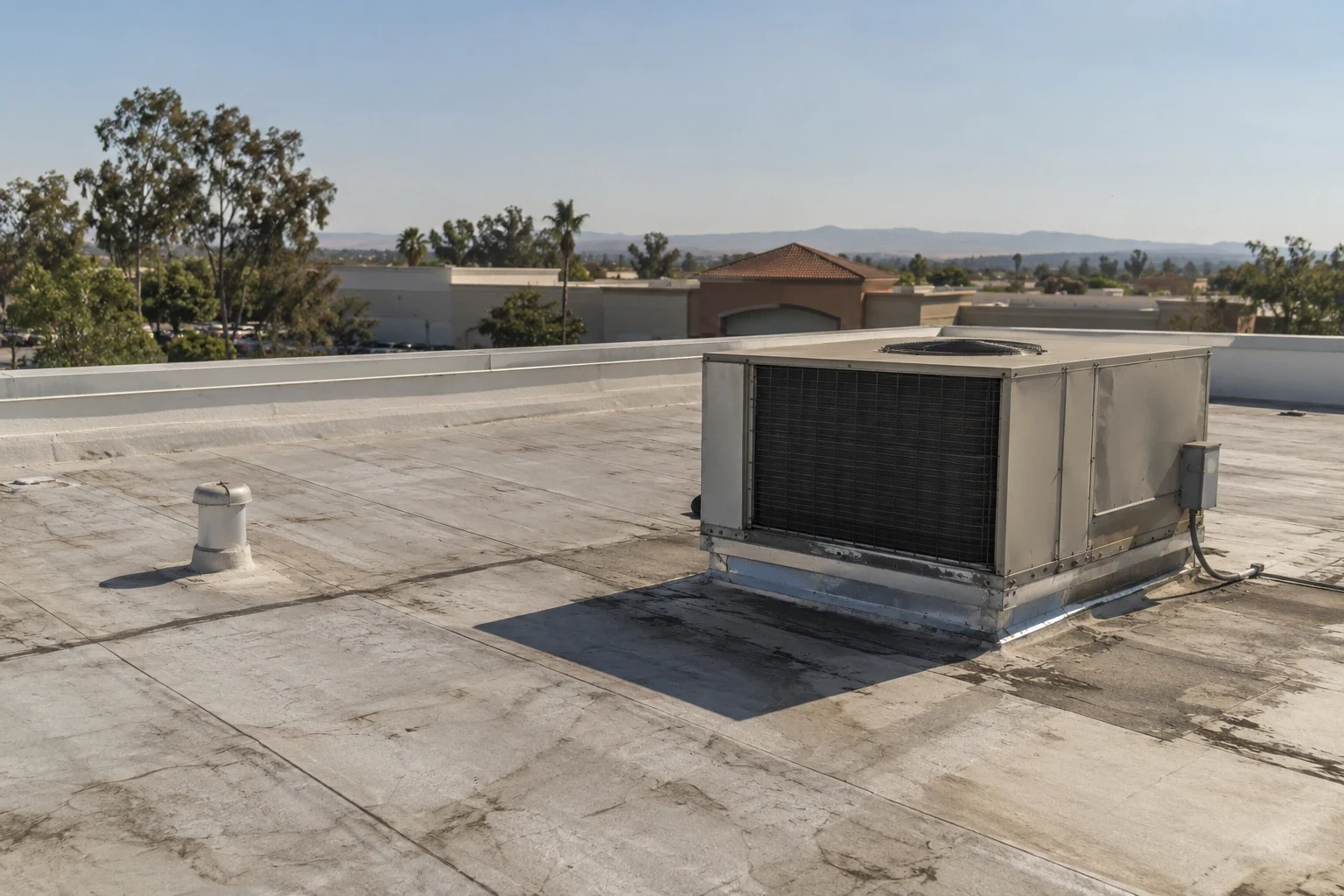
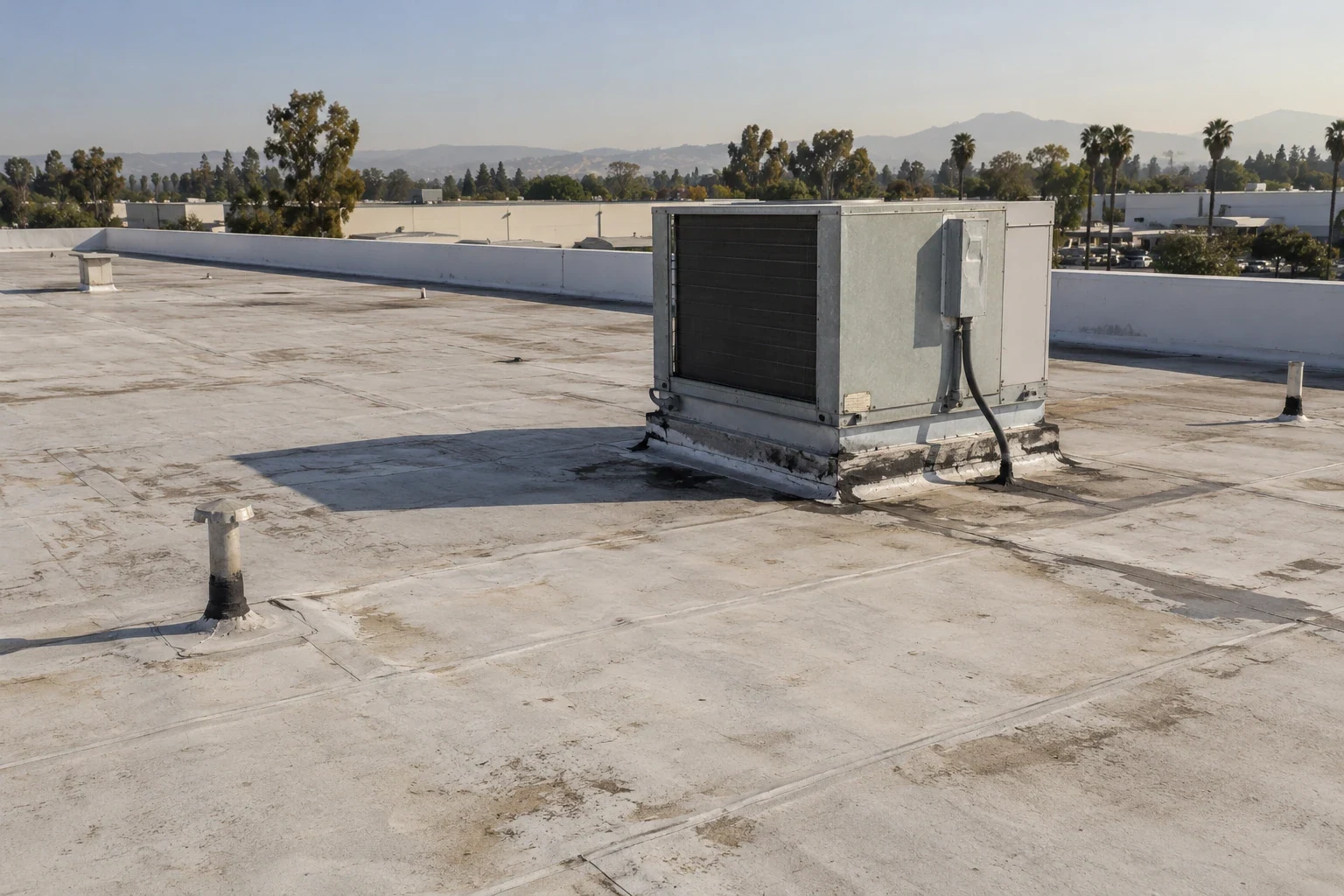
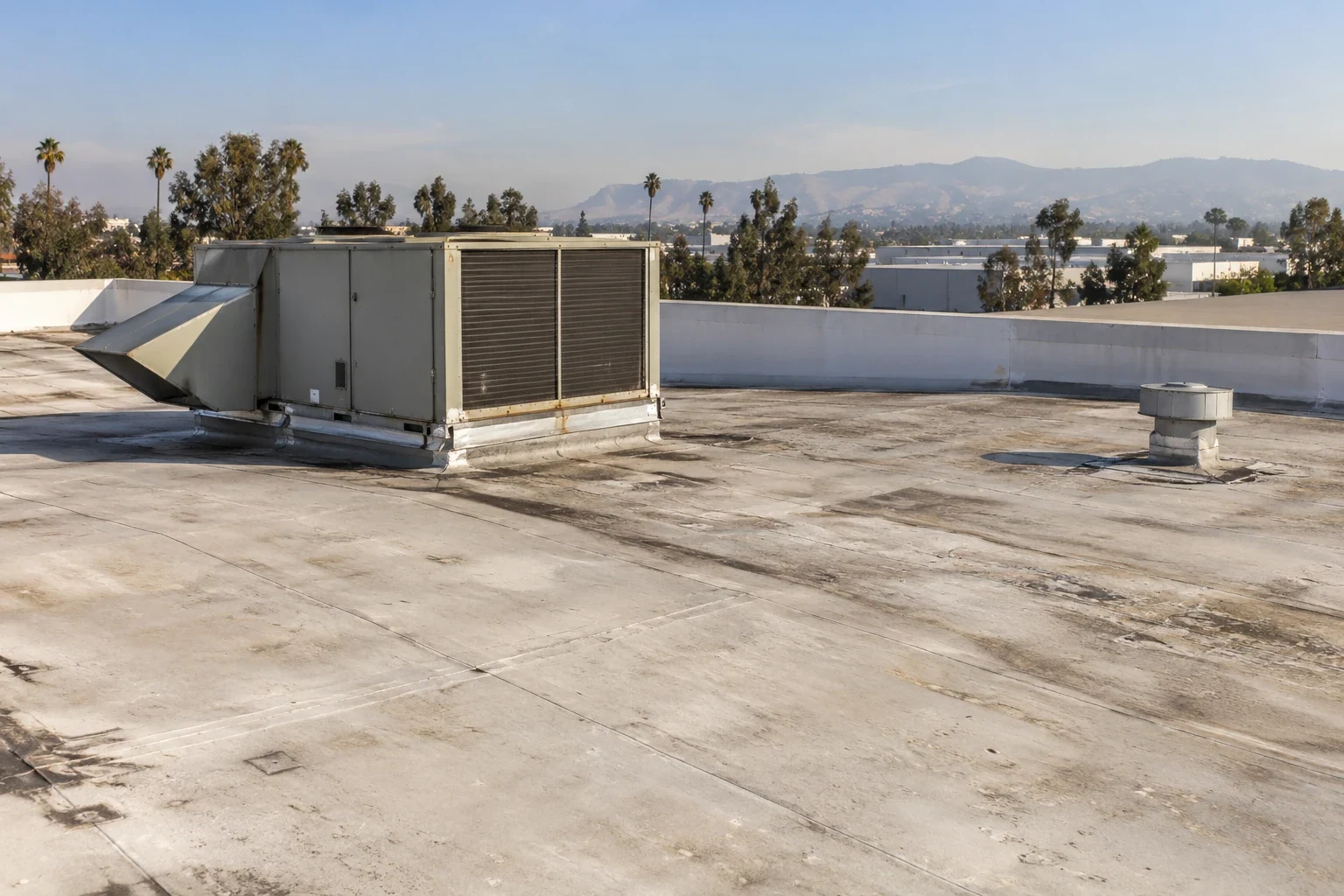
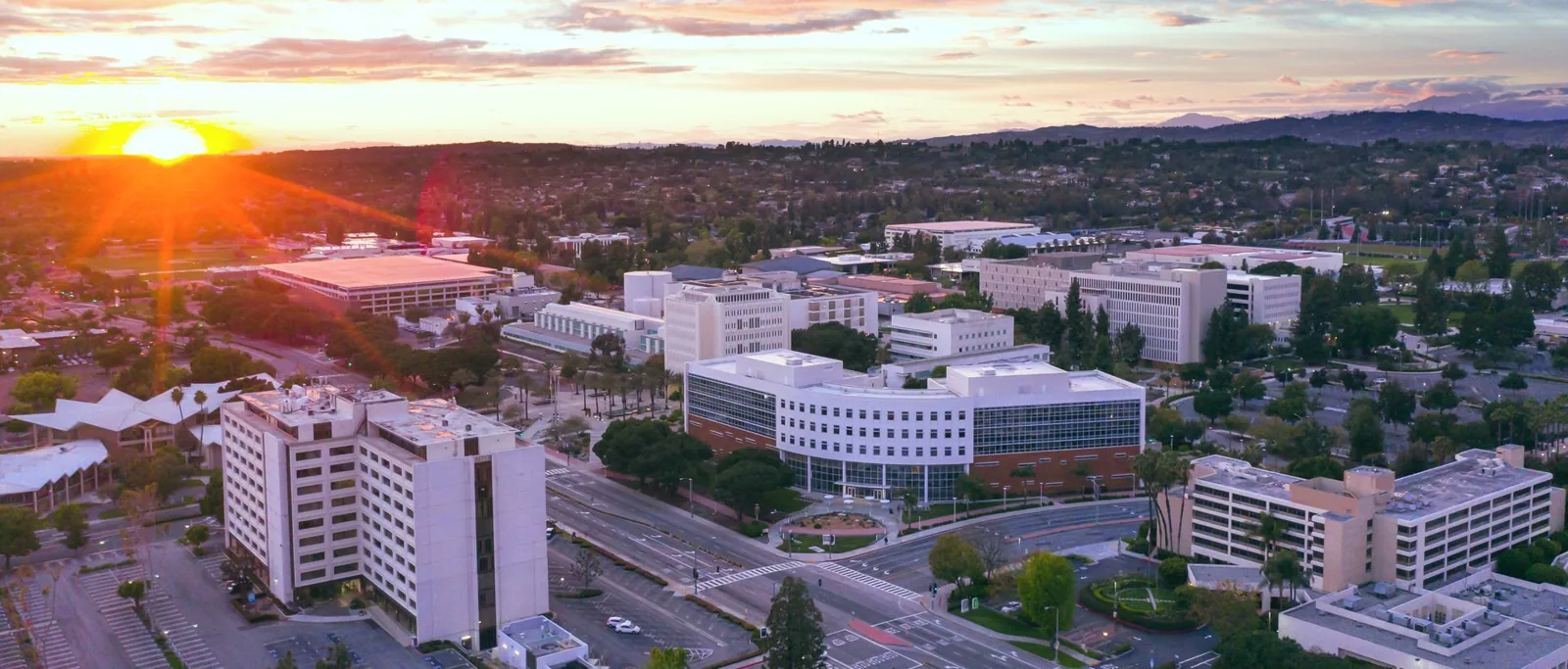
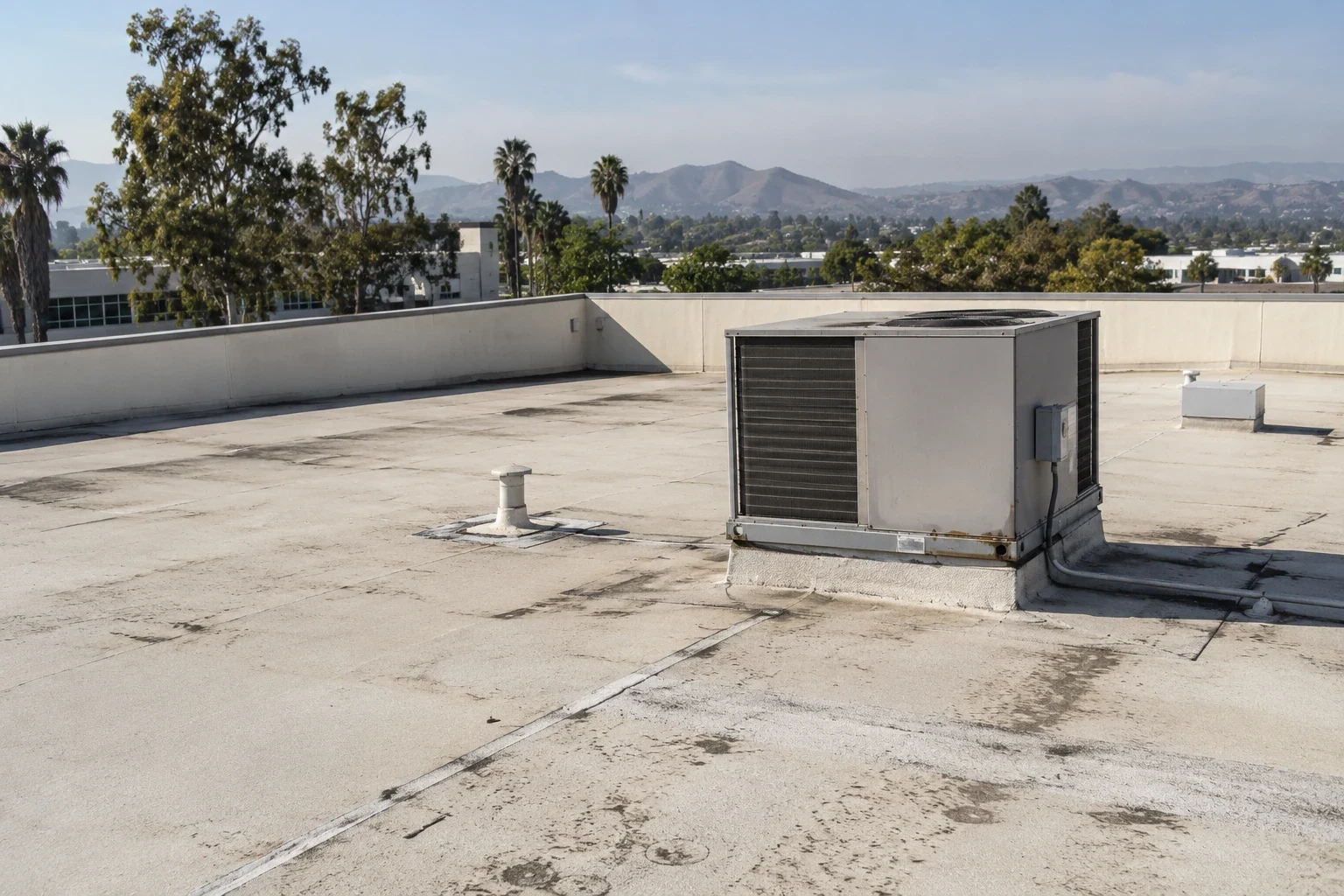
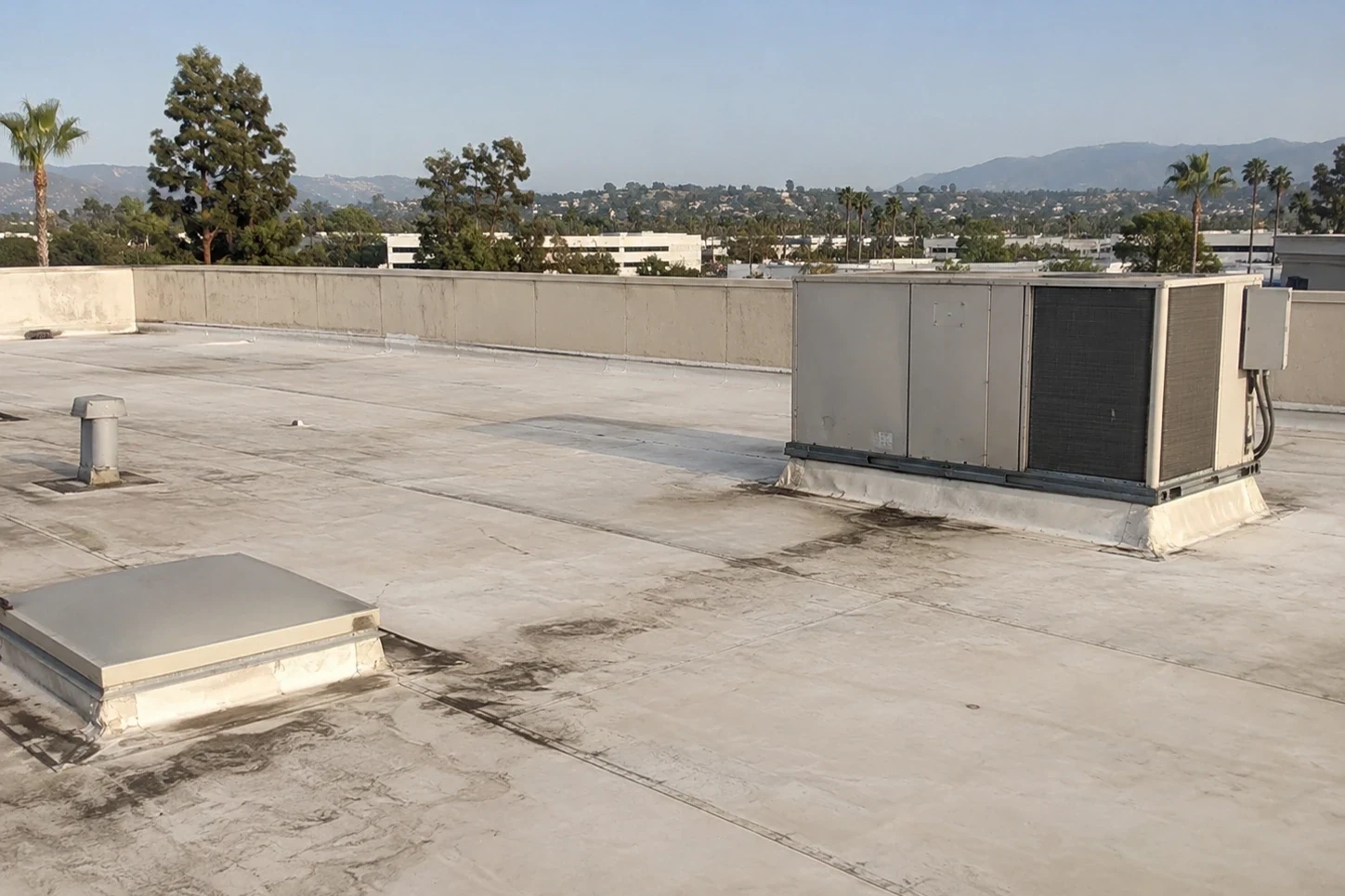
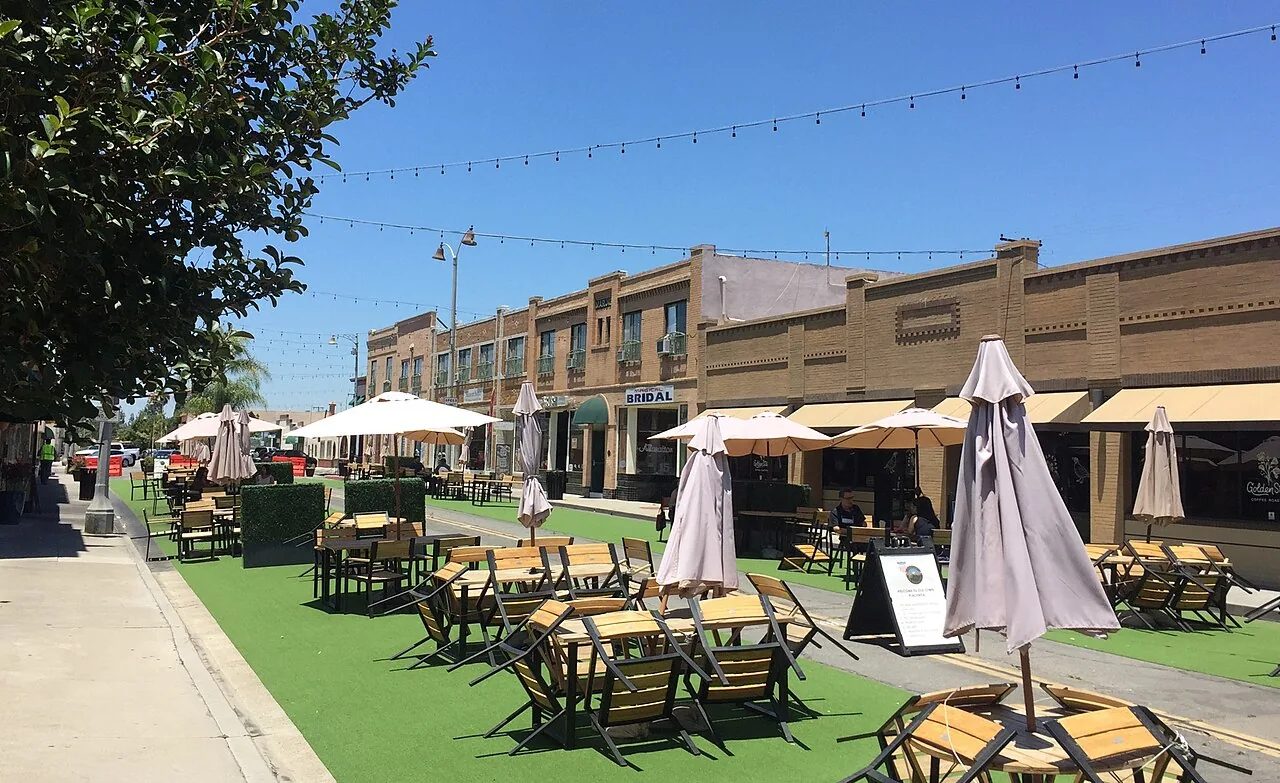
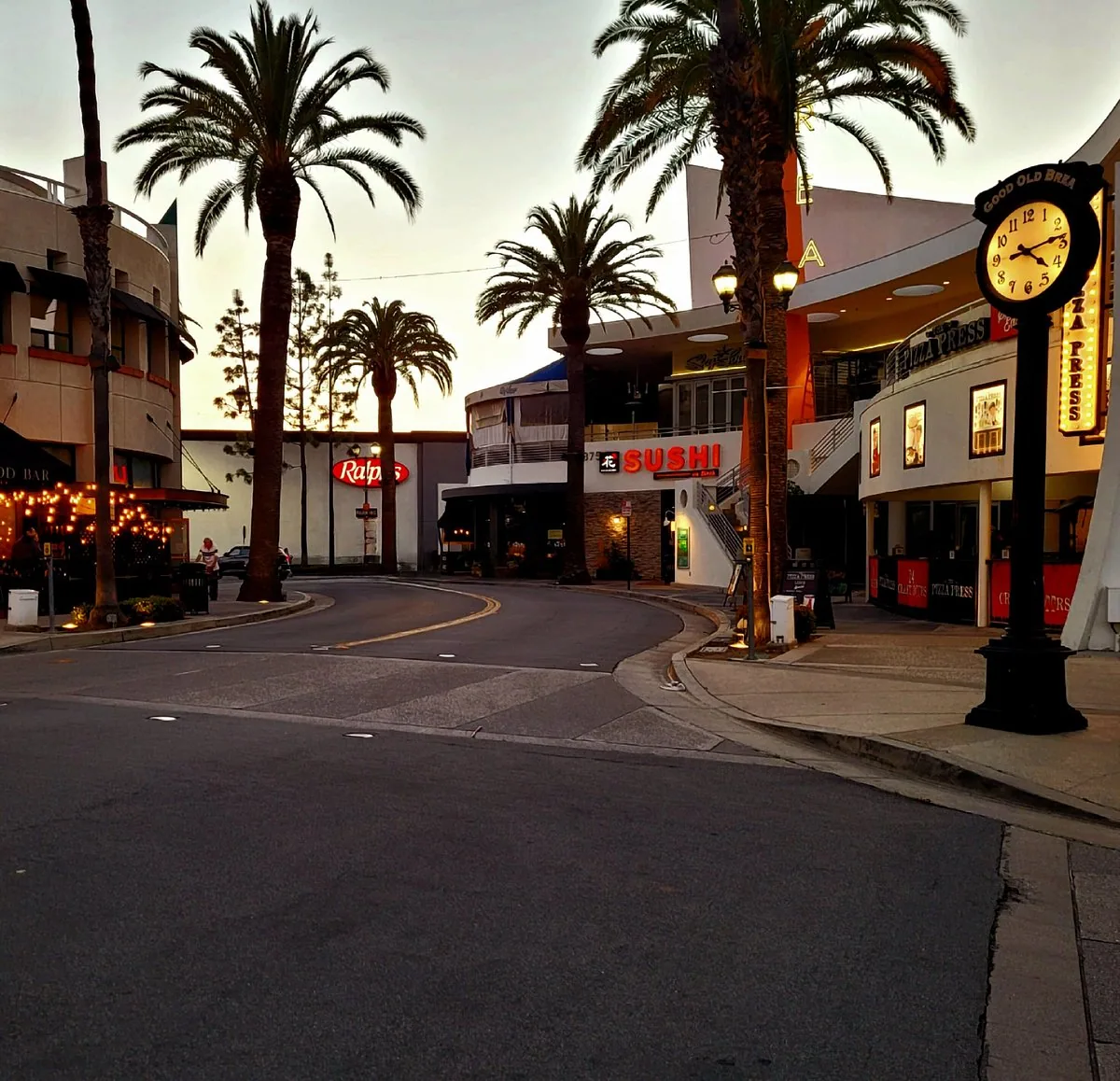
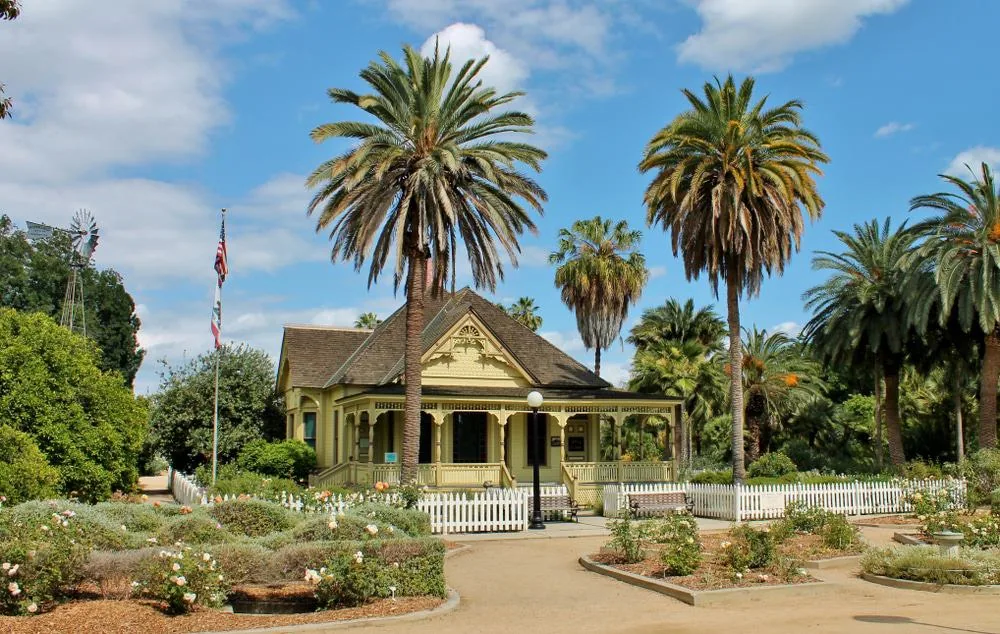
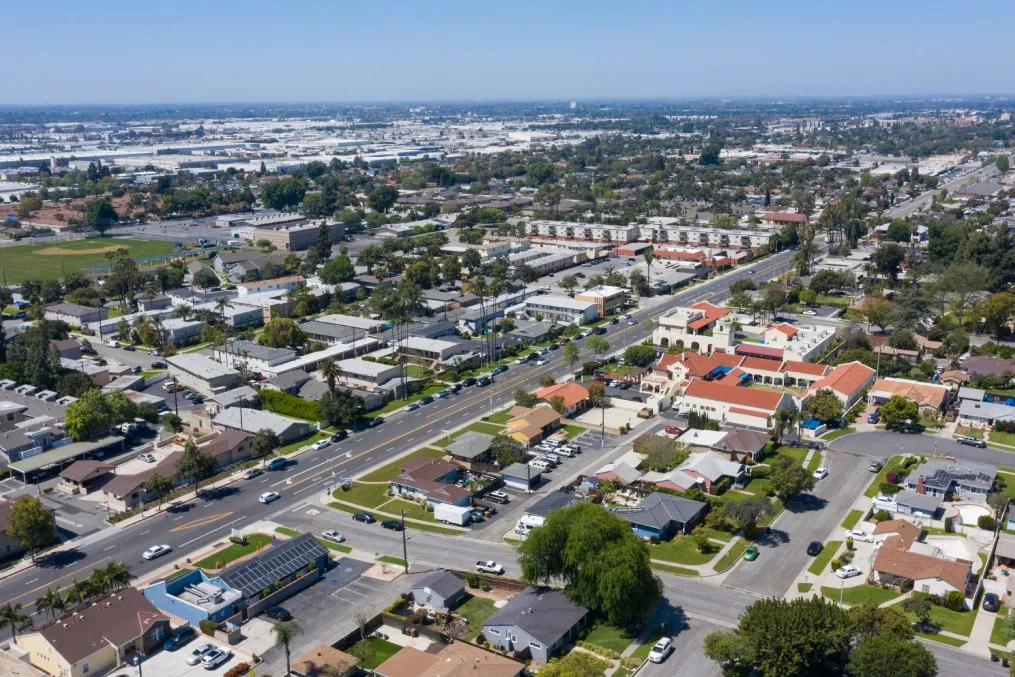
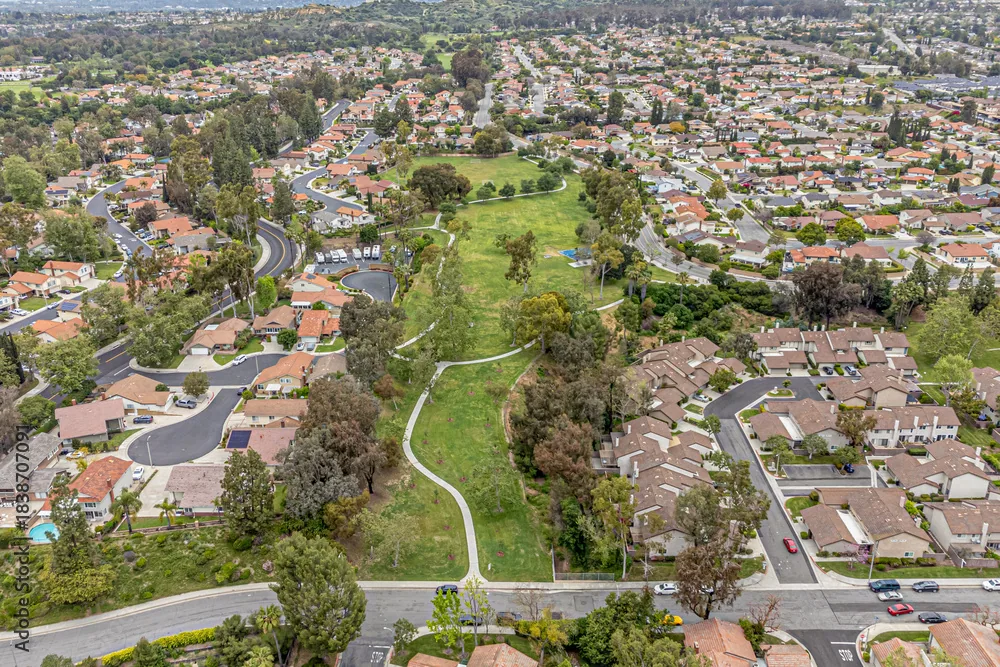
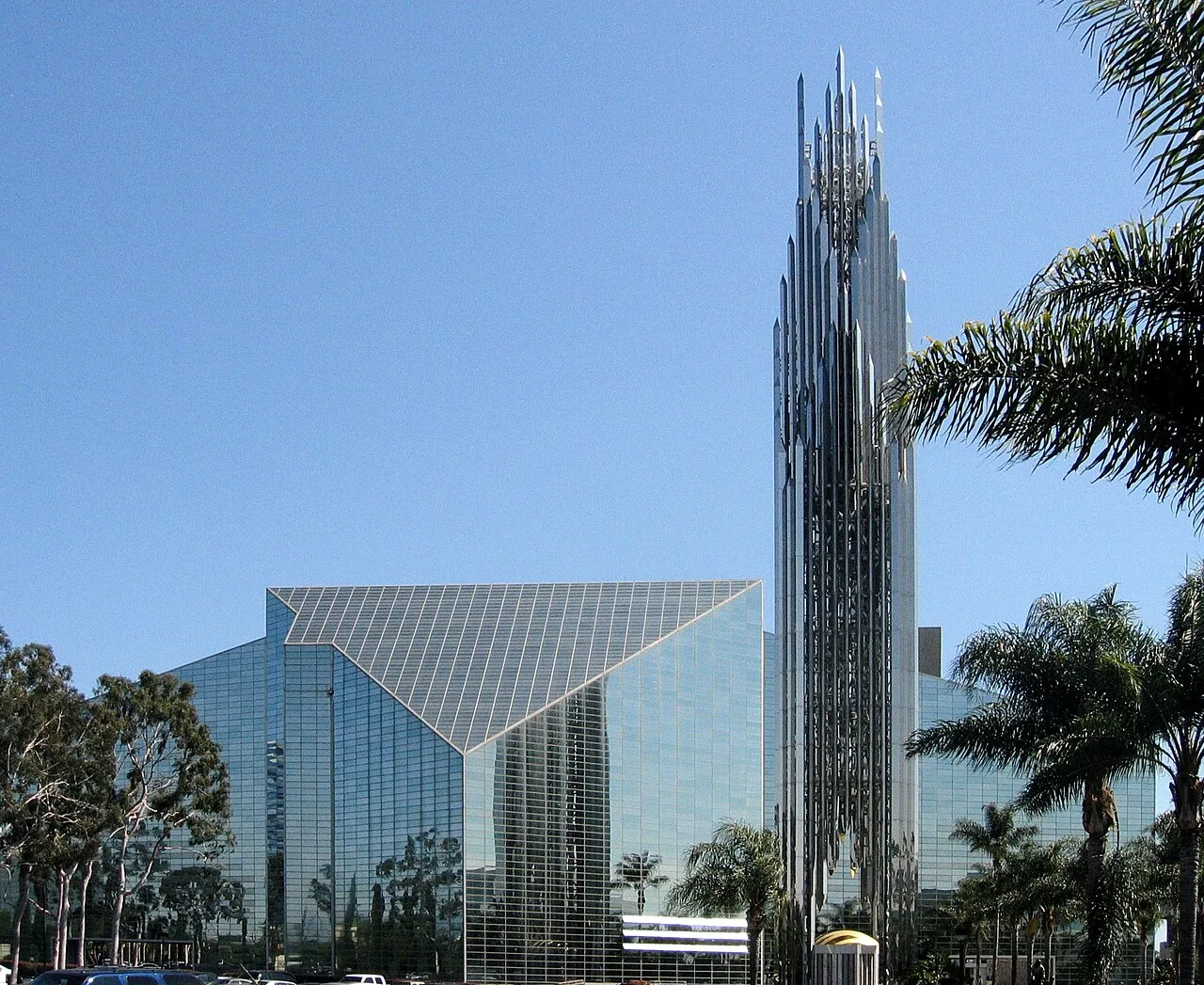
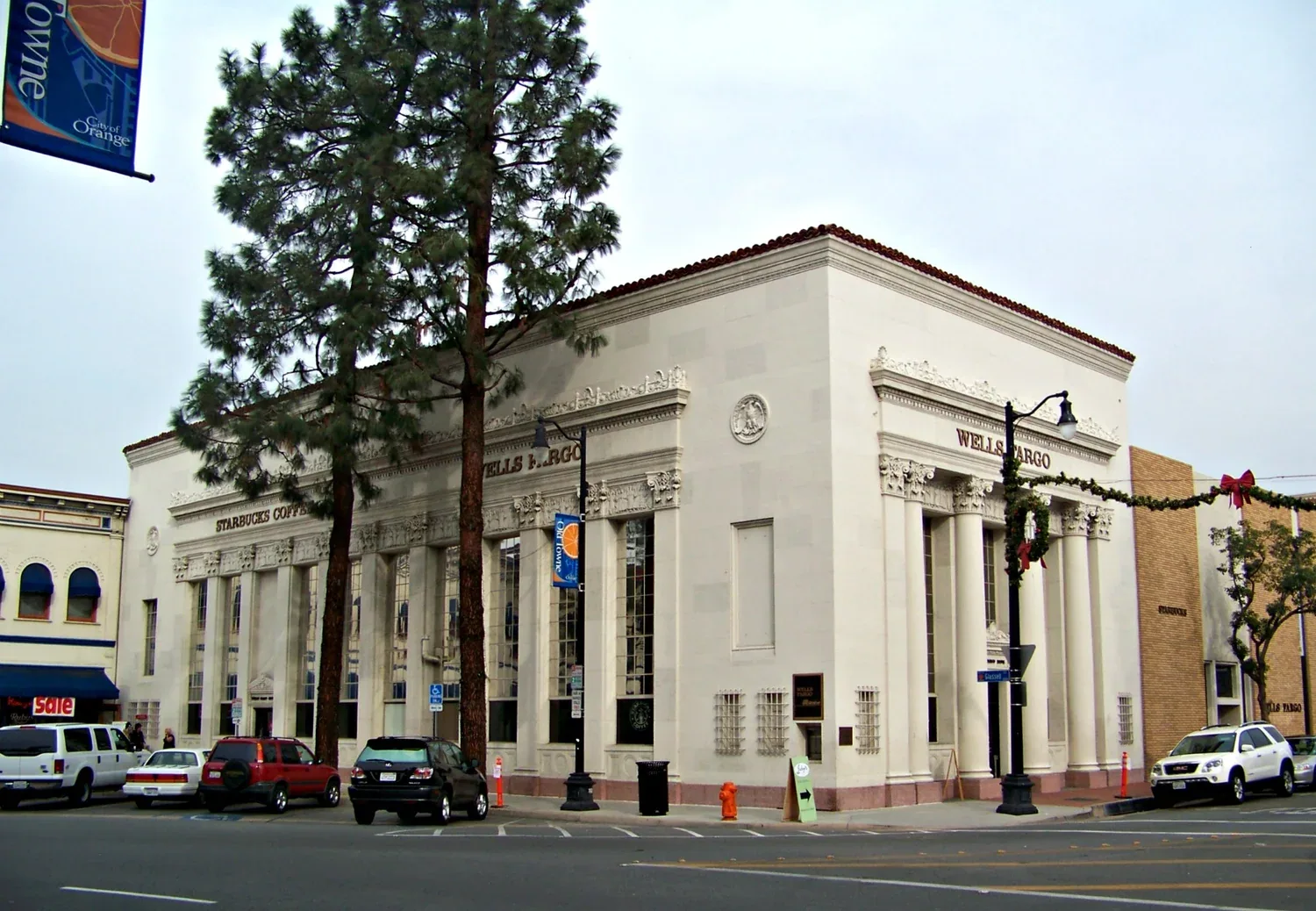

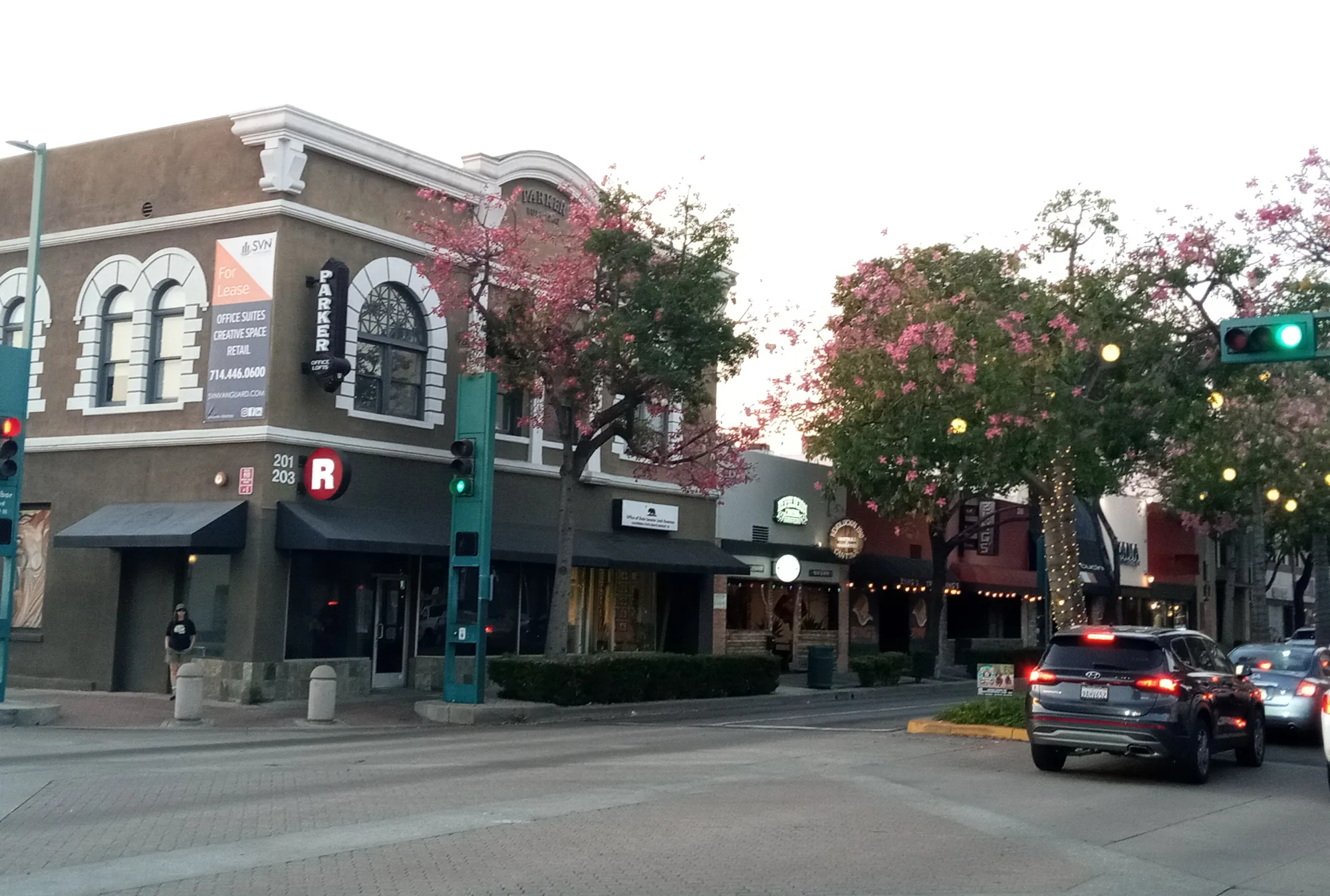
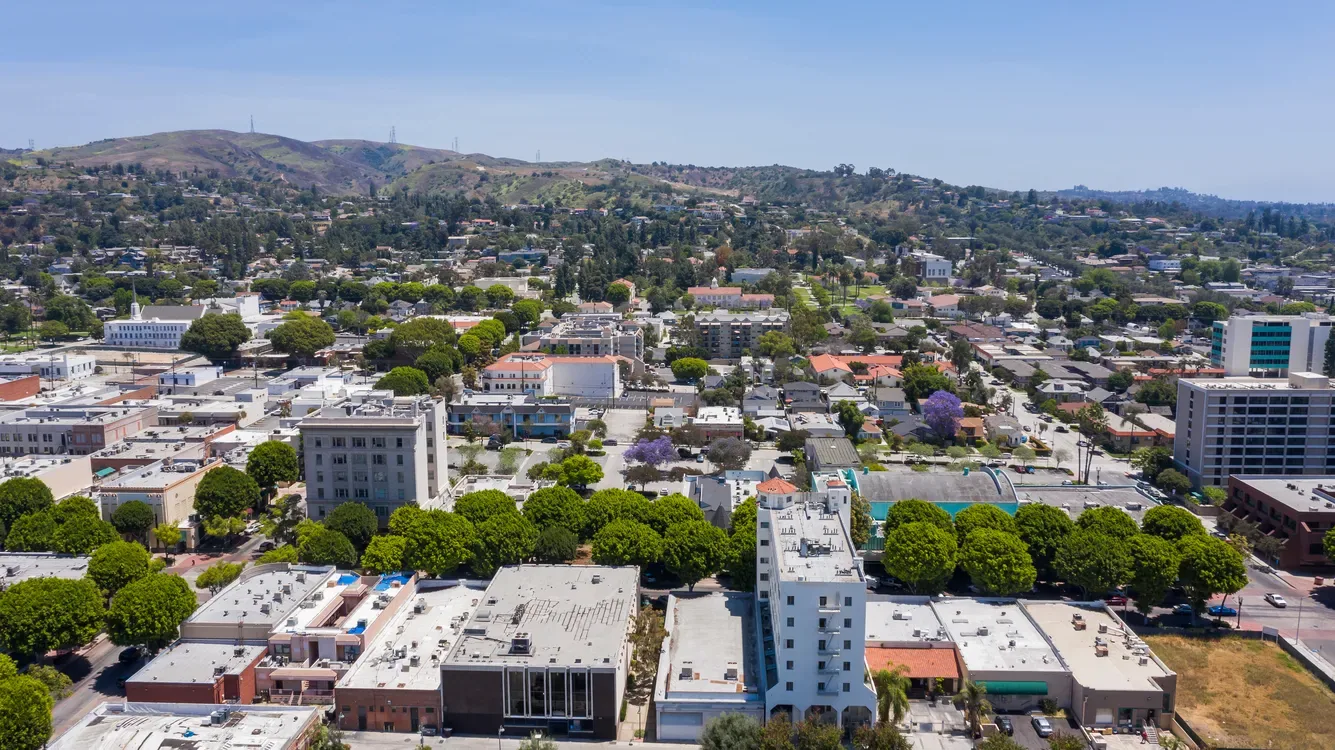
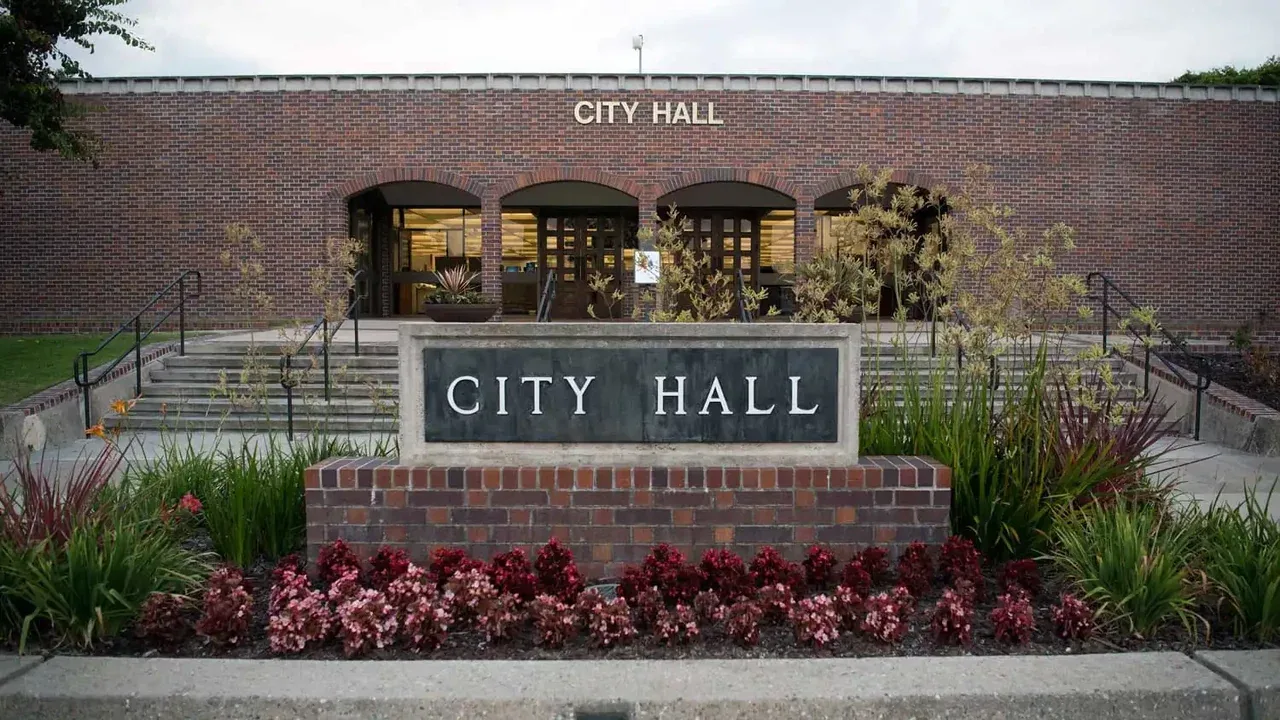
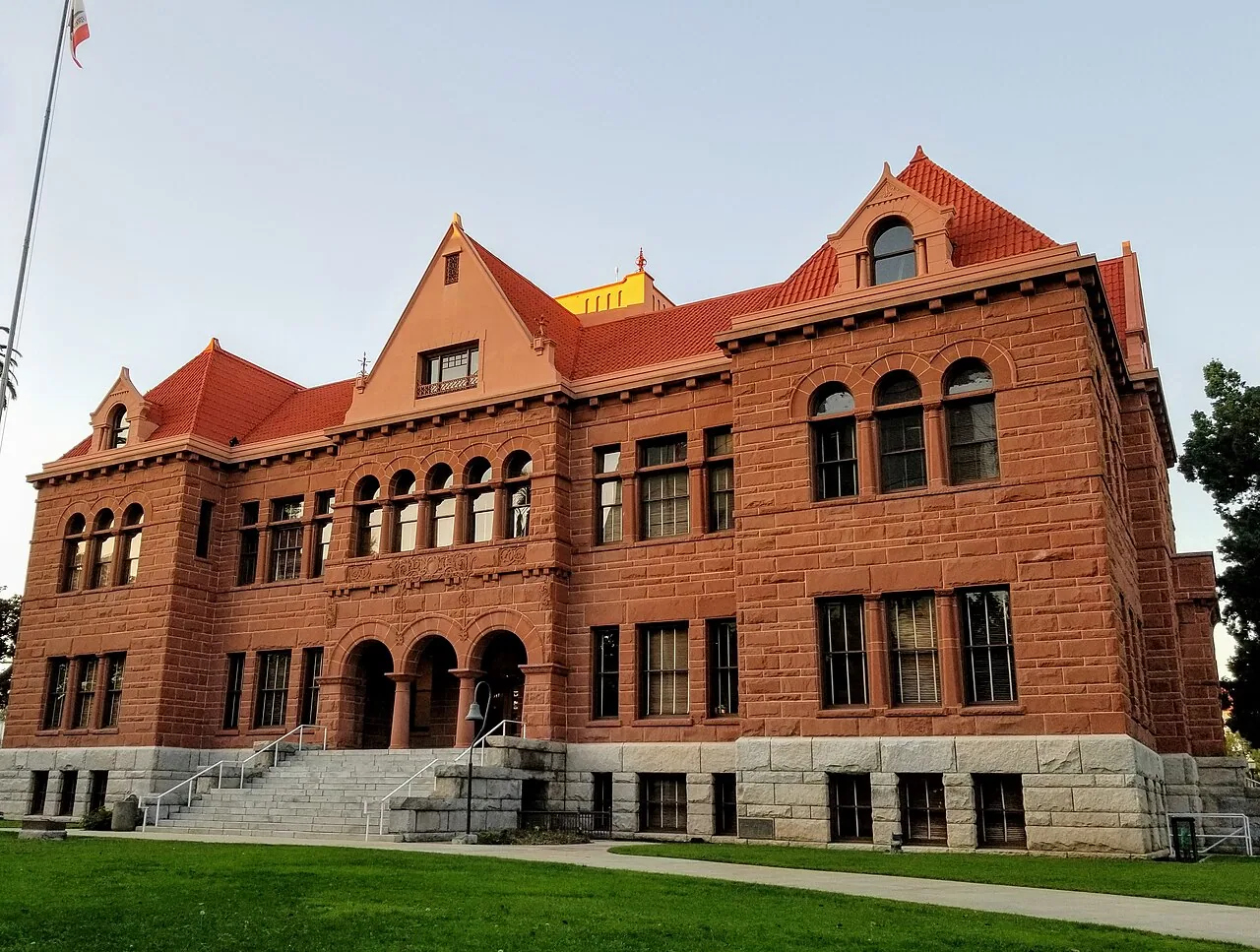
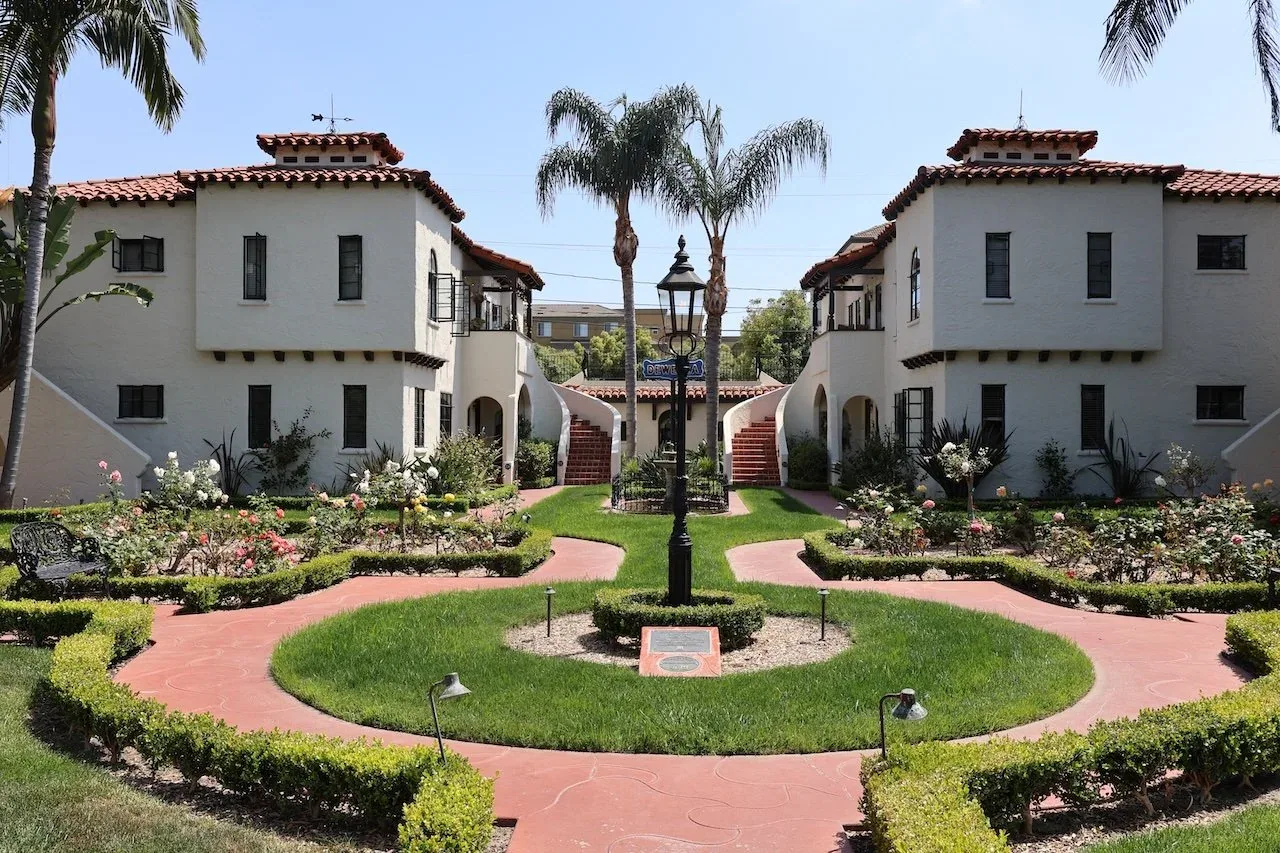
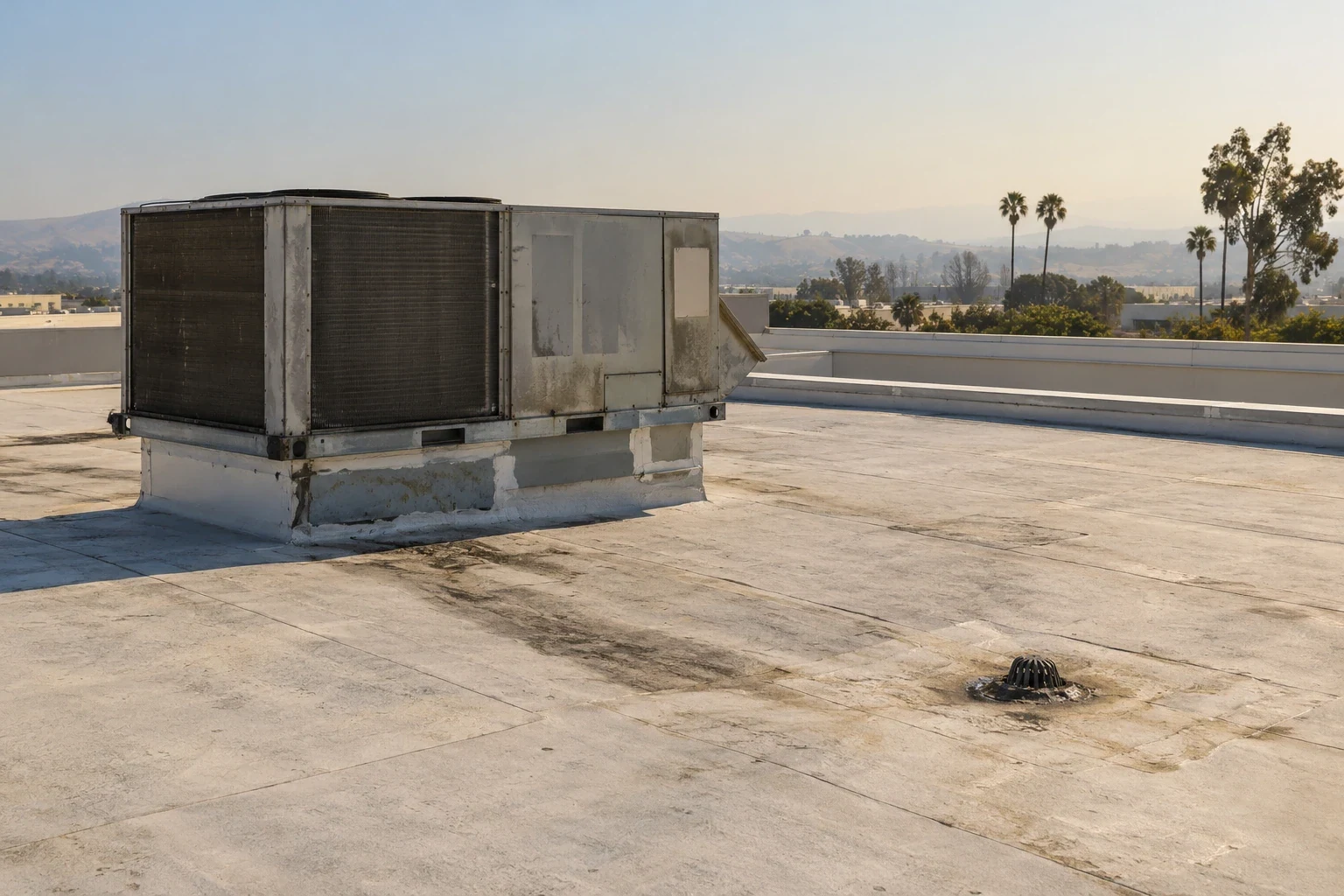
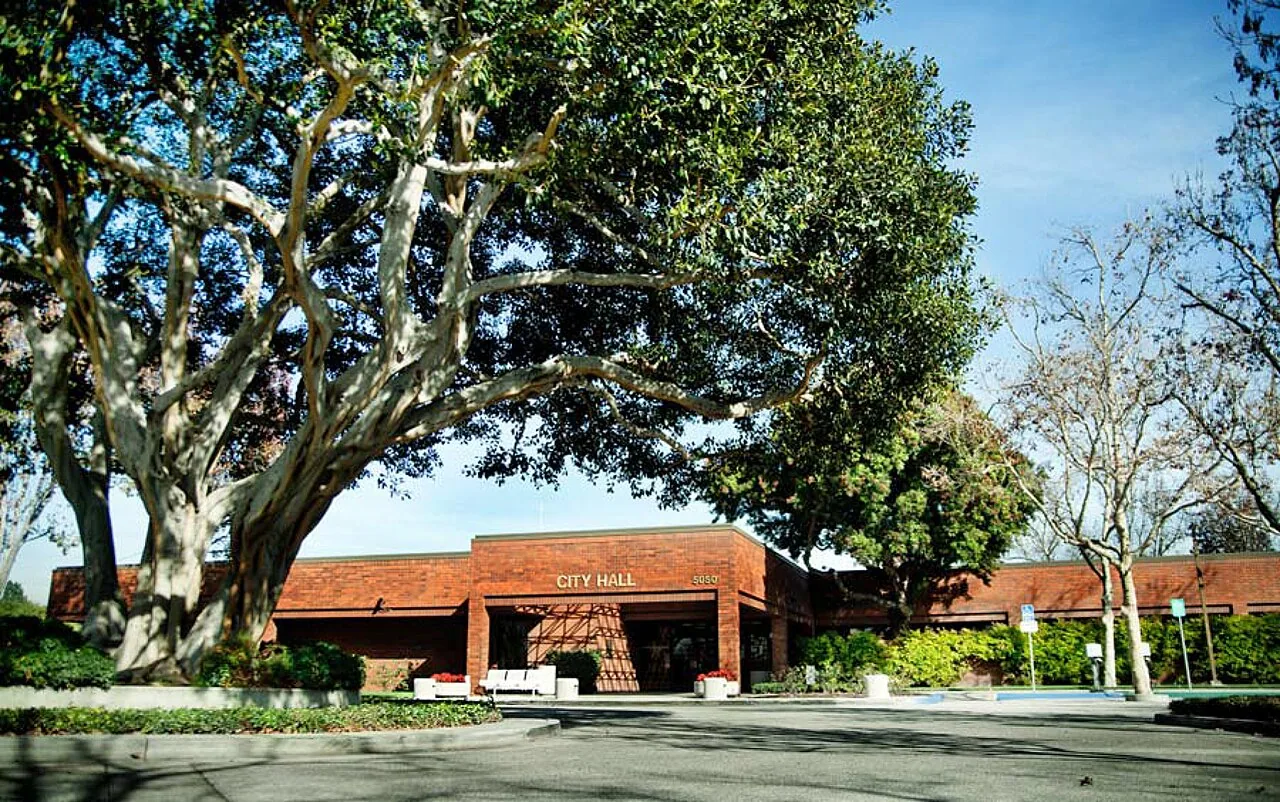
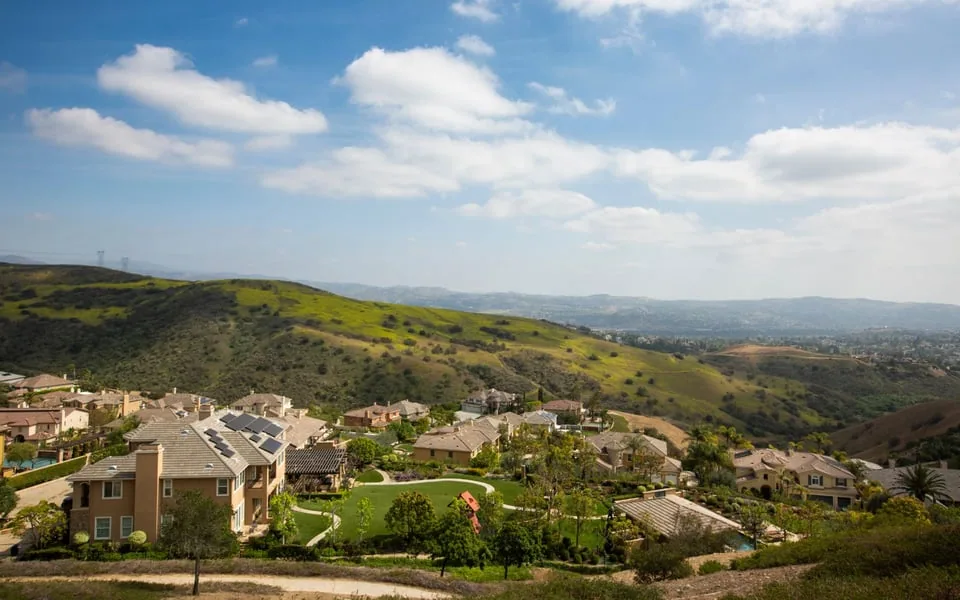
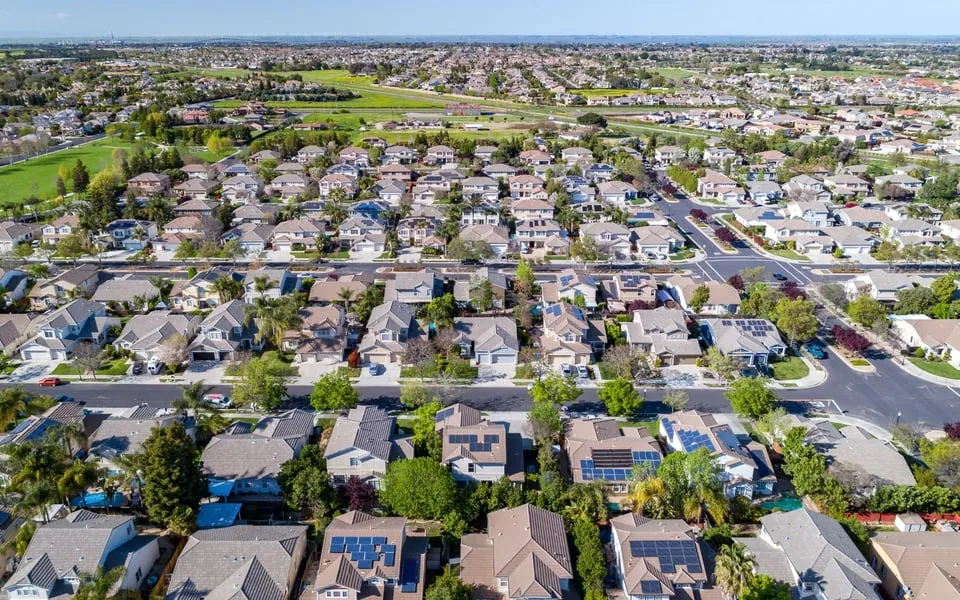
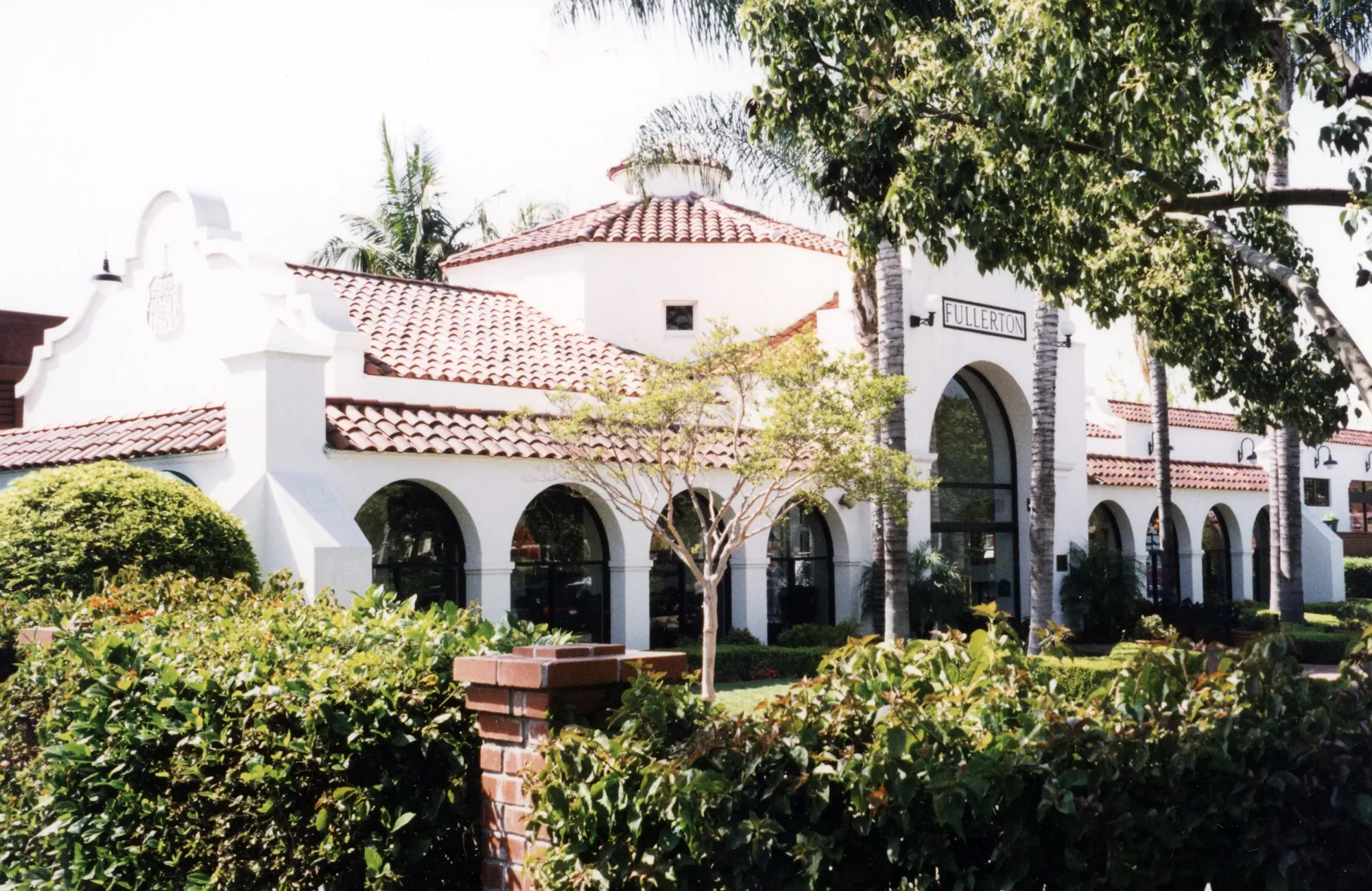
A roof entrance beyond an active property gate requires a contact who can arrange access; a district or city label alone cannot identify that person. Commercial roofing coverage includes Fullerton planning districts, transportation corridors, and neighboring municipalities, but a map label cannot confirm roof condition or a building’s access route. Start with the property location and the person authorized to coordinate a site visit. Each named municipality or corridor is a broad geographic coverage target; the building still needs its own inspection. If a property sits near a boundary or has multiple buildings, identify each roof zone so the correct location can be discussed.
Start with the property’s Fullerton district or corridor
For a property in the city's southeast employment geography, we coordinate roof access and staging with the owner’s operating needs. The Southeast Industrial Focus Area and North Industrial Focus Area include different roof zones and access routes. Along the North Harbor Corridor or near Harbor Gateway, identify the actual address before arranging a visit. Properties in the Commonwealth Corridor, Chapman Corridor, Downtown Fullerton, and Orangethorpe Avenue Corridor also need address-specific access planning. The Amerige Heights planning district is a broad geographic target, not an individual building.
Review nearby incorporated cities
Commercial roofing work may involve Anaheim, Brea, or La Habra. We confirm the municipality, street address, and authorized site contact before discussing a project. A postal city can differ from the incorporated jurisdiction, so the actual location matters when permits or owner requirements apply. Geography alone does not establish roof condition, property access, contractor appointment, or a start date. Provide the building designation and access contact when requesting a discussion.
Prepare the property details before requesting service
For an occupied commercial building, note hours, tenant access, roof entry controls, loading activity, rooftop equipment, and any restricted work periods. Share available roof plans, repair history, leak reports, photographs, and known assembly information. Separate urgent water-entry concerns from longer-term capital planning so the first response can address the right question. If an address includes multiple structures, label them consistently. These details help determine whether the next step is an inspection, leak investigation, repair discussion, or broader comparison; they do not predetermine the scope.
Treat distance as context, not an operating promise
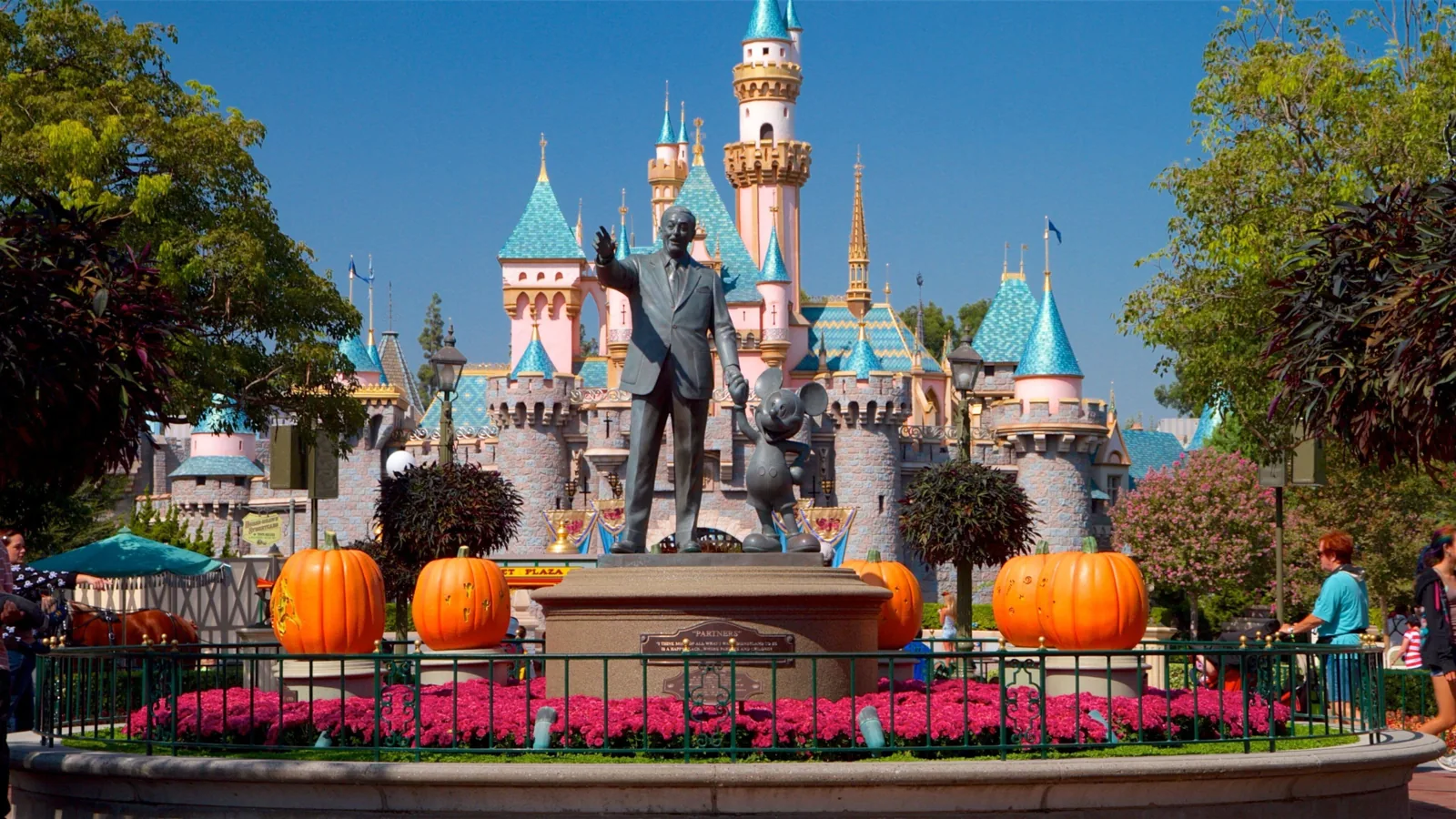
Nearby cities can be part of a practical service region, but routing depends on the property location, current schedule, site access, and the work requested. A place name is not a promise of same-day response, emergency availability, or a specific service radius for every project. We confirm the property address, requested work, and access details before arranging a visit. For campuses, airports, venues, or large complexes, identify the responsible building and access authority rather than using the destination name alone. The authorized site contact determines whether a visit can be arranged.
Use the route as a starting point for a real request
Identify the city or broad district, then provide the street address, building designation, roof access contact, and operating constraints. Include the decision the owner needs to make and any documents available for review. If the property lies outside the named areas, ask whether it can be considered instead of assuming coverage from proximity. We confirm access and discuss whether an inspection or scope conversation is the right next step. A geographic service target does not replace that property-specific exchange.
Commercial Roofing Questions
Does a city in the coverage list confirm project availability?
No. Confirm the property address, requested service, timing, and site access directly before relying on coverage information.
What if the postal city and municipality differ?
Provide the street address and verify the jurisdiction that applies to the property.
Can a large campus or venue be used as the service-area target?
Use a real city or broad district for the target, then identify the specific building and authorized access contact in the inquiry.
Does a geographic service area confirm emergency response?
No. It describes geography only. Response timing and availability must be confirmed for the specific request.