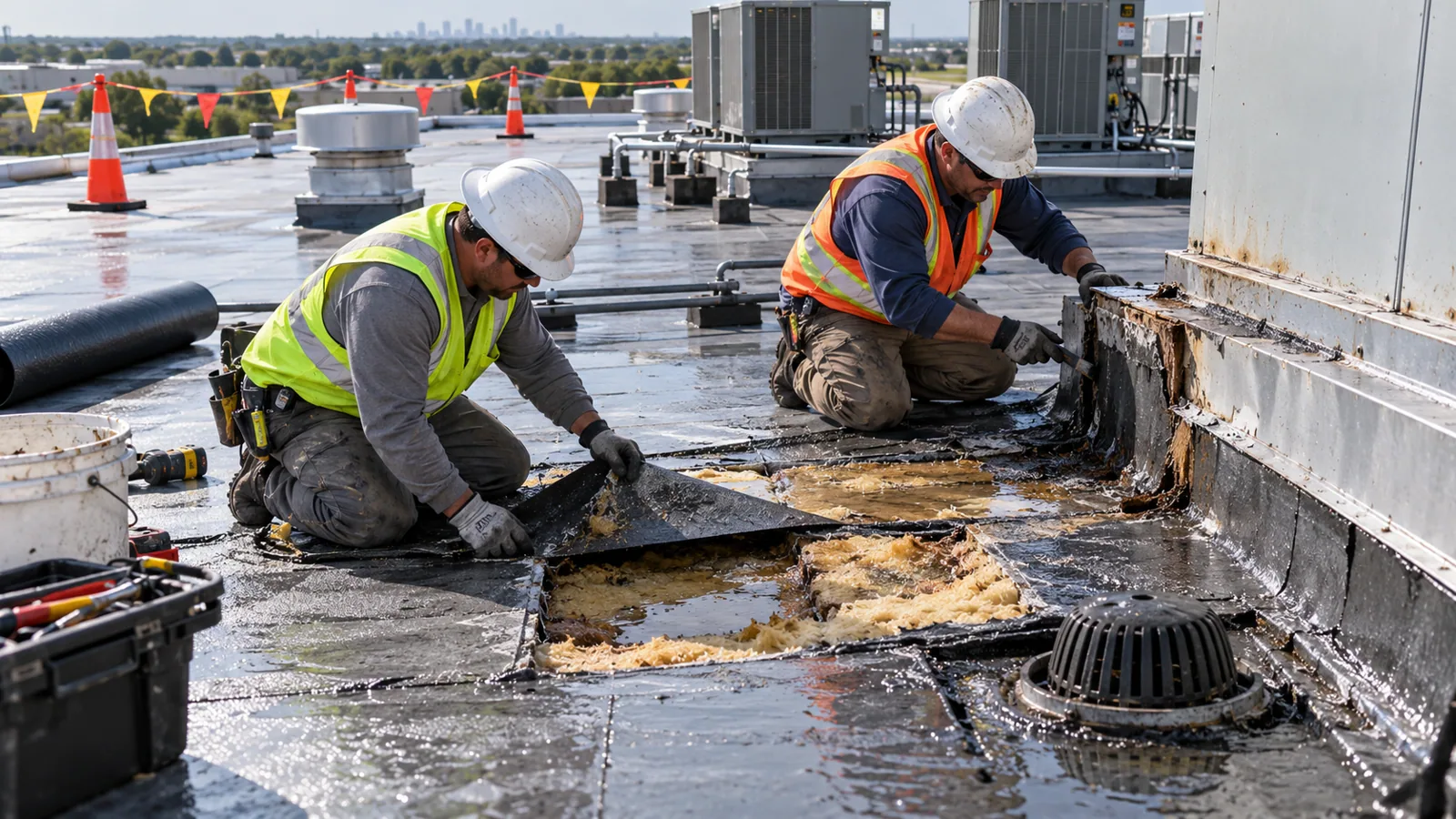

Coordinate emergency commercial roof repair in Fullerton with occupant protection, safe roof access, temporary weather control, and documented follow-up.
Roof leak, storm damage or an inspection coming up?
A hot afternoon can shorten a safe roof-work window in Fullerton; the airport's long-term normal records 39.4 days per year at or above 90°F, but dispatch decisions must use current conditions and the actual site. First establish whether water is active, whether occupants or equipment face immediate exposure, and who can authorize access. Keep people away from unsafe roof areas while the building team follows its protection procedure. The service visit should document temporary controls separately from permanent repair recommendations. If the affected property lies within the broad Southeast Industrial Focus Area, that city geography may help orient the conversation but says nothing about its roof condition. Provide the address, site contact, access limits, and active-water status so response details can be confirmed without assuming a particular arrival time.
Protect people and building operations
Keep occupants away from wet electrical equipment, unstable ceilings, falling material, or other hazards and follow the property’s emergency procedures. Roofing staff should not enter an unsafe area or work in conditions that exceed their training or equipment. The manager can arrange interior protection, move vulnerable contents where safe, and notify affected users without making a diagnosis. If the source could involve plumbing, HVAC, electrical, or structural systems, bring in the qualified trade responsible for that system. An incident log should capture time, weather, affected room or zone, temporary actions, and the contact who approved them. That record helps the next responder understand what changed before arrival.
Set a safe dispatch and access plan
Before dispatch, confirm the property address privately with the customer, the authorized contact, gate or escort needs, parking and staging limits, roof entry, and any restricted areas. Ask whether water is active, whether the affected area is occupied, and whether temporary protection is already in place. Do not ask a caller to climb onto the roof or approach an electrical hazard. A clear route saves time while respecting site controls. NOAA normals for Fullerton indicate many days with high temperatures at or above 90°F over a typical year, but those long-term figures do not establish same-day weather or work safety. The field lead should assess actual conditions and follow job hazard procedures.
Inspect before selecting a temporary measure
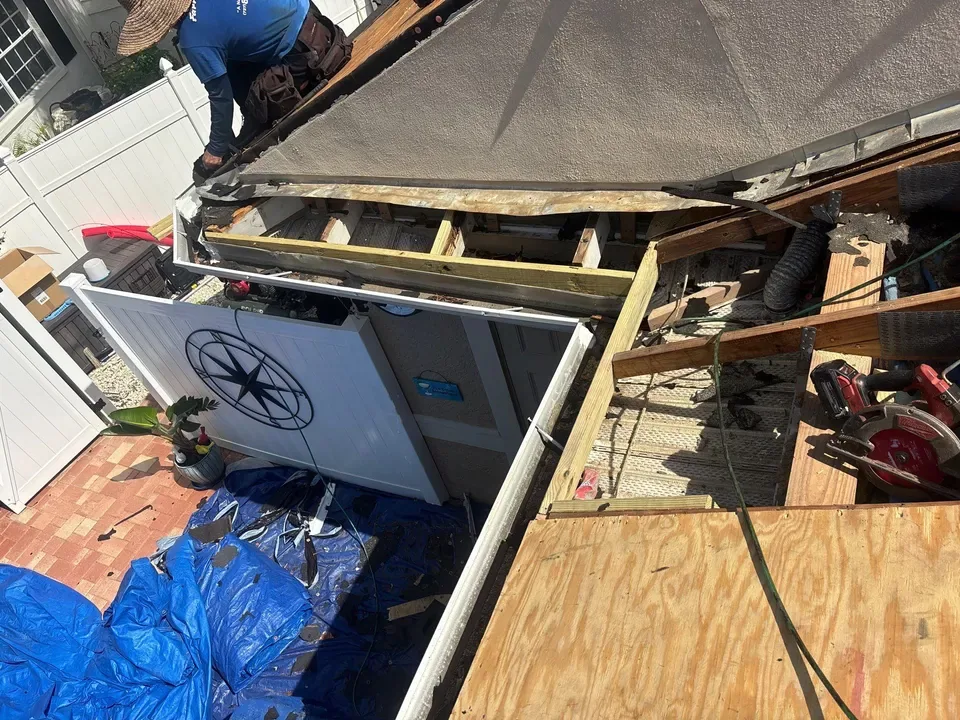
At the roof, document the system, visible opening or displacement, nearby seams and transitions, drainage, and any recent work. Water may travel before entering the occupied space, so the interior stain is not automatically the roof opening. The inspection should identify what was reached and what remains uncertain. A temporary cover or patch must be compatible with the assembly and secured for the expected exposure; it should not obstruct drains, create a trip hazard, or conceal an unresolved unsafe condition. Link observations to photographs and roof-plan locations. The team can then determine whether a leak investigation or broader roof inspection is the right next step.
Define the permanent repair boundary
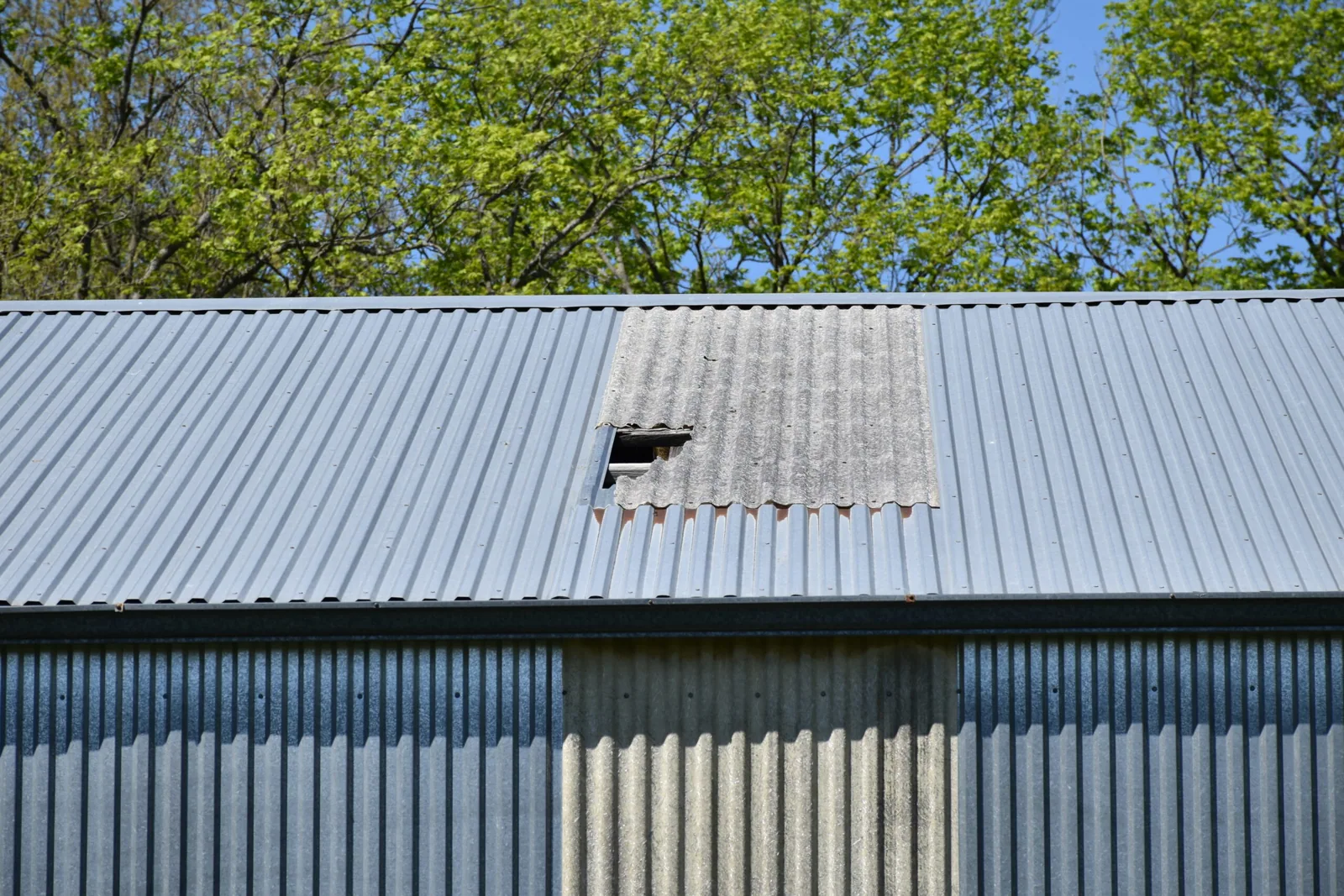
Once evidence supports a repair, describe preparation, material compatibility, dimensions, edges, penetrations, and verification. Include adjacent details only when inspection supports their inclusion. State the process for concealed wet insulation, damaged deck, or conditions that expand the scope. Temporary stabilization and permanent repair should be separately identified in the ticket, with the owner’s approval path and any follow-up inspection. For wind-related displacement, compare the observed damage with the wind-damage review and document affected roof sections. If a membrane interface is involved, use the manufacturer’s current instructions for the appropriate PVC assembly rather than applying a generic sealant.
Coordinate work at an occupied property
A response plan should assign one point of contact for roof access, interior protection, tenant notices, and decisions about a changed condition. Confirm working hours, escorts, delivery route, noise limits, and any need for a qualified trade to isolate or restart equipment. The contractor should explain where a temporary boundary will remain until permanent work is complete and what observations require another visit. Avoid publishing tenant names or private facility details in a public report. For a property along Orangethorpe Avenue, record its actual building address and access directions before dispatch. Confirm the arrival window and access procedure on the property-specific work order before dispatch.
Close the incident with evidence and owners
The closeout should list the reported symptom, date, weather context, areas inspected, limitations, temporary actions, approved repair, products, photographs, and verification method. Mark repairs on the roof plan and note whether a follow-up observation remains open. Provide the owner with the warranty or maintenance implications that apply to the actual assembly. If the source was not confirmed, say so plainly and recommend the bounded diagnostic step rather than stating the issue is resolved. An emergency ticket can feed a longer asset plan if repeated events appear, but one incident does not establish that a full replacement is needed. The property manager should know who owns each open item and how to request the next review.
If access is delayed, maintain safe interior controls and record changes without attempting an unsafe roof entry. Photograph the affected room from a safe location, note whether water is increasing, and protect equipment only under the property’s response procedure. Tell the authorized contact which conditions require escalation to emergency services or a qualified building trade. Keep a timestamped log of calls and temporary measures. The goal is to preserve evidence and reduce exposure until the appropriate person can inspect, not to make a remote diagnosis. For facilities near the Southeast Industrial Focus Area, use actual site directions and access instructions rather than relying on a district label.
The incident ticket should distinguish temporary weather protection from completed roof repair. Record the material used, the exact bounded area, how edges were secured, and what weather or access limit shaped the work. State the expected observation period and who will inspect again. If the temporary measure could affect drainage, fire classification, or warranty conditions, obtain the appropriate approval before installation. When the building returns to normal operation, the owner can compare the ticket with later findings and determine whether a permanent repair proposal is needed. No temporary action should be described as a final resolution without supporting inspection evidence.
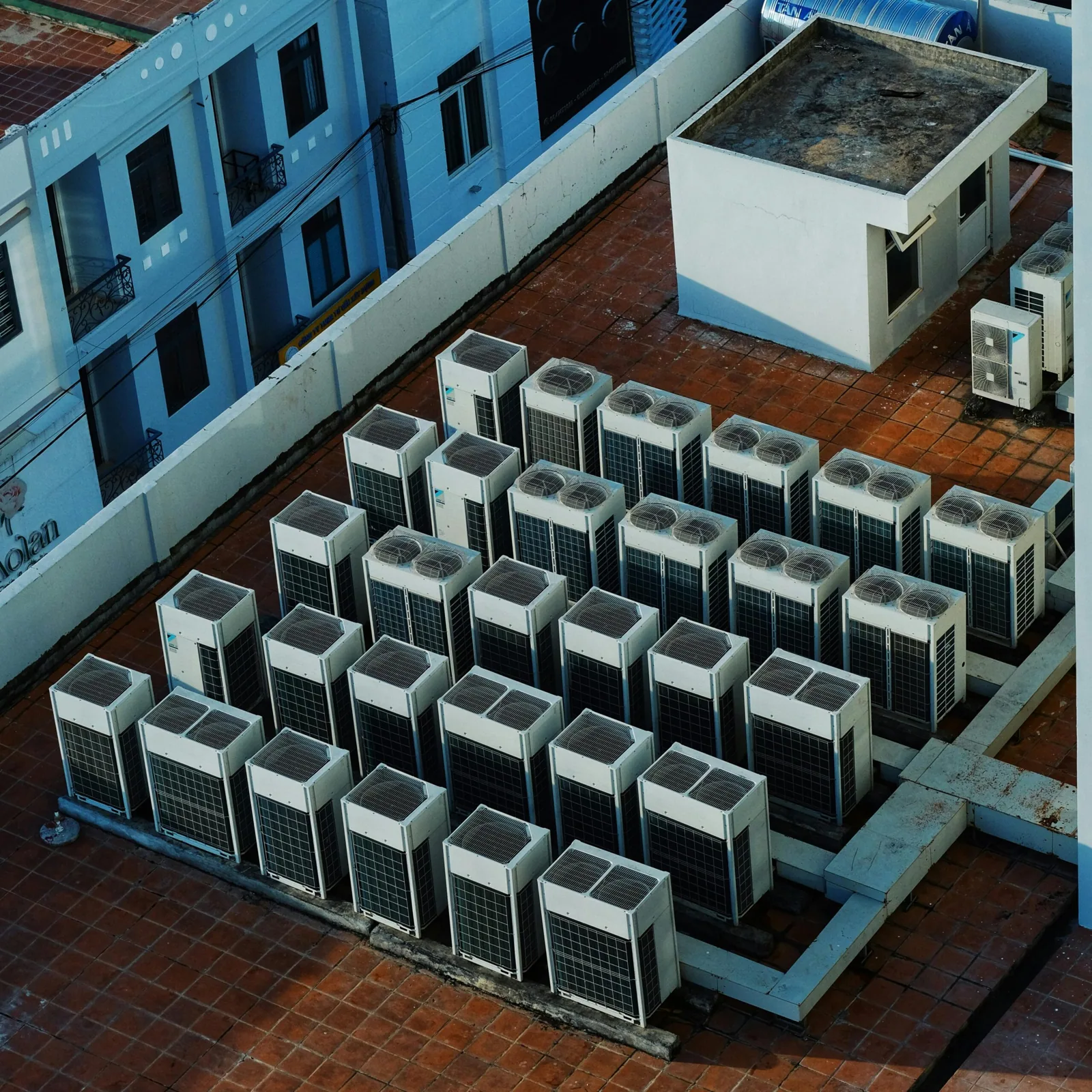
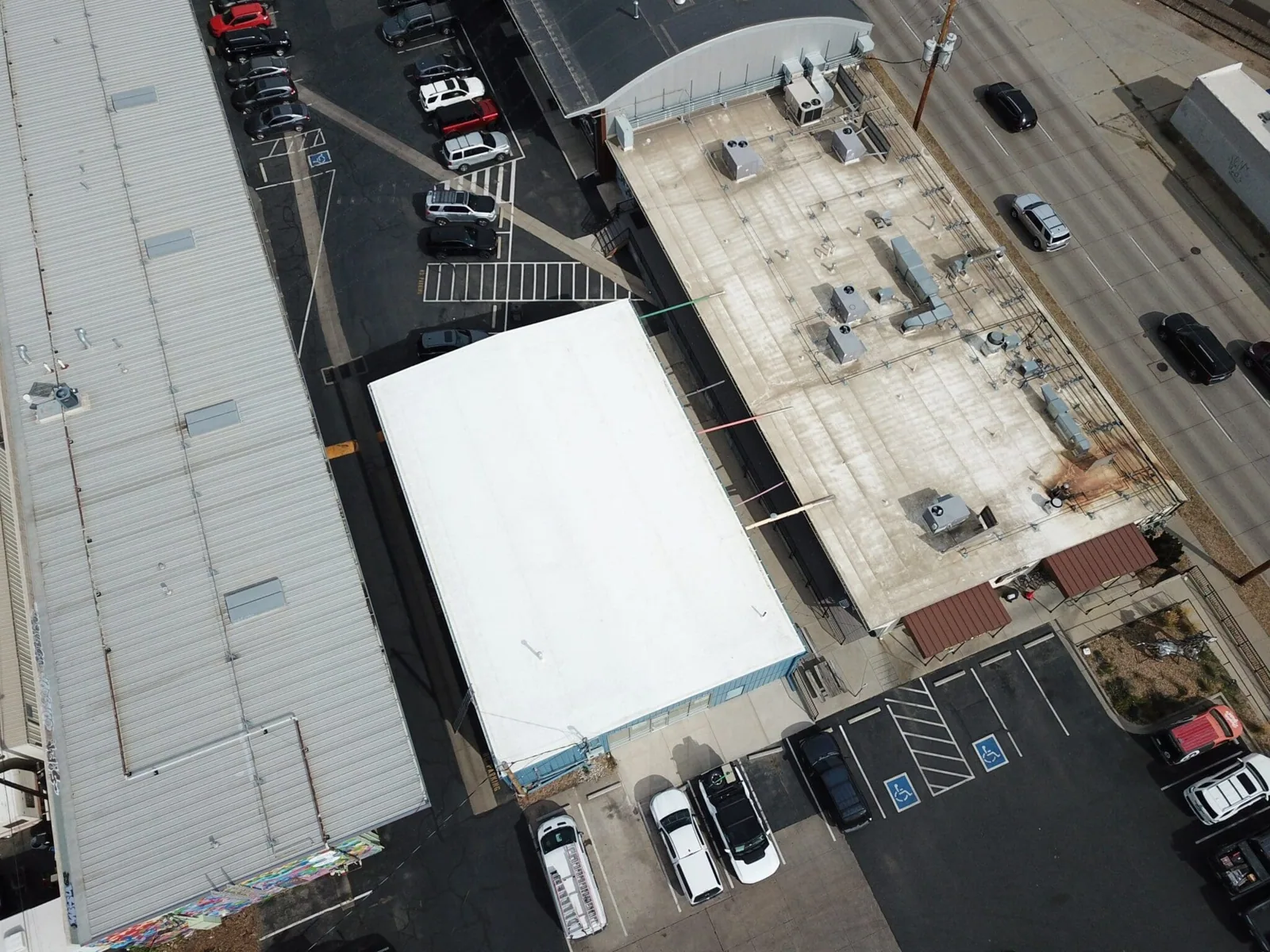
An occupied warehouse or industrial property may need a separate coordination plan for loading areas, deliveries, and rooftop equipment. A warehouse operating profile can prompt the right questions, but only the site contact can confirm its actual circulation and restrictions. Make sure a response crew knows where staging is allowed and how the owner will communicate an access change. If a customer asks for a time estimate, give only the window confirmed for that specific dispatch. Before dispatch, confirm response timing, site access, and repair scope against the property-specific work order and current crew schedule.
When an incident affects several roof zones, number the zones and keep separate notes for each. This lets the property contact match temporary protection to the right area and prevents a later crew from assuming the whole roof received the same treatment. Keep the dispatch record with the customer’s private project file.
Commercial Roofing Questions
What should staff do while a roof leak is active?
Protect occupants and contents using building procedures, keep people away from hazards, and contact the authorized property representative.
Should staff climb onto the roof to place a tarp?
No. Roof access and temporary work should be handled by qualified people under the site safety plan.
Can an emergency visit confirm the permanent repair scope?
Sometimes, but access, weather, and concealed conditions may require a separate diagnostic step before final scope.
Does emergency service mean same-day arrival?
Availability and access depend on the specific request; confirm timing directly with the contractor and property contact.
What records should be kept after the response?
Keep the incident timeline, affected area, photographs, temporary steps, approved work, limitations, and assigned follow-up.