
Inspect built-up roofing in Fullerton for surfacing wear, interply separation, flashings, drainage, and repair or replacement needs with testing.
Roof leak, storm damage or an inspection coming up?
A built-up roof is a layered assembly of reinforcing plies and bitumen, often finished with a protective surfacing. Its visible surface may hide the condition of lower layers, so a repair decision starts with records and controlled observations rather than appearance alone. We ask where leaks appear, how often they recur, and what maintenance or patching has occurred. NOAA's climate normals report an August mean daily maximum of 86.7°F at Fullerton Municipal Airport for 1991 to 2020. That station history is seasonal context, not a measurement of a specific roof. An inspection maps the actual assembly, penetrations, access route, and areas that need closer testing.
What layers may be present in a built-up roof?
A built-up system can include multiple reinforcing felts or fabrics, asphalt or coal-tar pitch, insulation, cover board, and a top layer of aggregate or coating. The number and type of plies vary by installation and later repair. We review submittals, closeout records, and any available core information, then compare it with roof edges and approved sample locations. A visible cap does not confirm what lies below it. If the assembly is uncertain, the owner can authorize a test cut with a documented patch plan. The report identifies each layer observed and distinguishes it from a layer inferred from records. This helps the property manager assess a local repair against partial tear-off or full replacement with a clear account of what remains concealed.
How does surfacing affect inspection and maintenance?
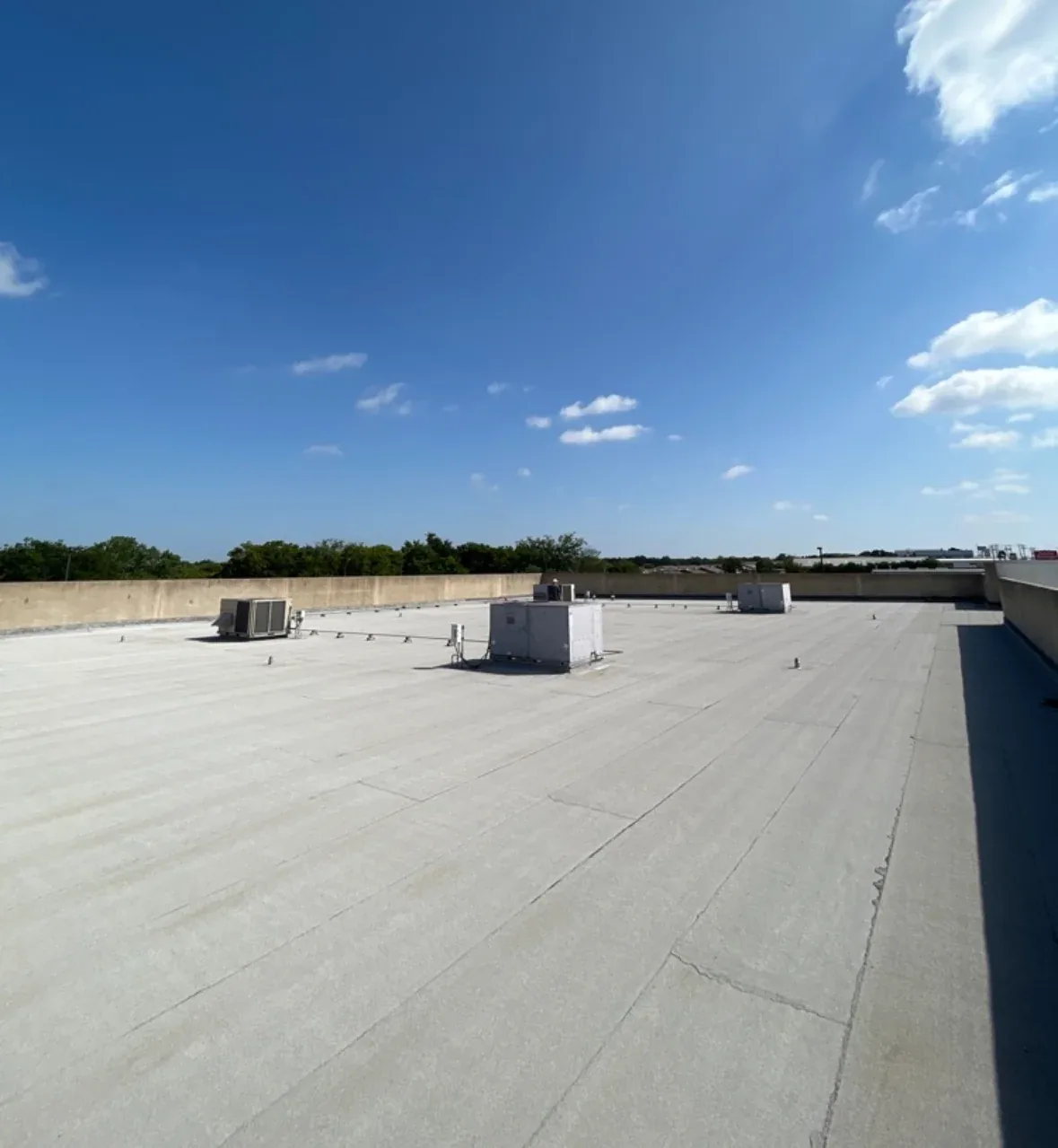
Aggregate ballast or mineral surfacing protects the membrane but can make a small split, blister, or prior patch harder to see. We note areas where surfacing has shifted, exposed asphalt, or collected near a drain, then inspect representative locations without disturbing more material than needed. A coating or smooth cap requires different observations from a gravel-surfaced field. If the owner wants a test opening, the scope names its location and how the area will be closed. Fullerton's General Plan describes the Commonwealth Corridor as a named planning context, but it offers no information about the surfacing on an individual roof. The field record stays specific to the property and marks each area that could not be examined beneath the surface. The photo log notes whether aggregate was replaced after inspection.
How do we trace a leak through multiple plies?
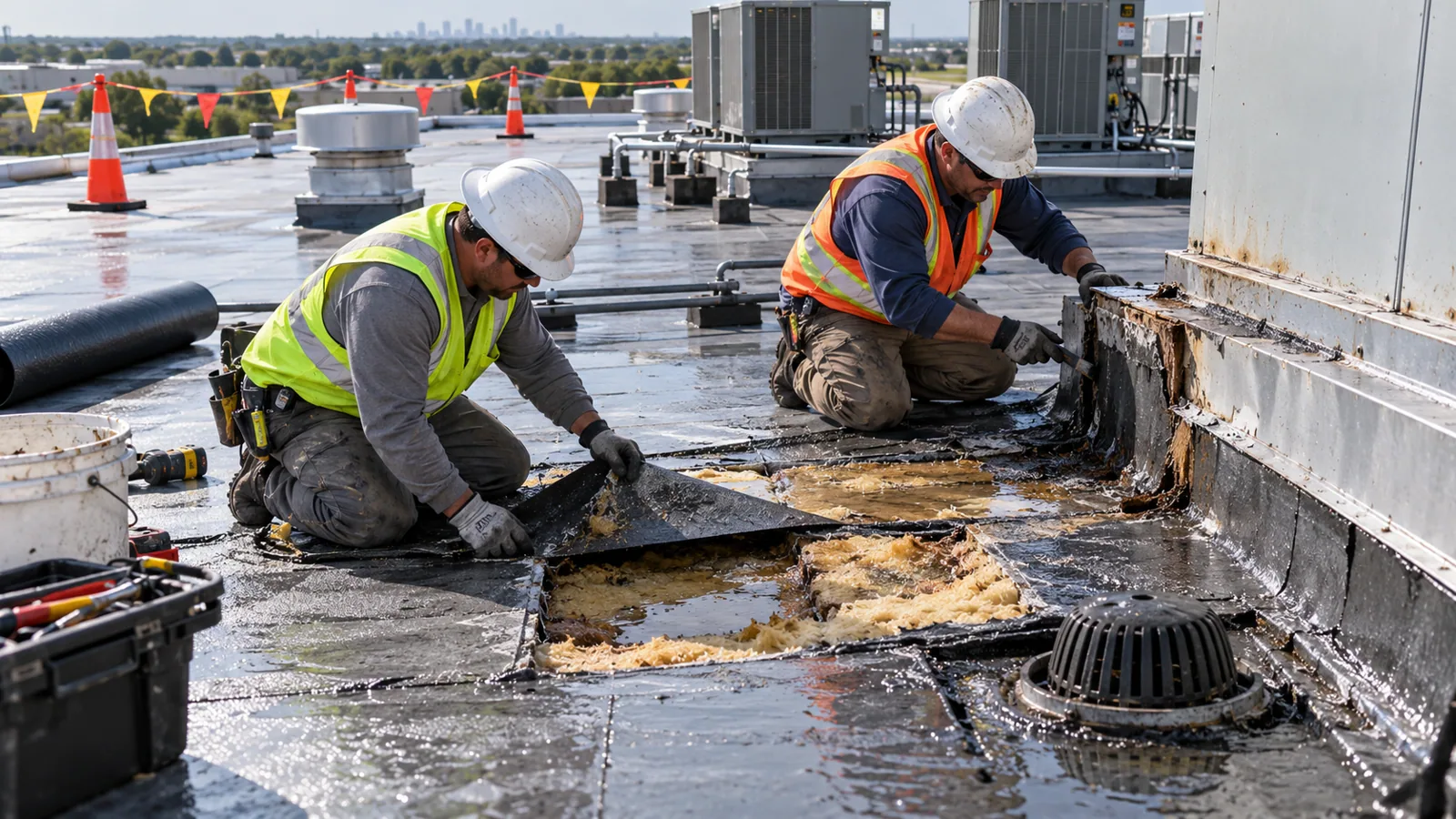
Water can move laterally between layers before showing inside, and a ceiling stain may be offset from the roof opening. We compare the timing of the leak with roof details, drains, equipment routes, and prior repair locations. Moisture readings or an infrared scan can help select a sample, but a scan is not proof by itself; representative test openings may be needed to confirm the assembly condition. We map confirmed wet or damaged areas separately from suspected paths. An leak investigation can record the observations, limits, and next test needed. If a sample shows one affected bay, the report does not extend that result to every adjoining area without supporting evidence.
Where are common transitions on a built-up assembly?
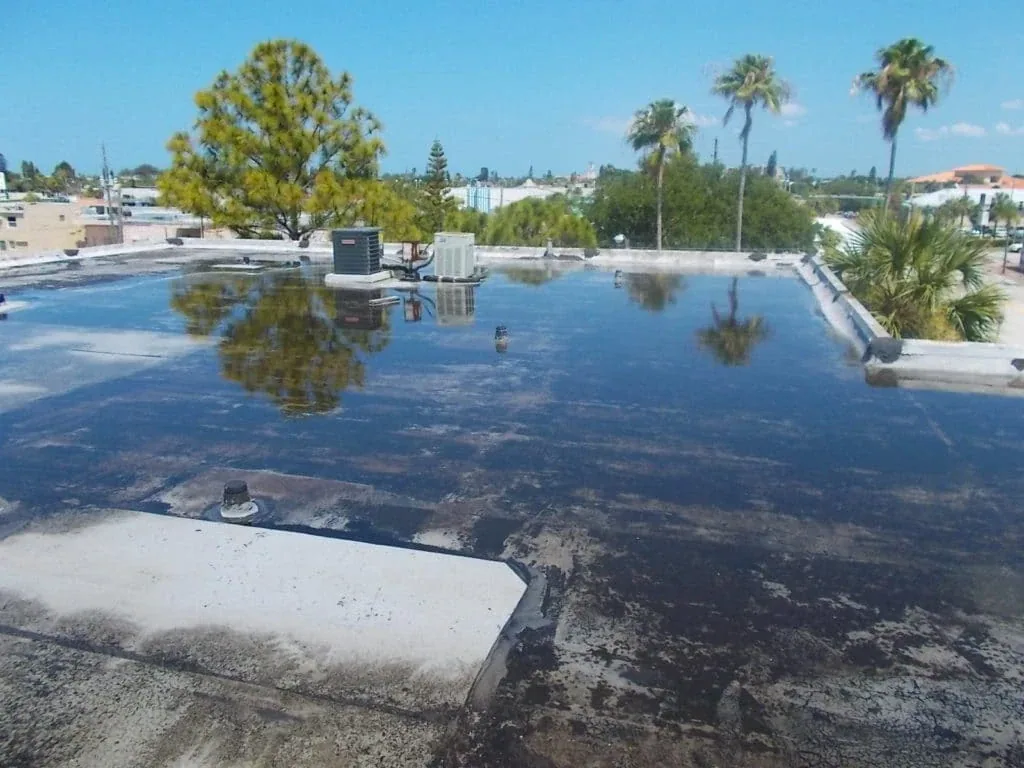
Parapet walls, drains, scuppers, skylights, curbs, and edge metal interrupt the field plies. We look for splits, open flashing edges, loose metal, deteriorated cant strips, and prior sealant work that may have changed the connection. At roof edges, water entry may involve both the membrane termination and the metal condition; those items should be described separately. The drainage review records outlet condition and the surrounding low area, while a perimeter detail check follows the termination to its substrate. These checks matter whether the building is near Downtown Fullerton or the Southeast Industrial Focus Area; the actual detail, not the district name, determines the repair.
When can built-up roofing be repaired in place?
A repair may be suitable when the damaged area is defined, surrounding plies remain stable, and the selected material can bond to the existing surface. The proposal identifies preparation, reinforcement, lap extent, and protection of adjacent areas. If the roof is wet below the cap or the surfacing prevents a reliable tie-in, another method or a test opening may be needed first. A built-up roof can also contain previous overlays, so the repair boundary should not assume a single original assembly. We show the measured quantities and note any inaccessible section before pricing. Where aggregate must be moved for access, the repair detail should state whether it will be replaced, redistributed, or excluded from the work. The manager should also know how the crew will protect nearby rooftop equipment and where debris will be staged. If the assembly contains a soft or wet area, a patch should not bridge that section without an approved correction. Those scope boundaries help compare bids that otherwise appear to include different amounts of preparation. A modified-bitumen assembly also uses asphalt-based sheets, but its installation and repair details are not interchangeable with built-up plies.
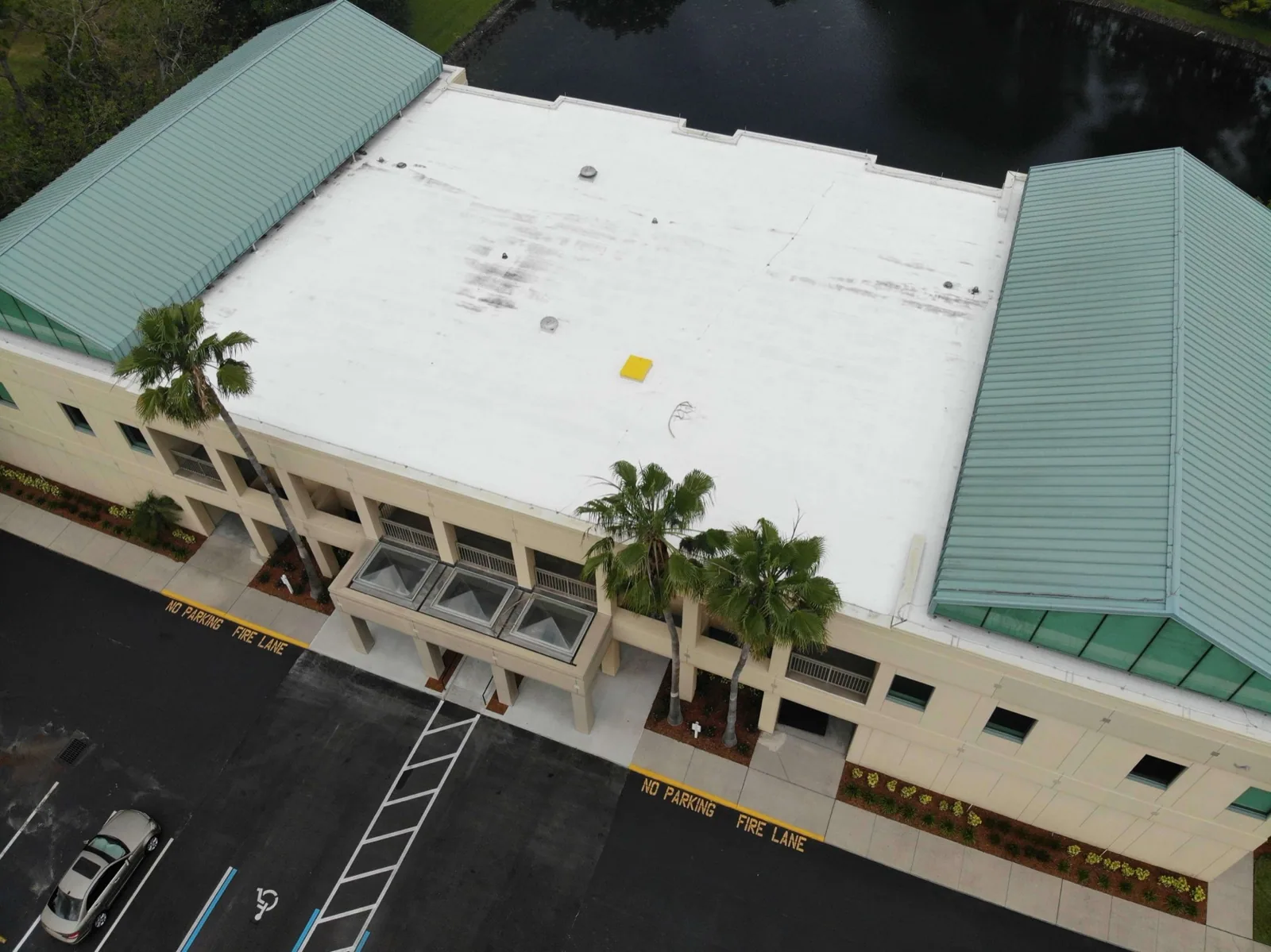
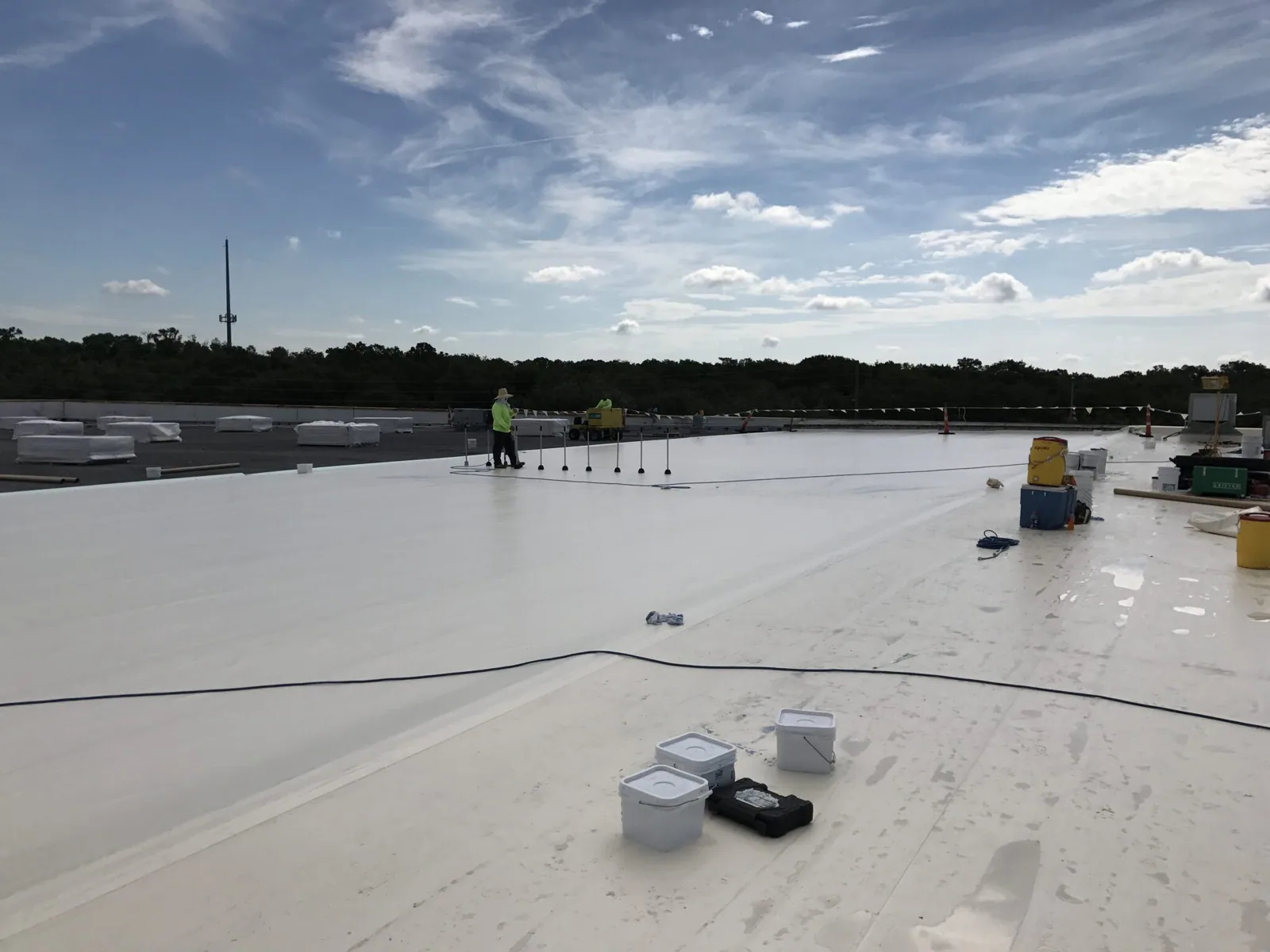
Is a coating or recover appropriate for built-up roofing?
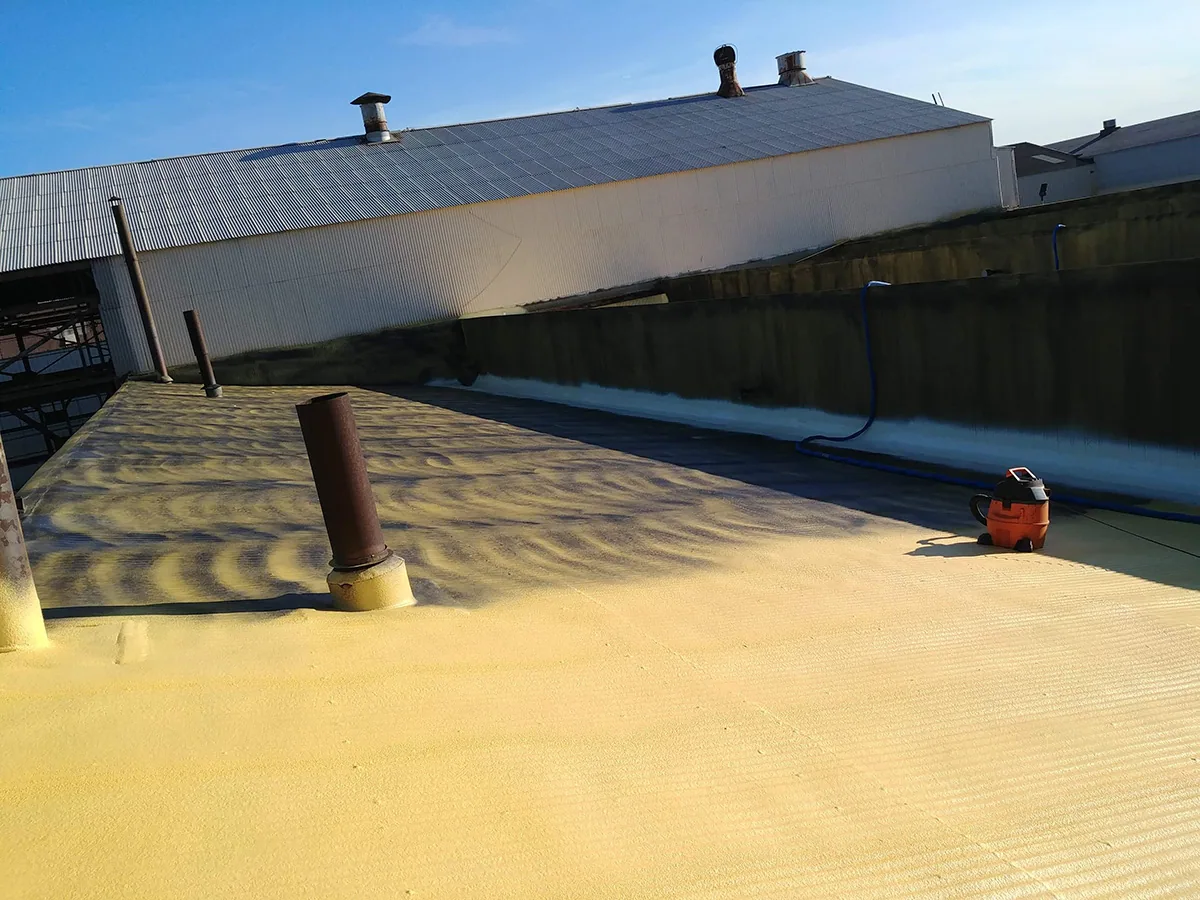
Restoration depends on surface preparation, adhesion, moisture, drainage, edge height, and the condition of the underlying plies. A coating may reduce exposure at a suitable surface, but it does not dry wet insulation or rebuild a failed substrate. We can test representative areas and record the preparation, primer, and adhesion result before estimating broader work. A recover adds weight and height and may affect drains, curbs, and edge metal. The coating assessment and recover review compare those conditions with selective removal. We list the test areas, preparation steps, and locations that were not suitable for adhesion sampling. For an overlay, the proposal describes the total height change at drains, curbs, and roof edges, along with any adjustment needed to preserve transitions. A cost comparison is more useful when it states whether removal, disposal, deck repairs, and temporary protection are included or excluded. A silicone system is considered only after compatibility and drainage are evaluated for the actual assembly.
What should the built-up roof file preserve?
Keep the roof plan, core or test-cut locations, layer descriptions, moisture results, repair records, photographs, and open questions in one property file. Store each photo with the roof plan. Label each image with its section and date, and mark whether it shows an observed condition or a repaired area. If hot work or another controlled method is part of the chosen scope, document the site-specific safety procedure, authorization, and closeout check with the project record. The next facilities contact should know what was tested, which areas remain concealed, and who owns each follow-up decision. A condition report can give the manager a dated basis for maintenance and capital planning without implying that inaccessible layers were verified.
Commercial Roofing Questions
Can a built-up roof be patched without removing aggregate?
Sometimes, depending on surfacing, repair material, and access to sound plies. The scope should define preparation and any aggregate removal needed for a proper tie-in.
Does a roof core show the condition of every section?
A core documents layers at its sample location. Additional samples or other testing may be needed before applying that observation to a broader area.
Can a coating stop leaks in a built-up roof?
A coating is not a substitute for locating the leak and confirming the substrate. Moisture, adhesion, and detail conditions must be checked before restoration is priced.
Is gravel on the roof always a problem?
No. The inspection checks whether aggregate is in its intended place, obstructs drainage, or hides an area that requires closer review.
What should I provide for a Fullerton built-up roof inspection?
Send the property address, any roof plan or core records, leak locations, repair history, and access rules. We can define the observation and testing scope.