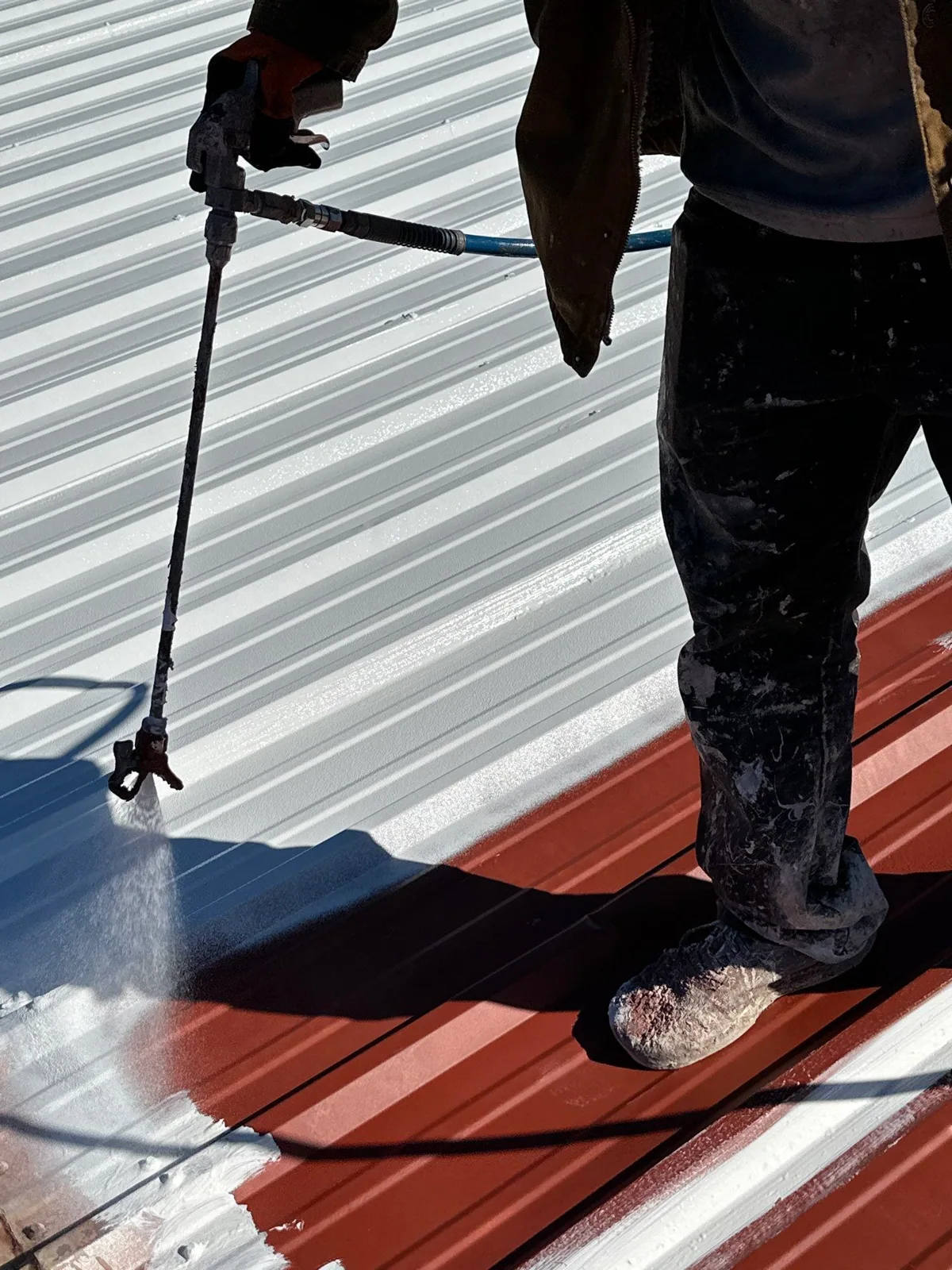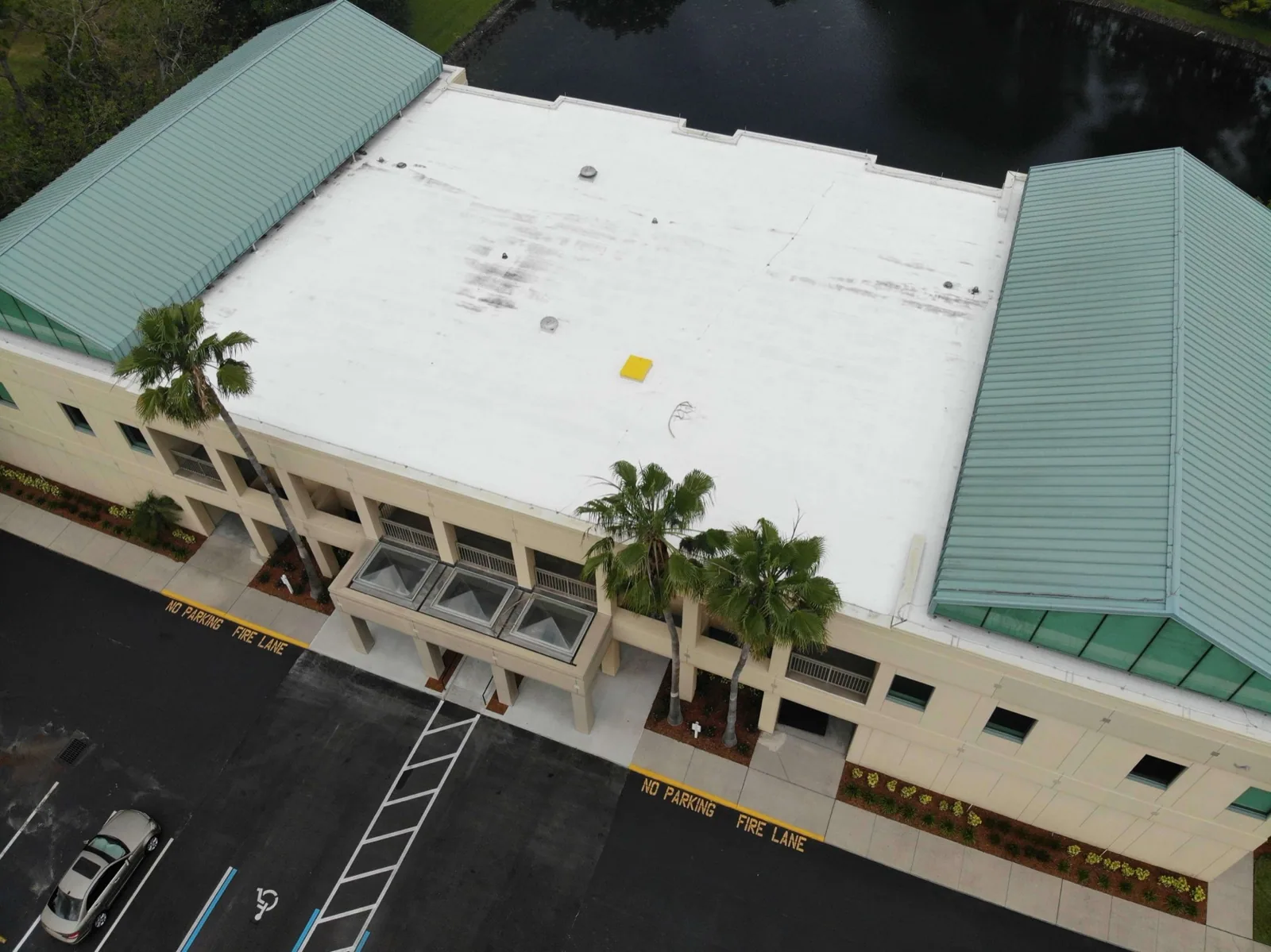

Evaluate silicone roof coatings in Fullerton by confirming substrate compatibility, moisture, drainage, preparation, detailing, and maintenance needs.
Roof leak, storm damage or an inspection coming up?
A silicone roof coating is a liquid-applied restoration layer, not a universal solution for every existing roof. Suitability depends on the substrate, attachment, moisture, drainage, repairs, product approvals, and owner objectives. Start by identifying the roof assembly and coating history, then define the areas proposed for evaluation. Fullerton’s Commonwealth Corridor and Southeast Industrial Focus Area are broad planning geographies, not evidence that a particular roof can be coated. A qualified survey should map conditions, test compatibility where required, and distinguish candidate areas from exclusions. The proposal should state preparation, application details, warranty conditions, and future maintenance so the owner can compare a coating option with repair or replacement on a consistent basis.
Identify the existing assembly
Confirm whether the roof is a membrane, metal, modified bitumen, built-up system, or previously coated surface. Review records, product data, repairs, and warranty restrictions, then compare them with field observations at seams, fasteners, drains, and transitions. Unknown materials should be tested or left as an explicit limitation. A coating restoration study can map the general project decision; the focus is silicone-specific design and installation considerations. Compare a different coating chemistry only after the substrate and exposure are understood. Do not assume that a white or reflective surface is suitable simply because it can be reached or cleaned.
A useful coating scope begins with a roof plan divided into field areas, transitions, and excluded zones. For each area, record approximate dimensions, substrate, observed condition, and the evidence supporting inclusion. List repairs as separate line items so the owner can distinguish leak diagnosis and detail correction from coating preparation. State whether the estimate includes moisture investigation, adhesion testing, reinforcing fabric, primer, metal treatment, and restoration of test cuts. If quantities are provisional, identify the measurement method and the approval needed before added work. A clear scope also states which existing equipment, curbs, or drains require coordination with another trade. This structure allows competing proposals to be compared by work performed instead of a single surface-area price.
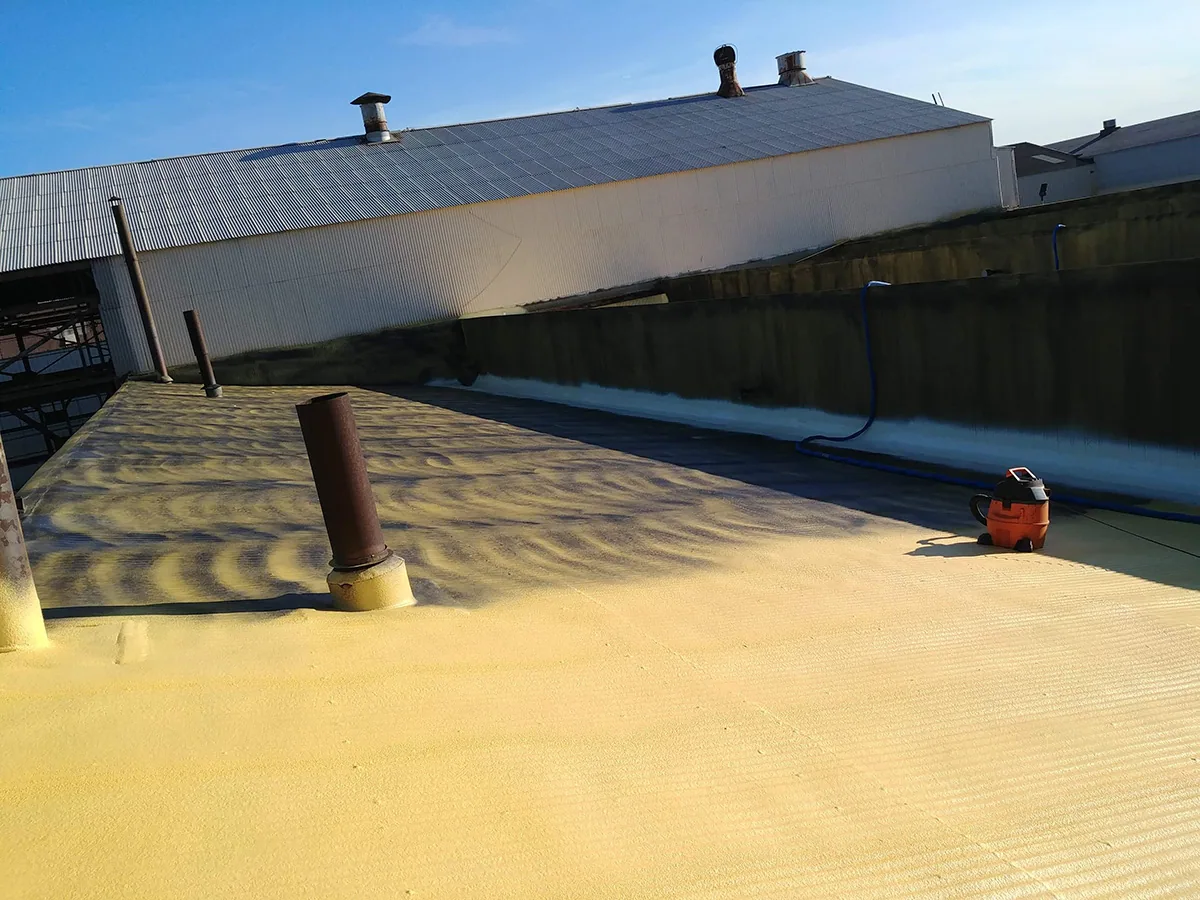
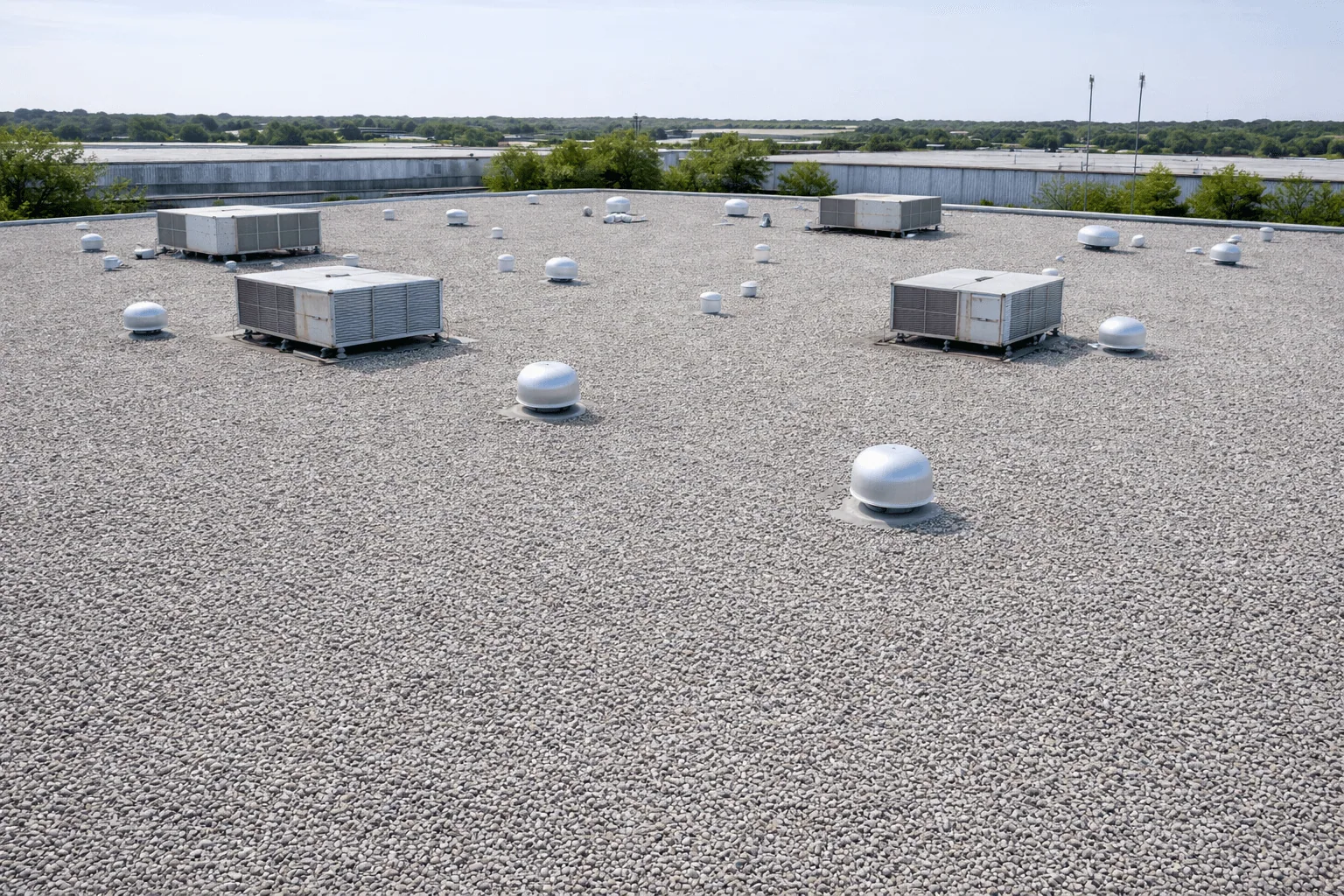
Check moisture, attachment, and drainage
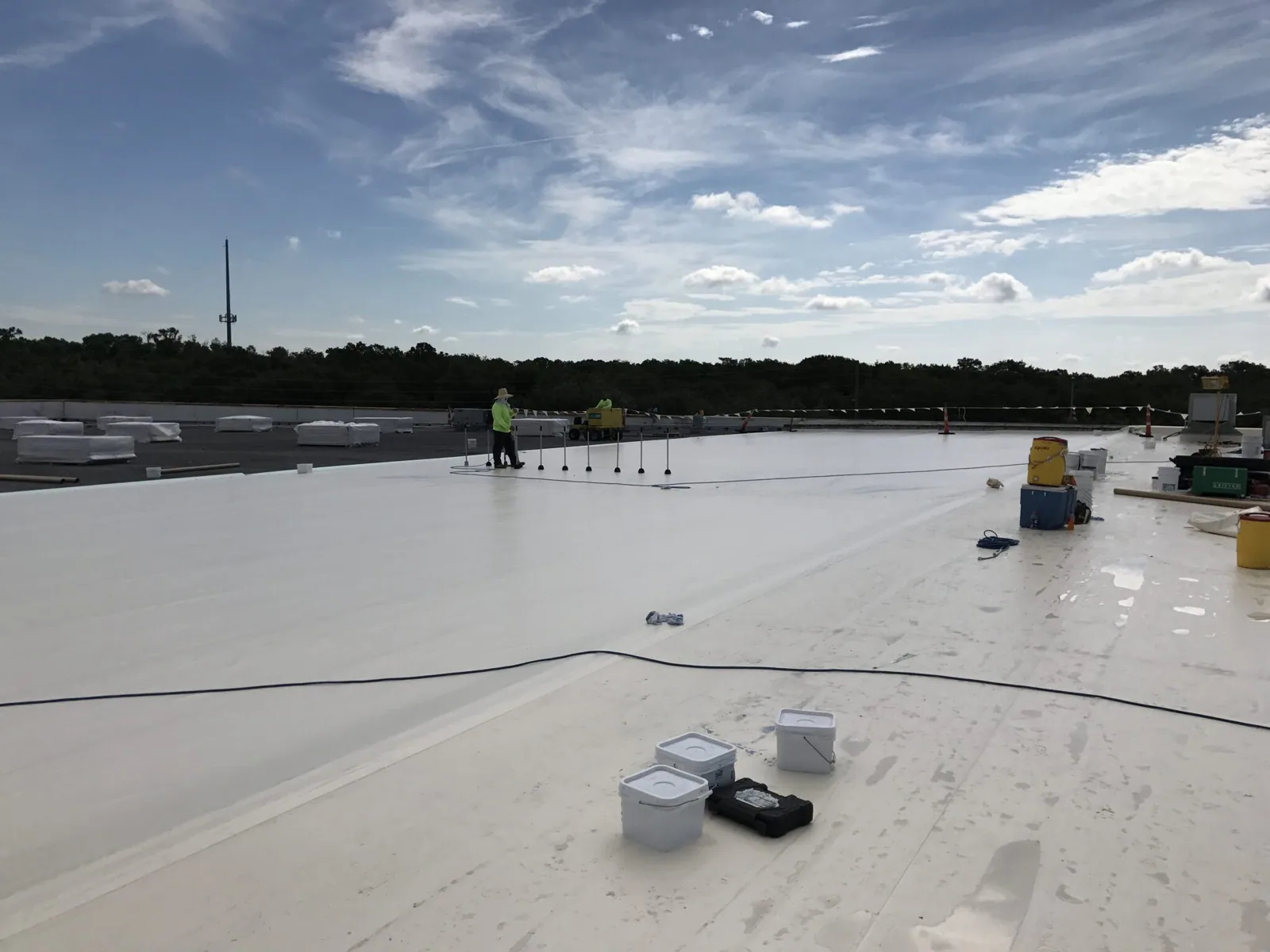
Locate active leaks, wet-insulation evidence, loose membrane, corrosion, open seams, ponding, blocked outlets, and damaged edges before considering a coating. A coating may conceal a condition without correcting the underlying cause. Moisture mapping or test cuts should be selected by a qualified professional and approved by the owner, with location and restoration recorded. Confirm that drains, scuppers, gutters, and overflow paths will remain functional after the new layer is installed. Seasonal heat can affect crew planning, but no citywide average establishes a particular roof's surface temperature, cure time, or work window. Product instructions and current site conditions govern application.
Before work starts, agree on the records that will demonstrate completion. These may include dated photographs of preparation, representative adhesion results, product labels and batch numbers, weather and surface observations, and checks required by the selected manufacturer. Define who reviews each record and how a deficiency is documented and corrected. Where specified, record coverage or dry-film measurements using the product's stated method. Do not invent a universal thickness or acceptance value because system requirements vary. The closeout should identify repaired areas and any variation approved during installation. An owner can then compare the completed work with the approved scope and keep the information available for later maintenance, warranty questions, or a future roof project.
Prepare the substrate and verify adhesion
Specify cleaning, drying, rust treatment, repair, primer, reinforcement, and adhesion testing as appropriate to the selected product and roof surface. The test plan should cover materially different substrates and coating histories rather than relying on a single convenient spot. Record preparation, test method, cure period, conditions, and results. If adhesion varies, map the affected areas and revise the scope. A test opening must be restored using an approved detail. The product manufacturer or design professional should confirm whether the existing membrane, metal finish, or prior coating needs a particular primer or separation layer. The owner should understand which preconditions are required before the installer can proceed and what happens if they are not met.
Rooftop work often intersects with HVAC service, electrical work, signage, solar equipment, and tenant operations. Before mobilization, identify access points, escort requirements, fall-protection provisions, staging locations, and any equipment that must be shut down or protected. Ask the property contact to identify planned work by other contractors during the application period. Establish a written process for requesting a new penetration or moving equipment so that the coating and flashing details can be reviewed before a change occurs. Keep drains and emergency paths available, and define how the crew will secure materials at the end of each shift. These project-specific controls belong in the work plan rather than a generic promise about uninterrupted operations.
Detail seams, edges, and penetrations
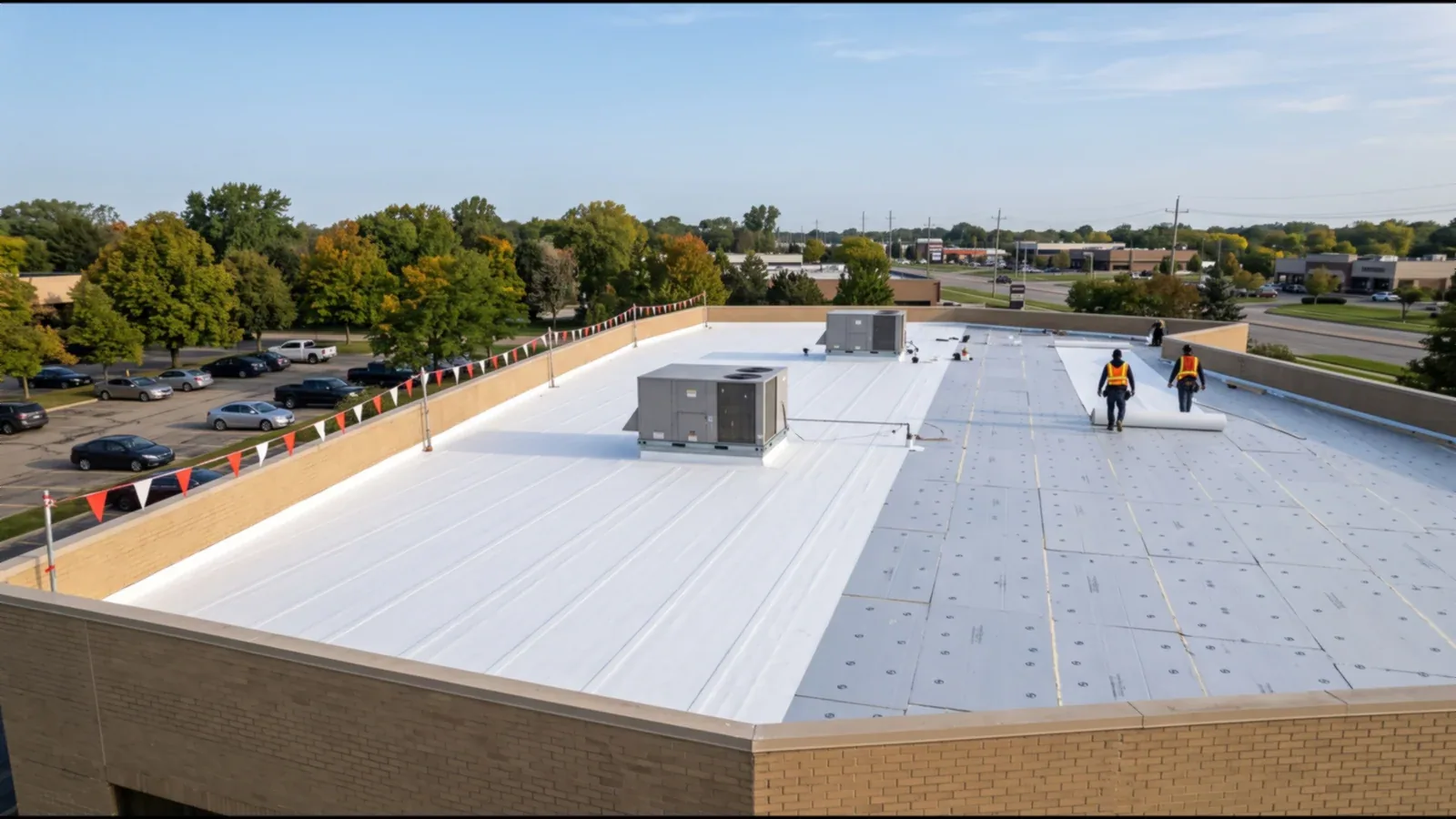
List how seams, fasteners, curbs, drains, parapets, penetrations, and terminations will be treated. State where reinforcing fabric or a separate flashing detail is required and whether it is included. Do not bridge a moving joint or cover an incompatible material without an approved design. A perimeter detail review can address edges and water collection, while a flashing repair scope should resolve a known defect before field application. If a transition connects to a TPO roof area, confirm how the two systems terminate and whether the manufacturer accepts the interface. Show excluded equipment zones on the roof plan.
A coating should be compared with repair, partial replacement, or full replacement using the same documented roof conditions. For each alternative, identify the areas addressed, the defects left in place, expected disruption, access needs, and any assumptions about concealed moisture or attachment. Include preparation and detail work in the comparison instead of emphasizing only the material. Confirm that a restoration approach is permitted by the applicable product requirements and existing warranty terms. If the survey cannot establish a sound substrate or reliable drainage, describe the unresolved investigation before pricing a final system. The decision record should explain why the selected path matches the owner's maintenance objectives and budget horizon, without predicting a service life unsupported by the roof's records and inspection findings.
Plan application around occupied operations
Establish work zones, access routes, staging, ventilation or odor controls, protection of equipment, and daily closure expectations. Identify which qualified trade can isolate or restart rooftop equipment and how the property contact approves a changed condition. Product instructions define surface and weather limits. Fullerton's August normal mean daily high is 86.7°F, but the current forecast and actual roof measurement set the application window. Confirm how the crew will keep drainage open and prevent foot traffic or debris from reaching uncured areas. The Commonwealth Corridor is broad Fullerton geography only. Actual parking, access, work hours, and occupancy requirements belong in the customer-specific work plan, not in a general city page.
Define closeout and ongoing care
The closeout file should identify product and batch, application dates, surface preparation, tests, coverage or thickness checks where specified, repaired details, photographs, and warranty terms. Record maintenance tasks, inspection intervals, notice requirements, and who may approve future roof penetrations. Do not state that coating eliminates all leaks or promises a service life. The owner should know how to report a change and preserve the product record. Keep the roof plan marked with repaired and excluded areas. When later inspections occur, compare the same details and note any work by another trade. A clear file helps the property team make a repair, renewal, or continued-maintenance decision with evidence rather than relying on the appearance of a newly coated surface.
Commercial Roofing Questions
Can silicone coating be installed on any commercial roof?
No. Existing materials, moisture, attachment, surface preparation, details, and manufacturer requirements must be checked.
Will a coating stop every leak?
No. Leaks need diagnosis and repair; a coating should not conceal unresolved moisture or failed details.
Is one adhesion test enough?
Not automatically. Test locations should represent the relevant substrates and coating history.
What controls application conditions?
Use the selected product instructions and current surface, weather, and site conditions.
What should the owner receive at closeout?
Keep product records, test results, application details, photos, exclusions, warranty conditions, and maintenance needs.