
Assess a commercial roof coating in Fullerton with substrate checks, moisture testing, detail repairs, preparation limits, and a mapped application plan.
Roof leak, storm damage or an inspection coming up?
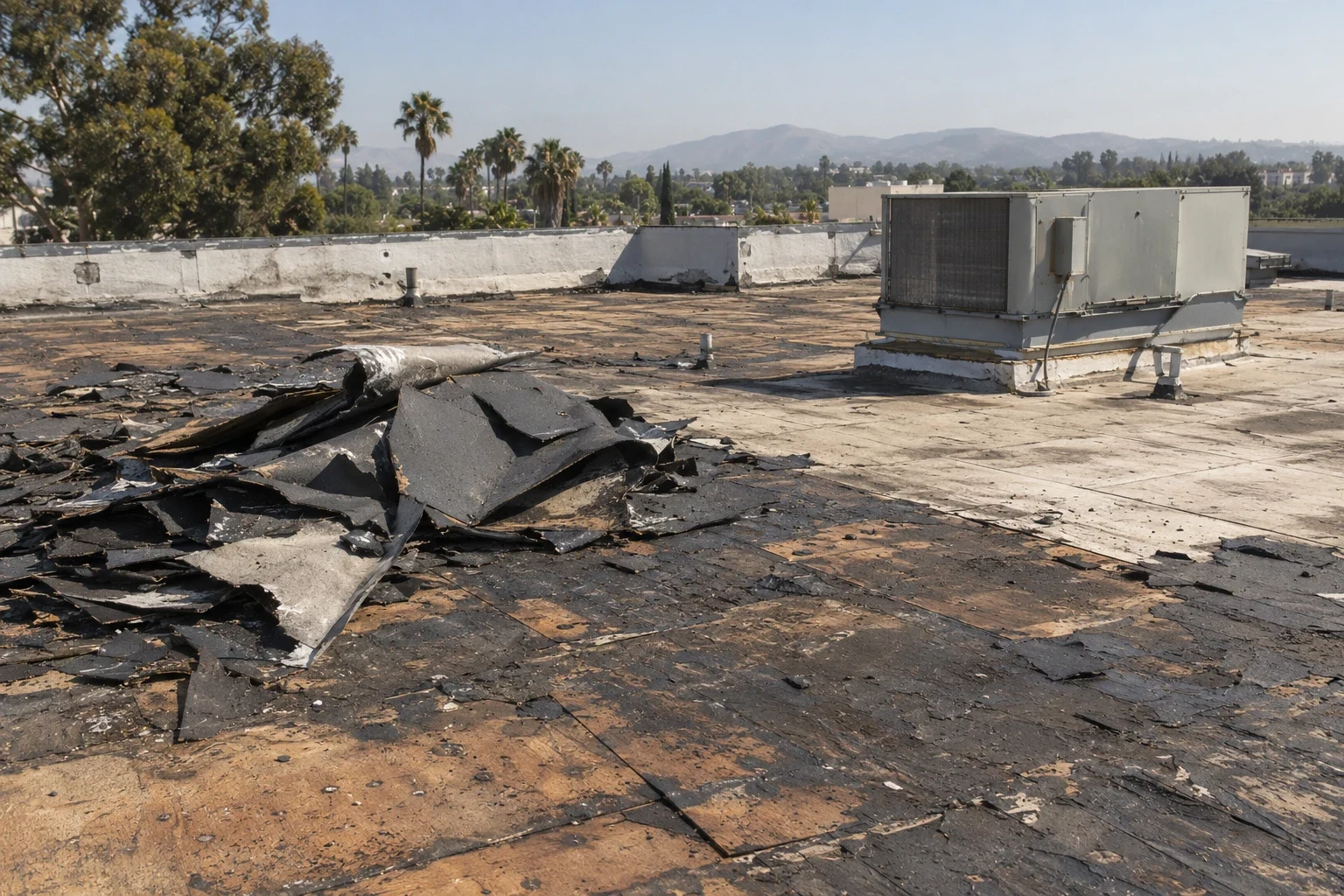
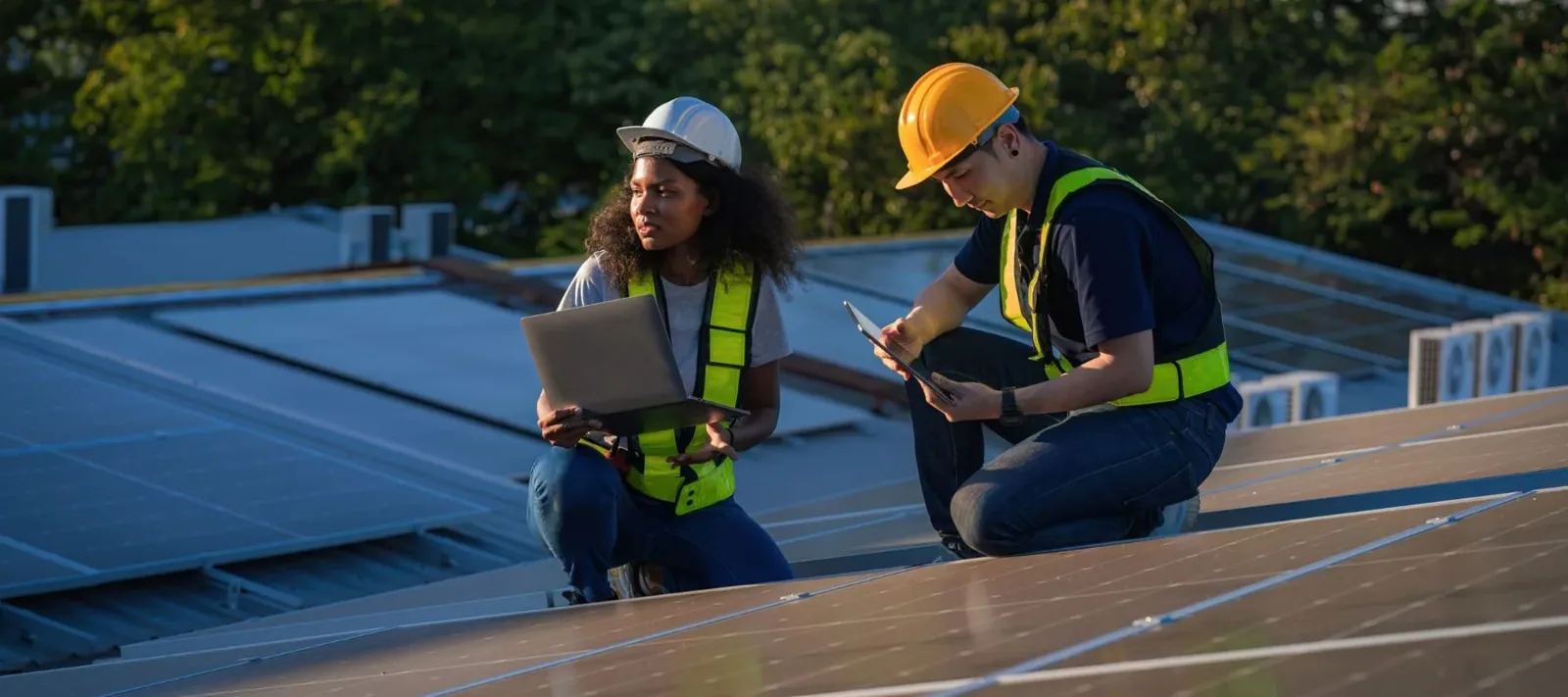
Before a coating is specified, the roof surface has to be sound enough to receive it. In Fullerton, the property manager should confirm moisture, attachment, drainage, seams, and prior repairs before deciding whether restoration is practical. A coating can protect a prepared roof surface, but it cannot correct a weak deck, wet insulation, or an unresolved leak path beneath the membrane. We inspect the assembly, map repairs, and identify test locations before selecting a material. The scope names preparation, primer if required, reinforcement at details, application limits, and conditions that would stop the work. If replacement is also under consideration, compare a full removal scope and recover eligibility using the same roof boundaries. A condition inspection gives the owner the evidence needed to make that comparison.
Which roof surfaces may be coated?
Eligibility starts with identifying the existing material, its adhesion, surface condition, prior coating, and moisture below the roof. A clean, stable substrate may be a candidate; chalking, contamination, loose edges, wet areas, or repeated patches can require repair or a different system. We check whether the proposed coating is compatible with the membrane and whether the assembly has a path to drain. If coating thickness adds material at a drain, curb, or termination, the design must account for the changed detail. Fullerton's map distinguishes Commercial Manufacturing from Manufacturing Park zoning, a land-use label rather than a roof-assembly record. We inspect the property and review its records. The report separates repairable surface wear from conditions that could make coating unsuitable, so the owner can evaluate the material and the extent of preparation before authorizing an application.
How are moisture and adhesion checked?
A visual walk can locate blisters, cracks, open seams, and previous patches, but hidden moisture needs a suitable test. Infrared imaging can help mark candidate areas under the right weather and surface conditions; confirmation points should be mapped and sampled when appropriate. Adhesion testing checks the bond on representative areas and records preparation and cure conditions. Core openings are approved and patched. The test map should distinguish confirmed wet material from a thermal pattern or a surface defect. A moisture survey may guide sample placement, while repairs to open seams or flashing can be scoped before coating. At a Fullerton property near the Harbor Gateway Focus Area, building access and staging still come from the site contact. The recommendation states what was tested and what remains unknown.
What preparation should the scope include?
Preparation affects adhesion and finish. The crew removes loose debris, cleans the surface by the approved method, repairs open seams, secures loose edges, and reinforces transitions where the selected system requires it. The scope lists areas of repair and states whether wet insulation, unstable membrane, or deck damage is excluded pending approval. Drain bowls, scuppers, curbs, parapets, skylights, and equipment supports need detail work rather than a uniform field application. Product instructions set temperature, moisture, and cure limits. We check the actual forecast instead of using a monthly climate average as a workday prediction. Fullerton Municipal Airport's long-term normals show very low average summer precipitation, but dry-season statistics do not establish surface readiness. Before application, the foreman verifies the substrate and records the conditions. If the prepared roof differs from the test map, work pauses until the owner reviews the change.
How is application sequenced?
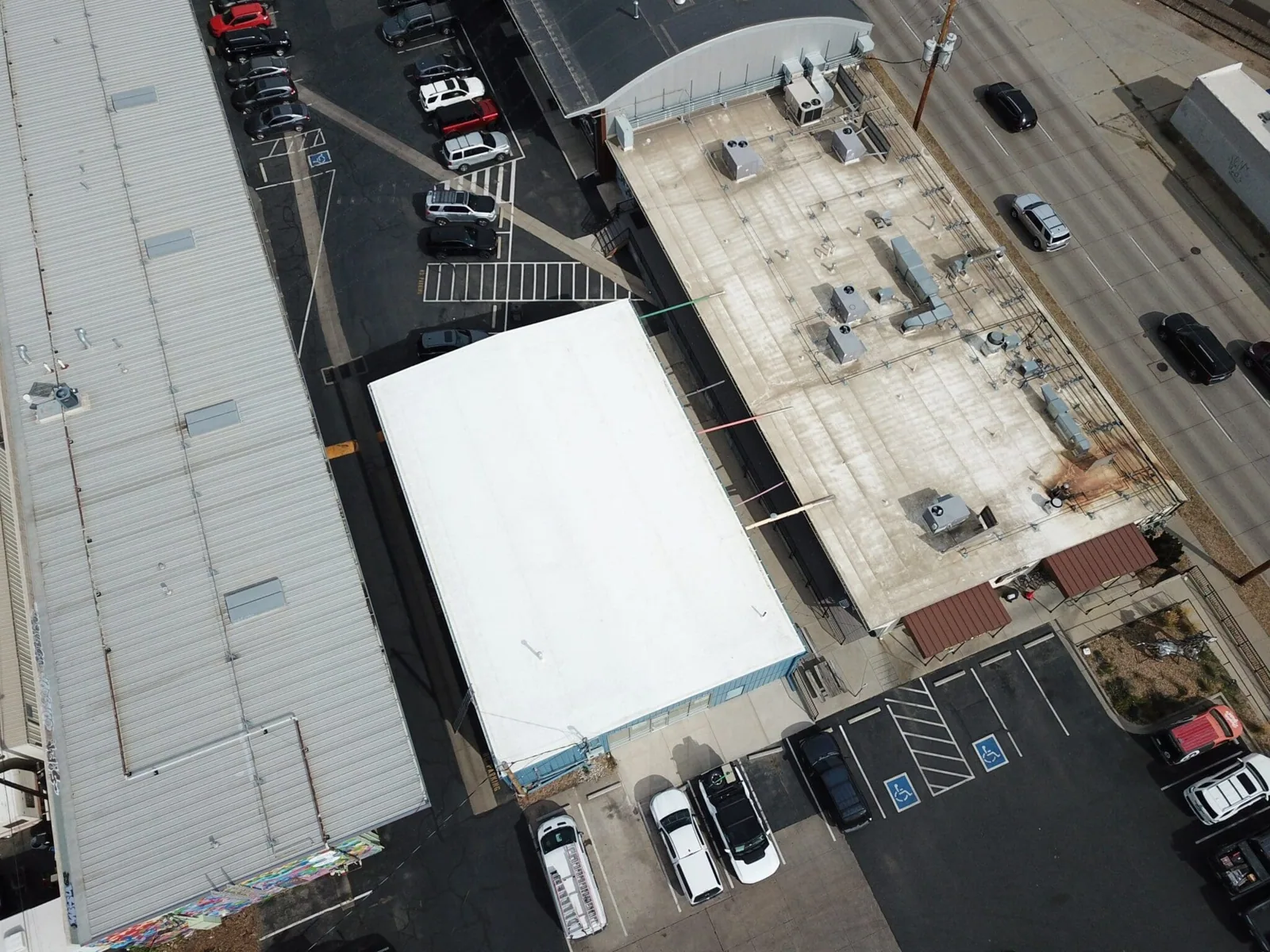
The roof is divided into areas that can be prepared, coated, inspected, and protected from foot traffic during the required cure. The plan identifies access, staging, equipment shutdowns, and a daily close-in point. Material quantities and application rates follow the selected system documents, not a general estimate from roof area alone. Weather holds, moisture, and temperature can change the available work window. The Southeast Industrial Focus Area is a major industrial concentration with SR-91, SR-57, and rail access; that context does not determine how a customer's receiving dock or roof hatch operates. The manager confirms delivery windows, gate rules, and any areas that cannot close. We protect equipment and maintain a clear path for service trades. If coating work must stop, the handoff records the completed boundary and what remains ready for the next shift.
When is coating not the right approach?
Widespread moisture, poor adhesion, unstable membrane, active movement, inadequate drainage, or a deck problem can make a coating a poor fit. A cosmetic finish cannot replace removal of damaged layers or correction of a failed detail. Where defects are localized and the surrounding assembly is stable, repair may preserve more material. If the roof has repeated leaks or broad wet areas, a larger assessment can compare recover and replacement options. Commonwealth Corridor and Downtown Fullerton are distinct planning contexts, but those labels do not establish the condition of a property roof. We use test results, repair history, and field inspection for that. The owner receives the reasons coating is or is not suitable, the preparation needed, and any unresolved test. A condition report can preserve those findings before a capital decision is made.
What should be checked after application?
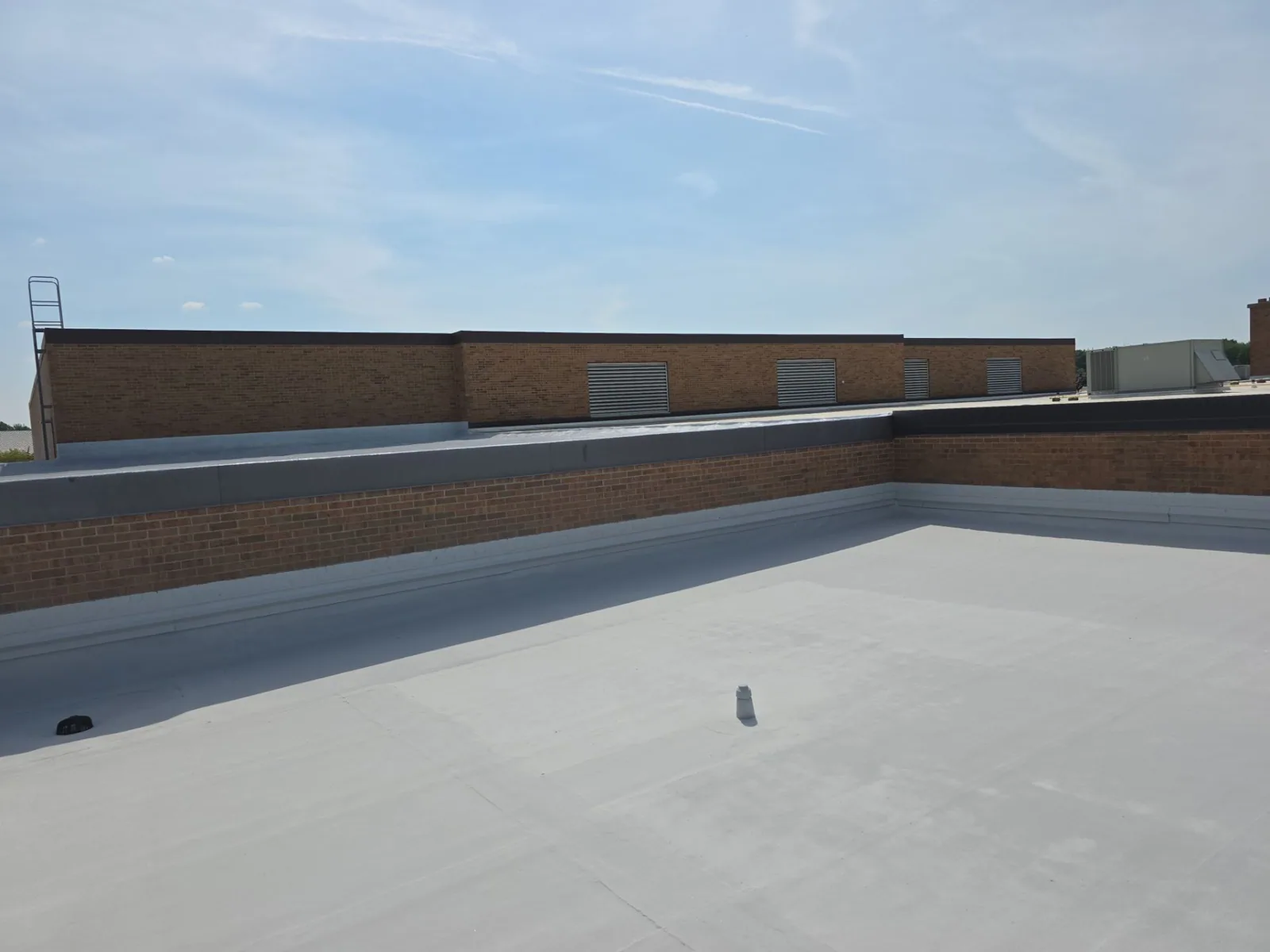
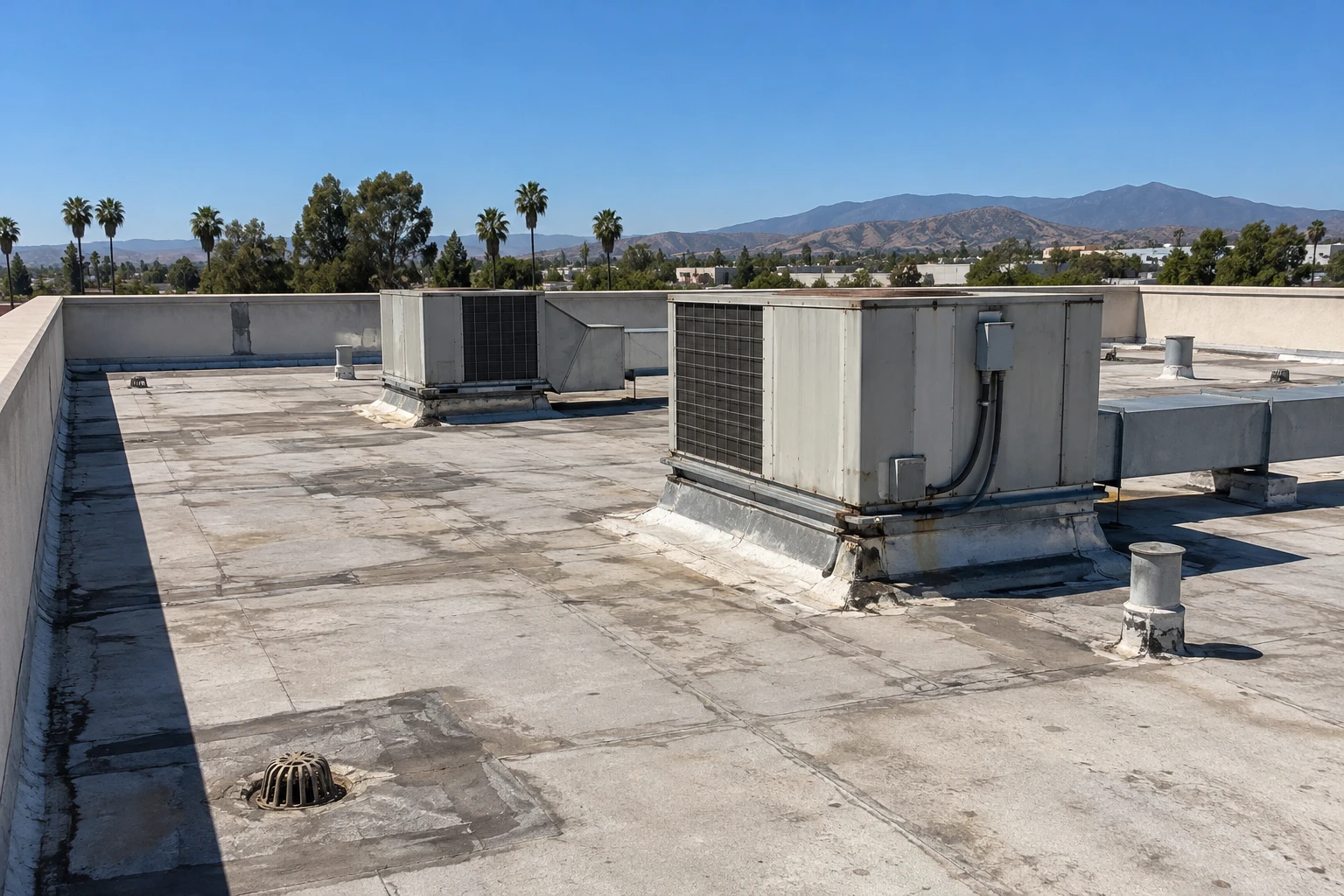
Closeout records should show the prepared surface, repaired details, application areas, material system, weather notes, and any limits on foot traffic or equipment work. The manager should receive maintenance instructions and know which trade to contact before another contractor cuts or penetrates the coating. Later inspections compare the same map, photos, seams, drains, and transitions. A maintenance visit can record wear, debris, ponding, or damage caused by service work. For buildings in the Orangethorpe Avenue corridor, industrial development activity is listed; a property manager should keep the coating record with that building's address and roof sections rather than rely on corridor context. If a leak returns, mark the area and contact the roof service provider before applying an unapproved patch. That record helps determine whether the issue is in the coating or at an adjacent detail. The scope should also record the intended film build by area and the checks used to confirm it. Surface preparation, mixing, application passes, reinforcement, and cure all affect the finished system. A reviewer can compare the installed work with the approved product instructions and mark any skipped or repaired area before the crew demobilizes. If another trade needs access during cure, assign a contact to approve the route and protect the new surface. Equipment service after installation should follow the system's written requirements, with any cut or new penetration returned to a roofing professional for a compatible detail. These steps make later inspection meaningful and keep the maintenance record tied to the actual work.
Commercial Roofing Questions
Can a coating cover a wet roof?
Wet insulation or an unstable substrate should be identified before application. Testing maps the affected area, and the scope states whether removal, repair, or further sampling is needed.
Does coating correct ponding water?
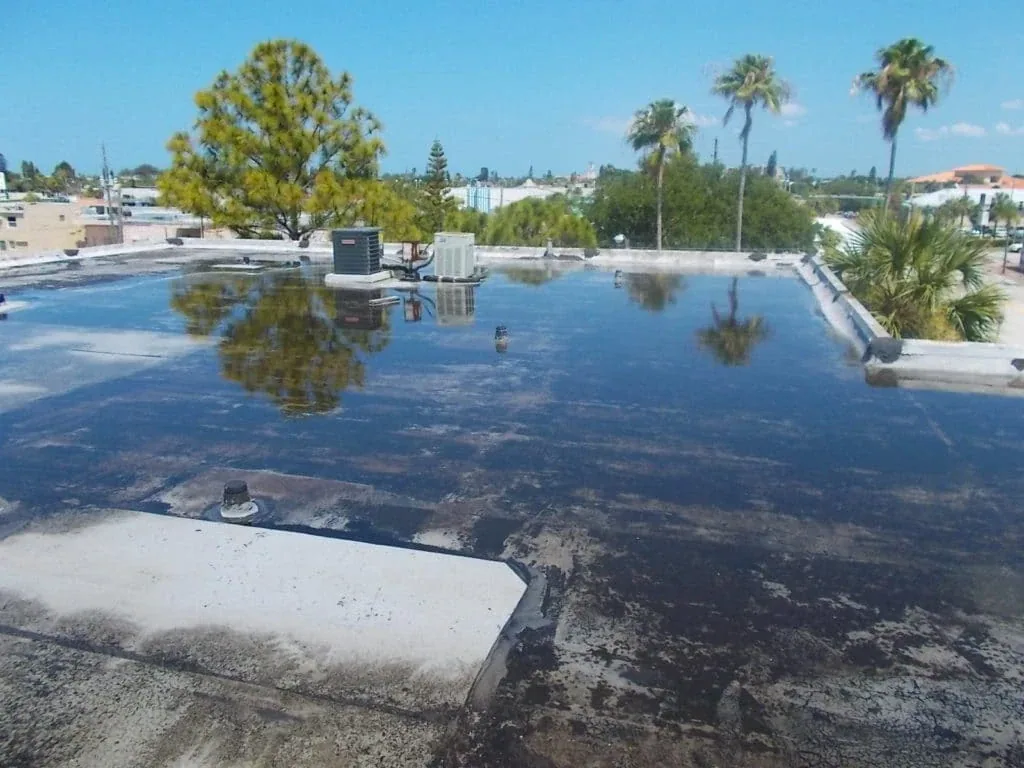
A coating follows the roof shape and does not create drainage by itself. Review slope, drain locations, deflection, and overflow paths before treating a recurring ponding area.
How is coating compatibility determined?
The existing membrane and coating history are identified, then the proposed system's preparation and adhesion requirements are checked on representative areas.
What could delay application?
Surface moisture, forecast conditions, preparation, repair discoveries, and required cure time can change the work window. The plan should name the conditions that pause application.
Will the coating include a warranty?
The proposal should state only the specific documents and terms available for the selected system. Review coverage, exclusions, maintenance duties, and who handles future service before approval.