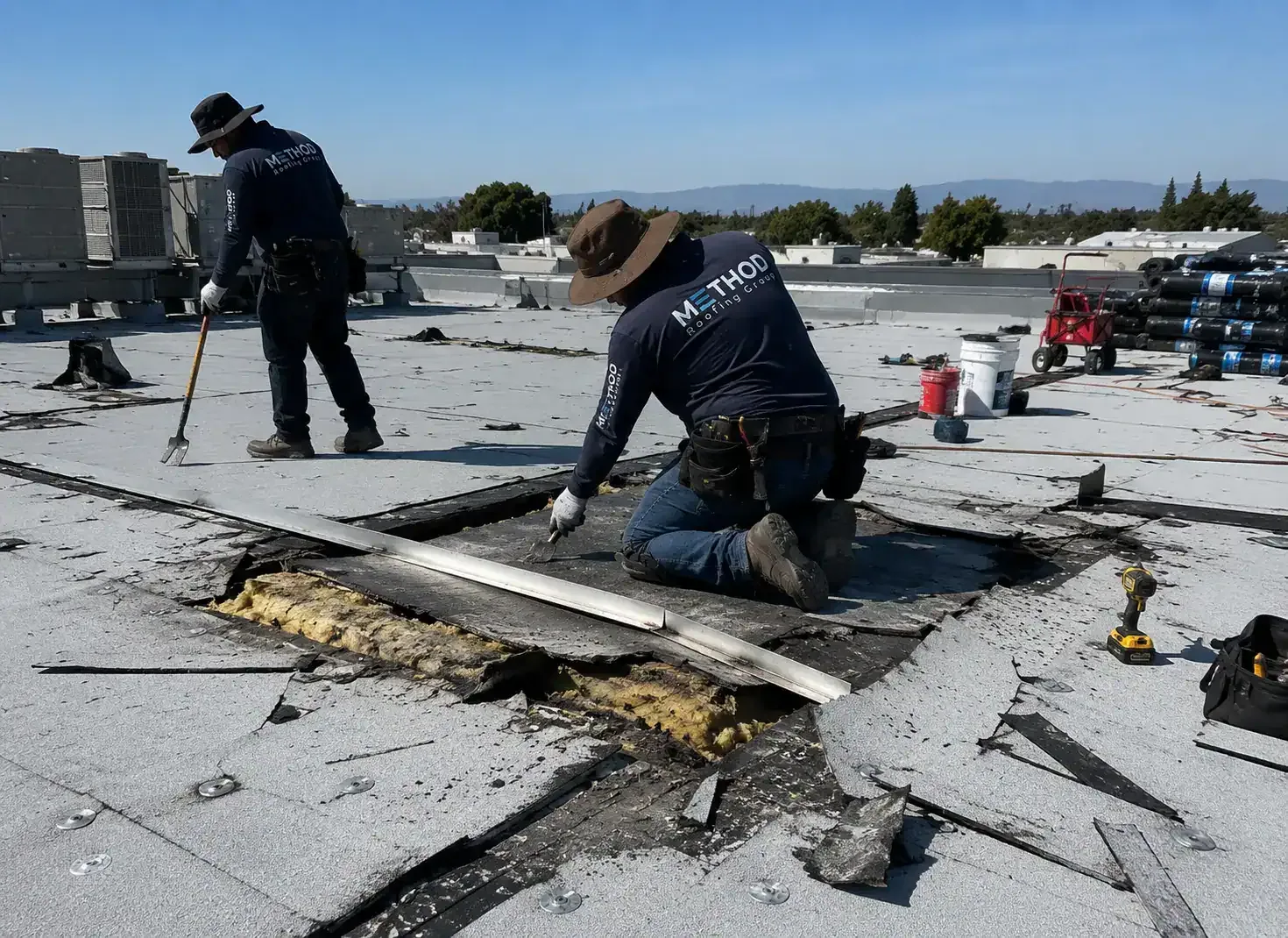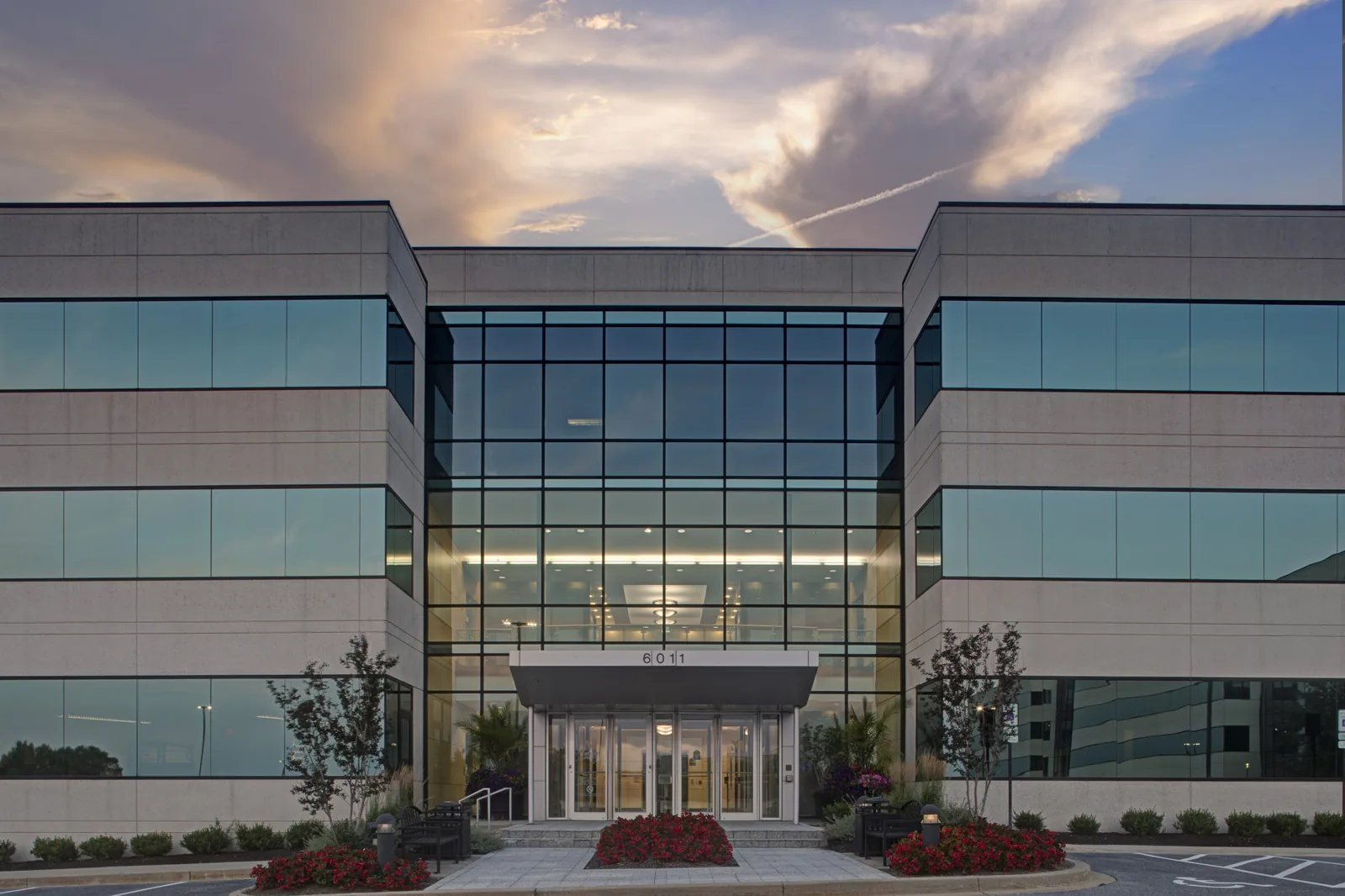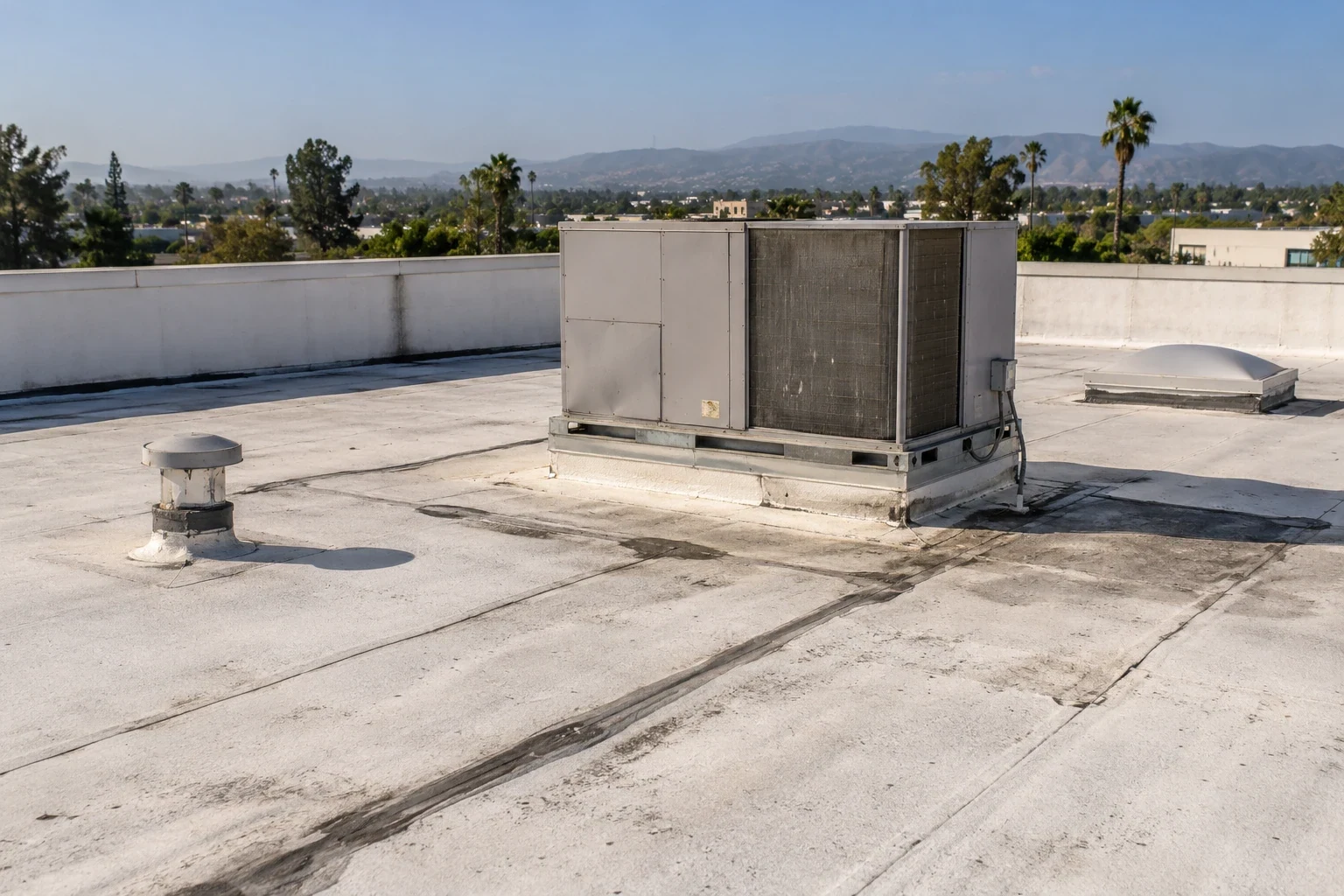

Coordinate school district roof inspections, repairs, and capital work in Fullerton around student circulation, summer access, and daily handoff.
Roof leak, storm damage or an inspection coming up?
During Fullerton's late-summer heat, a roof inspection can compete with classroom preparation and custodial work. We set the first route with the district facilities lead, identify roof access, and mark the areas that can be reviewed without crossing student circulation. NOAA's August normal mean daily maximum is 86.7 degrees F; district staff can use that seasonal heat cue to choose a work window, then confirm current roof exposure on site. The City lists the Amerige Heights Specific Plan District as a mixed-use geography whose program includes school and civic uses alongside retail, office, residential, and other designations. For each school, the approved campus contact and roof plan set the access route and work window. We confirm each address, assembly, access rule, and calendar constraint with district staff. Then we document drains, seams, curbs, and transitions by building so a finding at one campus does not become a conclusion about the whole portfolio. For a district with sites near Downtown Fullerton or the Southeast Industrial Focus Area, we confirm the address, gate contact, and student-safe route for each scheduled visit. The report records access separately from the roof conditions observed at each building.
How can a district compare roof conditions across campuses?
Each campus needs its own marked plan, roof-section labels, dated photos, reported leak locations, and access limits. We can keep fields consistent across a district so staff can compare what was inspected, but we do not merge a gym, classroom wing, administration building, and portable into one condition. A roof walk confirms assembly where visible, perimeter transitions, penetrations, drainage, and repairs that can be identified without opening the system. If a hatch or key is unavailable, the report names the section not reached and the contact needed for another visit. A campus condition report can help the maintenance team compare findings and proposed work while preserving each building's record. For roof assets managed across multiple addresses, a property-management register can keep contacts and closeout notes alongside the campus map.
Which school calendar details affect the work window?
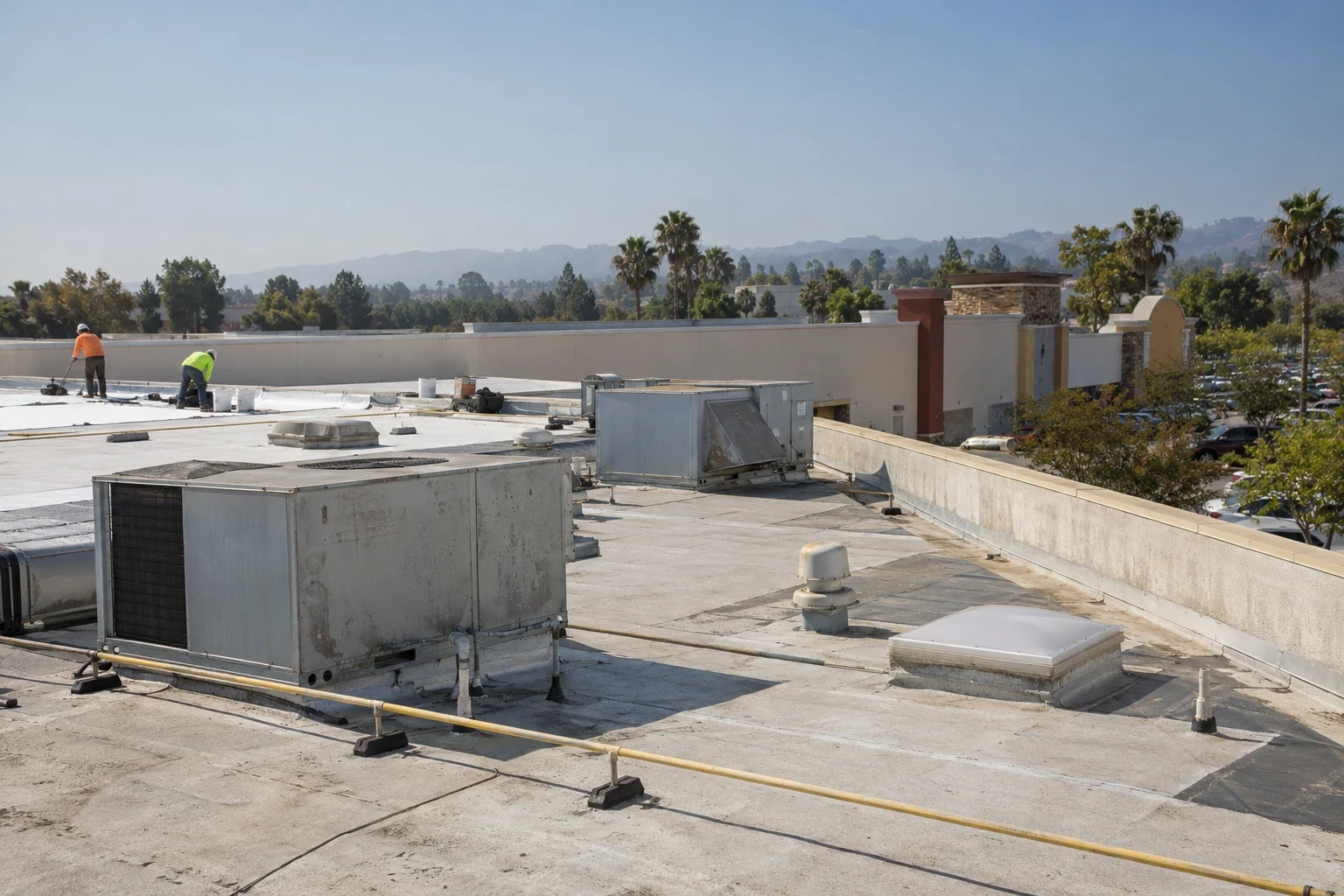
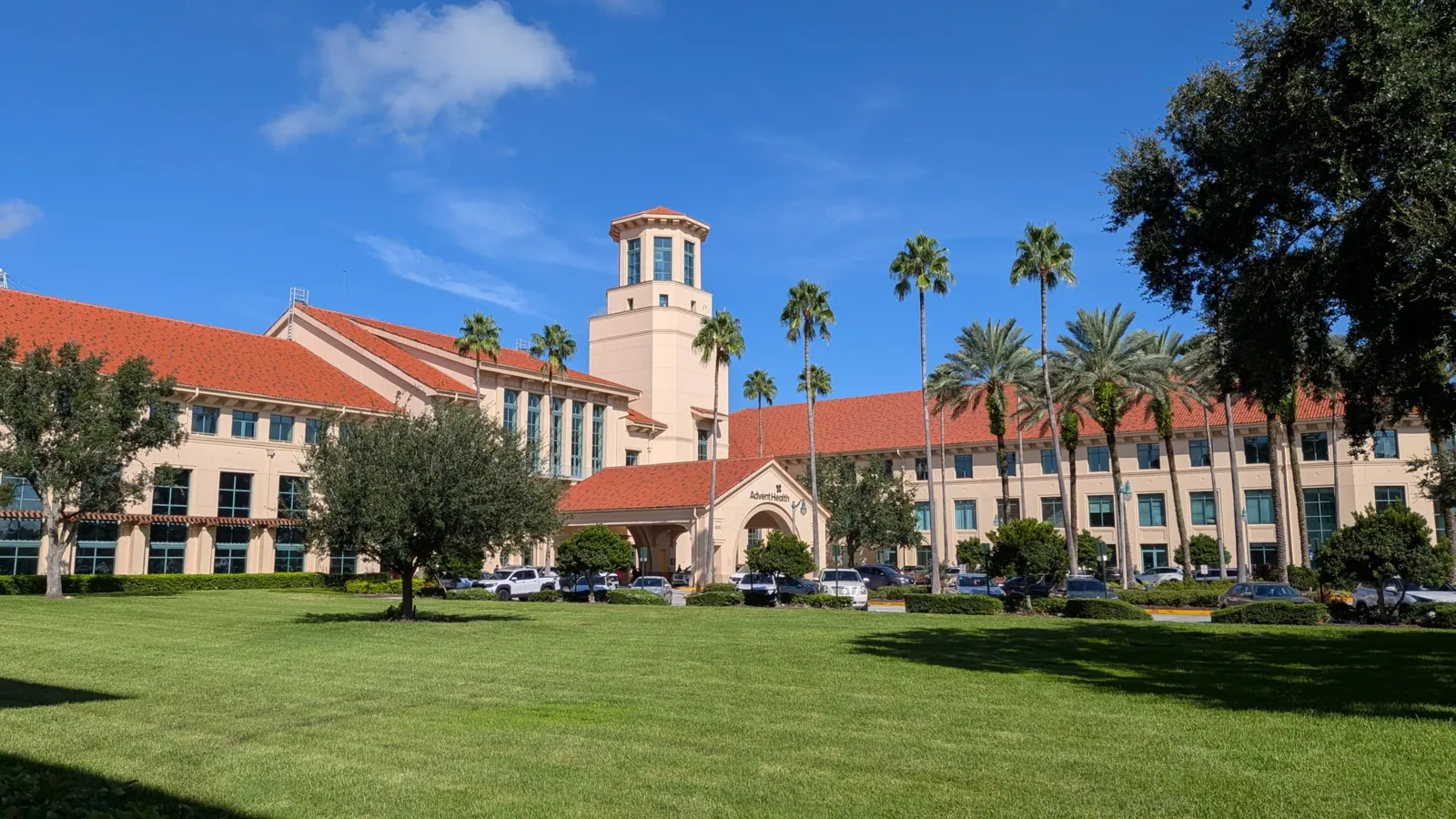
Summer break, testing dates, staff return, evening programs, and custodial shifts can affect roof access even when students are not in class. The district identifies which days permit noisy work, where deliveries may stage, and which doors or parking areas must stay clear. We verify ladder or hatch access, lift placement, and the route for removing old material before setting a start date. A roof can be divided into sections with a phase boundary and daily close-in point that staff can check. If the schedule changes, the handoff note identifies the area protected and the next approval needed. Fullerton's dry summer normals provide broad seasonal context, but the forecast and product requirements determine each day's installation window. A phased occupied-building plan can connect school notices with roof sections rather than announce a broad disruption that is not tied to the work.
What should staff send with a classroom leak report?
A useful report includes the room, date, whether water appeared during or after rainfall, and any recent work above the area. We compare that record with roof drains, penetrations, seams, walls, and mechanical details before assigning a repair location. Water can travel along a deck or framing, so a ceiling mark may not sit below the entry point. We photograph what is accessible and record areas obscured by equipment or restricted access. If a test opening or moisture scan is proposed, district staff approve its location and closure plan first. The leak investigation can map a confirmed detail and distinguish it from a plumbing or mechanical question. Near Downtown Fullerton, the City's Central Business District guidance applies to development and rehabilitation, but the school address and its own approvals still govern any project-specific exterior work.
Why can two campus roofs need different scopes?
A district can have membrane, built-up, metal, and coated sections installed at different times. We identify the assembly at accessible edges and transitions before recommending a repair material. A recover may change drain height, parapet clearance, curb exposure, and flashing details. Replacement reaches more of the assembly and can reveal insulation or deck conditions not visible during a walk. A local patch may fit a bounded puncture while a separate section needs moisture testing or capital review. The school roof assessment can describe those building-level choices, and a drain and scupper check can separate a blocked conductor from a membrane tie-in. We show each alternative against the same roof map and identify where a test result could change quantity, access, or calendar assumptions.
How does the crew keep a campus route controlled?
Before work starts, the facilities contact identifies gates, alarms, student drop-off, staff parking, playground boundaries, and the person who can release roof access. We set a staging point and equipment path that keep material movement separate from occupied areas. If a lift or dumpster affects a fire lane, the site lead approves an alternate location before delivery. The scope names barriers, protection below, noise-sensitive periods, and who receives a daily handoff. A weather hold should state which section remains protected and when the team will reassess it. The urgent repair response uses the same need for a clear escort, access route, and closure decision when a leak cannot wait for a school break. District staff receive a section-level update rather than a vague statement that roof work is underway across campus.

What should the district retain after a roof phase?
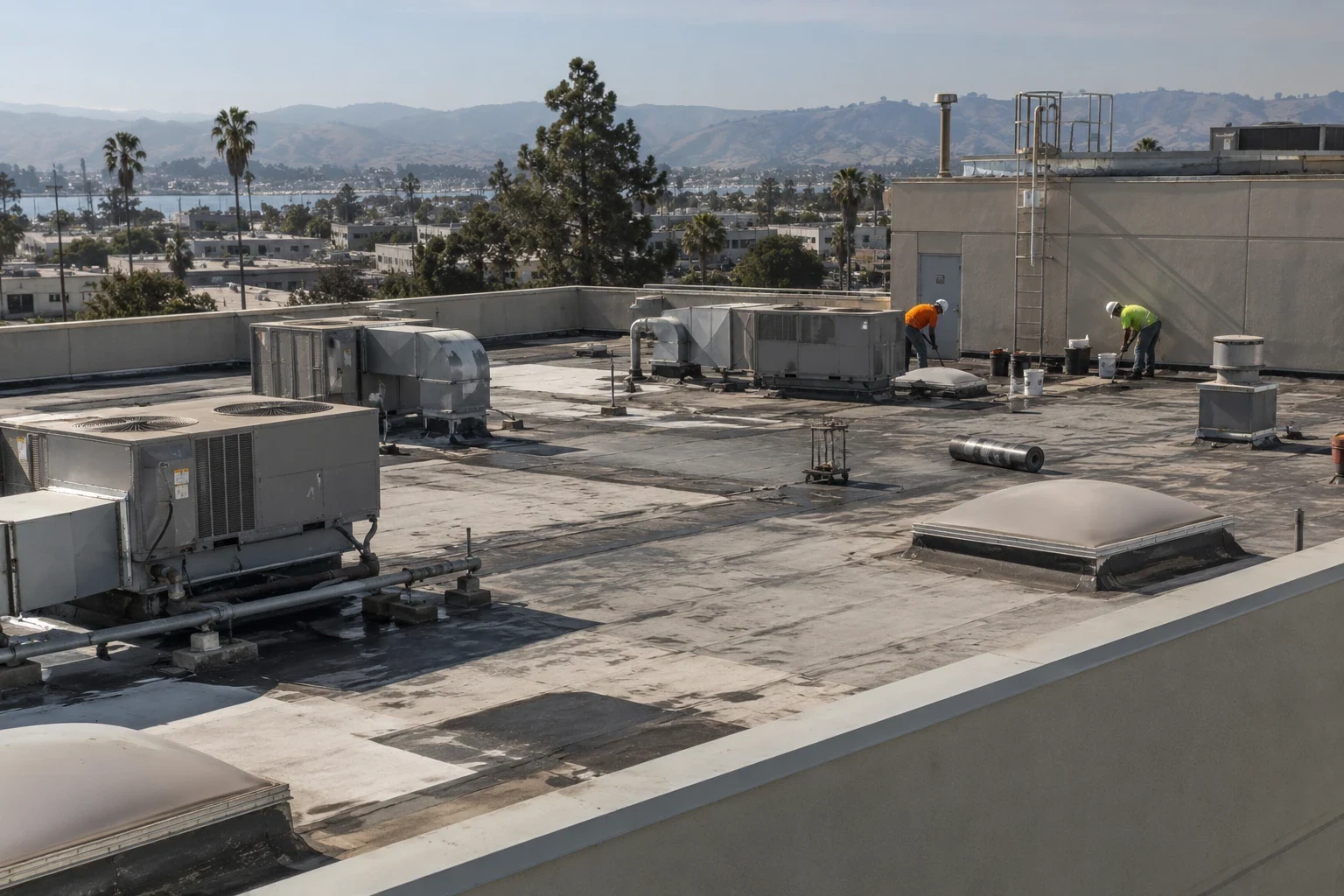
Keep the approved scope, marked plan, dated photos, materials, repair limits, test records, areas not reached, and open trade handoffs in the campus file. We identify who accepted the daily close-in and what staff should monitor before the next visit. If a future roof phase begins in another school, the facilities team can use the same reporting fields without carrying over the first building's condition. City planning material places the Amerige Heights Specific Plan District among Fullerton's mixed-use plans, while Downtown Fullerton has its own Central Business District design guidance. Those geographies help orient a service conversation; they do not identify a specific school or establish its roof construction. A public-agency roof file can preserve approvals and recordkeeping for public owners, and a district location record identifies the broad planning area. Send the campus list, plans, leak log, access procedures, and academic calendar to sequence the first inspection. On a roof phase with multiple trades, we record which party moves equipment, who signs off after a test opening, and the date the next section can be accessed. The district receives a concise handoff for each building, so a later facilities lead can see the work boundary without relying on a general project email.
Commercial Roofing Questions
Can a district inspect several roofs in one visit?
We can coordinate multiple addresses when access and staff schedules permit. Each building still receives a separate roof map, findings, and list of areas not reached.
What should happen before a test cut at a school?
We document visible conditions, explain the question the opening would answer, and agree with the district on location and closure before cutting.
Does a classroom ceiling stain identify the roof defect?
Not by itself. We compare its location and timing with roof details, drainage, and nearby mechanical paths before setting the repair boundary.
Can roof replacement be split across summer breaks?
It can be phased when section boundaries, material staging, access, and closure details support separate work windows. We map dependencies before choosing the sequence.
Which records help budget the next campus roof?
Retain the plan, photos, assembly notes, repair history, test results, access limits, and approvals. Those records give the next survey a concrete comparison point.