
Assess acrylic roof coatings in Fullerton with substrate review, drainage and weather limits, adhesion testing, and documented repair boundaries.
Roof leak, storm damage or an inspection coming up?
An acrylic roof coating may be considered for an existing roof only after the substrate, exposure, drainage, moisture, and required repairs are understood. Formulations differ, and application limits vary by manufacturer. Begin with the roof plan, system records, prior coatings, warranty conditions, and owner objectives. Commonwealth Corridor is Focus Area B, planned for connected neighborhood-serving retail and commercial uses focused into distinct nodes. North Industrial is Focus Area H, a Fullerton area for guided development. The roof inspection, not the map designation, determines coating suitability. A qualified survey can separate candidate sections from areas needing repair or replacement. The specification should define surface preparation, test results, system components, details, and the maintenance obligations that follow installation.
Verify substrate and previous work
Record whether the existing assembly is metal, membrane, modified bitumen, built-up roofing, or a previous coating. Inspect seams, laps, fasteners, repairs, penetrations, drains, and edges, and compare them with available product records. If the prior coating is unknown, identify a test plan rather than assuming compatibility. The restoration evaluation should state why coating is being considered; the focus is acrylic-specific questions. Compare it with a silicone coating system only after the exposure and substrate are known. The chemistry name alone does not establish that a particular formulation will bond, shed water, or meet the owner's project requirements.
Divide the roof plan into areas that are proposed for coating, areas requiring a separate repair, and areas excluded from the work. Record the basis for each boundary, such as a different membrane, poor adhesion, standing water, equipment access, or an unverified prior layer. State how quantities were measured and whether concealed conditions can change them. Price cleaning, primer, reinforcement, detail repairs, and test work clearly so the owner can see what is included. Note who approves additional preparation if testing uncovers a different substrate. This level of detail prevents a general coating allowance from being mistaken for a complete roof restoration and gives facilities staff a useful record when scheduling later repairs or contractor access.
Evaluate water, slope, and exposure
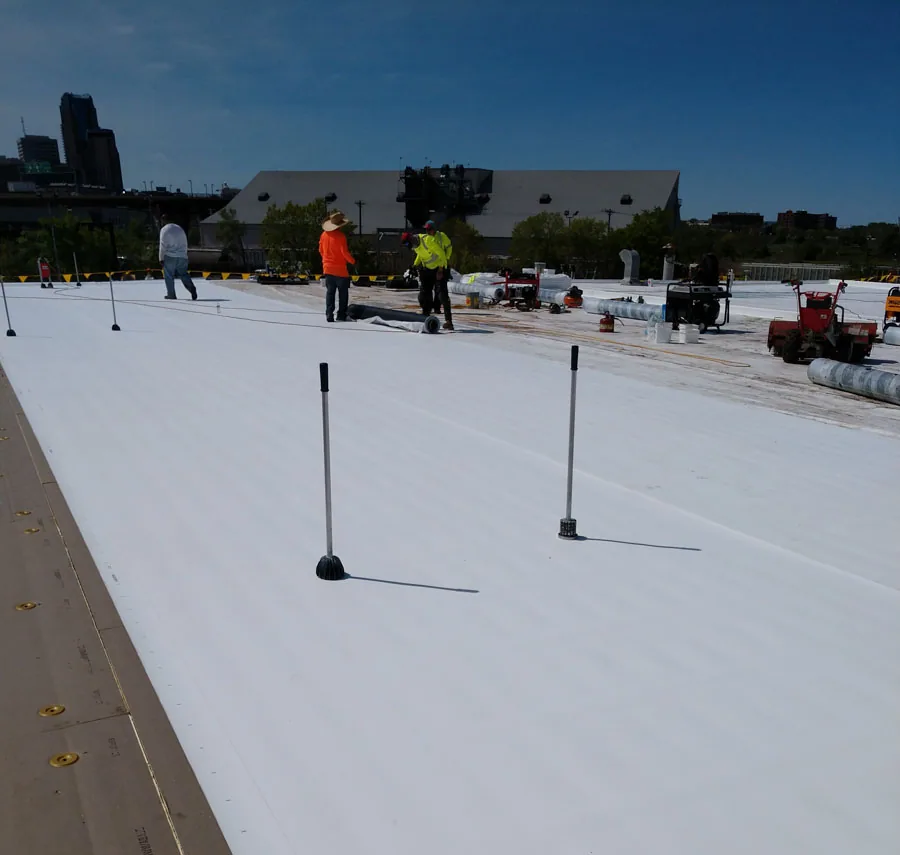
Map active leaks, wet areas, ponding, blocked outlets, drainage paths, and details that can hold water. Acrylic products have formulation-specific limitations, including conditions involving prolonged ponding; verify the selected manufacturer's instructions and the roof's actual drainage. Do not treat surface color or appearance as proof of a dry substrate. A qualified professional can decide whether moisture testing is needed and where an approved core or test cut should be restored. Fullerton's August normal mean daily high is 86.7°F. The current forecast, substrate temperature, and product limits set the project's cure window. Record current conditions and use product-specific application requirements.
Set review points for substrate preparation, representative adhesion testing, detail repairs, and the installed coating before crews move to the next roof zone. Record the selected manufacturer's criteria and the method used to check them; requirements are product-specific and should not be replaced with a generic thickness target. Keep dated photographs, product and batch identification, weather observations, test locations, and corrections with the job file. Identify the person who can accept a deviation or direct rework. At closeout, reconcile the roof plan with actual completed and excluded areas. A property manager should receive the inspection and maintenance instructions that apply to the installed formulation, along with contact details for the responsible contractor and warranty issuer.
Specify testing and surface preparation
Document cleaning, drying, removal of loose material, rust treatment, primer, patching, and repair of open details as required by the selected system. Adhesion tests should include representative areas with different substrates, repairs, or prior coatings. Note the method, test location, cure time, environmental conditions, and acceptance criteria before the test is run. A single favorable spot does not establish roof-wide suitability. If results differ, separate the affected sections and revise quantities. Coordinate any test opening or coating removal with the owner and warranty issuer. Keep a sample or product record when the manufacturer recommends it. The estimate should say whether testing is included and who approves additional preparation when field results fall outside expectations.
A newly coated roof still needs controlled access and a maintenance routine. Tell the facilities team how to request approval before another trade installs equipment, cuts the surface, or changes a flashing. Provide the product-specific instructions for cleaning, inspection, and reporting damage, and clarify who owns those tasks. Keep a copy of the roof plan near maintenance records so staff can identify coated areas and exclusions. During later inspections, note whether debris, drainage, mechanical work, or repairs have changed the condition since closeout. A prompt review of a damaged detail can help the owner decide what investigation is appropriate. These steps support an organized roof program, but they do not substitute for diagnosing a leak or correcting a drainage problem.
Resolve details before field application
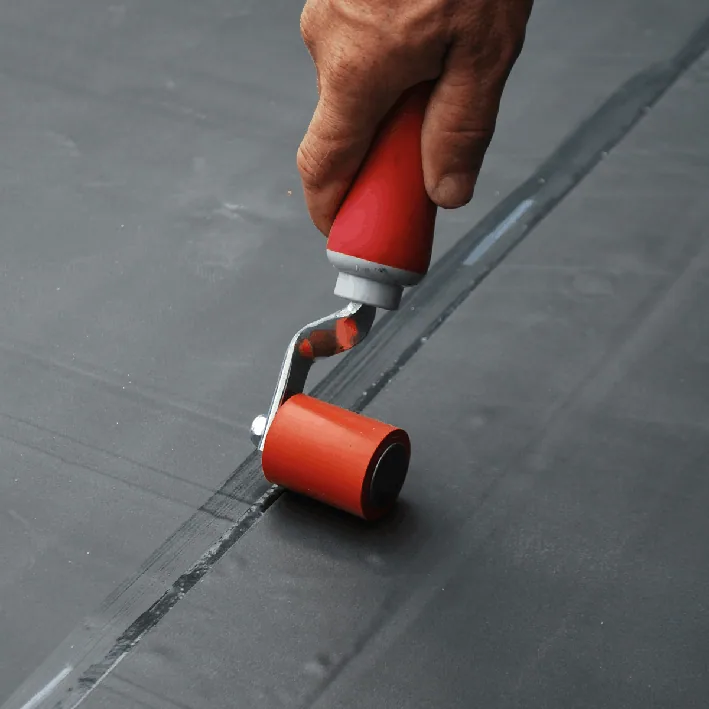
State how laps, fasteners, transitions, curbs, drains, scuppers, parapets, penetrations, and edge metal will be repaired and reinforced. The coating should not replace a required flashing, expansion-joint, or termination detail. A repair proposal can address defects separately, and a coping and gutter review can clarify perimeter work. If an area transitions to modified bitumen roofing, document compatibility and termination requirements. Define included areas, excluded equipment zones, and any surfaces that will remain uncoated. Draw each boundary on the roof plan so later maintenance does not assume a continuous application.
Compare coating with localized repair, recover, or replacement using the same survey findings and clearly stated assumptions. The comparison should identify active leaks, wet or loose areas, drainage limitations, compatibility questions, and required work at transitions. Include operational disruption, access, testing, and future maintenance responsibilities in the owner's evaluation. If the survey leaves a material question unresolved, describe the additional testing needed before a final choice. Avoid relying on a single visible sample or a projected savings figure that omits preparation and repairs. Keep the decision record concise: what was observed, which alternatives were reviewed, what conditions must be met, and who approved the selected scope. That record helps future property staff understand the basis for the work without treating the coating as a substitute for ongoing inspections.
Coordinate application at an operating building
Plan staging, access, protection of equipment and landscaping, ventilation or odor measures, work hours, and daily dry-in expectations. Confirm who can approve shutdowns or equipment restart and how crews reach each roof zone. Product instructions and actual weather control the application window. Fullerton's North Industrial Focus Area is a broad planning reference, not evidence of a site's access, tenant schedule, or service availability. The property contact must provide actual site rules. Keep drains open, protect uncured work, and define stop-work steps for rain, dew, temperature changes, or substrate conditions that exceed the approved range.
Record acceptance and maintain the roof
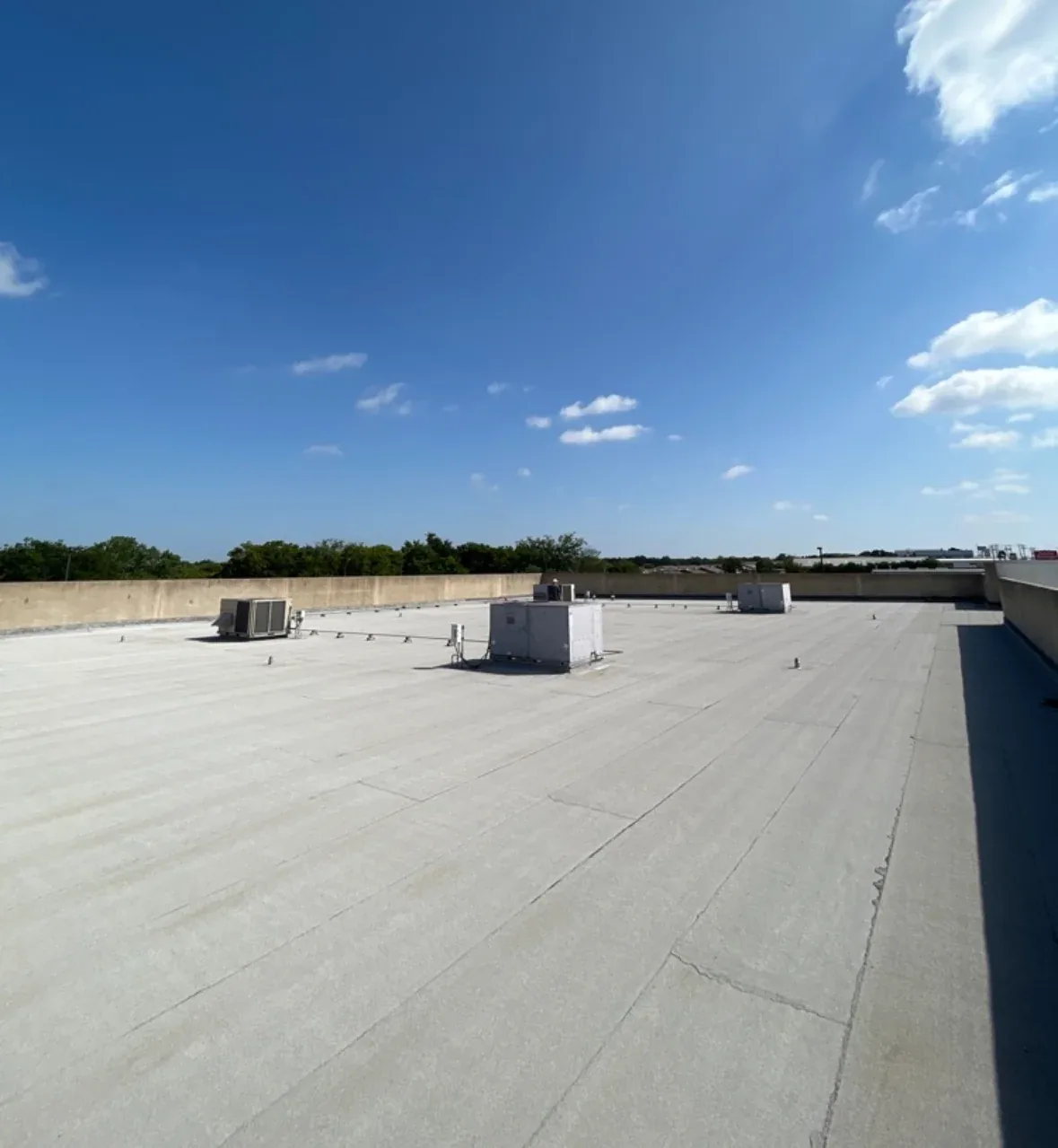
At completion, record the product, batch, surface preparation, repair locations, application date, tests, photographs, specified coverage or thickness checks, and warranty terms. List maintenance responsibilities and inspection timing stated by the manufacturer. Explain how another trade should request permission before a future penetration or equipment project. The owner should receive an updated plan showing the work and any exclusions. A coating can be one part of a roof program, but it does not remove the need to inspect drainage, repairs, and later trade work. Keep any open question assigned to a person and date. The maintenance file should state what was observed and completed without making an unsupported prediction about how long the roof will perform.
Commercial Roofing Questions
Can acrylic coating be applied over every old coating?
No. The substrate, prior materials, adhesion, moisture, and selected product requirements must be evaluated.
What if water ponds on the roof?
Review drainage and product limitations first; some formulations restrict prolonged ponding exposure.
Does a favorable test spot approve the whole roof?
No. Test locations should represent distinct substrates and conditions across the proposed area.
Can coating replace flashing repairs?
No. Open details and terminations need a compatible, specified repair before field coating.
What information belongs in the maintenance file?
Keep the product data, test and application records, roof plan, photos, exclusions, warranty, and inspection needs.