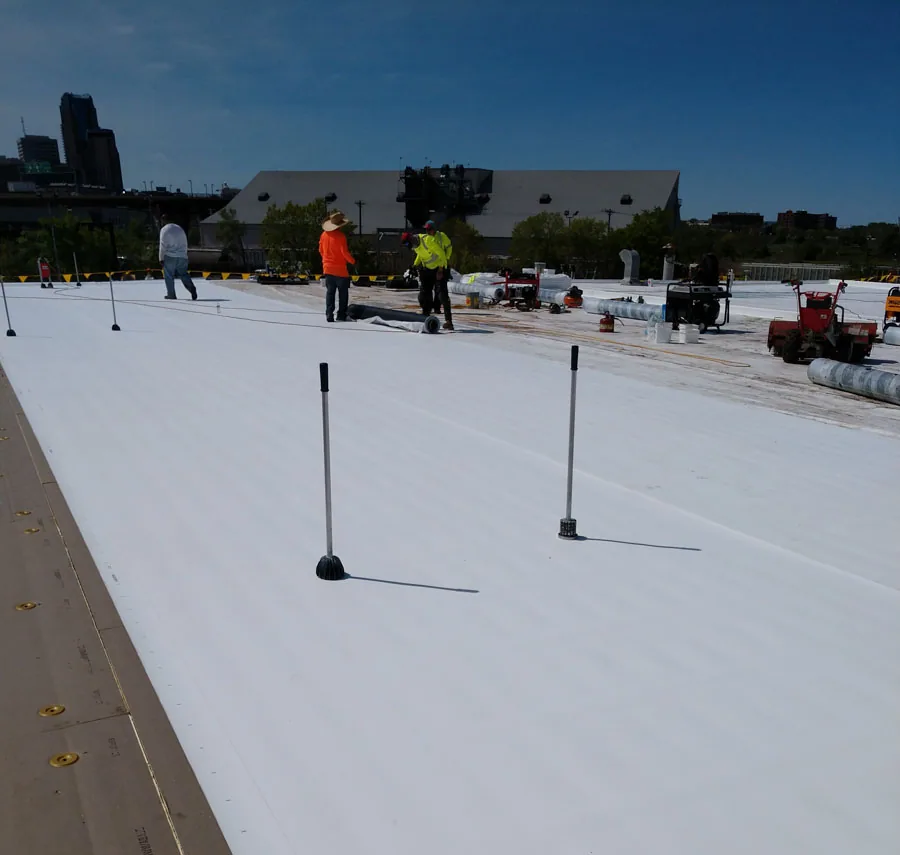

Commercial roof assessment, repairs, replacement planning, and maintenance for Garden Grove facilities, with documented scope and coordinated site access.
Roof leak, storm damage or an inspection coming up?
Commercial roof decisions in Garden Grove should start with the actual property, its records, and the question the owner needs answered. Gather roof plans, repair invoices, warranty instructions, equipment layouts, and dated reports before requesting a price. Keep separate buildings and additions distinct when they have different assemblies, drainage, or access. A written inspection boundary helps everyone see what was reviewed and what remains unknown. Citywide context can help locate a project contact, but it cannot establish what is happening beneath a membrane. Describe the roof section, operating concern, and access limits so the next step is tied to an observable condition.
Garden Grove planning context and project coordination
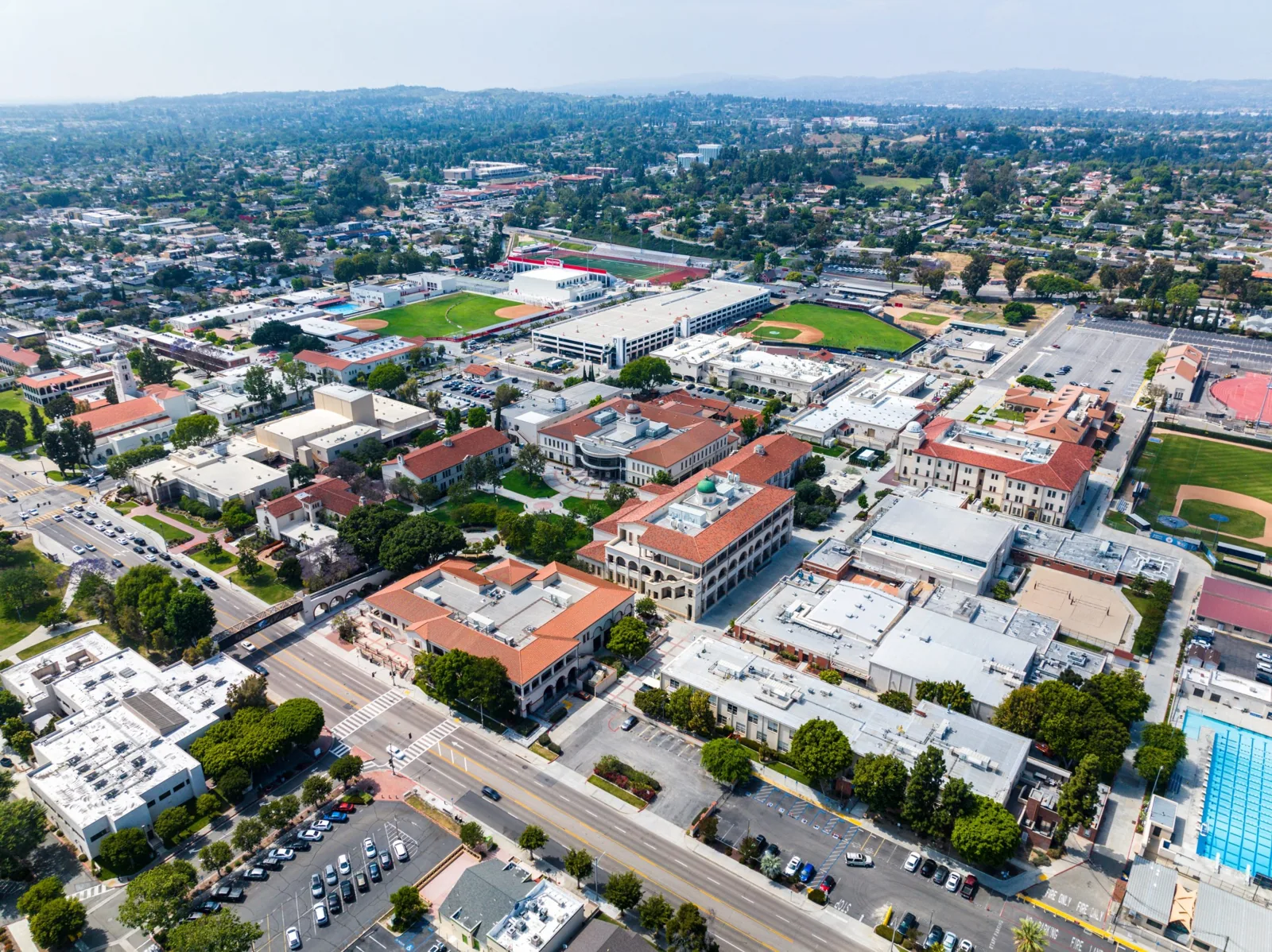
Garden Grove’s economic-development materials describe citywide business support and several target areas, including industrial corridors, Downtown/Civic Center, and commercial districts. Those planning categories are useful context for owners organizing property files, but they do not describe a particular roof or confirm a leak source. Identify each building and roof section by its own records, access conditions, and operating schedule. If the property is part of a portfolio, keep the Garden Grove work order separate from reports for another city. For a Garden Grove request, begin with the actual property's records, access contact, and the inspection boundary.

Trace a reported water condition in Garden Grove
Start a Garden Grove roof review with the person who can authorize access and explain what happened inside. Record the room, date, weather, equipment activity, and whether water is still entering. On the roof, map drains, seams, curbs, penetrations, edges, and transitions against that report. A stain alone cannot establish a roof failure; plumbing, HVAC condensate, and indoor humidity can create similar signs. Photograph a close detail and its wider setting, then note areas hidden by equipment or unsafe to reach. The commercial roof inspection can organize that evidence into a location-specific record, with unresolved questions stated plainly.
Match the recommendation to the roof assembly
Before comparing a coating, recover, or replacement, confirm what assembly is actually in place. Existing plans may omit later additions, abandoned penetrations, or previous overlay layers. Record membrane type where known, insulation and deck clues, slope, drainage route, attachment, and edge conditions. Separate roof zones when their age, exposure, or construction differs. A coating proposal should explain preparation, adhesion testing, reinforcement, limits, and details around drains and equipment. A recover or replacement bid should identify removal, dry-in, disposal, tie-ins, and concealed-condition allowances. A TPO assembly needs compatible seam and transition details; site evidence and project requirements establish whether it fits.
Coordinate work at an operating Garden Grove property
Roofing on an active Garden Grove property requires an agreed operating plan. Before mobilization, name the owner representative, access contact, safety lead, and person who can approve a scope change. Confirm staging, lift paths, delivery windows, work hours, fire access, and occupant notices. Mark units that cannot be interrupted and define who coordinates any shutdown with the responsible facilities team or qualified trade. Each shift should close the exposed section against weather and record what remains incomplete. A daily note can report the zone finished, the next work area, and any changed route or noise expectation. This keeps a schedule discussion factual without promising that customers, tenants, or employees will experience no disruption.
Write repairs that can be measured and approved
A repair description becomes easier to price when it ties an observed condition to a marked roof plan, preparation, specified material, and measurable boundary. State whether insulation, deck, edge metal, and interior finishes are included or excluded. When concealed damage could expand the quantity, set an allowance or a stop-and-approve trigger before removal starts. If the crew reaches that point, document the opening, dimensions, moisture evidence, and proposed added work; wait for the authorized decision before proceeding beyond the written limit. The owner can then compare bids on the same scope rather than on a single total. A leak investigation should distinguish reported symptoms from confirmed entry points.

Keep a roof record that survives staff changes
Property managers often inherit incomplete roof histories when tenants, facility staff, or vendors change. Build one file per building with plan version, repair date, product data, photos, access limits, warranty instructions, and approvals for later penetrations. Use consistent labels for drains, curbs, edges, and roof zones so an old repair can be found during a new inspection. If several facilities share a budget, keep their estimates and risk notes separate before rolling them into a portfolio summary. A manager with a property in Anaheim or Brea should maintain a separate roof record for each address, apart from the Garden Grove file. For properties with several tenants, assign one owner contact to collect reports and route approvals; separate contact notes prevent a routine maintenance request from being mistaken for authorization to alter a shared roof.
A maintenance visit is most useful when it repeats a known route and records exceptions. Review drainage paths, roof edges, penetrations, prior repairs, and the conditions that may affect warranty coverage. After significant weather or rooftop construction, compare current photographs with the prior file instead of relying on memory. If a drain is obstructed or a seam looks open, identify its roof-plan location and determine whether immediate protection is needed. Keep the report clear about what was visible, what was inaccessible, and whether testing remains. A useful follow-up log records the date, roof zone, observation, and remaining question. If a new report changes those facts, the manager can route that specific area for another inspection.
Compare options and prepare the next manager handoff
When repairs no longer address the documented condition, compare replacement against a recover only after the assembly and wet areas are understood. The proposal should show removal limits, sequencing, temporary dry-in, disposal, deck review, tie-ins to adjoining systems, and protection for equipment or occupied space. Separate confirmed scope from allowances so an owner can see which quantities could change. For phased work, show the section boundaries and how each area will be left at the end of a shift. The replacement scope should align with project drawings, permit review, warranty requirements, and the owner’s selected system. A lower bid may simply omit work needed to reach the same closeout standard.
At completion, request an updated roof plan, installed-product records, photographs, approved change orders, warranty instructions, and a list of areas not inspected. Name who receives future water reports and who can authorize access. If a later tenant improvement changes equipment or adds a penetration, record the approved detail and responsible trade. A useful handoff separates completed work from monitoring or testing still open, with an owner and date for each item. Where the property includes warehouse space, roof access and work zones should be recorded separately from other uses, with the property’s own documents controlling. Every Garden Grove roof still needs its own inspection record and address-specific scope.
Commercial Roofing Questions
What helps an inspection start efficiently?
Provide the roof plan, prior repair records, access rules, current reports, and the person who can authorize entry.
Does the city’s economic plan determine roof scope?
No. City planning is broad context; the existing assembly and observed conditions determine a building-specific scope.
How should an uncertain leak be handled?
Record the report and likely path, document alternatives, and define any test needed before assigning a cause.
Can a tenant approve roof penetrations?
Only the owner or authorized representative should approve work affecting the shared roof and coordinate qualified trades.
What should be retained after work?
Keep a marked roof plan, product records, photographs, approved changes, warranty steps, and open follow-up items.