Plan commercial roof inspection and repair in Yorba Linda with property-specific findings, approval paths, and clear maintenance records.
Roof leak, storm damage or an inspection coming up?
A short roof-access window between business activities calls for a confirmed route, site contact, and work zone before scheduling. Yorba Linda offers local business-development resources for businesses opening, remodeling, or expanding. The city's business-development office supports businesses opening, remodeling, or expanding; for roof work, bring plans, repair history, equipment locations, and access rules to the inspection. For a multi-suite property, mark each reported area and identify who can approve work on shared sections. We use that information to focus the visit and distinguish what can be observed from what needs another access arrangement.
Our commercial roof inspection process starts with the property record and a documented field review.Use City business resources for planning
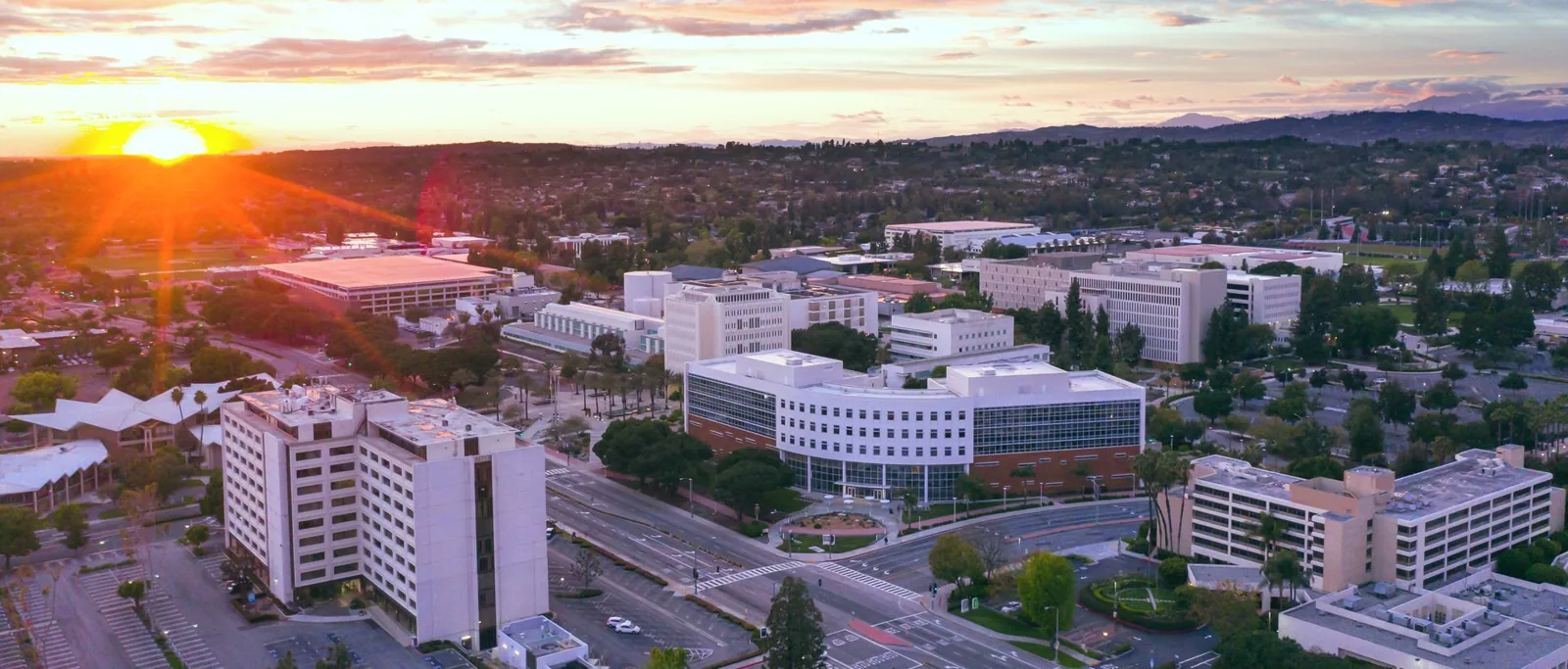
Yorba Linda describes commercial areas near major freeways and offers assistance with permits, business development, and relocation. Its citywide business outreach also seeks to identify local business needs and opportunities. When a remodel or equipment change is planned, review permit history, building records, roof access, and the authorized designer's scope before scheduling work. Confirm the actual parcel, current use, permit history, building records, and person responsible for roof access. If a remodel or equipment change is planned, coordinate roof work with the authorized designer and trade. For a multi-city portfolio, the Downtown Fullerton and Yorba Linda records each carry their own roof map, site contact, and access instructions.
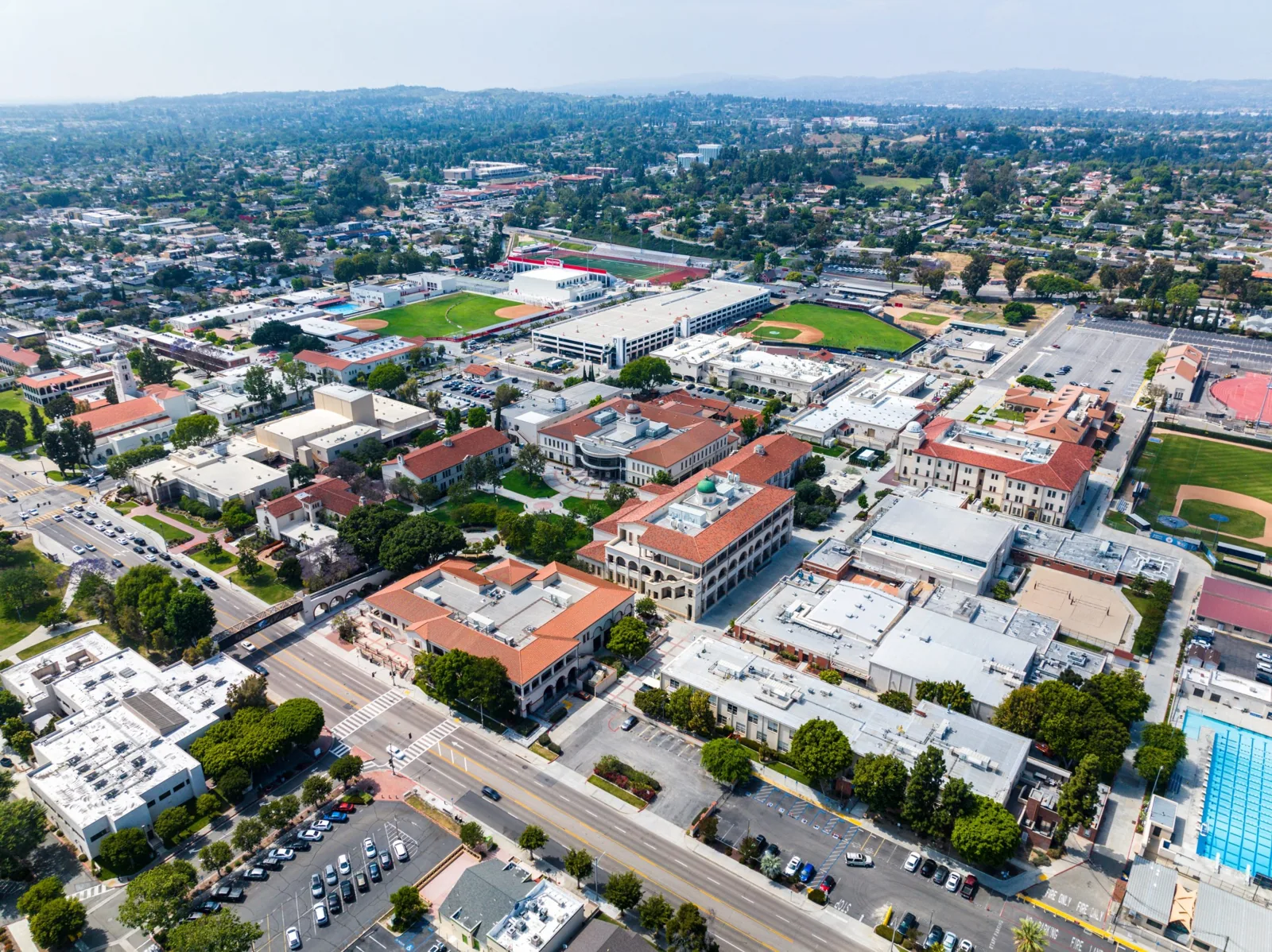

Build the inspection around reported conditions
Record where water or visible damage was reported, when it appeared, and whether the condition was active during the inspection. Mark the interior location on a plan and compare it with drains, seams, penetrations, walls, curbs, and prior repair boundaries above. A ceiling stain does not identify the source by itself; plumbing, HVAC condensate, and indoor moisture may need separate review. Take photographs that show each detail in context. If an area is inaccessible or a tenant cannot provide entry, note the limit and arrange follow-up with the owner. A report should state what was inspected, what was not, and which next step would answer the remaining question.
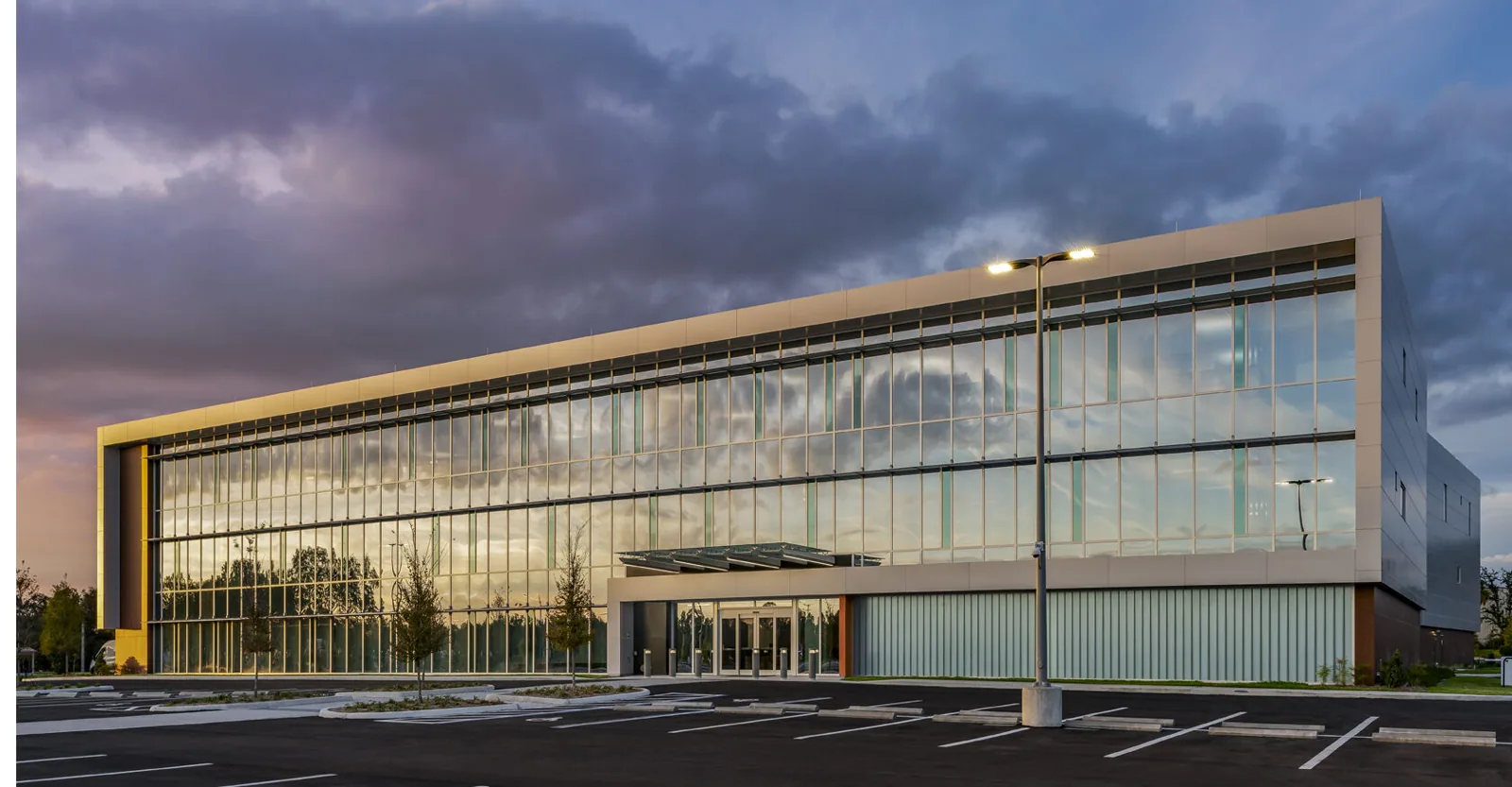
An office building roof plan can help gather equipment and access information before a visit.Compare repair and replacement by scope
A roof recommendation should follow the assembly and the evidence found on site. Record membrane or metal type, attachment, insulation, drainage, deck, prior layers, repairs, and warranty instructions where available. A localized repair may suit a defined detail if the return boundary can be inspected. A recover needs review of moisture, added load, deck condition, and applicable requirements. A coating proposal should state preparation, testing, repairs, and exclusions. Replacement scope should specify removal, substrate review, insulation, edge details, tie-ins, and temporary protection. We explain why an option fits a roof zone and which additional observations could change the recommendation. Separate sections when a newer addition or different assembly creates different conditions.
For system questions, review TPO roofing details alongside the actual product and substrate.Set the owner approval path
Before crews arrive, the owner should approve staging, deliveries, access routes, work hours, protected entrances, and any equipment shutdown. Designate one contact to receive tenant reports and authorize a change. If the roof has a gate, hatch, or controlled interior route, arrange the access in advance and give crews the correct site instructions. Divide work into zones with a daily dry-in check and a named close-of-shift contact. If an unexpected condition appears, stop at the agreed boundary, photograph it, and present options for owner direction. A shift in schedule does not automatically approve added work. Keeping that decision path explicit helps the property manager coordinate contractors and occupants without delegating building-owner decisions to tenants.
For Fullerton properties near Amerige Heights, schedule a separate inspection with that site's access contact and roof plan.Make each line item reviewable
Identify the roof section, measured area, observed issue, preparation, material, repair limit, and excluded work. State whether the proposal includes deck, insulation, sheet metal, HVAC support, interior finishes, testing, or permitting. If concealed damage may change the price, define a hold point before removal and specify what evidence the owner will receive. Photographs and measurements let the manager compare the discovery with the original plan. Keep alternates separate and explain which assumptions differ. That way, a repair proposal can be weighed against replacement without hiding a different work boundary in each bid. The owner should approve any expanded scope in writing before work moves beyond the documented zone.
A defined commercial roof repair should also name the follow-up check and record.
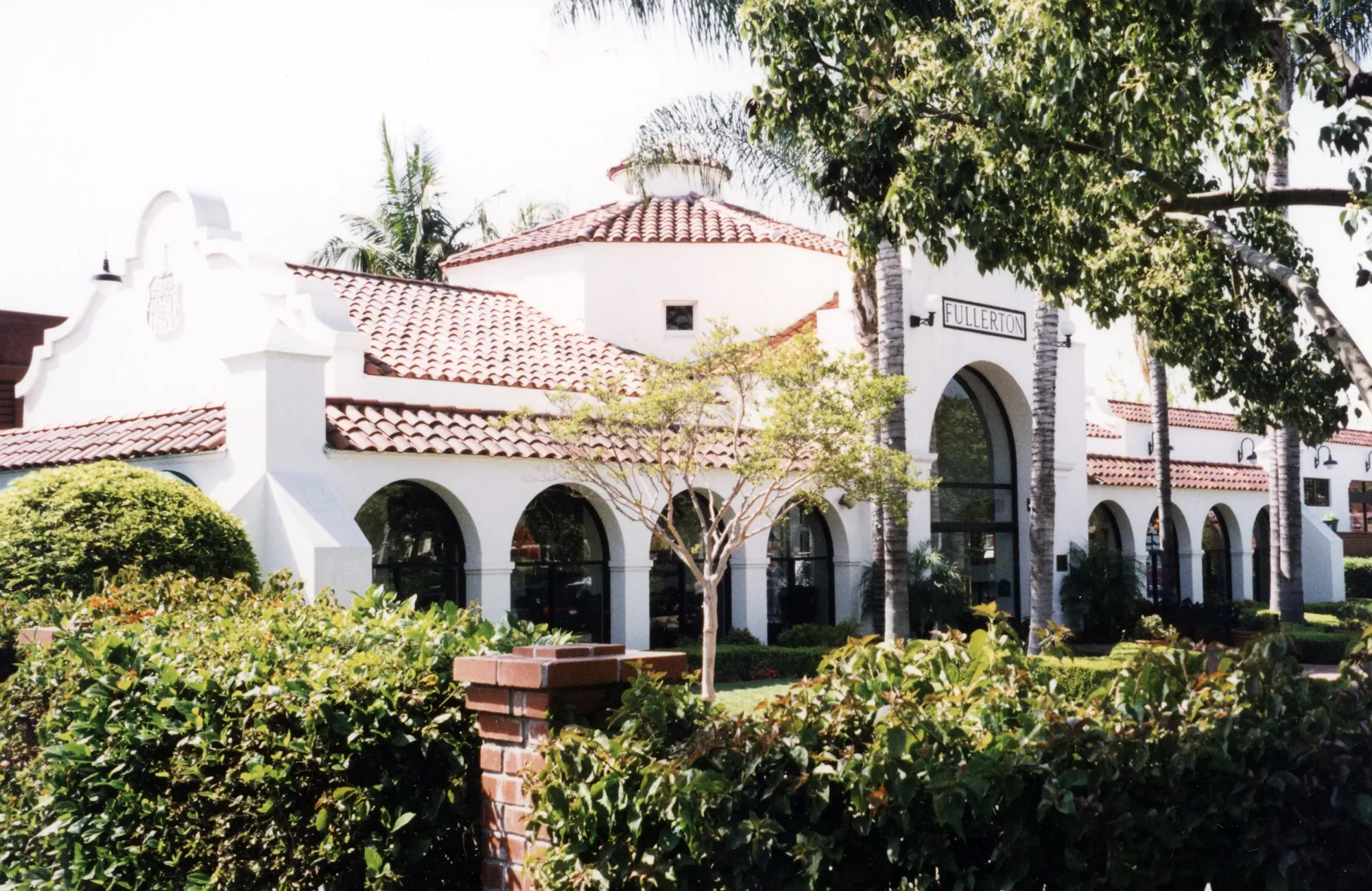
Maintain a roof history independent of business plans
Keep inspection reports, roof drawings, repair photos, material data, warranty steps, and later trade work in one property file. Record new penetrations and identify the person who approved each change. Fullerton Municipal Airport's 1991-2020 normals record 39.4 days each year at or above 90°F and an August mean daily maximum of 86.7°F. Use those regional normals to plan summer work windows, then check the Yorba Linda forecast, roof exposure, wind, and product limits. Before an adhesive, coating, or membrane task, the supervisor checks the roof's actual surface conditions, wind, current forecast, and the selected product's application limits. A maintenance review can revisit drains, seams, curbs, and earlier repairs using consistent labels. If a report concerns one room, keep the finding tied to that area until inspection supports a broader conclusion.
A repair history should make repeat observations easier to compare.Hand back a file the facilities team can use
Deliver the roof map, completed work areas, photographs, product information, approved changes, exclusions, access limits, and warranty instructions. Note the person who accepted the file and how to request future access. For a new leak report, capture room, date, and conditions before assigning a cause. If a remodel changes rooftop equipment or access, update the record before another trade mobilizes. The closeout should separate repairs from inspection-only observations and name any question that remains open. This gives a facilities manager a concise basis for budgeting, follow-up, and future contractor coordination with each recommendation tied to documented roof conditions and the owner's approved scope.
The next review should be tied to the actual roof assembly and the owner's operating schedule.For a multi-tenant facility, begin with the building contact who controls roof access and can approve a scope. Ask that person to provide current roof drawings, past repair records, warranty terms, equipment locations, and the interior locations where water has been reported. A marked plan should distinguish each reported symptom from the area inspected and list any portion that could not be reached. If the owner is comparing a repair with replacement, document the assembly, moisture findings, drainage, edge conditions, and the cost assumptions that separate the options. For work near active business operations, note the delivery route, tenant notice process, protection below the work area, and who can authorize a pause. Keep dated photographs, product records, scope boundaries, and follow-up recommendations with the building's roof plan so the facilities team can budget and schedule the next review.
Commercial Roofing Questions
What should a Yorba Linda manager provide before an inspection?
Share current roof drawings, past repairs, reported interior locations, equipment records, access rules, and the contact authorized to approve scope.
Can City business assistance approve a roof repair?
No. Local business resources can help explain the process. The owner must confirm permits, property approvals, and the contractor's scope for the building.
What belongs in a recover assessment?
The evaluator should document existing layers, moisture, deck, drainage, added weight, warranty, and applicable project requirements.
How should tenants report water?
Ask them to provide the room, time, and observed condition through the property contact, leaving cause determination to inspection.
When should a repair scope expand?
Only after the condition is documented and the owner or authorized manager approves a defined change.