
Commercial roof inspection, repair, and replacement planning for La Mirada properties, with documented conditions and coordinated building access.
Roof leak, storm damage or an inspection coming up?
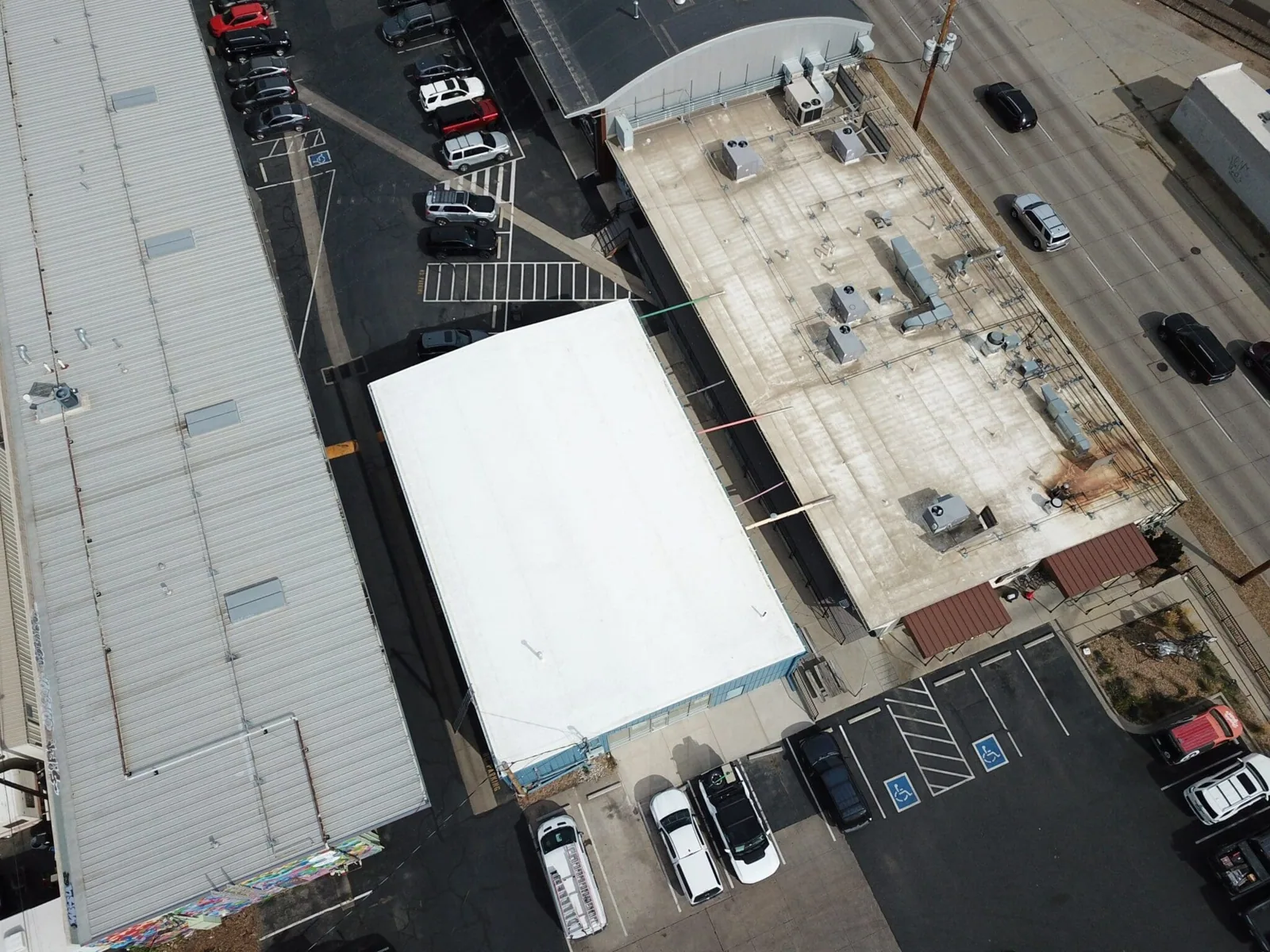
A practical La Mirada roof request identifies the building, roof section, and operational effect before anyone sets an inspection date. A manager can attach the current plan, prior repair records, equipment changes, and any dated interior reports before arranging a visit. If the property contains several additions, label their transitions rather than assuming one assembly extends across the whole footprint. The first review should establish what is visible, what access was available, and which question remains open. That gives the owner a defensible basis for comparing repair and capital options. A citywide service description sets geographic context; it does not represent an inspection of any particular roof. For a portfolio, retain the date each plan was last checked and mark additions that may have changed since the drawing was issued. That small control helps the inspector ask whether a new curb or unit appears in the record before treating an old detail as current.
La Mirada business corridors and permit coordination
La Mirada has business resources, permit modernization efforts, and commercial and industrial priorities around Imperial Highway and the I-5 corridor. That context matters when a roofing project is part of a larger tenant improvement or building upgrade. The property owner should identify the qualified designer and appropriate City contact for project review, while the roofing contractor documents existing conditions and proposes work within the approved scope. Keep entitlement questions separate from decisions about membrane repair, drainage, or insulation. A project file can record who owns each question, the drawing revision under review, and any schedule dependency. This prevents a general corridor description from being mistaken for property-specific approval.


Build a traceable record from a La Mirada water report
When water appears indoors, note the room, date, active status, recent weather, and nearby mechanical work. Mark the location on a floor plan and compare it with the roof plan above. At the surface, examine drains, seams, flashings, curb corners, penetrations, and transitions. A ceiling mark may be related to plumbing, condensate, or humidity rather than the roof; leave cause undecided until evidence narrows it. Photograph the detail and surrounding field, then note whether equipment or a safety limit blocked access. A commercial roof inspection can organize those observations by zone and list the next test that would resolve uncertainty. Each finding should identify its source and confidence, not just its severity.
Separate old and new roof areas before selecting work
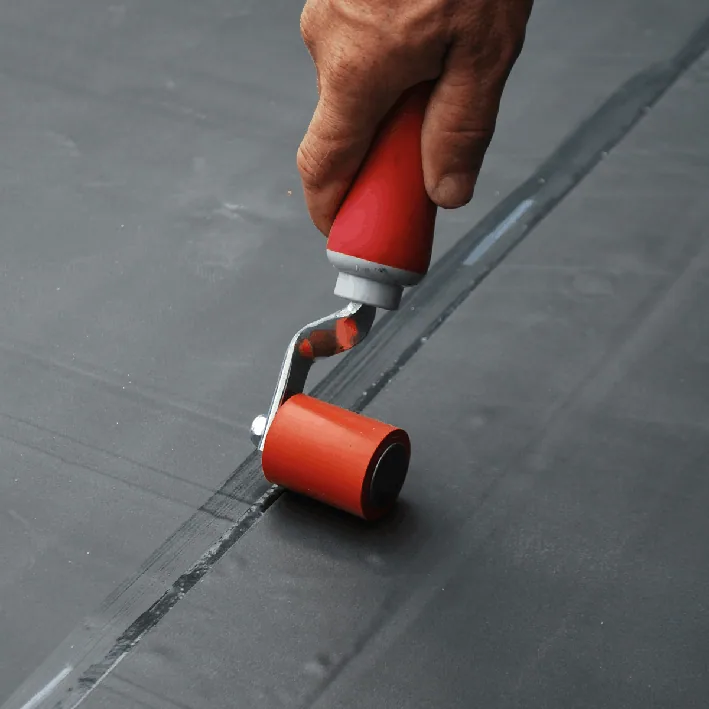
La Mirada properties may include additions completed in different years, so compare assembly, substrate, drainage, and attachment by section. Review drawings, warranty files, repair invoices, and any documented recover before deciding whether a coating or replacement is plausible. If records conflict with visible details, mark the discrepancy and consider a limited verification step. The proposal should say what has been confirmed, what is assumed, and what access was not available. A EPDM roof assembly overview can help frame questions about seams and transitions, but it cannot establish the system on a particular site. Ask bidders to identify the treatment at drains, edges, equipment supports, and tie-ins rather than pricing an undifferentiated roof field.
Plan roof access around the property schedule
Before a crew arrives, the owner should confirm hatch or ladder access, fall-protection expectations, staging, deliveries, work hours, fire access, and the contact authorized to approve a change. For facilities near active commercial corridors, set delivery and lift windows that fit the property’s own traffic plan rather than assuming a public road is available for staging. Identify units that must remain online and the qualified trade responsible for any shutdown. Each shift needs a written closeout boundary and a method to protect exposed work if weather changes. A daily update can name the completed zone, the next sequence, and any path or noise adjustment. It should report facts without promising an uninterrupted schedule.
Give each repair a boundary, quantity, and approval trigger
A repair scope should connect a defect to a location mark, preparation, material, and termination detail. State whether insulation, deck, metal edge, and interior work are included. If removal could expose concealed damage, define a measurable allowance and a stop point where the contractor sends photos and requests owner authorization. Do not let an unpriced condition expand into work by assumption. The owner can compare proposals using the same roof plan, access assumptions, and finish expectations. A commercial repair scope should explain how the new material joins sound existing work and how the result will be documented. If the report remains inconclusive, a leak investigation may be a better first step than broad removal.

Keep La Mirada roof records usable after staff turnover
Store a current plan, photographs, repair dates, product details, warranty instructions, access limits, and later penetration approvals together. Give roof zones stable names so facility staff can compare new reports with prior work. After equipment changes, ask the responsible contractor to record the approved flashing detail and update the drawing. A repeat inspection should revisit known repairs and drainage paths, then call out anything obscured or newly inaccessible. If a manager inherits the building, provide the access contact and unresolved items rather than forwarding only an invoice. Owners with sites in nearby Orange or Anaheim can use consistent file labels while retaining a separate condition history for each property.
For a multi-tenant building, designate one person to receive water reports, confirm access, and route notices. A tenant can describe what happened inside, but the owner or authorized representative must make decisions affecting the shared roof. Keep that distinction in the contact sheet and work order. If a leak report arrives after hours, record who secured the area and who will arrange a qualified inspection. This avoids asking occupants to diagnose roof conditions and makes the next site visit more efficient.
Close the project with records and open items clearly separated
At completion, collect the updated plan, installed product data, photos, signed changes, warranty requirements, and a list of areas not inspected. Mark each open issue with a responsible person and a follow-up date. If future work adds a vent, sign, or support, retain the approved detail and the trade responsible for the connection. A warehouse roof planning can help where that property type applies, but its general questions do not replace the building’s approved drawings. The handoff should let the next manager find what was completed, what was excluded, and which observations remain uncertain. That is more useful for budgeting than an unsupported promise about remaining roof life.
If water returns after a completed repair, compare the new report with the marked repair boundary, rainfall timing, and any work performed on nearby equipment. Send that record to the authorized manager before asking a crew to repeat a treatment. The new visit can then test adjacent details instead of assuming the earlier repair failed for the same reason. Keep the decision and any added authorization with the original closeout file.
Commercial Roofing Questions
What documents help an inspection begin?
Send roof plans, prior work records, warranty instructions, equipment changes, recent water reports, and the person who can arrange access.
Does a corridor plan approve roof work?
No. Land-use direction reflects municipal planning; the owner and project team must coordinate any required review for the actual building.
How should a suspected leak be scoped?
Record the interior location, compare it with roof details, keep other moisture sources open, and define follow-up testing if evidence is incomplete.
Who can approve a roof penetration?
The owner or authorized representative should coordinate the design, affected trades, and any project review before the roof is altered.
What belongs in closeout?
Retain marked plans, product information, photos, approved changes, warranty steps, inspection limits, and dated follow-up items.