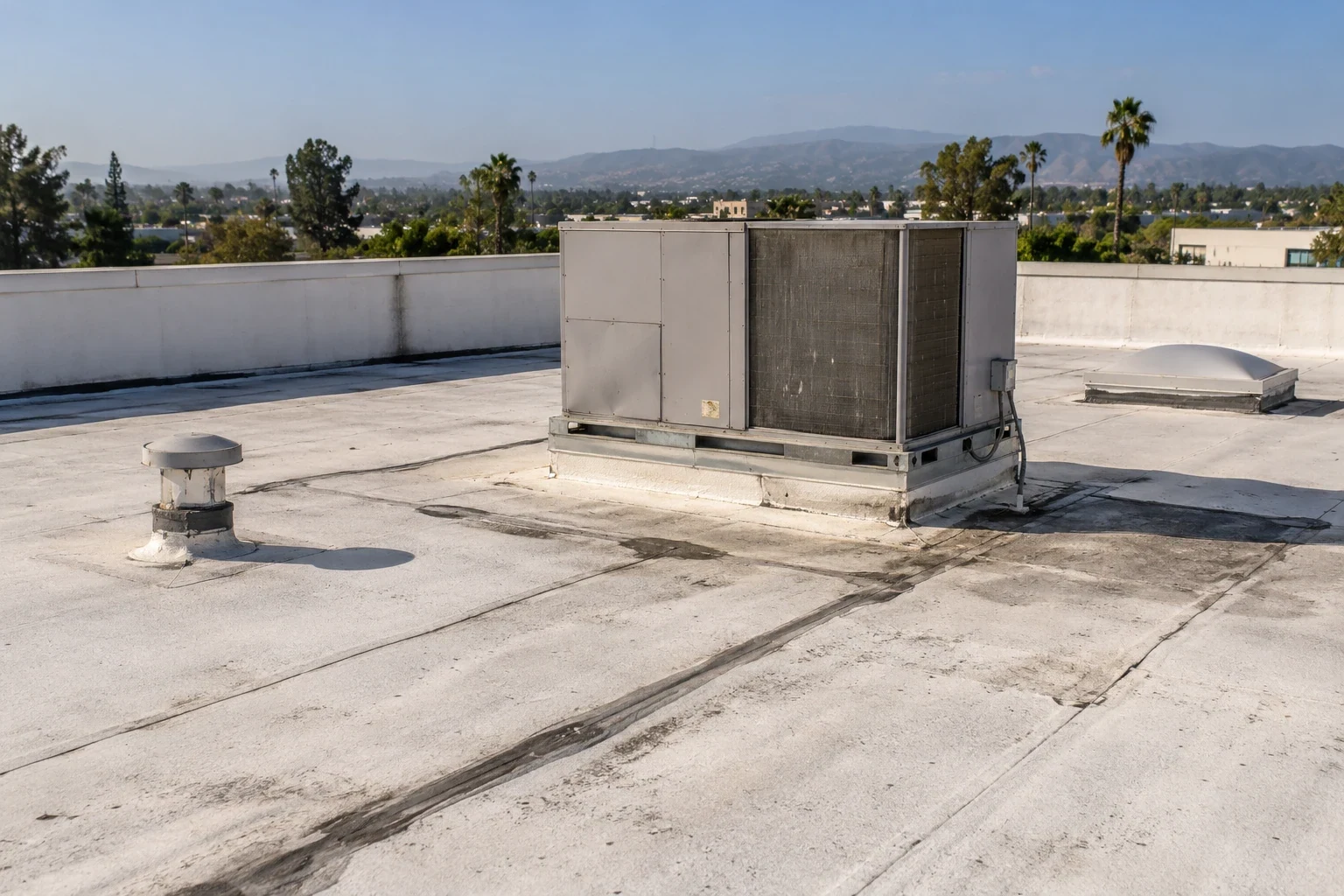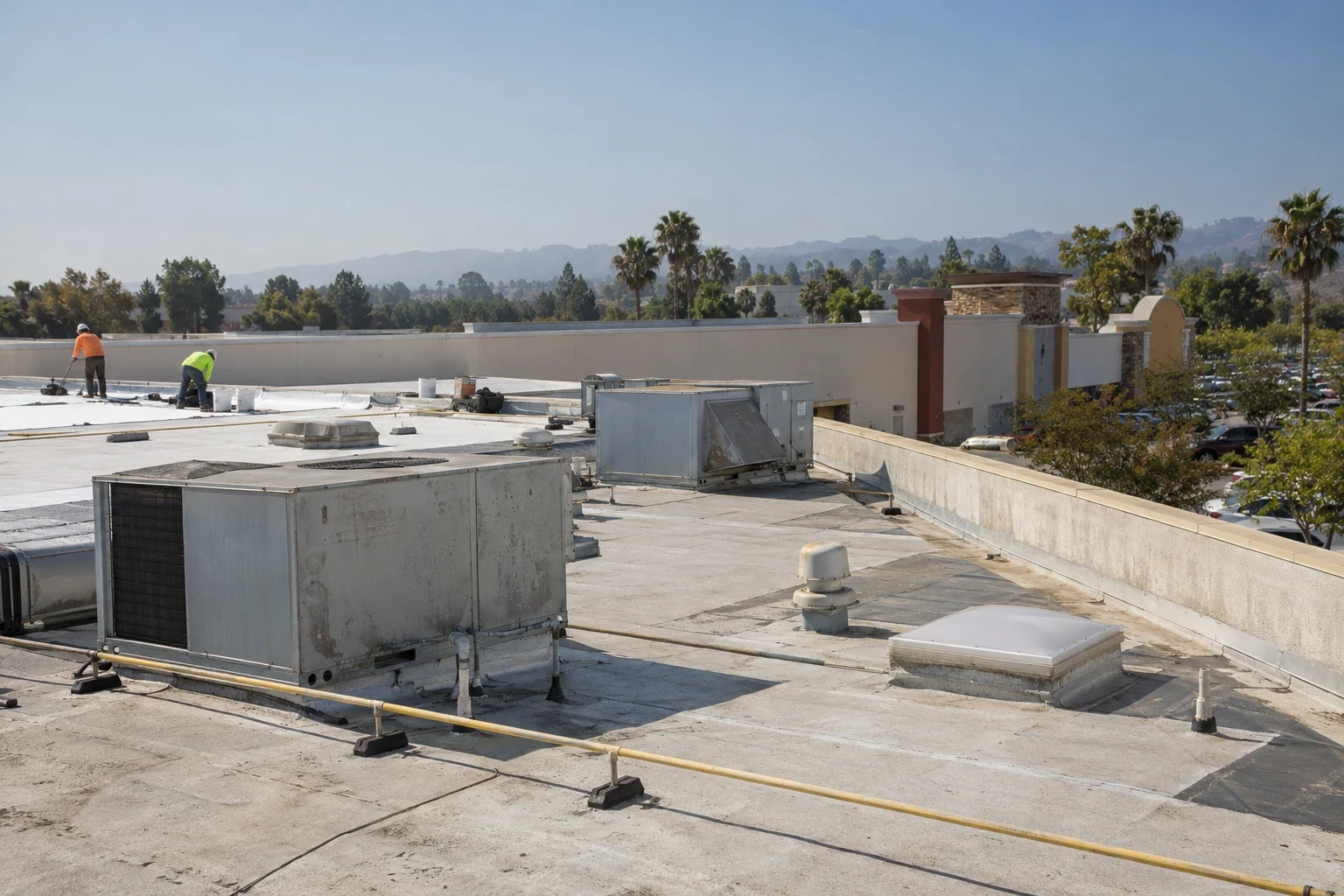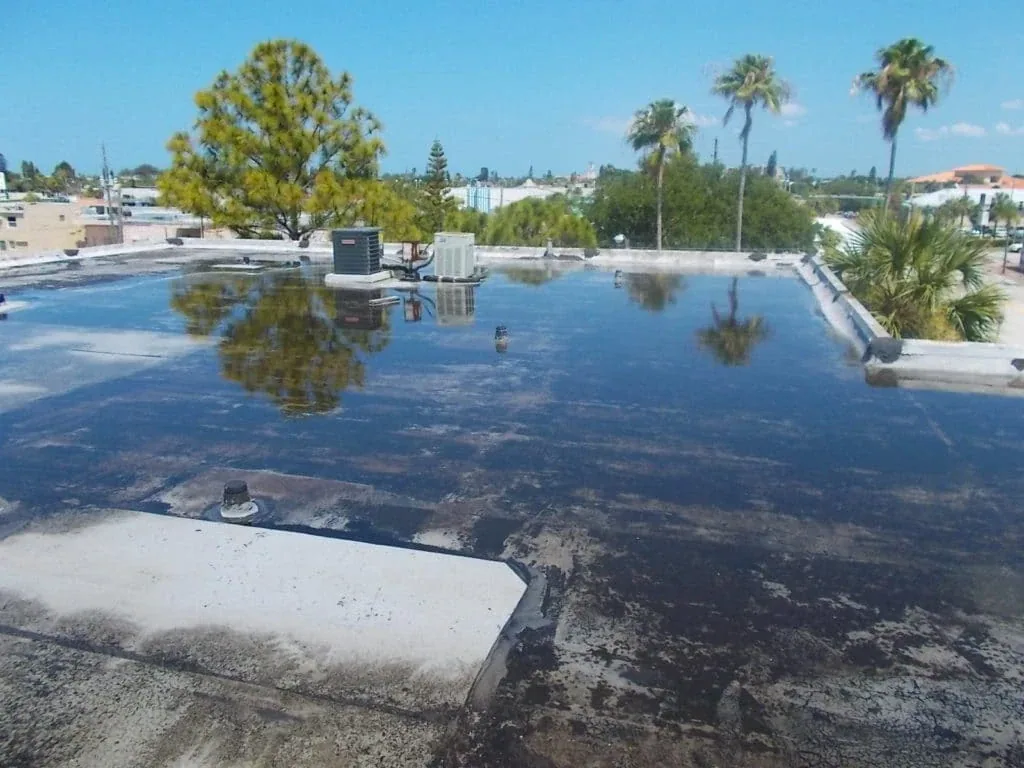

Plan hotel and hospitality roof repairs in Fullerton around guest access, event turnover, kitchen equipment, drainage, and a defined daily handoff.
Roof leak, storm damage or an inspection coming up?
A Fullerton hotel can have occupied rooms and active event loading while an afternoon roof section retains heat. We start with guest routes, loading periods, roof access, and the work area that can be isolated. The 1991 to 2020 Fullerton Municipal Airport normal puts the August mean daily maximum at 86.7°F, a station figure that can inform seasonal scheduling but not a reading from a particular roof. Downtown Fullerton is the Central Business District with design guidance; Chapman Corridor is a separate named focus area. Those geographies may help organize a visit, yet each hotel or hospitality property needs its own access confirmation and roof assessment. We document seams, drains, equipment curbs, and perimeter conditions by section. The manager can route guest notices through the property's normal operations channel, while the roofing lead posts a separate crew boundary and end-of-shift status for staff taking over overnight, then set a staging point and daily close-in for the property manager to hand to the next shift.
How can roof access stay apart from guest movement?
The property contact marks guest entrances, event arrivals, housekeeping access, staff corridors, deliveries, roof hatches, and any quiet hours that affect work. We walk the equipment path and identify where a lift, dumpster, or material staging area could intersect guest or employee circulation. If an entrance needs a short exclusion period, the manager can set a notice and alternate route before the crew arrives. Each roof section receives a boundary and a closure point so a repair above a guest wing does not create an open work area at the next shift. A phased occupied-building reroof can help sequence noisy tasks and protection by area. For properties with restaurant service, a food-service roof coordination plan can keep kitchen deliveries and equipment routes visible in the same schedule. We also ask who can approve temporary parking restrictions and whether a conference setup changes the loading path. A clear handoff lets the front desk and event lead share the same closure time without disclosing roof details to every guest. The access note records only the staff contact, route, and hours needed for the work.

Which roof details need attention above guest rooms?
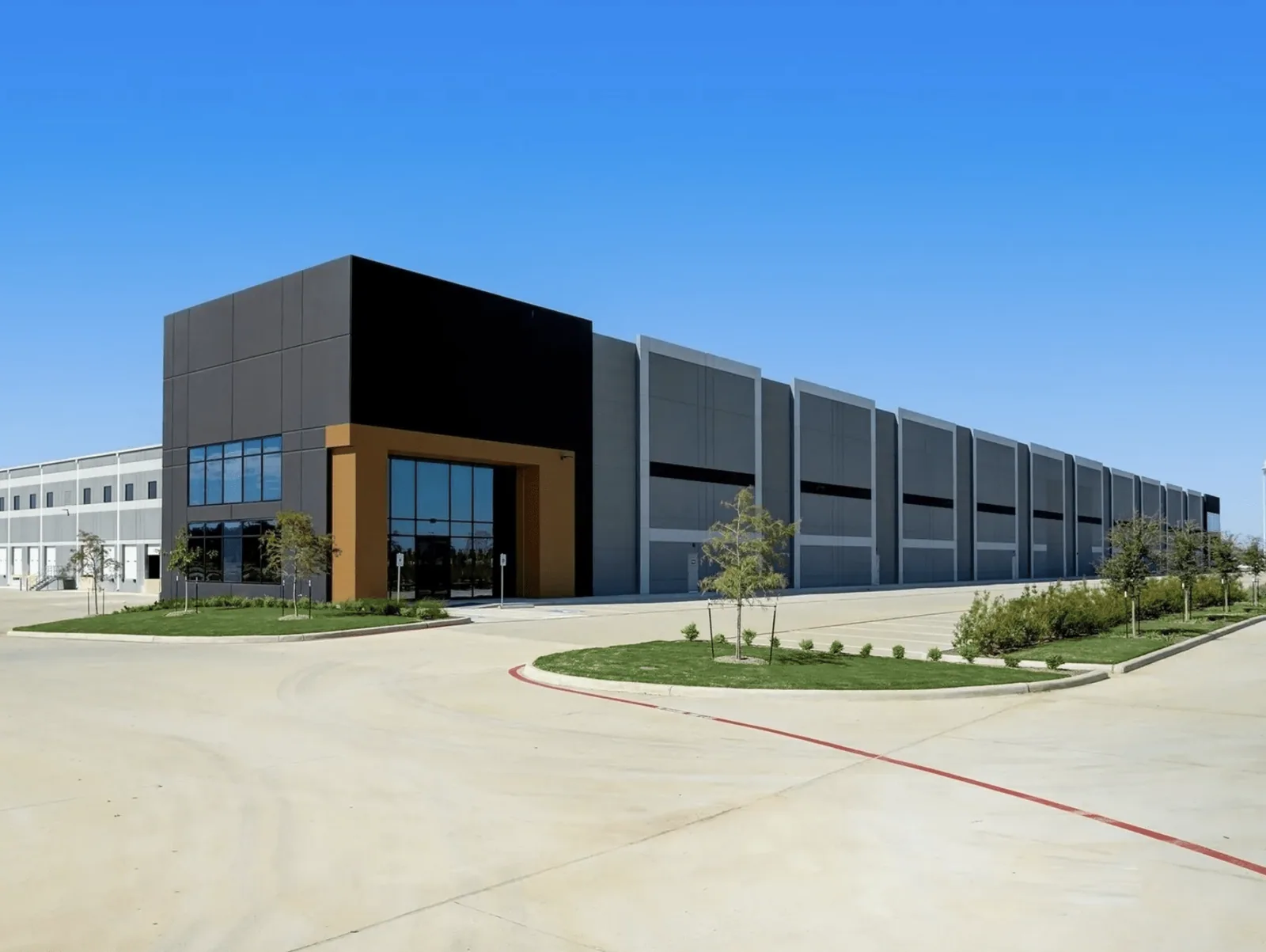
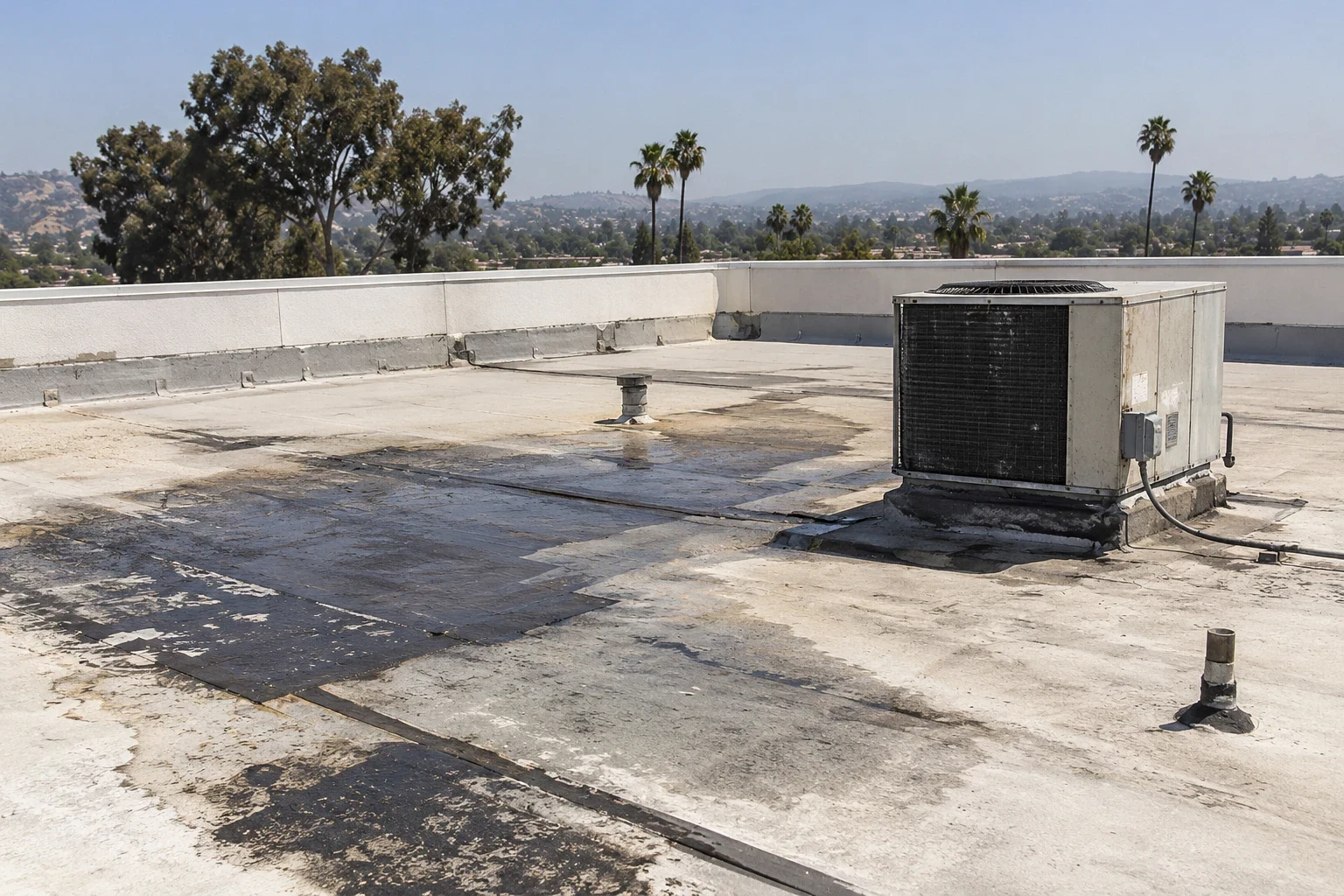
Guest-room ceilings may sit below drains, parapets, exhaust curbs, plumbing vents, and transitions between older and newer roof sections. We compare the reported room and date with accessible roof details and mark what we can confirm. A ceiling stain does not identify the entry point by itself; water can move before it appears indoors. We photograph the detail, record any obstruction, and note whether the facility needs a second access window. When a kitchen or laundry exhaust penetrates the roof, we identify the responsible mechanical trade and confirm its schedule before disturbing the curb. The drainage review can record outlet and overflow conditions, while a roof inspection connects photos to the property's plan and leak history. We keep room access and roof-side evidence in the same report without assuming that one explains the other. A plumbing or condensate check may also be needed before ownership expands a membrane repair beyond the confirmed detail.
What changes when work overlaps with an event calendar?
Banquets, conferences, room turnover, and food service can change which hours are available for roof work. The manager identifies event dates, delivery schedules, guest counts if needed for a site decision, and areas where overhead activity should pause. We match those constraints to the roof section and tasks that can be safely completed in the window. If material delivery requires a service lane, the hotel confirms its opening time and the route that remains usable for staff. The scope lists the staging point, noise-sensitive tasks, protection below, and the handoff contact who will check each closed section. A weather hold may move the task to another window, so the schedule identifies which rooms or services need updated notice. That keeps an event calendar connected to actual roof work rather than a broad promise that every phase will finish between bookings.
How should owners compare a repair with broader roof work?
A localized flashing failure may be repaired when nearby membrane is stable and the tie-in can reach sound material. Multiple leaks, wet insulation, or repeated curb deterioration can justify testing a wider section. We map the evidence and note what remains concealed. A recover can change roof height at drains, equipment, and parapets; replacement can require a longer material route and more coordination with guest operations. We present each option with its own access, protection, and close-in assumptions. The owner may compare a bounded repair proposal with recover planning or replacement scope, using the same roof map. A hotel roof inspection can keep guest wings, kitchens, and service areas distinct in the decision record.
Which Fullerton areas help schedule a property visit?
Downtown Fullerton is the Central Business District, and Chapman Corridor is another named focus area. The Fullerton Transportation Center Specific Plan area includes restaurant, retail, office, public-service, industrial, and residential uses. These are broad planning contexts, not evidence about a particular hotel or its roof. A building in Downtown may have different loading access from a property near Orangethorpe Avenue, so the contact confirms its exact gate, delivery times, guest access, and roof entry. The Downtown Fullerton district can orient a route while the facility's current plans determine the walk. Design guidance for development and rehabilitation applies within the Central Business District; owners should confirm whether that review applies to proposed visible work. We keep location context separate from the findings recorded at the property.
What should the property file show after close-in?
The daily handoff should identify the roof section completed, repair boundary, material installed, photos, test results, areas not reached, and next trade action. If HVAC or kitchen staff need to adjust equipment, the note identifies who owns that step and when roofing can return. The manager can keep those records with room or event notices so the next shift understands what area is protected and which access point remains unavailable. Fullerton's dry-summer normals may help choose seasonal windows, but a forecast and product instructions decide whether work proceeds on a particular day. A condition report keeps observations and approvals together, while a property-management record can carry contacts and open items across a portfolio. The file can identify the person who accepted the close-in, what protection remains below, and whether the next visit needs a new escort or a service-lane reservation. If testing is unfinished, we keep the decision and approved sample location with the roof plan instead of leaving it in a shift email. Provide the address, roof plans, event calendar, guest and delivery hours, and leak history to set the first inspection window.
Commercial Roofing Questions
How can roof access avoid guest arrival and housekeeping windows?
We can compare the task with guest routes, deliveries, and event turnover, then define an approved work window and close-in point with the property contact.
What should happen before a hotel kitchen curb is repaired?
We identify equipment limits and coordinate any shutdown or movement with the responsible mechanical trade before closing the roof detail.
Does a guest-room stain show where water entered?
Not by itself. We compare the room location and timing with drains, seams, curbs, and transitions above before setting a repair boundary.
What if an event is added after roofing is scheduled?
The manager updates the work window and affected route. We identify whether the roof section can close safely or needs a revised sequence.
Which information helps plan a hotel roof survey?
Provide the roof plan, guest and event calendar, loading hours, access contact, equipment list, and leak history so the inspection route fits operations.