
Coordinate commercial roof inspections, repairs, records, and budget decisions across multiple Fullerton properties with a consistent, usable program.
Roof leak, storm damage or an inspection coming up?
A facilities director reviewing several Fullerton addresses needs one view of open roof issues without losing the details that belong to each building. A leak at one location may need immediate protection, while another property is waiting for a capital decision and a third needs only a scheduled inspection. Our multi-site roof program gives the portfolio a shared record, decision rules, and reporting calendar while preserving a separate scope for every address. For sites in the Southeast Industrial Focus Area, each building still needs its own roof map, access notes, contacts, and operating priorities. We start with the addresses, contacts, records, and operational priorities the owner can confirm.
What belongs in the shared portfolio record?
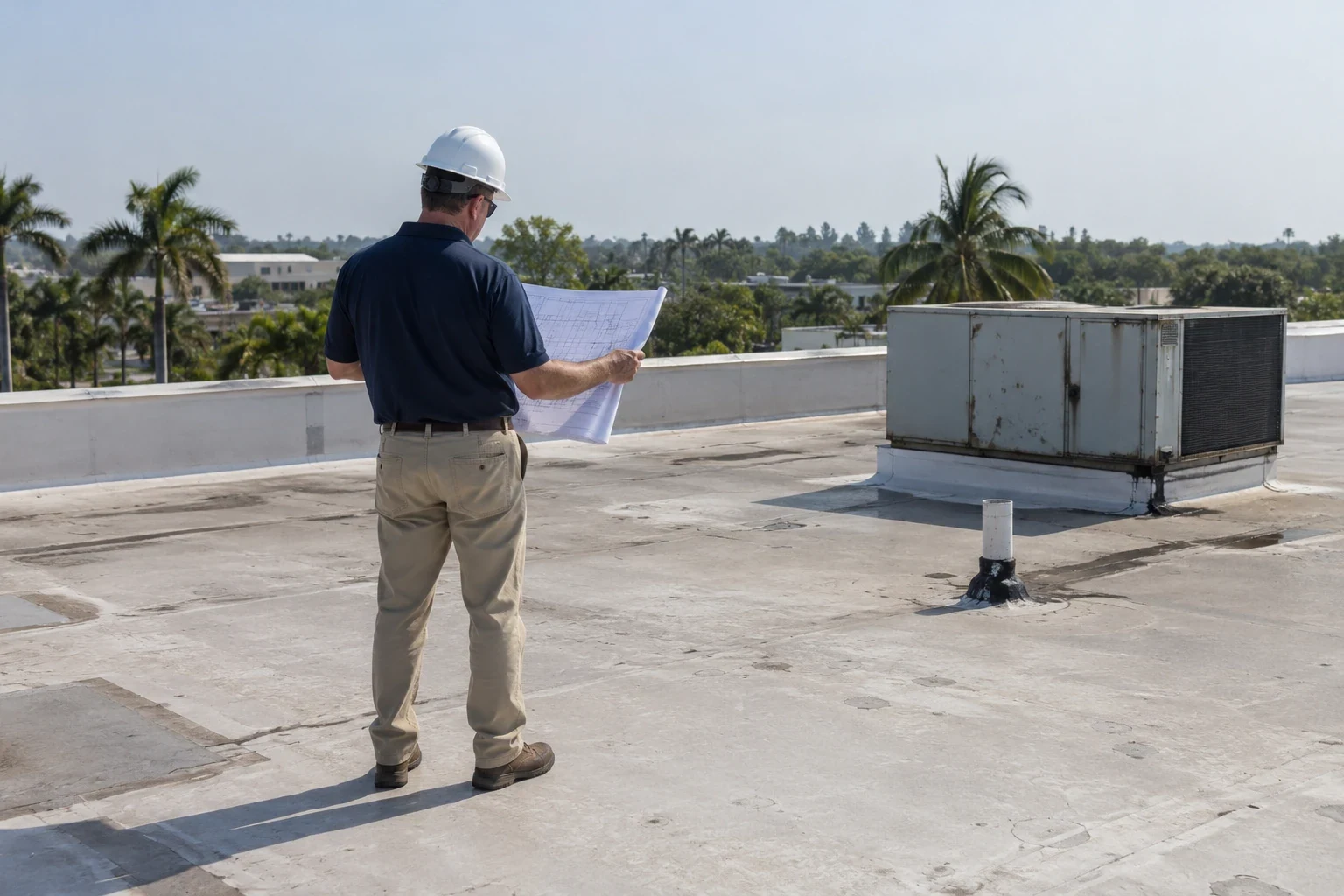
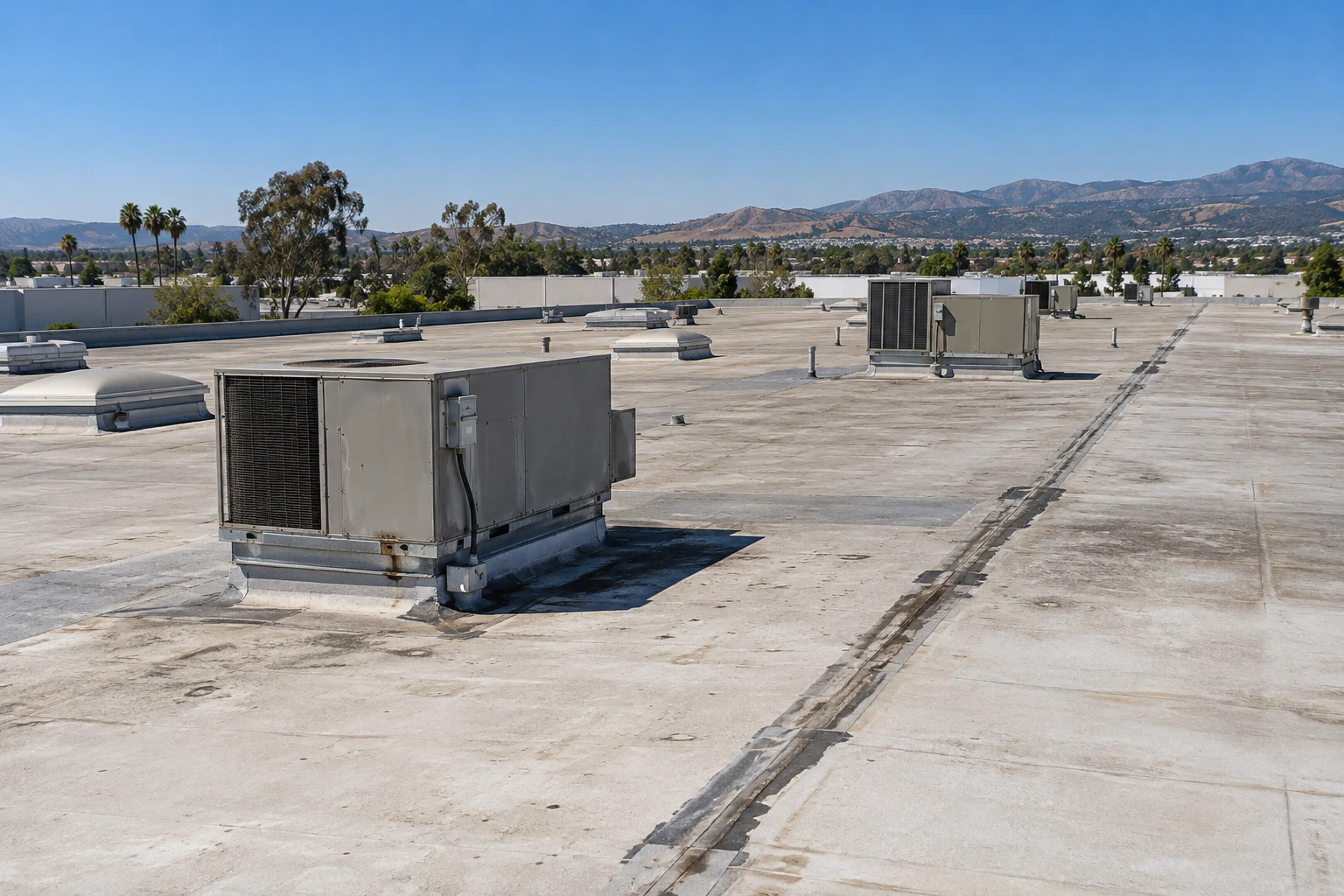
Each site needs a stable identifier, current roof plan, assembly information when known, access notes, contacts, prior work, and the date of the latest inspection. We record roof sections consistently, but do not force different buildings into identical assumptions. A warehouse with several roof zones and an office with one accessible section can use the same fields while keeping separate maps and condition notes. A roof asset register provides the underlying inventory; this program adds the cadence for reviewing it and the process for assigning follow-up. Where drawings or warranty files are missing, that gap stays visible. The portfolio view should help the owner locate the next decision, not imply that an undocumented assembly or repair history has been verified.
How should sites be ranked for attention?
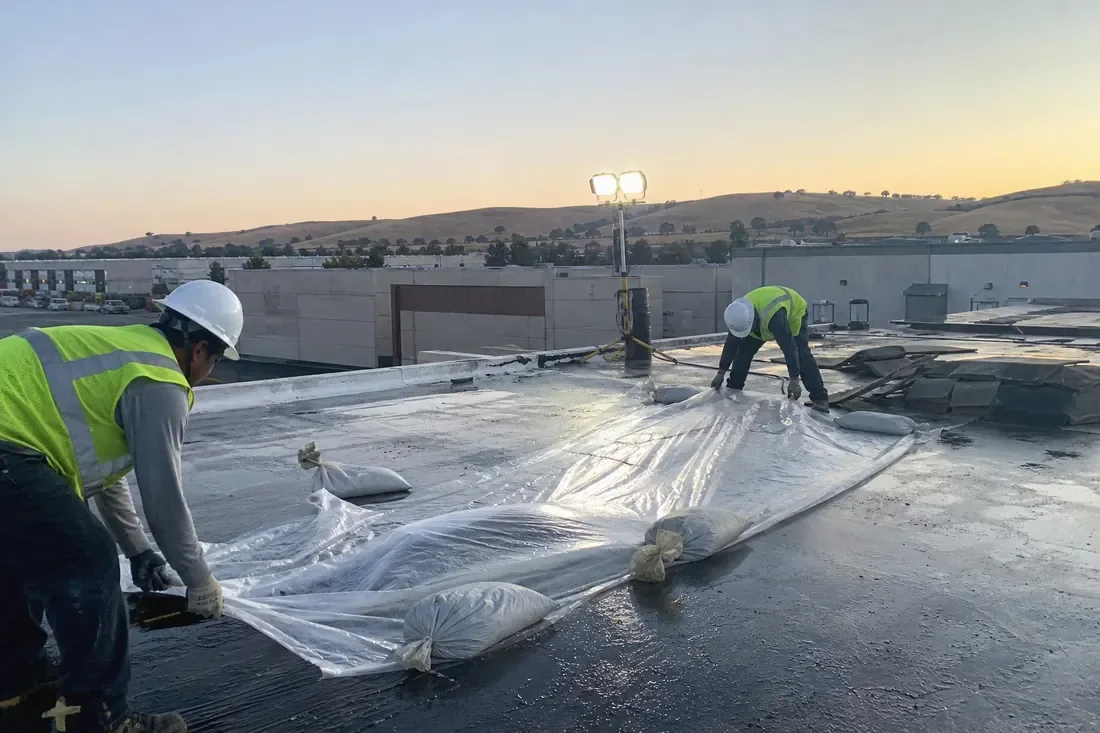
We establish priority from observed exposure, interior impact, safety, operating constraints, and the action still needed. An active opening with water entering an occupied area may outrank a larger but stable surface concern. A roof emergency is recorded with its affected building, temporary protection, permanent scope, and closeout status so a call does not disappear into a general list. The ranking includes an owner or property contact and a review date. It does not substitute a score for judgment: a manager can see why the item is urgent, what evidence supports it, and which assumption remains open. If a condition report changes the facts, the priority and decision log are updated together.
Where can work be coordinated across locations?
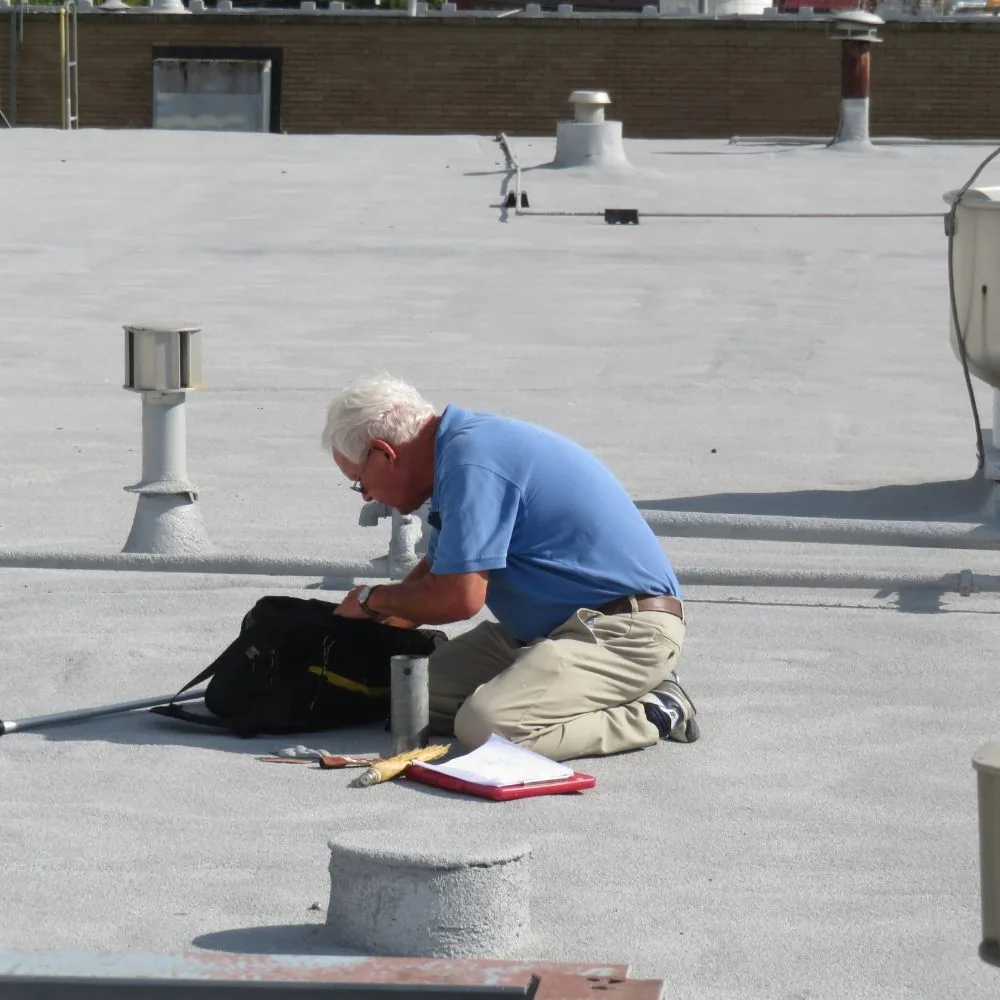
Some tasks can share a service window: confirming access contacts, reviewing roof plans, scheduling routine inspections, or collecting comparable photographs. Repair work still requires a building-specific scope, quantities, safety plan, and authorization. We group visits only when travel, roof access, tenant schedules, and weather make the sequence workable. A commercial roof inspection establishes observed conditions at an individual address, and a maintenance visit should record the work completed at that site rather than a portfolio-wide generality. For owners with multiple decision makers, the program identifies who may authorize a survey, who receives findings, and who can approve repairs. Coordination can reduce repeated administration without treating separate roofs as interchangeable.
How do inspections feed the capital calendar?
A portfolio calendar connects current condition to budget timing. We can group candidate projects by the year an owner wants to consider them, while stating what would change that timing: an active leak, a failed test, a deteriorating detail, or a new access finding. The capital planning service can compare maintenance, repair, and replacement scenarios using documented assumptions. Those figures are planning inputs, not a promise that a specific year will remain appropriate if conditions change. A replacement recommendation needs its own assessment of assembly, moisture, drainage, and project constraints. If replacement becomes a candidate, the program links its approval path and records to the property instead of presenting a portfolio budget line as a construction proposal.
What reporting keeps decisions accountable?
At each review, the owner receives a concise list of sites with new findings, unresolved access, authorized work, and decisions due. A longer record can retain photographs, roof-plan locations, inspection dates, recommendations, and completion evidence. We identify the person responsible for each next step and the date by which the portfolio lead should revisit it. A property-management group can use the same fields across its own buildings, while facilities staff keep site-specific notes that explain operating conditions. A property-management program should support the owner’s existing approval process rather than create a parallel chain. The warranty record can be linked where documents are available, with coverage and required procedures taken from the actual warranty file.

How does local context affect scheduling?
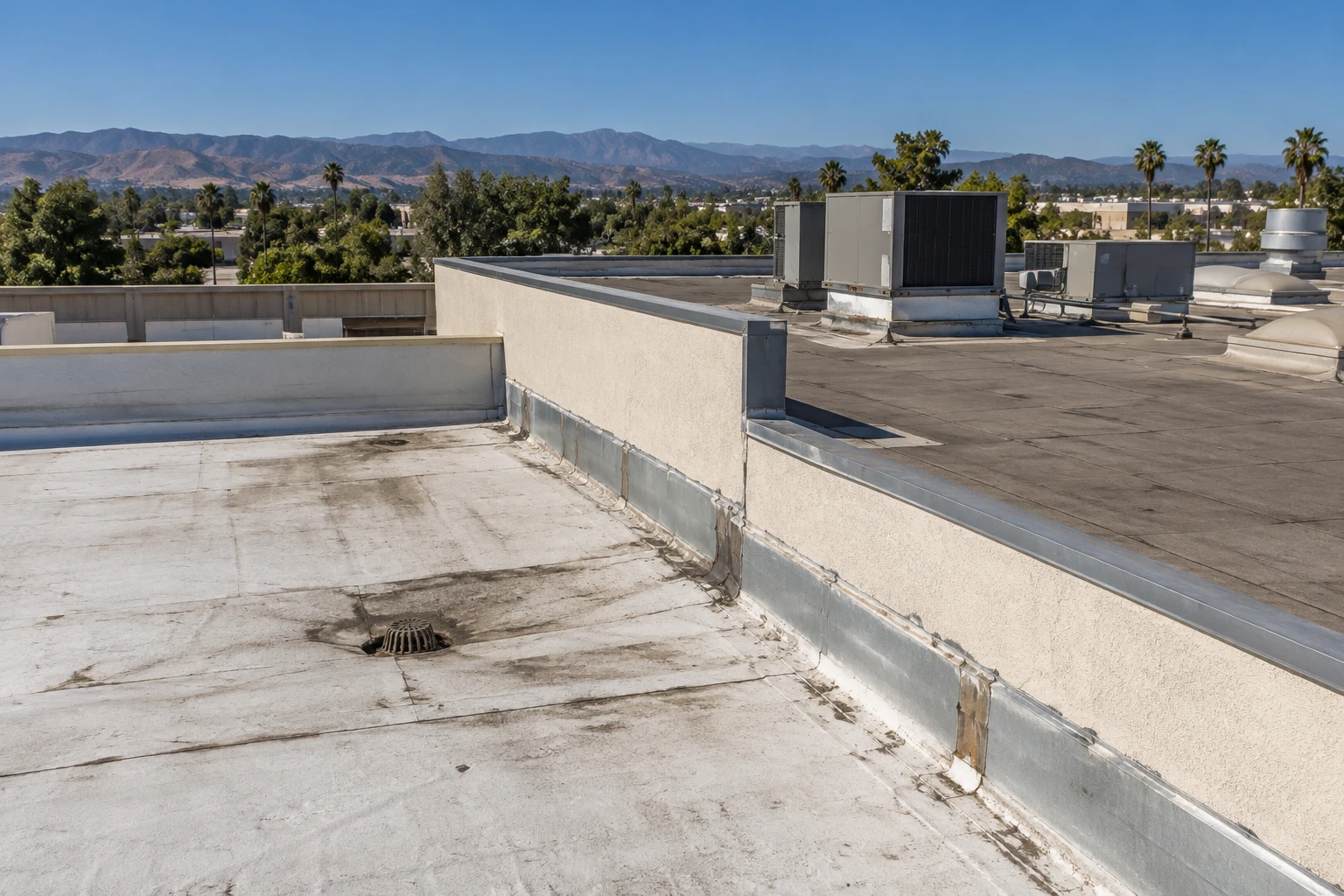
Each Fullerton building needs its own access notes because a district label cannot reveal how a roof hatch, tenant entrance, or loading area works on site. We confirm approved roof access, visitor procedures, and affected hours with the local contact. Before travel or exposed work, the site lead checks current weather and confirms who can approve a change. Those steps keep portfolio reporting consistent without assuming every roof or operating schedule is alike. Put the next review date, responsible contact, and evidence needed for release beside each open item.
What information starts a multi-site program?
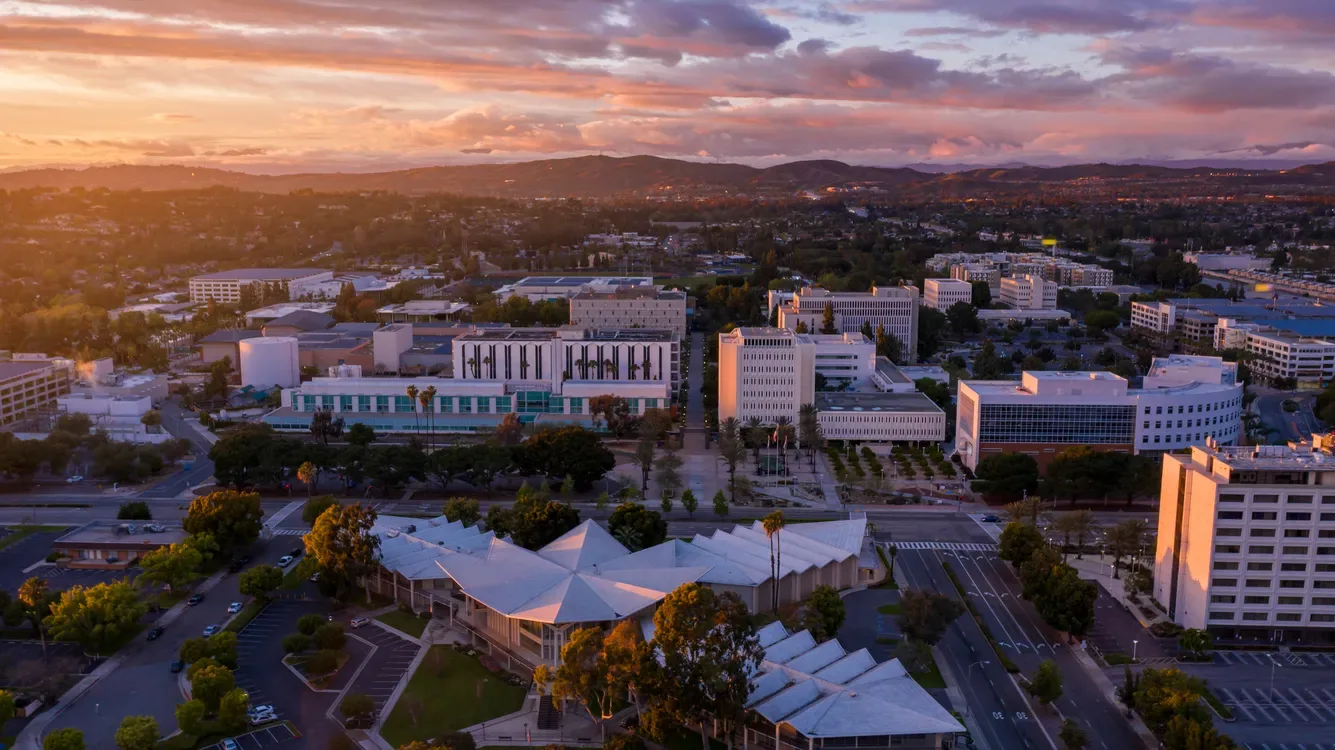
Send a property list with street addresses, a primary contact for each location, available roof plans, known leak or repair history, and the period when portfolio review should occur. Tell us which buildings need an immediate response and which are candidates for routine assessment. We can identify record gaps, propose a site-by-site inspection sequence, and agree on how findings will move from field review to approval. Aerial imagery may help document broad areas when conditions permit, but it does not replace access or close inspection of roof details. For a transaction involving one asset, a due-diligence survey can address that property's specific question. At program closeout, the owner receives each site record, open actions, and the next review date, with changes tracked at the address where they occurred.
The kickoff also sets a practical reporting interval and the channel for urgent updates. The portfolio lead can receive a short notice when a new condition changes priority, followed by the complete site record after review. We confirm whether repair pricing needs a separate approval step, who can release funds, and how completed work should be documented. If ownership or a property manager changes, the record identifies the handoff date and incoming contact so open recommendations are not stranded in an old inbox. These choices give a multi-building program a clear operating rhythm while leaving room to adjust when roof conditions or staffing change.
Commercial Roofing Questions
Can several properties use one inspection schedule?
A shared calendar can coordinate contacts and review periods, but each visit is set by its own access, tenant hours, roof condition, and weather. We confirm the sequence with the portfolio lead and the site contacts.
Does a portfolio program require every roof to be inspected at once?
No. The owner can begin with urgent concerns, missing records, or buildings approaching a budget decision. The program records which addresses are assessed and leaves the rest clearly marked for later review.
How are urgent repairs handled across a portfolio?
The report identifies the affected property, current exposure, temporary measures, approval contact, and permanent work still required. The portfolio view flags the item, while the repair authorization remains tied to that building.
Can the program compare replacement timing at different sites?
It can organize condition findings and owner priorities by address and proposed budget period. A replacement recommendation remains subject to building-specific inspection, testing, scope, and updated conditions.
What if older property records are incomplete?
We list each missing plan, warranty, repair record, or access detail and assign a contact to locate it or approve further investigation. Unknown information remains identified as unknown until supporting records or field work resolve it.