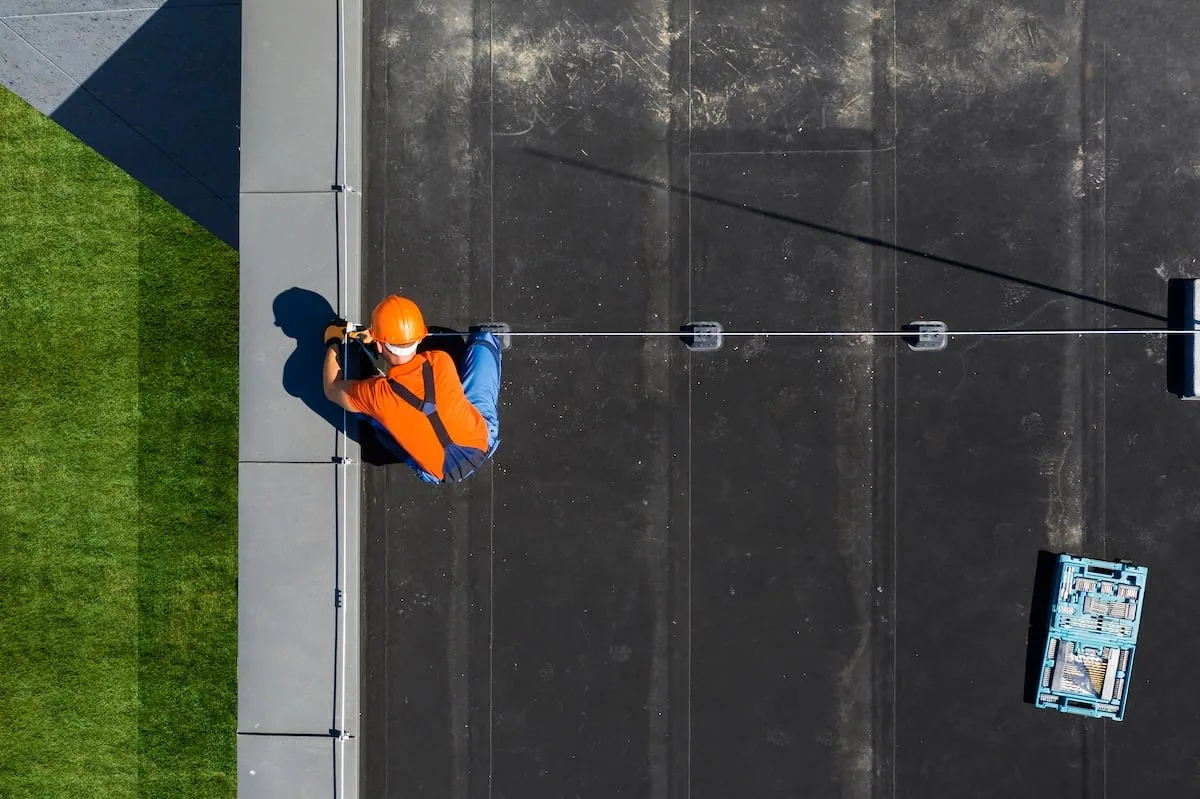

Prepare a commercial roof for a future solar array in Fullerton with condition mapping, attachment coordination, drainage review, and a documented handoff.
Roof leak, storm damage or an inspection coming up?
A solar proposal can arrive while the roof still has open repair questions. Before an array layout is approved, the property manager needs a roof condition baseline, service-access path, drainage plan, and clear trade responsibilities. In Fullerton, we map seams, penetrations, equipment, drains, and repairs, then identify the roof areas that need testing or work before attachments are considered. Southeast Industrial Focus Area is a major industrial concentration with access to SR-91, SR-57, and rail. That broad context does not describe an individual roof or establish its solar potential. We assess the building itself. A roof inspection can establish the condition record and coordinate with the solar provider before the layout reaches the roof.
What condition record should come first?
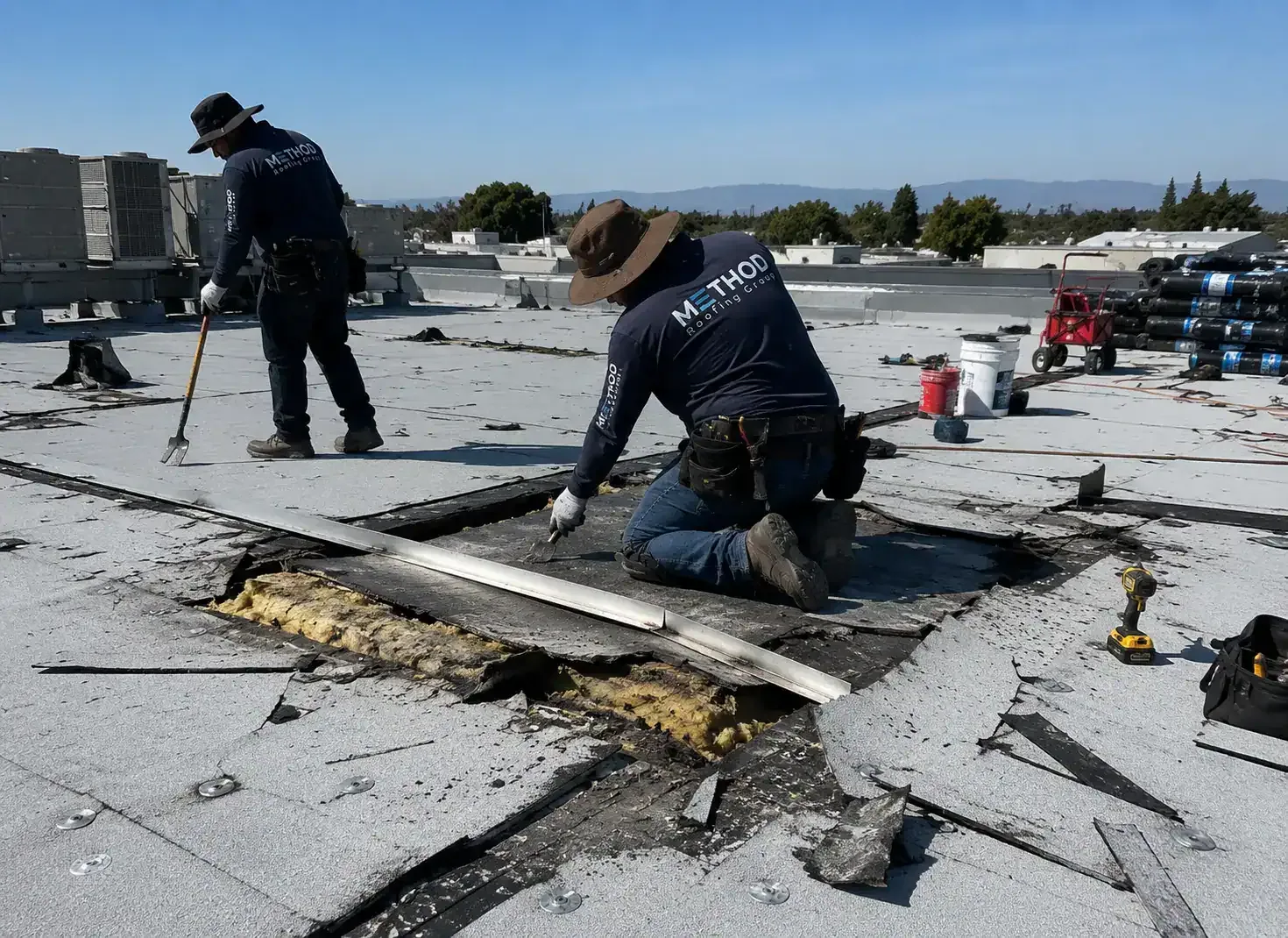
The baseline should mark the existing membrane, repair history, insulation concerns, drainage points, roof access, and equipment that must remain serviceable. Use stable section names on the roof plan so the roofing and solar teams can refer to the same area during design, installation, and later maintenance. We note observed conditions and areas that need confirmatory testing before they are covered or loaded. A condition report can preserve dated photographs and the mapped roof sections for the property file. If insulation is wet or attachment is uncertain, test results should inform the next step. The property manager in the Southeast Industrial Focus Area still needs building-specific plans, shutdown contacts, and roof restrictions; city planning context does not confirm an assembly. We give the solar designer a roof record with defined limits rather than treating a proposal image as a structural review.
Should the roof be repaired or replaced first?
That question depends on current condition, leak history, remaining service expectations, and whether planned roof work would disturb future array supports. A limited repair may be appropriate when defects are localized and the surrounding assembly remains stable. Widespread deterioration or unresolved moisture can point to a larger scope before solar equipment is installed. A recover assessment and a replacement plan compare different assembly paths. We map each option to roof sections and identify which penetrations or details would be affected. For a warehouse, loading, crane access, and equipment service routes may also shape the construction sequence. The manager receives a roof scope and a list of questions that need the solar designer, engineer, or owner to resolve.
How should roof attachments be reviewed?
Array attachments connect through or above the roof system, so the assembly, deck, framing, and proposed load path need coordinated review. The roofer identifies membrane compatibility, flashing requirements, and locations where future service can reach drains and equipment. A qualified structural professional determines whether the building supports the proposed array and attachment loads. We do not use a roof walk to certify structural capacity. The solar contractor identifies rail, conduit, and inverter routes before roofing details are finalized. A warehouse project on East Orangethorpe frontage was approved, but that does not show a solar layout on a neighboring building. We coordinate the actual property's plans. The work file assigns who seals each penetration and who owns later service calls. The attachment schedule should show the proposed support locations against the roof zones, not only a panel footprint. The engineer and solar designer need the deck and framing information available for their review, including any prior roof changes recorded by the owner. The roofing team can mark where membrane seams, drains, expansion details, and existing patches intersect the proposed pattern. If supports land too close to a drain or curb, the group can revise the layout before drilling or setting equipment. We photograph and identify each approved penetration so later maintenance teams can find the flashing detail without relying on a general array drawing.
Where do drainage and service routes matter?
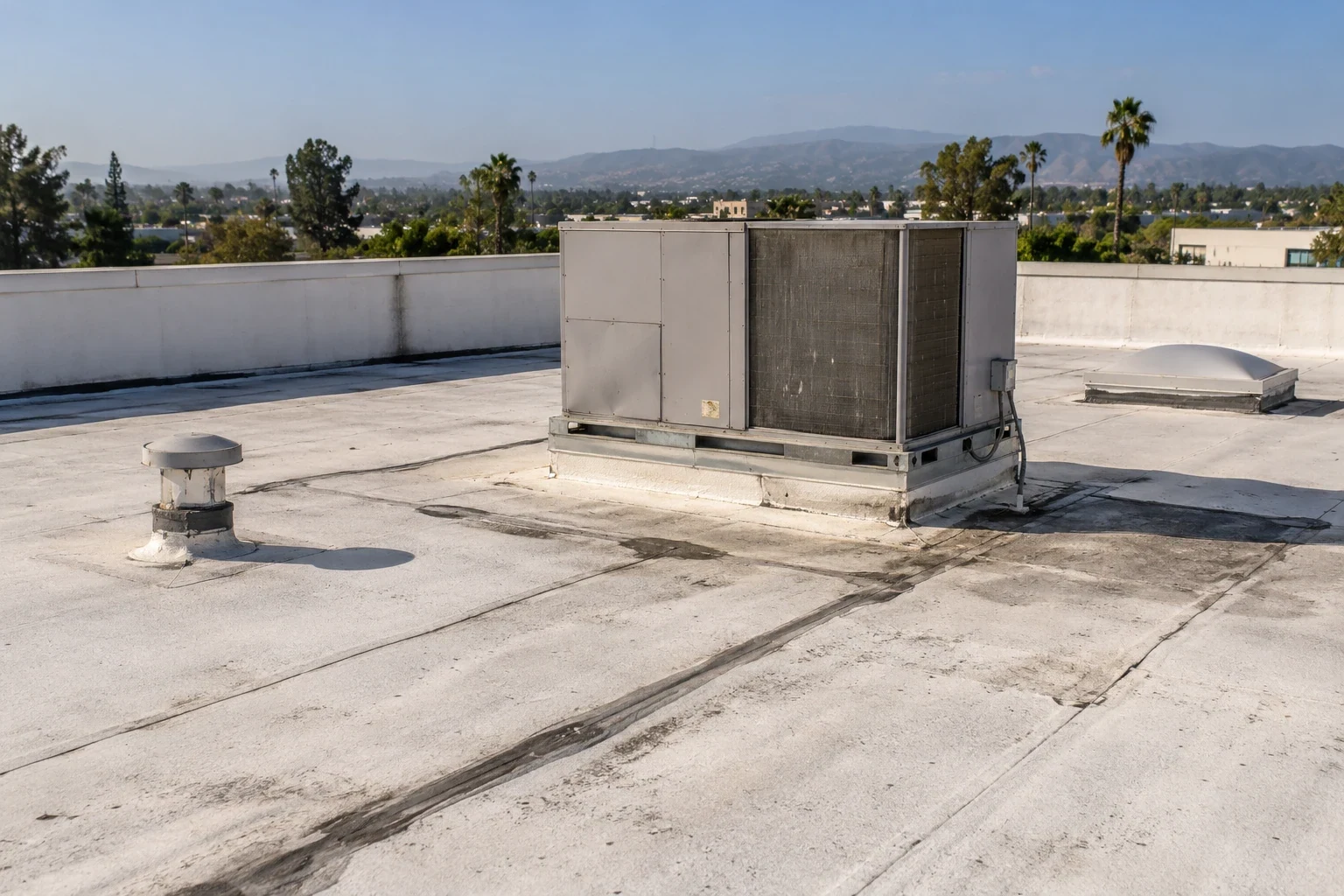
Panels and supports should not block outlets, overflow paths, hatch access, equipment clearances, or the route needed for roof maintenance. We compare the proposed layout with drains, scuppers, parapets, skylights, and existing penetrations before attachment locations are accepted. If a drain needs correction, a drainage repair should be completed before the array limits access. A compatible roof assembly review can address insulation or cover-board work that belongs in the same project window. The manager provides roof access rules and identifies which maintenance route must stay clear. The final map marks array areas, roofing details, and accessible service corridors so future technicians do not cross a roof section without a planned path.
How do roofing and solar crews share the work window?
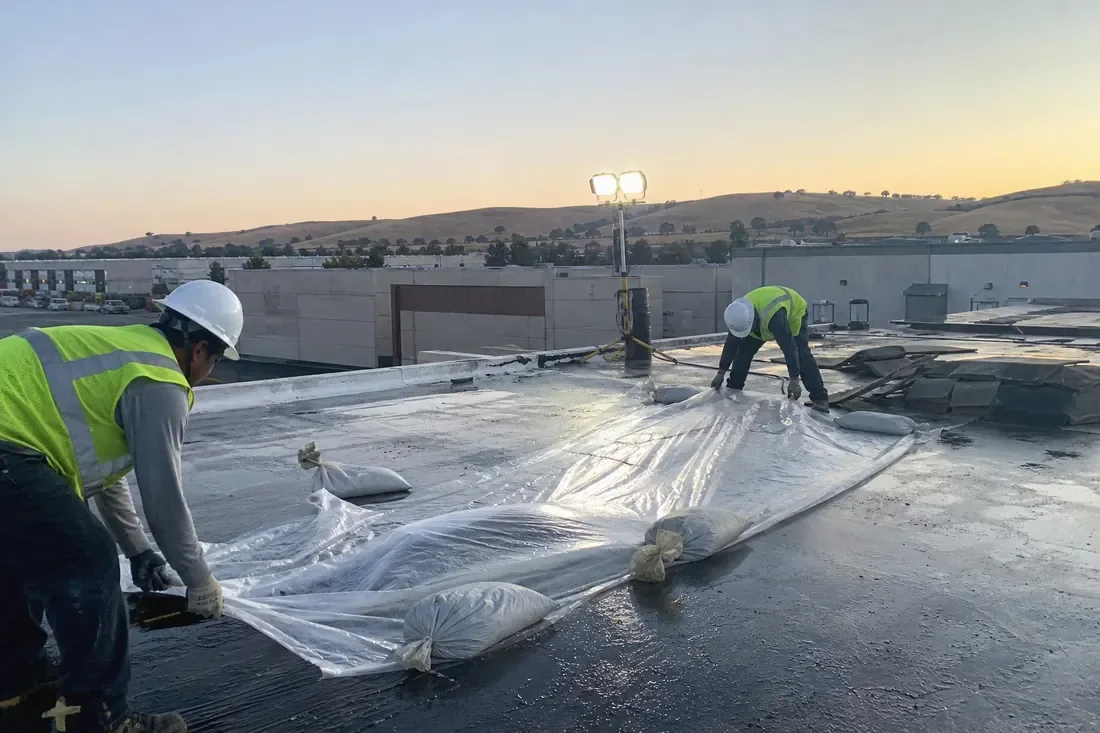
Before mobilization, the property contact names the roofing lead, solar lead, engineer, access coordinator, and person who approves field changes. The schedule states when the roof is open, when each attachment is installed, how flashing is inspected, and who photographs the completed detail. Materials and lifts need an agreed staging area, delivery window, and safe route. At a property near Orangethorpe Avenue, industrial context may matter to deliveries, but the site manager sets actual gate and receiving rules. If a crew finds a membrane condition that differs from the baseline, it stops at the approved boundary for review. The daily handoff lists completed penetrations, areas awaiting flashing, and the close-in point before the roof is released.
What should stay with the building record?
Retain the roof condition map, repair scope, attachment details, approved layout, flashing photographs, access rules, and the names of trades responsible for future changes. The solar system may have a long service period, so the roof file should show which areas are reachable and how a membrane repair can be coordinated below or around supports. A maintenance program can document debris, drainage, and roof condition after installation. The manager should know who to call before another trade adds a conduit or moves a rail. If the roof later needs replacement, the array removal and reset sequence should be defined with the solar provider before a roofing bid is finalized. We provide a dated handoff with unresolved items and the next inspection point. After the array is installed, roof access should follow the approved walkway and equipment-service routes. The manager can keep a separate list of who may remove modules, who protects the membrane during that work, and who signs off on the flashing after a reset. A warranty or maintenance record should identify the roof materials and array attachments without suggesting that one document replaces the other. If water appears near a support, the report notes the nearest attachment and the date of any solar service visit. That chronology helps the roofing and solar contacts compare the detail with the work record before another opening is made.
Commercial Roofing Questions
Can a roof inspection approve the solar attachment design?
A roofing inspection documents the roof assembly and conditions. A qualified structural professional reviews building capacity and attachment loads, while the solar designer supplies the array layout.
Should solar panels go on a roof with active leaks?
Open leak paths and unstable areas should be evaluated before equipment limits access. The roof scope can identify repair or replacement work that belongs ahead of the array.
Who flashes the array attachments?
The project documents which trade installs each attachment and which qualified roofer completes or inspects the membrane detail. The owner should approve one clear responsibility for each penetration.
Can the array block access to drains?
The layout should preserve drainage outlets, overflow paths, and service routes. We compare proposed equipment locations with the roof plan before the attachment pattern is finalized.
What should I share before the roof review?
Send the Fullerton address, roof plans, repair history, array proposal, structural contact, equipment schedule, and access rules. We can identify the roofing questions before work is sequenced.