
Review standing seam panels in Fullerton for clips, seams, penetrations, drainage paths, and targeted repair or replacement scopes.
Roof leak, storm damage or an inspection coming up?
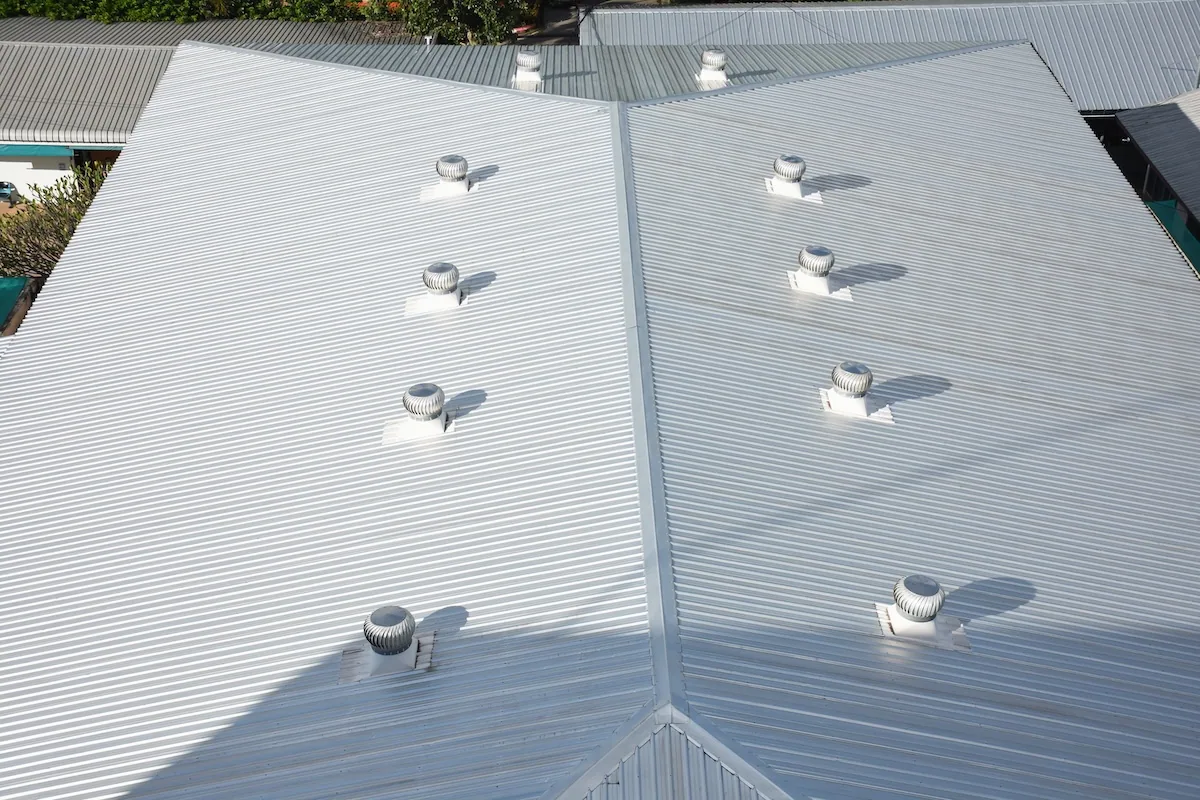
Standing seam metal roofs shed water through formed panels and raised vertical seams, but performance depends on panel attachment, end laps, penetrations, and edge transitions. We inspect the actual roof geometry and ask where water appears, what was repaired, and whether other trades have added openings. NOAA's Fullerton Municipal Airport climate normals show an August mean daily maximum of 86.7°F for 1991 to 2020. That station record helps with seasonal planning; the crew still checks current roof and weather conditions before work. An inspection identifies panel type, seam configuration, clips where visible, drainage paths, and access limits before repair options are compared.
How should standing seam panels be identified?
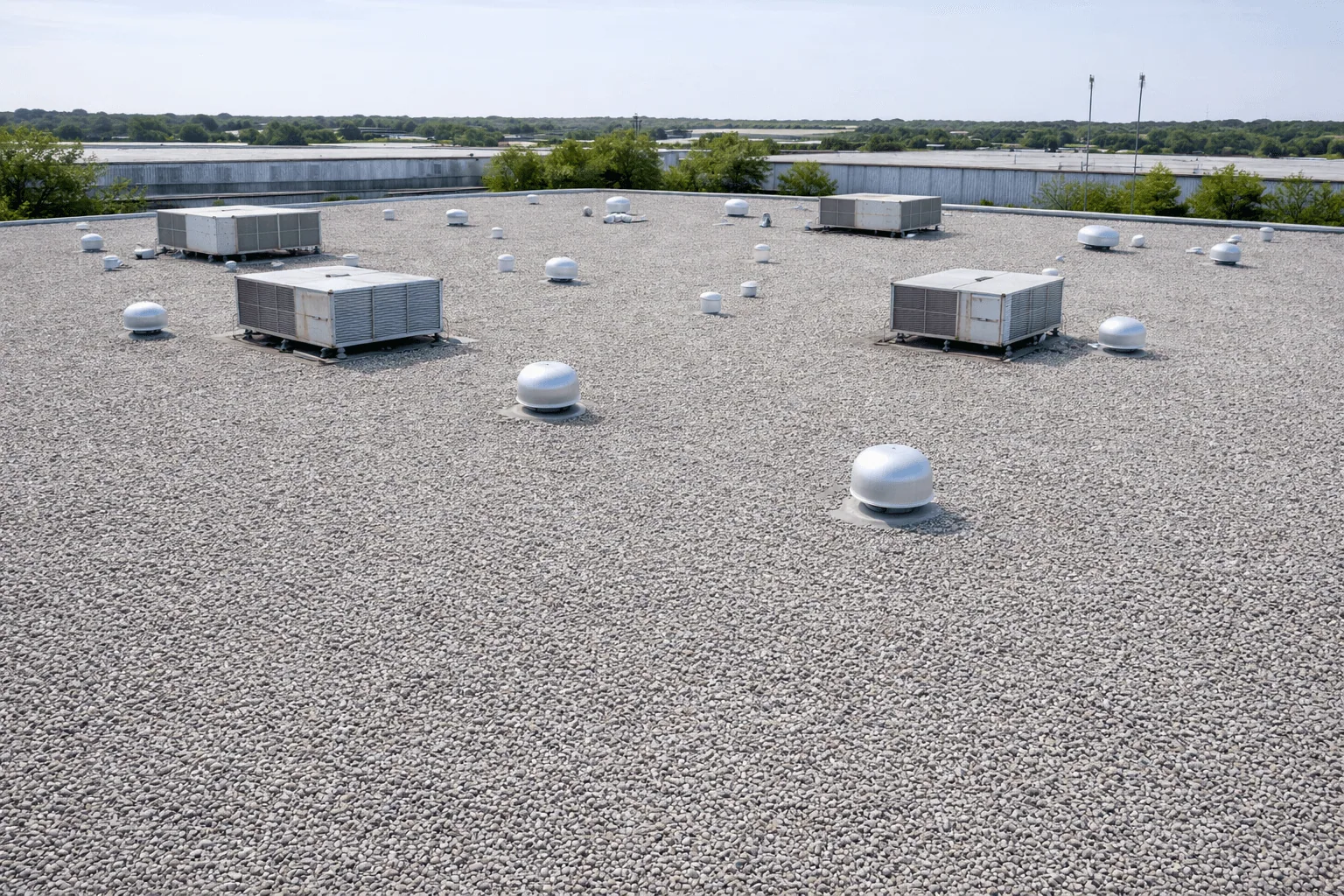
Panel profile, metal type, finish, gauge if documented, and clip configuration can affect repair details. We review drawings, product submittals, and available installation records, then compare them with accessible field observations. A seam profile alone does not confirm the manufacturer or concealed attachment. We note panel direction, eave and ridge conditions, end laps, and changes in geometry so the report can distinguish a repeatable condition from a single repair. If the records are incomplete, a limited inspection opening may be proposed with owner approval and a defined closure method. The scope states what was identified, what relies on documentation, and what remains unknown. That is more useful than assigning a product label from appearance. When a building has more than one roof type, the file should keep panel roofs separate from low-slope assemblies. A built-up roof record has different layer, drainage, and inspection details, which helps facilities staff avoid transferring a repair note between systems.
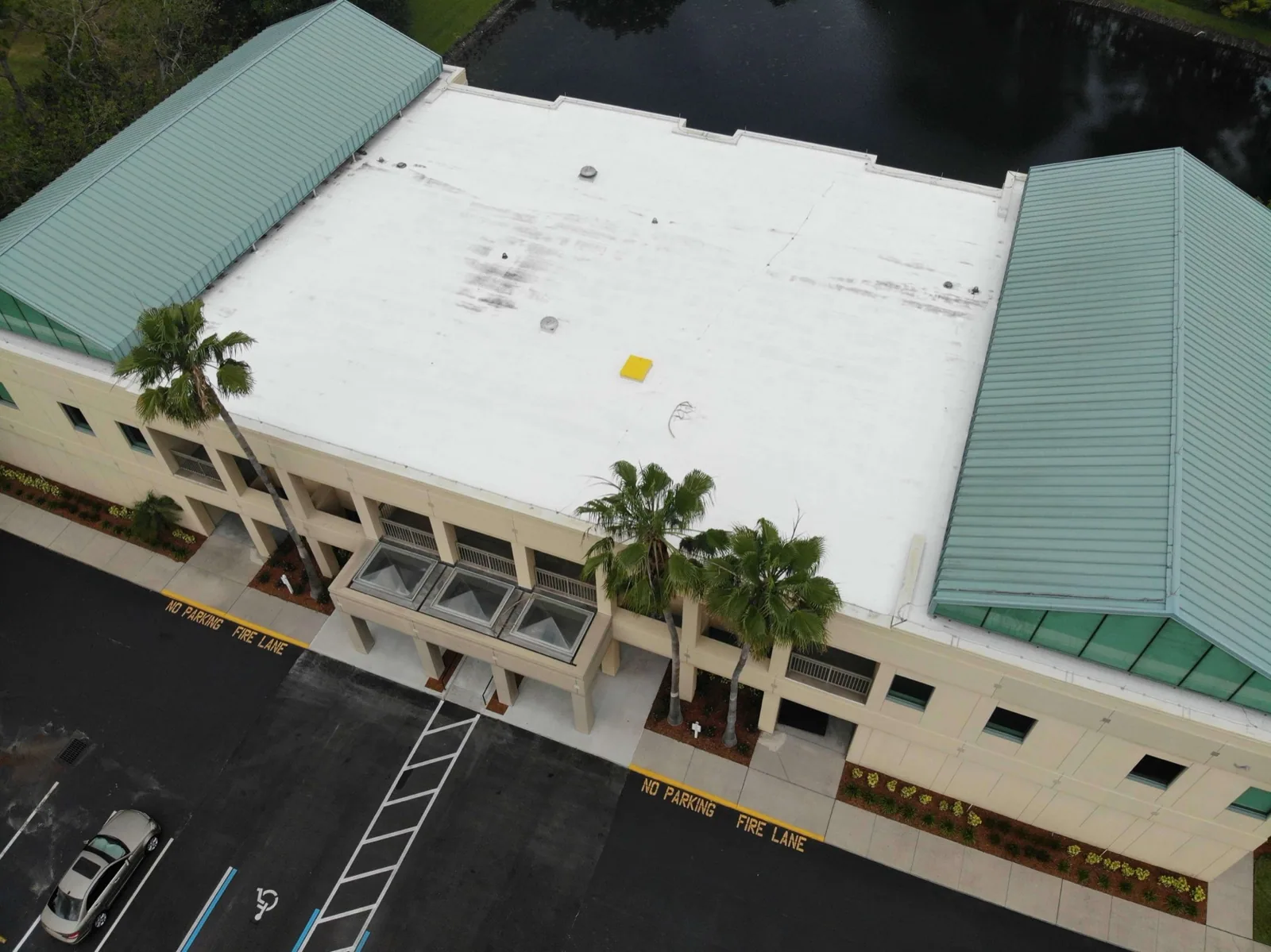
What can cause a standing seam to leak?
Water entry can involve a failed panel joint, a fastener or clip issue, an end lap, trim, or a penetration rather than the center of a metal sheet. We check for displaced seams, separation, distortion, corrosion, and sealant used as a previous patch. Thermal movement can affect how panels and trim interact, so we look at both fixed and sliding points where the system allows movement. A metal-roof assessment can compare an exposed-fastener assembly with a standing seam system, but the findings and repair method depend on the actual panel layout. Each suspected path is marked separately from a confirmed opening.
How does panel movement shape the repair?
Clip placement and end details must leave each standing-seam run room for the panel's designed movement. Clips, seams, ridge transitions, and perimeter trim must accommodate the system's design movement. We look for buckling, fasteners that have shifted, elongated openings, and trim that appears to restrain a panel, then compare observations with the available details. A local sealant application can interfere with movement if the joint was intended to slide. We record the affected panel run and identify whether a detail should be opened for closer review. The report does not assign a cause where the attachment is concealed. If panel movement is suspected, we record the location, direction, and adjacent fixed points so the detail can be compared with the installation drawing. A seam that appears displaced may need a closer look at a clip or end condition, while a distorted panel can also reflect substrate or support issues. The finding states what is visible and identifies the next check needed before a correction is designed. If material or clip replacement is proposed, the scope describes how the new piece connects to adjacent panels and preserves water shedding.
How are rooftop openings handled?
Pipe supports, vents, curbs, skylights, and equipment additions can interrupt a panel field and require a properly formed flashing detail. We note openings, exposed fasteners, sealant condition, and any sign that a trade has altered a seam or panel. An opening should be tied into the panel system with a detail compatible with its movement and drainage direction. The penetration-flashing review can map those transitions, while equipment curb coordination identifies where another contractor may need a roof handoff. A perimeter inspection follows the panel edge to fascia, gutters, and trim rather than treating every leak as a field-seam issue.
What should the drainage review include?
Panel orientation directs runoff toward eaves, gutters, valleys, or internal drains. We look for debris, overflow marks, blocked outlets, loose gutter supports, and water paths that reach seams or wall transitions. Drainage work and panel repair may be separate scopes, so the report identifies the responsible component and access needed for each. The City of Fullerton identifies the Commonwealth Corridor as a planning context, but that does not establish drainage conditions on an individual property. We inspect the actual roof near Downtown Fullerton or elsewhere in the city and mark outlet locations and overflow routes. The Diligence Notes records whether water crosses the panel ribs as intended or reaches a wall, valley, or trim joint. If gutters overflow, the scope separates cleaning or outlet work from a panel repair so the responsible item is clear. A focused drainage check documents whether maintenance, flashing work, or a broader panel detail review is warranted.
Can a standing seam roof be repaired in place?
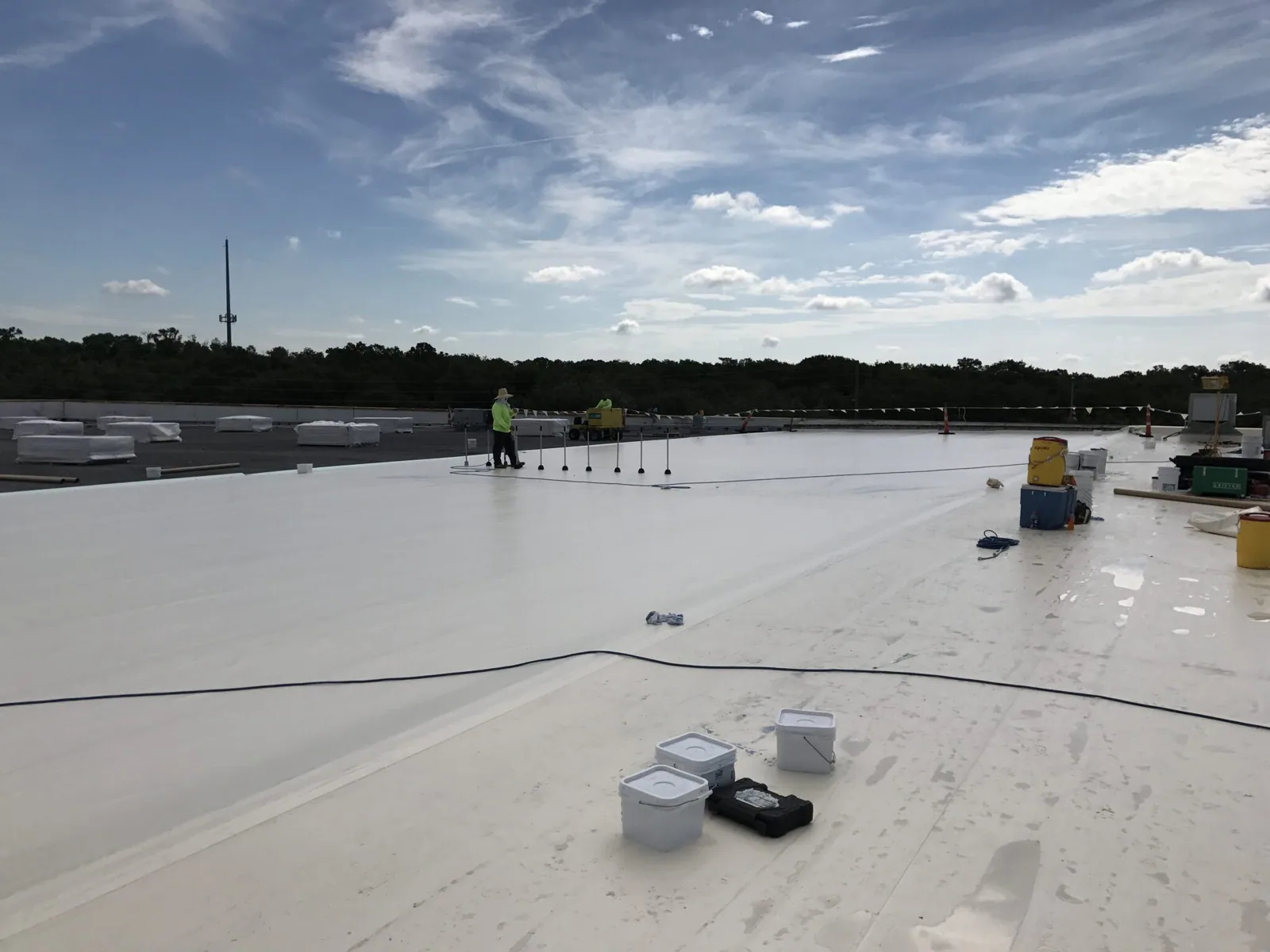
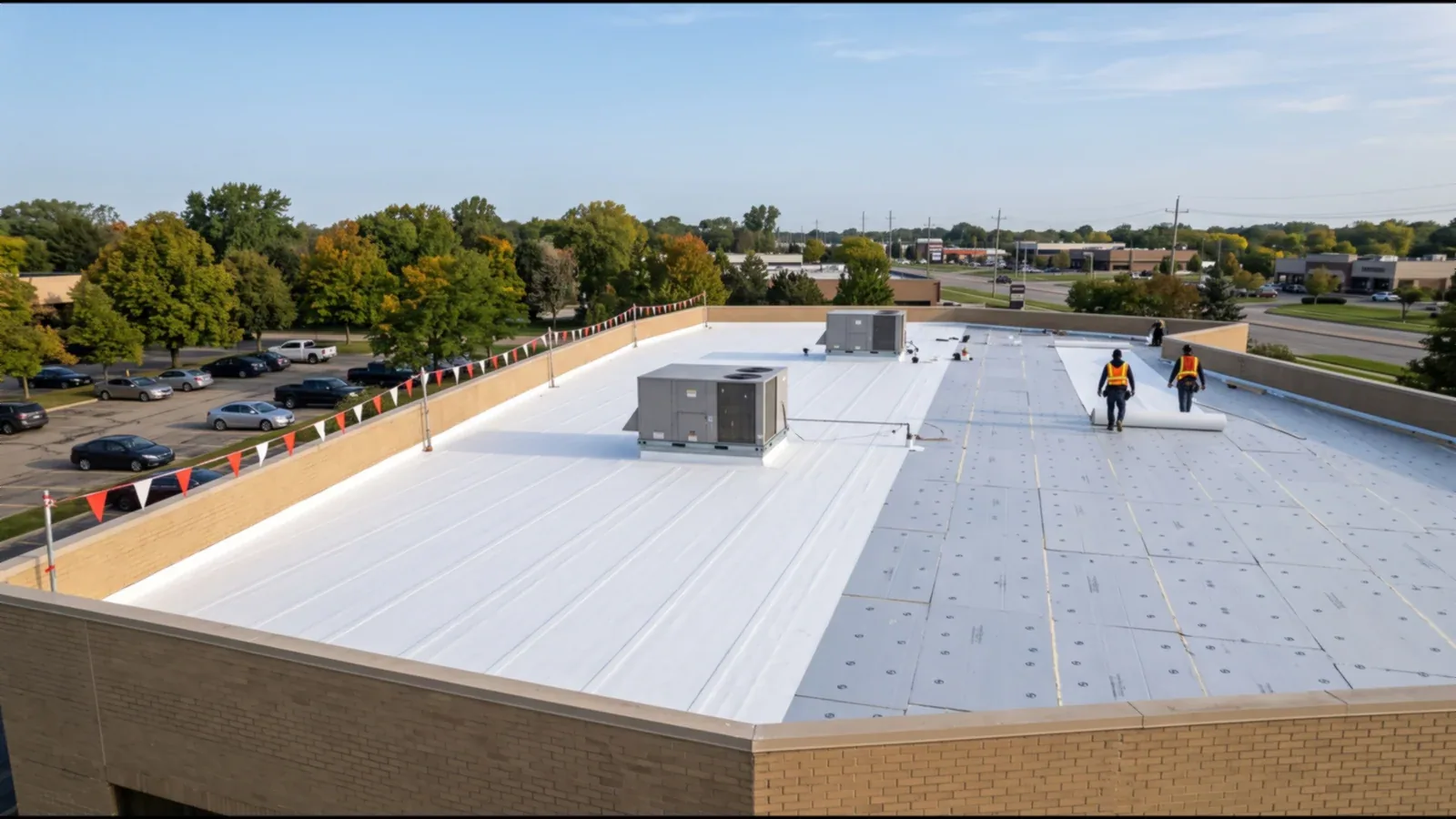
Often a targeted repair can address a defined flashing, trim, or panel condition when adjacent material remains serviceable and the proper replacement component is available. We compare the repair boundary with corrosion, movement, substrate support, and prior patching. If several panel runs are affected or the metal has lost section, a wider replacement may be more appropriate. The proposal identifies whether the work includes panel removal, clip replacement, finish matching, temporary protection, and work at interior or exterior trim. A repair assessment can separate these items from a full system replacement. If a temporary measure is used, the report states what it protects and when a permanent correction should be reviewed.
What records help manage a metal roof?
Maintain a roof plan with panel direction, seams, penetrations, gutters, prior repairs, and photographs of any movement or corrosion. Mark areas that were inaccessible and keep product documentation with the record so a later contractor can check the intended detail. After maintenance or equipment work, note who accessed the roof and whether panels or flashing were disturbed. The plan can guide a repeat inspection without implying that an unseen connection was verified. A maintenance visit may include fastener and trim observations where they are accessible. The site manager should retain open items and the date they were closed, especially before another trade adds an opening or attachment. The person who approves roof access should receive the marked route and any areas that require protection. Record when the access procedure was confirmed and by whom.
Commercial Roofing Questions
Can a standing seam panel be patched with sealant?
Sealant may be part of a specified detail, but a smear over a moving seam can mask rather than correct the problem. The system and joint must be identified first.
Do raised seams prevent all roof leaks?
No roof feature eliminates every risk. End laps, edges, penetrations, drainage, and attachment still need inspection and maintenance.
Can a damaged metal panel be replaced without reroofing?
A limited replacement may work when adjacent panels, clips, and trim can accept the repair. Access, finish match, and concealed conditions affect the scope.
Should exposed fasteners be added to a standing seam system?
Not without confirming the panel design and repair detail. Additional fasteners can restrict movement or create new openings if placed incorrectly.
What should I provide for a metal roof inspection in Fullerton?
Provide the address, roof drawings, panel or finish records, known leak areas, repair history, and access rules. We can map the seams and transitions to inspect.