Evaluate exposed-fastener metal roofs in Fullerton for fastener movement, corrosion, seams, drainage, and retrofit options with testing.
Roof leak, storm damage or an inspection coming up?
An exposed-fastener metal roof can develop leaks at washers, laps, penetrations, or areas where panels and supports move. A retrofit may extend serviceability, but only after the existing panel, substrate, attachment, and moisture condition are reviewed. We ask when leaks appear and what repairs have already been tried, then map the affected roof sections. The 1991 to 2020 monthly normal for the Fullerton Municipal Airport station gives an August average daily high of 86.7°F. That historical figure helps set seasonal expectations; it is not a measurement of a specific roof or the daily condition for installation. A commercial inspection identifies the actual metal system and access constraints before options are priced.
What should be checked at exposed fasteners?
We inspect fastener rows for missing or backed-out screws, compressed or deteriorated washers, enlarged openings, rust trails, and movement around panel crowns or valleys. A single loose fastener may be a local repair; widespread pattern changes can point to a broader substrate or attachment issue. The report notes the panel location, visible condition, and whether the fastener was tested or simply observed. Replacing screws without checking the receiving member can leave the new fastener without sound engagement. Where concealed support is uncertain, a closer review or approved sample opening may be needed. The owner receives a map that separates observed fastener defects from the hidden conditions that require further confirmation. A useful check records the fastener line, panel position, washer condition, and whether the opening has changed shape. We avoid tightening a screw solely to make it feel firm, because the supporting member may be stripped or deteriorated. If a replacement fastener is tested, the report names the test area and does not imply that other rows were sampled. That evidence can guide a repair quantity and identify where a broader support review may be needed.
How do panels, laps, and corrosion affect retrofit choices?
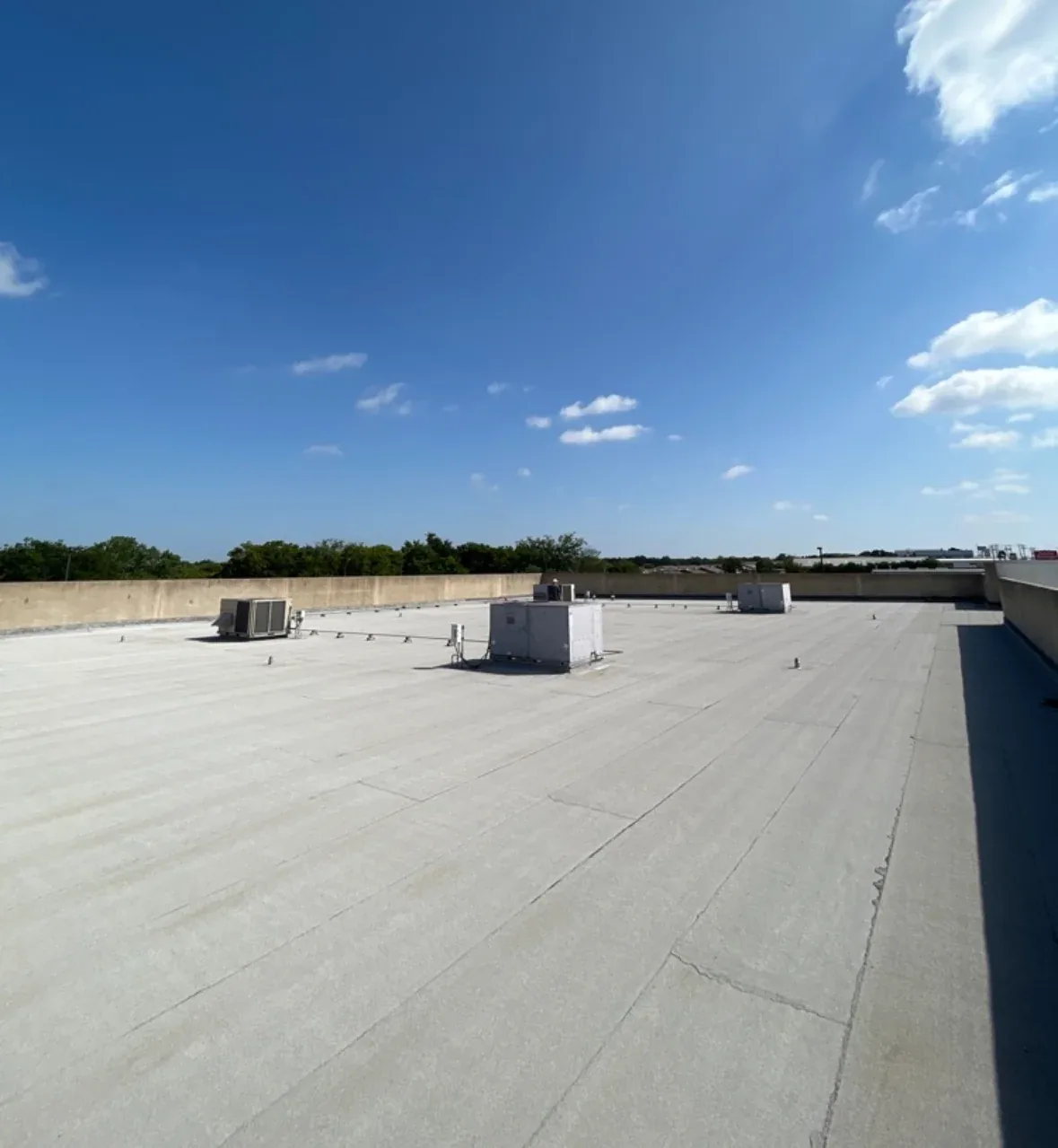
Panel profile, metal thickness if documented, finish, lap direction, and substrate influence which repair details can work. We look for coating loss, corrosion, distortion, damaged lap sealant, and debris that traps water. A surface rust mark does not alone establish how much metal remains, so the report identifies areas that may need measurement or selective removal. Prior patches can conceal a seam or add a dissimilar material; the boundary is recorded before another layer is applied. For a new system, the proposal describes what stays, what is removed, and how panel openings will be treated. A standing-seam system has a different attachment and movement detail from an exposed-fastener roof, even where the base material looks similar.
What movement must a retrofit accommodate?
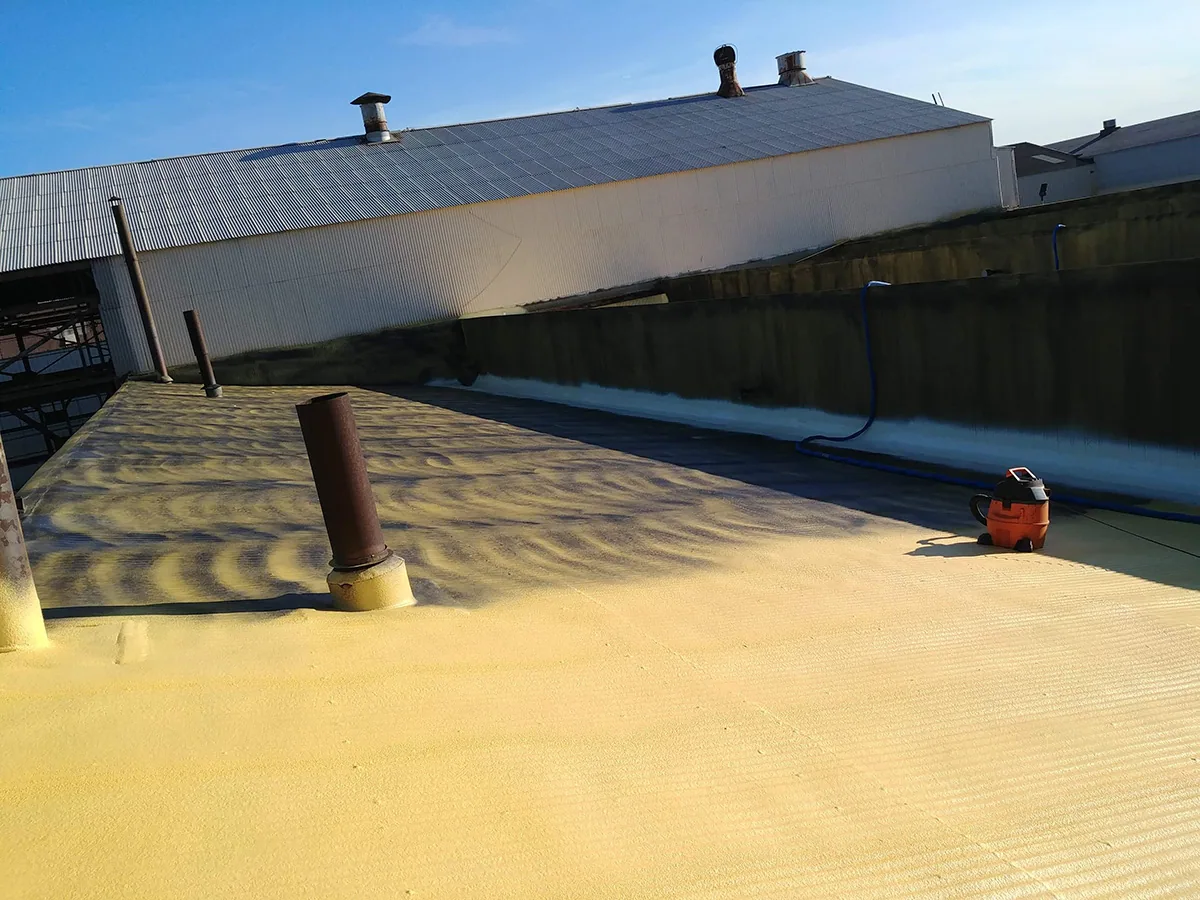
Metal panels change length with temperature, and a retrofit must account for panel movement, end laps, ridge conditions, eaves, and penetrations. A cover system that restrains movement can stress attachments or create new water paths. We review the panel support, fastener pattern, and edge transitions using available drawings and field observations. If the condition below the panel is unknown, the report states that limit and identifies whether an opening would answer the question. We do not assume that a coating or cover board will correct loose attachment or damaged supports. A silicone restoration option is considered only after the surface, adhesion, and movement requirements are checked for the existing roof.
How are runoff and gutters evaluated?
Metal panels direct water toward eaves, valleys, gutters, or internal drains. We inspect the route for debris, overflow marks, separated gutter joints, loose brackets, and water returning under panel edges. A drainage defect can continue to wet a wall or trim even after a fastener repair, so both components may need separate work orders. We note where runoff exits the panel field, whether the gutter is clear, and if overflow stains appear below the eave. A gutter cleaning record can help distinguish a recurring blockage from a leak at the panel edge. When the roof discharges into a valley or internal drain, we trace that route and identify the transition that needs inspection. The proposed work should specify whether it includes clearing debris, replacing a bracket, or repairing the metal at the outlet. Commonwealth Corridor is a broad Fullerton planning area; its boundary cannot verify runoff behavior at a particular property. We follow the actual panel layout and note each outlet. A gutter and edge review can document perimeter metal, and a drainage inspection can check outlets and low areas when those features are present.
When is a metal roof retrofit worth considering?
A retrofit can be evaluated when existing panels and supports remain suitable for a new assembly and the added system addresses the verified defects. The review considers wet insulation, attachment, panel movement, corrosion, fastener capacity, edge height, drainage, and future equipment access. A test area may be needed to confirm adhesion or the condition of concealed layers. If the substrate is unstable or moisture is widespread, a cover may defer rather than solve necessary repairs. We compare a defined repair, restoration, and removal option with quantities and exclusions visible. The recover review checks added load and perimeter transitions before a new layer is proposed. The file identifies who authorizes testing and how each opening will be closed.
How should retrofit work be sequenced?
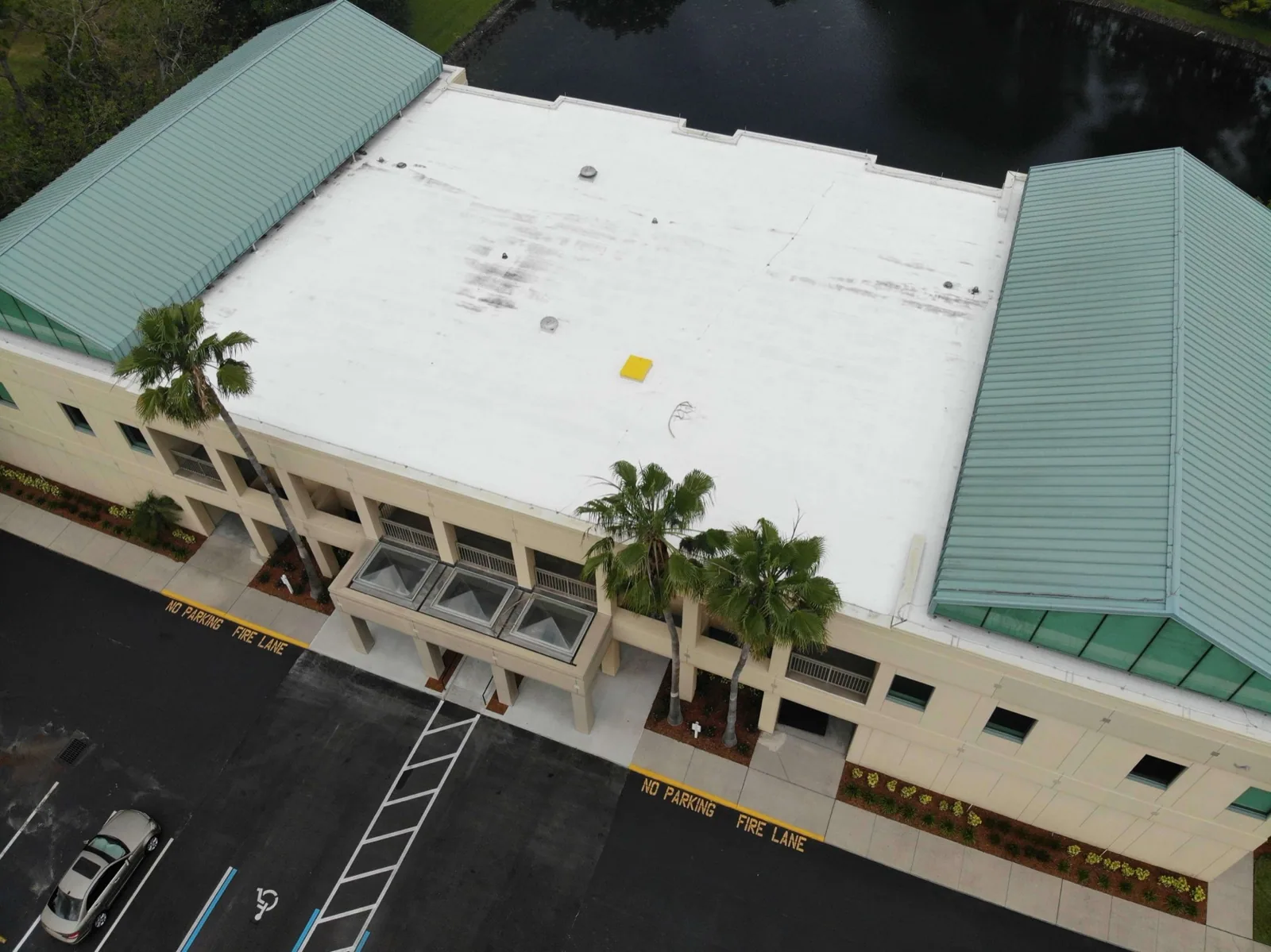
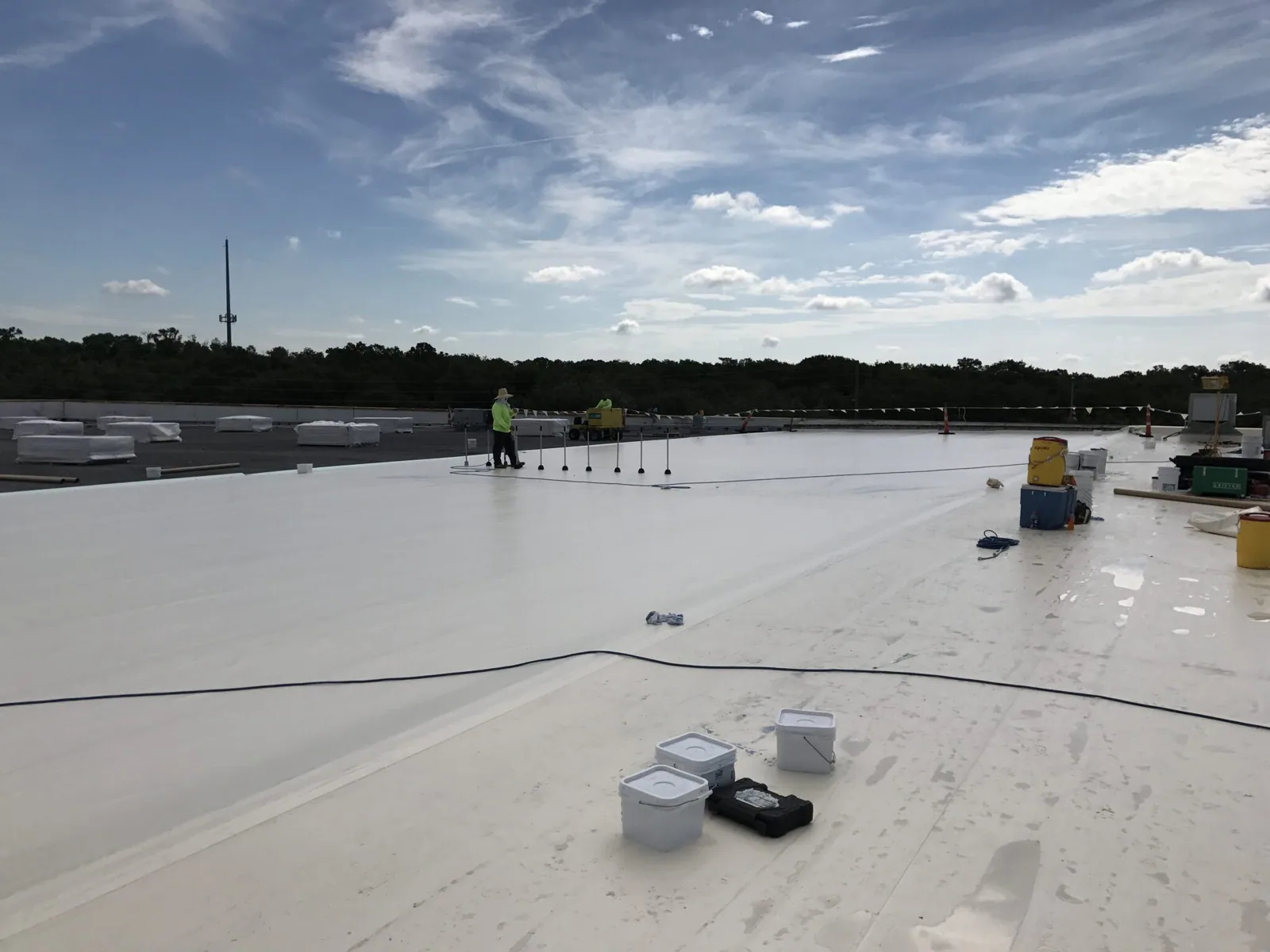
Before mobilization, the crew confirms access, material storage, fall protection, the daily work boundary, and any tenant or equipment restrictions. Openings and exposed areas should be protected as the installation progresses, with a documented close-in check before the crew leaves. If a roof section cannot be completed because of weather, wind, or access, the foreman records its condition and protection. The staging plan should also state how debris and removed fasteners will be contained around operating property. A repair assessment can define interim work while a larger scope is developed. For occupied facilities near Downtown Fullerton, loading routes and operating hours come from the site contact; no planning map can replace that current procedure.
What should the metal roof file include?
Keep panel profiles, fastener observations, corrosion measurements if taken, test areas, photographs, drainage notes, and retrofit details with the building file. The roof plan should identify panel direction, repaired sections, and any area not reached. If new penetrations are planned, record who approves them and which contractor will complete the flashing. A maintenance note can track changes in fastener condition and finish loss across inspections. A maintenance visit can follow the same map and flag changed conditions, while an EPDM roof record should remain separate for a property with mixed assemblies. The closeout lists open items and who will decide whether added testing is warranted.
Commercial Roofing Questions
Which fastener checks show when a metal roof screw needs replacement?
The receiving support and opening condition matter. The inspection records whether the fastener engages sound material and whether a different repair detail is needed.
Does a metal retrofit require removing every existing panel?
Not always, but the existing panels, supports, moisture, and attachment must be suitable for the selected system. Testing and edge review may change the scope.
Can coating stop leaks at exposed fasteners?
A coating may form part of an approved restoration after preparation and detail repairs. It does not correct loose support or every failed washer by itself.
What if rust appears around a panel lap?
The area is mapped and reviewed for coating loss, water retention, and metal section. A surface appearance alone cannot establish the amount of remaining material.
What information helps plan a Fullerton metal roof inspection?
Send the property address, panel or installation records, leak history, repair photos, roof plan, and site-access rules so the scope can target relevant details.