
Inspect SPF roofing in Fullerton for foam thickness, coating condition, moisture, penetrations, and repair or recoat options with testing.
Roof leak, storm damage or an inspection coming up?
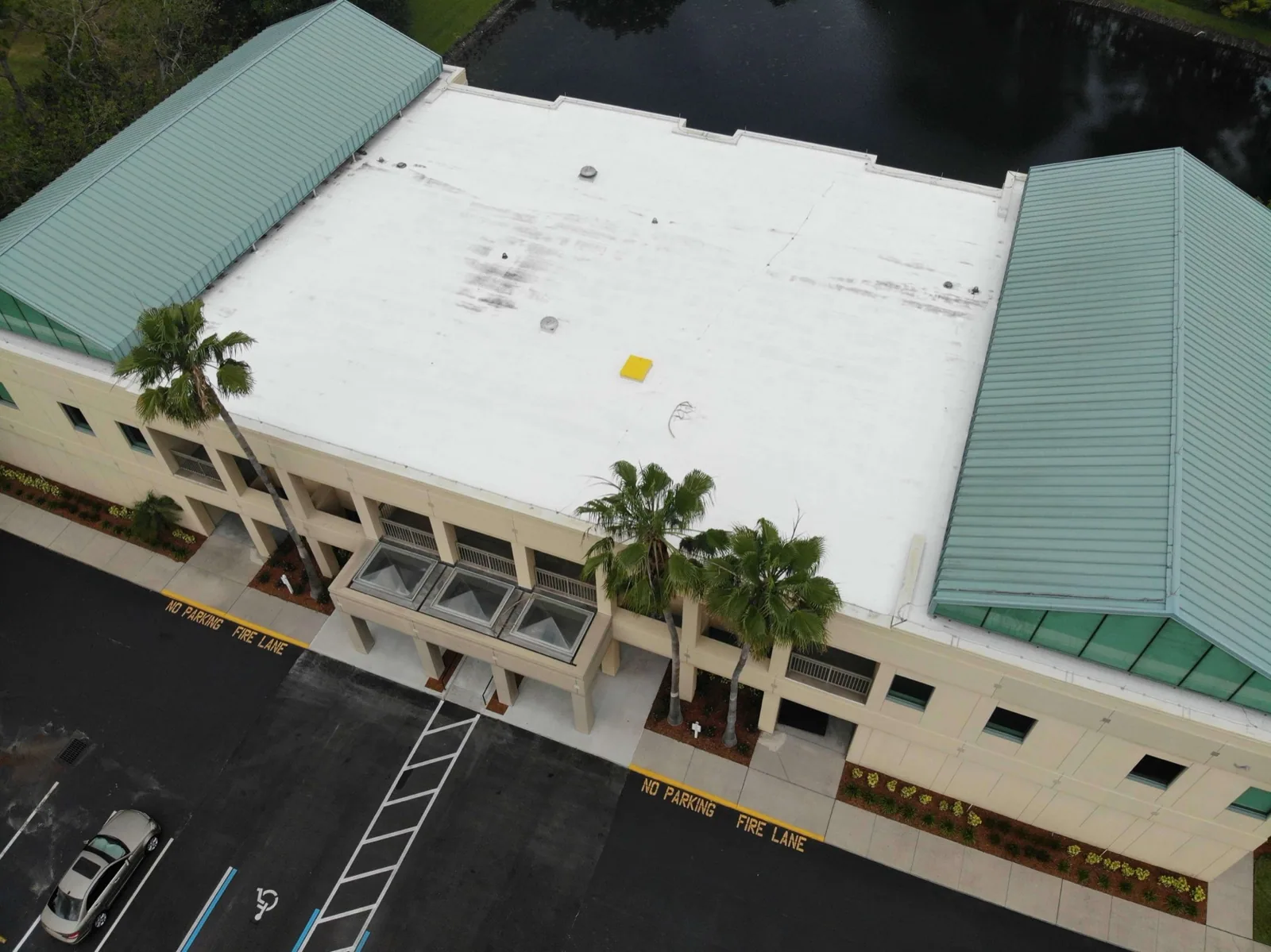
Spray polyurethane foam roofing combines a formed foam layer with a protective coating. A leak review should look at both: the coating can wear or separate, while the foam beneath may be sound, damaged, wet, or uneven. We ask about the last recoat, leak pattern, equipment work, and any prior repair before walking the roof. NOAA's monthly normals for Fullerton Municipal Airport list an August mean daily maximum of 86.7°F over 1991 to 2020. That climate record can inform seasonal planning but cannot substitute for field conditions or a coating manufacturer's limits. An inspection maps the existing coating, foam condition, penetrations, and areas needing closer tests.
What is evaluated beneath the SPF coating?
We look for foam erosion, crushed areas, blisters, voids, exposed substrate, and changes in contour that may affect drainage. Where available, installation records can help identify foam thickness, density, and prior repairs, but a visible surface does not confirm each layer. The report identifies measured locations and method, then distinguishes those results from estimated coverage. A small cut or probe may answer a question about adhesion or moisture if the owner approves the location and patch procedure. We do not extend one sample result across the entire roof without supporting observations. If the foam profile is uneven, the map marks low areas and the direction runoff takes so the manager can see whether the coating issue and drainage issue are connected.
How does the protective coating affect roof condition?
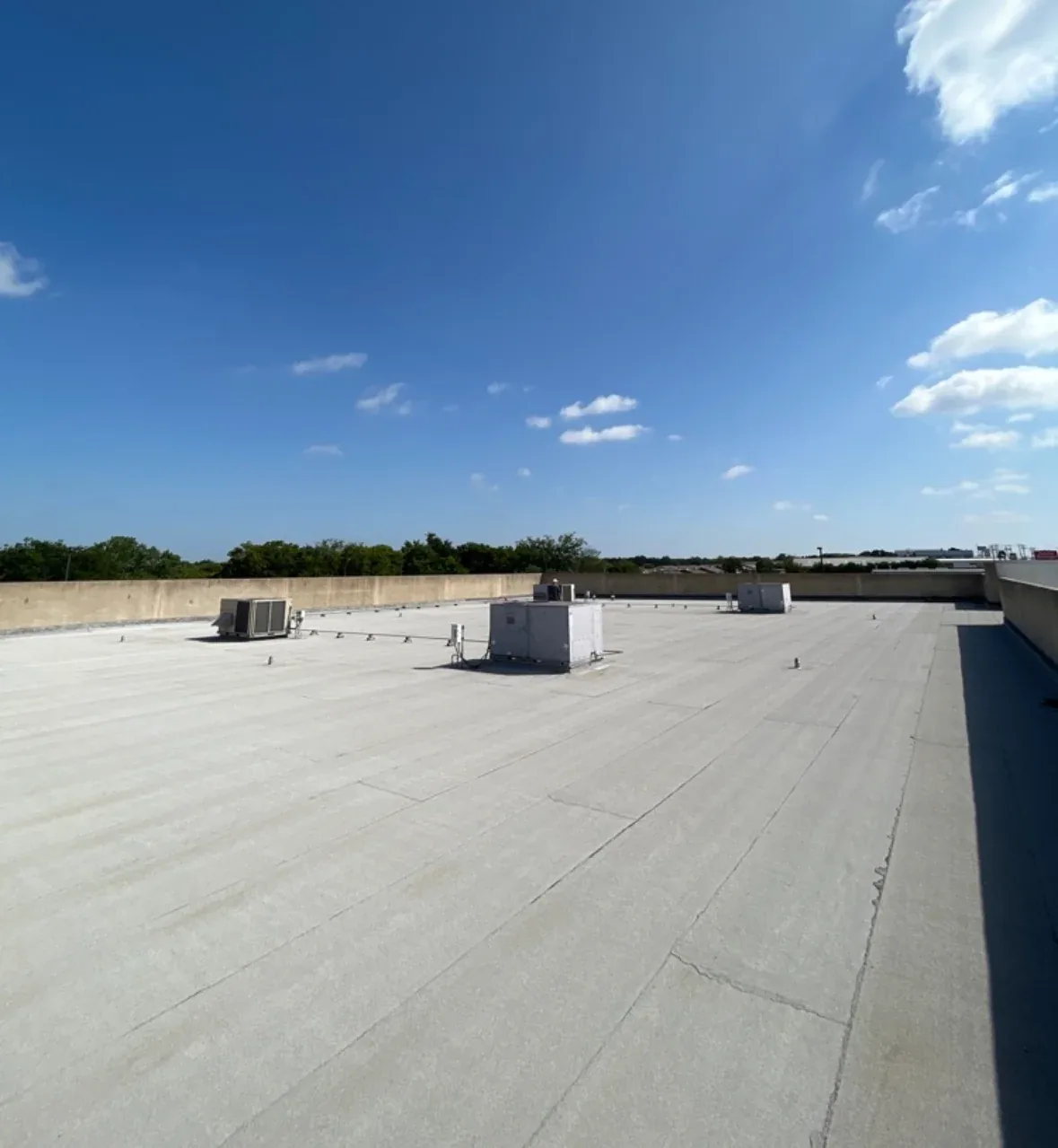
The coating protects foam from weather and traffic, and its type and thickness influence recoat preparation. We check for chalking, cracks, ponding, bare areas, peeling, and reinforcement at seams or transitions. Those signs can have different causes, so the scope records what is present and where adhesion or thickness testing may help. If an older coating is unknown, product records or a compatibility sample may be needed before another layer is specified. A silicone coating review and an acrylic coating assessment compare distinct restoration systems; neither is chosen from a single color or product label. We note the surface preparation and test locations required before pricing broader work. A recoat specification should identify cleaning and drying requirements, primer where needed, reinforcement at details, and the application rate for the chosen product. The owner should receive a test report from the representative sample before deciding whether it supports a larger area. If different coatings are found across the roof, the plan marks their boundaries and treats each as a separate compatibility question. This avoids assuming that one successful adhesion test establishes bond across materials applied at different times.
What does the foam profile show about drainage?
SPF can be shaped to direct water, but settled debris, prior patches, equipment supports, or uneven foam may alter the intended flow. We identify ponding areas, drains, scuppers, and slopes where water collects or bypasses an outlet. A low area is recorded rather than assumed to be a leak; the next step may be drain maintenance, a localized fill, or a larger assembly review. The Fullerton General Plan names the Southeast Industrial Focus Area as a city planning context; that district record says nothing about slope or outlet placement on an individual roof. We inspect the actual roof and map its drainage. A drainage review can separate an obstructed outlet from a foam-profile concern.
How are SPF penetrations and edges repaired?
Pipe boots, curbs, skylights, parapets, drains, and edge metal interrupt the foam-and-coating field. We check for cracked coating, exposed foam, failed sealant, loose metal, and unprotected foam at cuts or equipment work. A repair may need replacement foam, a shaped transition, embedded reinforcement, and compatible coating rather than a topcoat alone. The detail should extend onto sound material and leave the water path clear. A penetration inspection can mark openings for a separate trade handoff; an edge review follows perimeter transitions. Fullerton's Commonwealth Corridor is a named planning area, but the field work remains tied to the property's actual edge and opening details.
When should moisture or adhesion testing be used?
Testing is useful when the surface appearance does not show whether the foam or substrate below is dry and bonded. We select representative areas, identify the test method, and mark results on the roof plan. A scan can guide sampling but does not prove moisture by itself. An opening should be made only with the owner's approval and an agreed closure detail, especially where equipment or sensitive contents are below. If the foam is wet or poorly bonded, recoating may trap rather than correct the condition. The moisture survey records what was screened and what was confirmed, with exclusions and next steps clearly stated. The manager can then compare patch, refoam, recoat, or removal without treating every square foot as the same condition.
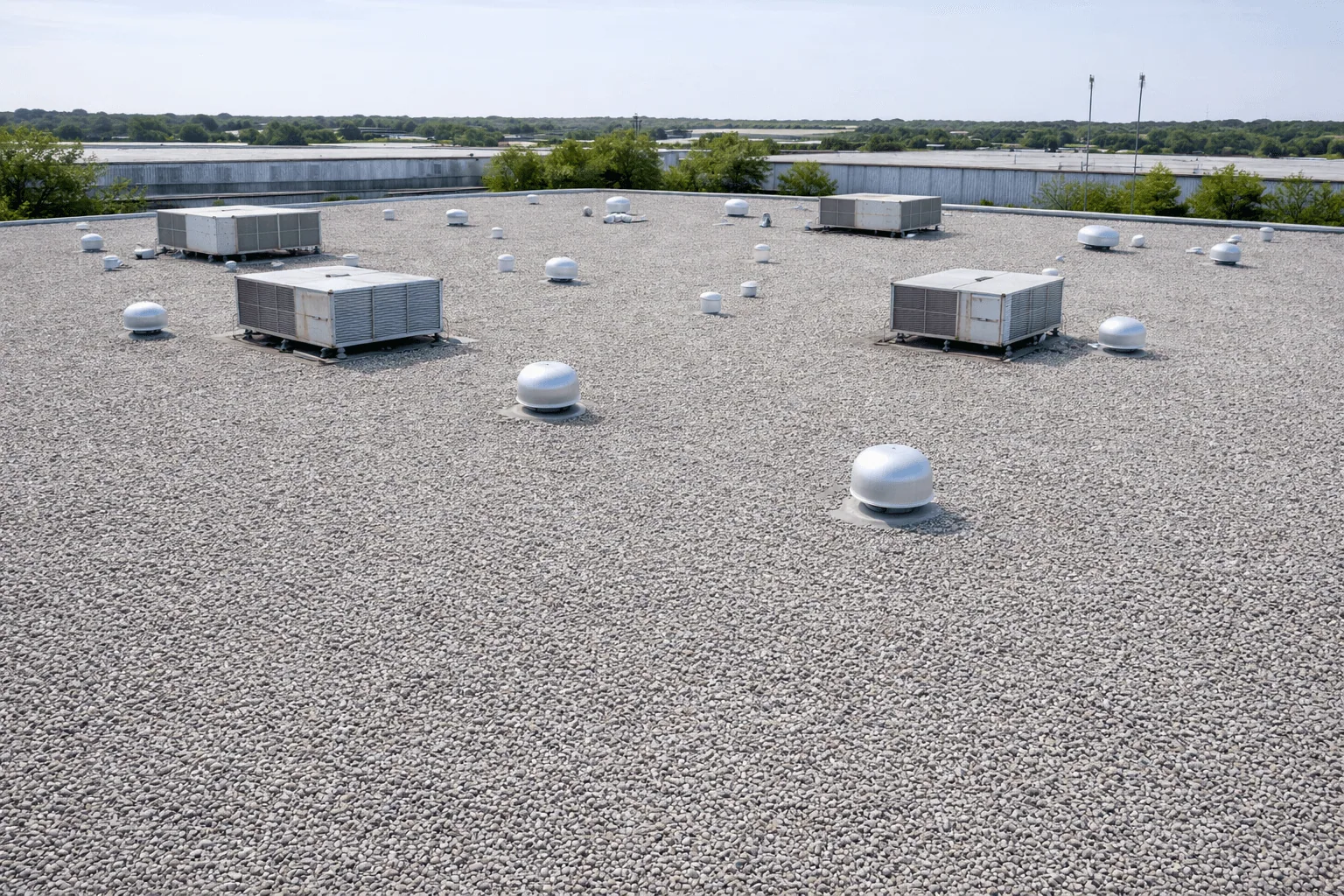
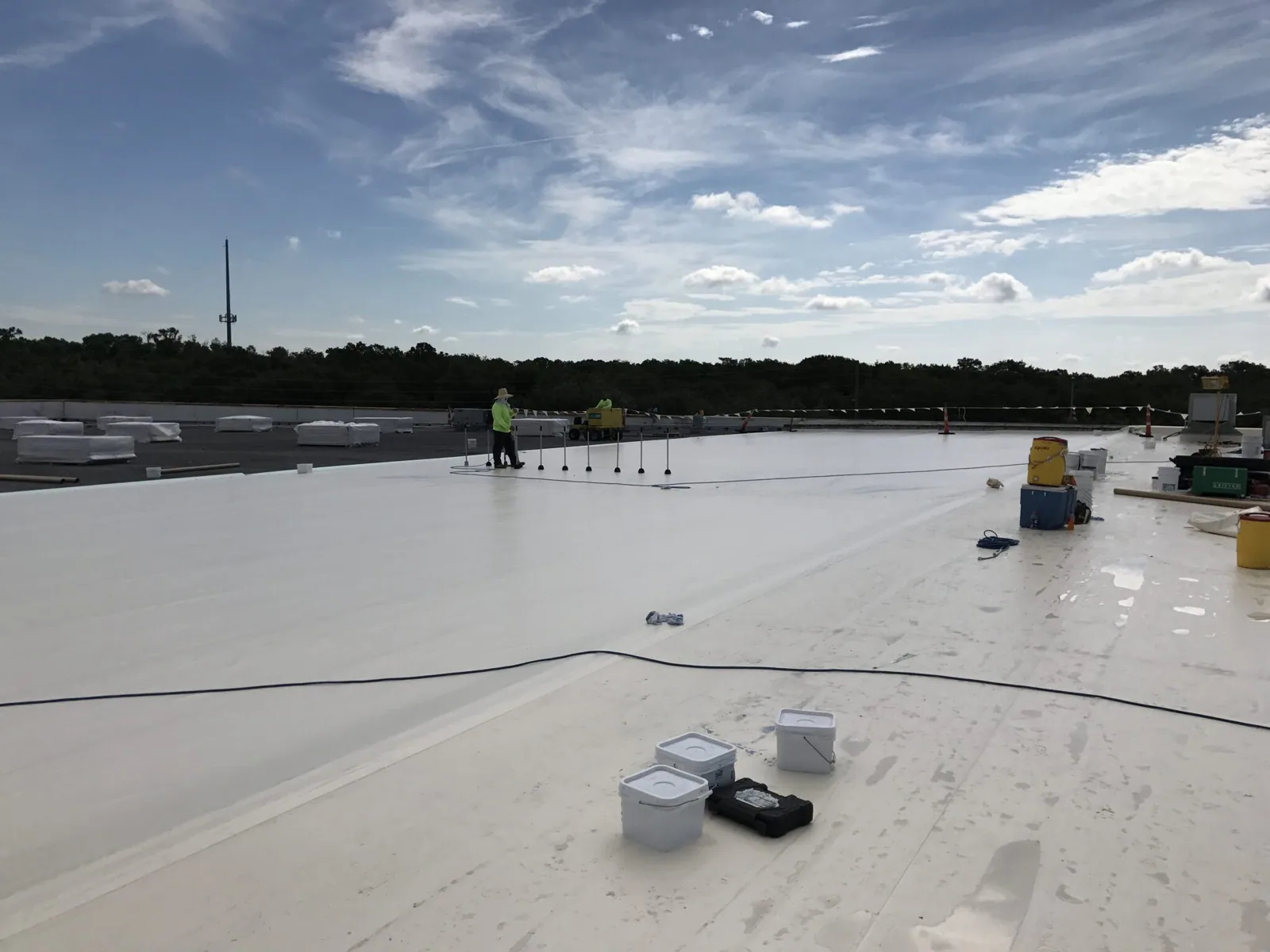
Can an SPF roof be repaired or recoated?
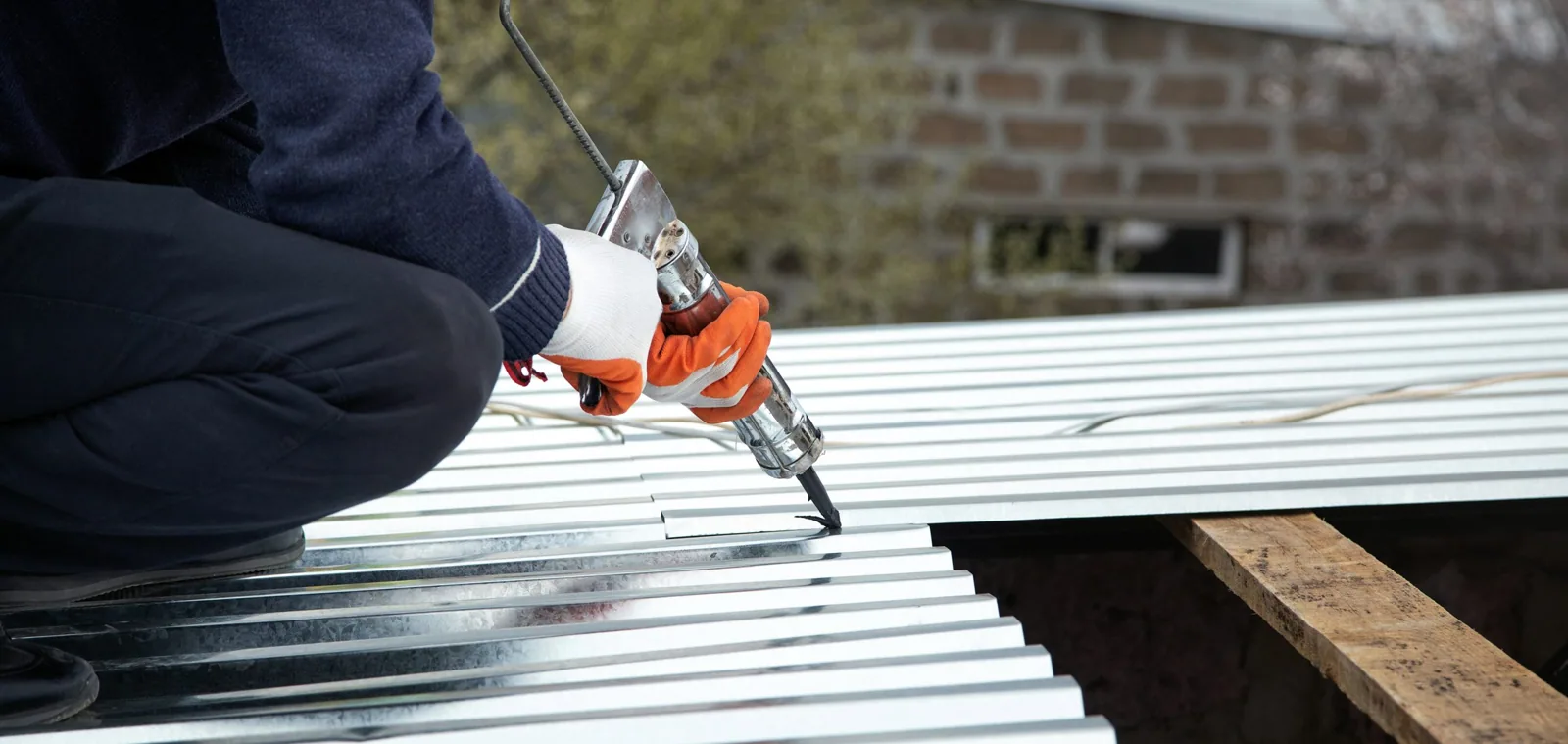
Localized repair can work when damaged foam is bounded, dry material remains around it, and the replacement foam and coating can tie into the assembly. Preparation removes loose coating and degraded foam to a defined edge. A recoat requires cleaning, drying, compatible primer if specified, and attention to thickness and curing conditions. If widespread moisture, loss of adhesion, or deep foam damage is found, a broader scope may be needed. We report quantities, test points, and areas that were not checked before comparing options. The estimate should state whether loose coating is removed, whether foam is cut back, and how the repair edge is feathered into the existing field. If a recoat is considered, the system documentation should identify the required dry-film thickness and curing condition. A final walk can mark incomplete or untested locations so the property file reflects the actual closeout rather than a generic coverage statement. A coating restoration scope identifies preparation and application assumptions. A repair assessment can address a separate leak while a full recoat is planned.
What should the SPF roof file include?
Keep the foam and coating product information, thickness readings, adhesion or moisture tests, repair map, photographs, and recoat dates with the property record. Label sample locations and preserve the measured areas separately from estimated coverage. After an equipment contractor adds a support or pipe, record who restored the foam and coating and whether the detail was inspected before closeout. A maintenance plan can track exposed foam, coating wear, drains, and prior test locations over time. The site near Downtown Fullerton may have access or staging restrictions that differ from another Fullerton property; the facilities contact supplies the current procedure. The report lists open conditions, who owns each next step, and the date of the inspection.
Commercial Roofing Questions
Can SPF be recoated without replacing the foam?
Sometimes. The foam must be sufficiently sound and dry, and the existing coating must accept preparation and a compatible new layer. Testing may be needed.
Does exposed foam always mean the whole roof failed?
No. The damaged area and surrounding foam are inspected and mapped. The repair size depends on moisture, adhesion, and the condition of adjacent material.
Can a moisture scan confirm wet SPF?
A scan can identify areas for follow-up, but readings may require a sample opening or other confirmation. The report separates screening from verified conditions.
Is silicone always the right SPF recoat?
The coating type depends on existing materials, preparation, drainage, and compatibility. A representative adhesion test can help evaluate a proposed system.
What should I provide for an SPF roof review in Fullerton?
Share the property address, coating records, leak history, prior thickness or moisture tests, repair locations, and access rules for a targeted inspection.