
Assess commercial storm roof damage in Fullerton with safe access, mapped findings, temporary protection, compatible repairs, and a documented follow-up plan.
Roof leak, storm damage or an inspection coming up?
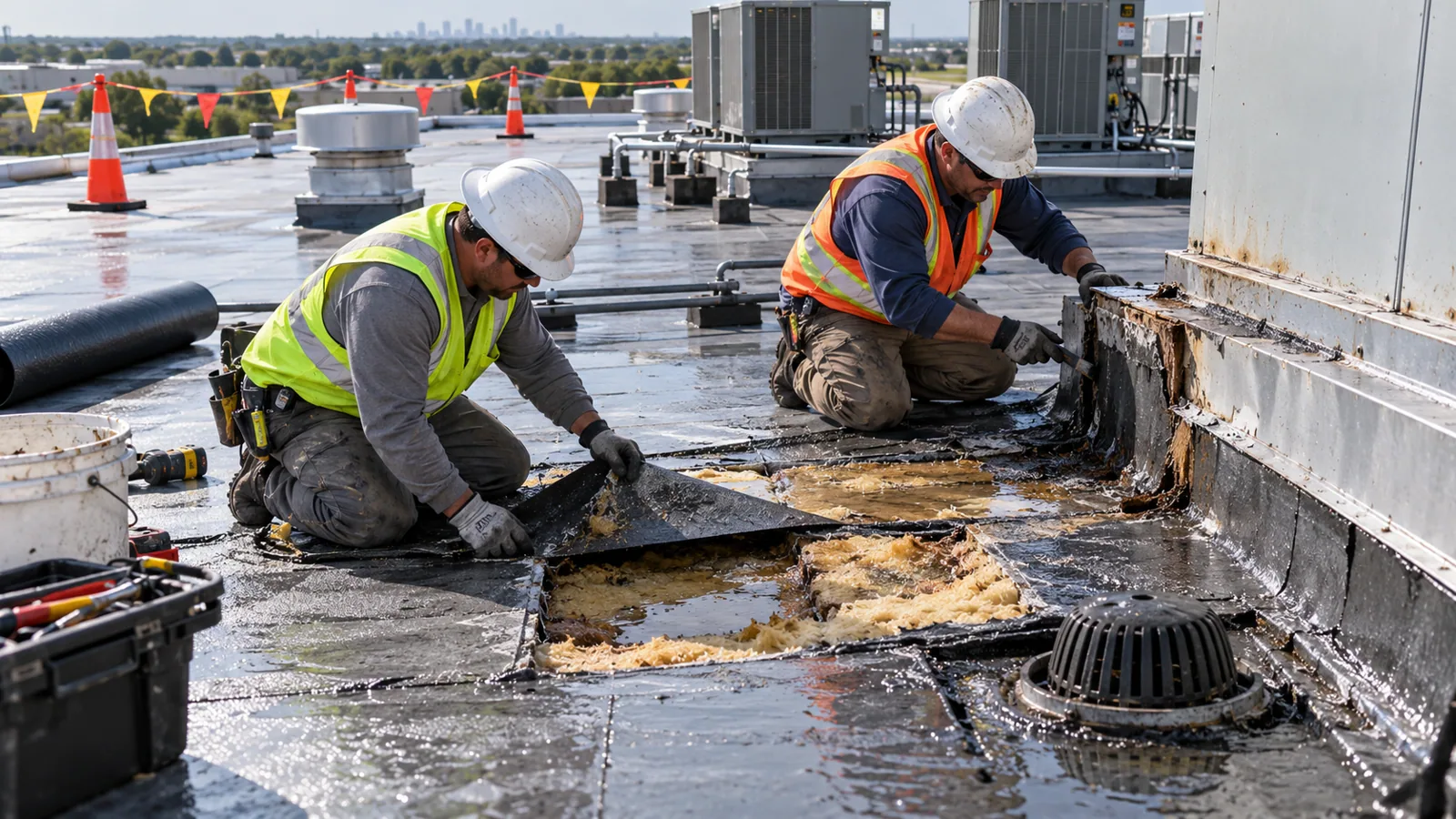
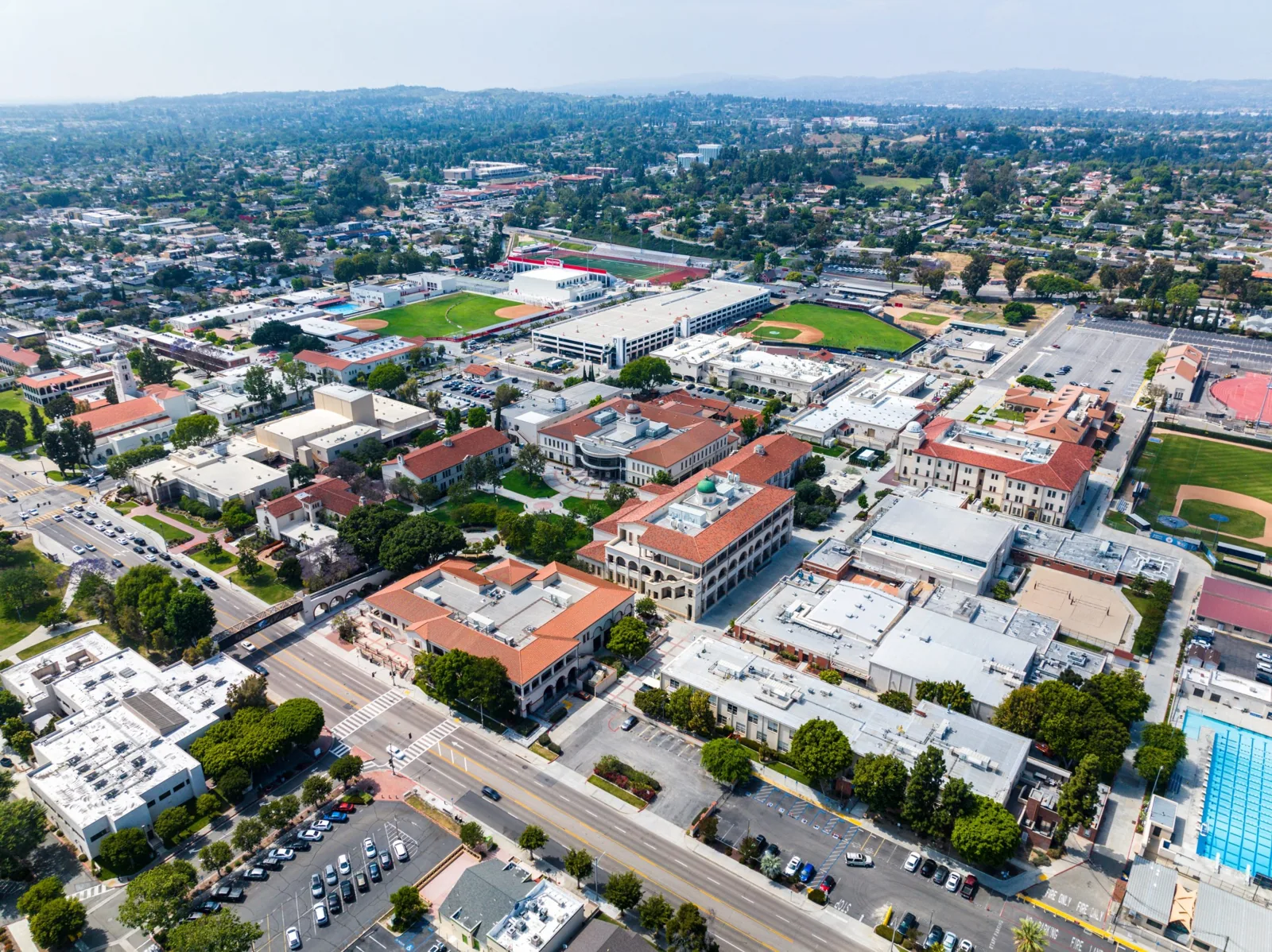
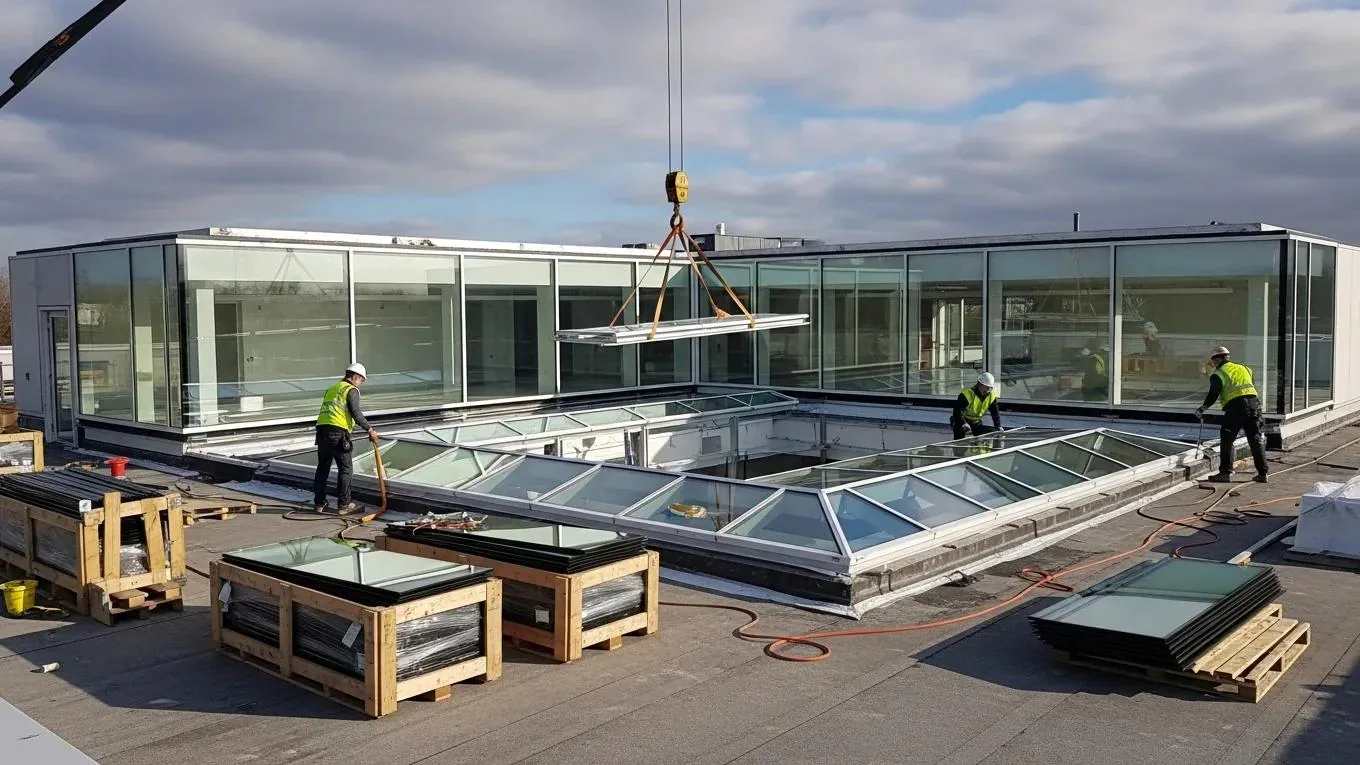
After wind or heavy rain, the property manager needs to know which roof areas are safe to enter and whether water is reaching occupied space. In Fullerton, we first confirm the address, access conditions, visible damage, and a site contact who can approve protection or testing. The crew documents displaced metal, open seams, punctures, debris impact, and water entry by roof section. A temporary dry-in may limit exposure while a permanent repair is scoped, but the record identifies what remains open. Fullerton’s annual precipitation normal is 11.86 inches; after a storm, use the event date, current forecast, and roof photos to plan temporary protection. We check the actual conditions before work. For an active leak, arrange commercial leak response; after stabilization, a roof inspection can document the broader assembly and repair priorities.
What should be checked before roof entry?
Storm damage can involve unstable metal, loose rooftop items, wet surfaces, downed lines, and interior hazards. The manager should keep staff clear of unsafe areas and use the building's emergency process before roof access is considered. We confirm whether the hatch, ladder, roof route, and fall protection remain usable. Interior impacts are recorded by room, time, and affected contents, while electrical or structural concerns are assigned to the responsible trade. At a property in Harbor Gateway, confirm the gate, loading route, and approved roof access before moving temporary protection onto the building. The property contact provides current gate rules, escort needs, and restricted zones. If the roof is unsafe, the first visit can focus on interior protection and a safe exterior view, with a return time set after conditions improve.
Which storm effects can a roof report distinguish?
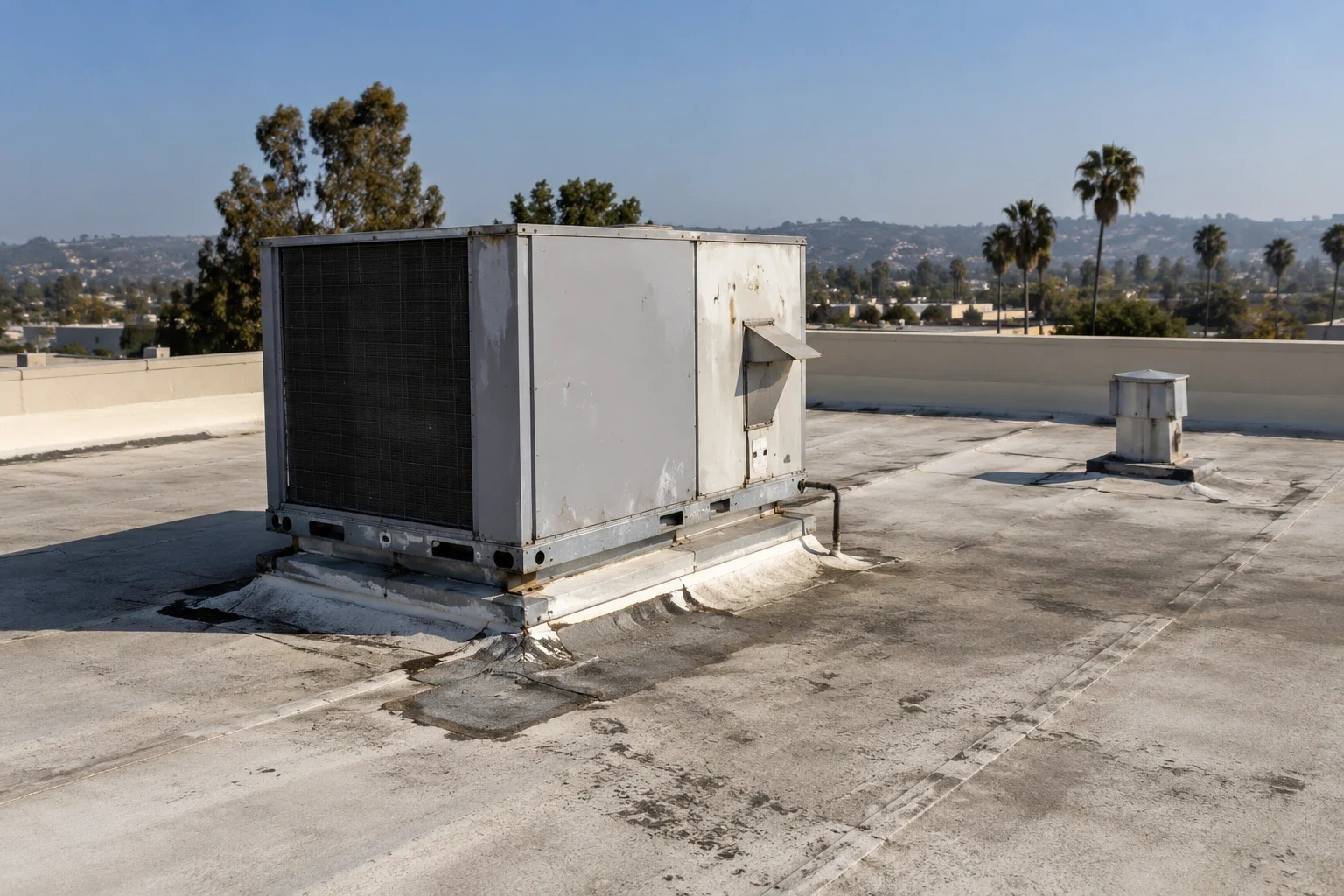
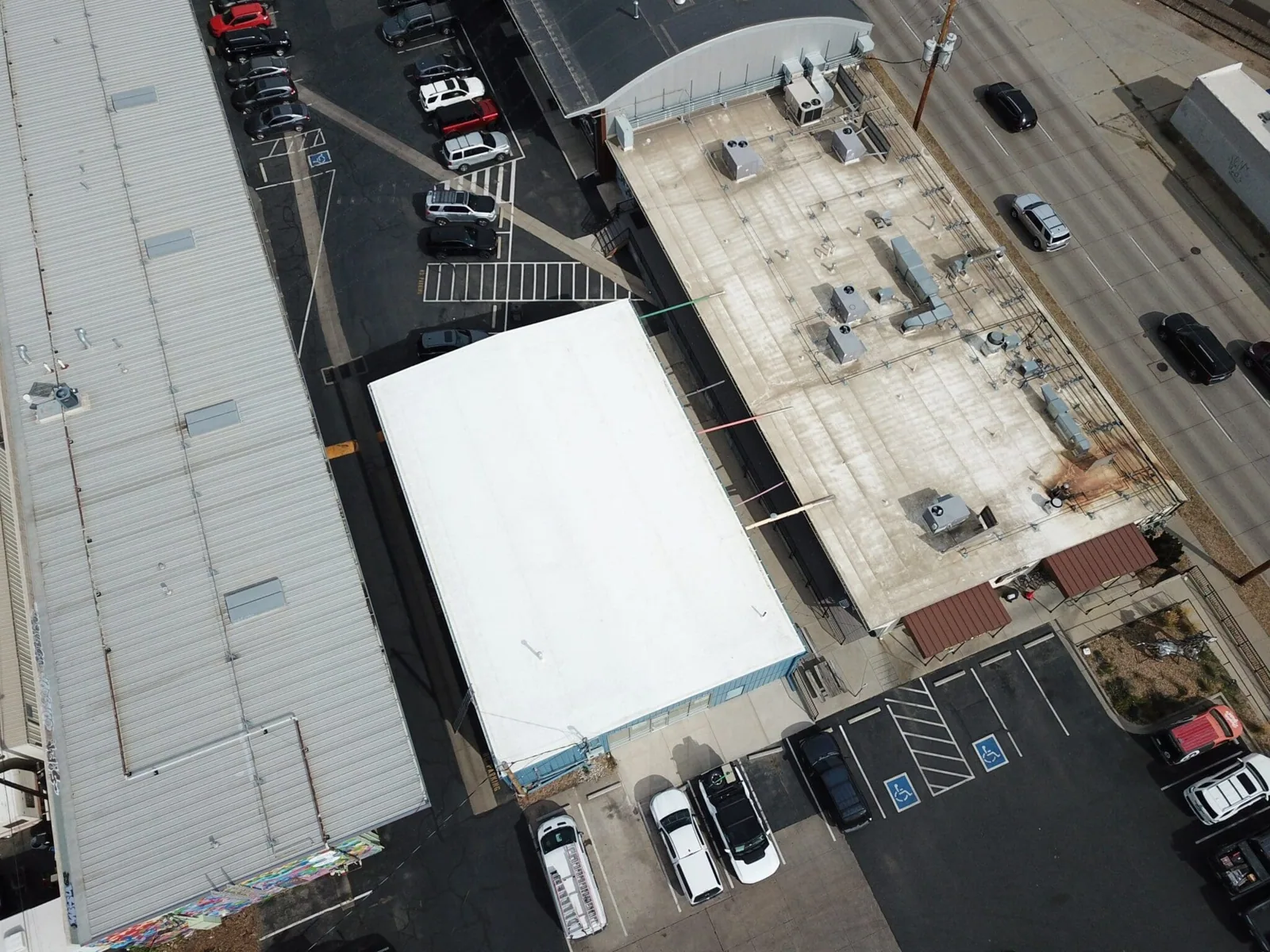
Wind can lift edges or open seams, while wind-driven rain can enter at a transition that was already vulnerable. Hail or falling debris may mark a surface without penetrating it. We map visible impact, check nearby seams and terminations, and compare the condition with prior repairs and photographs. Each finding is labeled as observed damage, suspected water path, or an area requiring a test. The report does not infer a storm cause from a ceiling stain alone. A drone survey may document broad roof surfaces where a safe flight is appropriate, but hands-on review confirms details and material condition. At a property in the Southeast Industrial Focus Area, staging and access can affect how the crew surveys a large roof. We verify those limits with the site contact, then note any excluded section.
How should temporary protection be documented?
A temporary cover or patch should be selected for the surface, forecast, and safe installation conditions. The crew records its location, material, attachment method, installation time, and the limitations that remain. It is not described as a completed repair if the underlying membrane or flashing still needs work. The manager identifies areas where contents, production, or equipment need additional protection. The Fullerton station’s August precipitation normal is 0.02 inches; for active storm work, the current alert and hourly forecast determine whether a roof section can be opened. The live forecast and site exposure control the plan. We confirm which person receives an update if the temporary measure moves or water returns. For a broader damage record, the manager can request a condition report with mapped observations and photographs.
What makes a permanent repair credible?
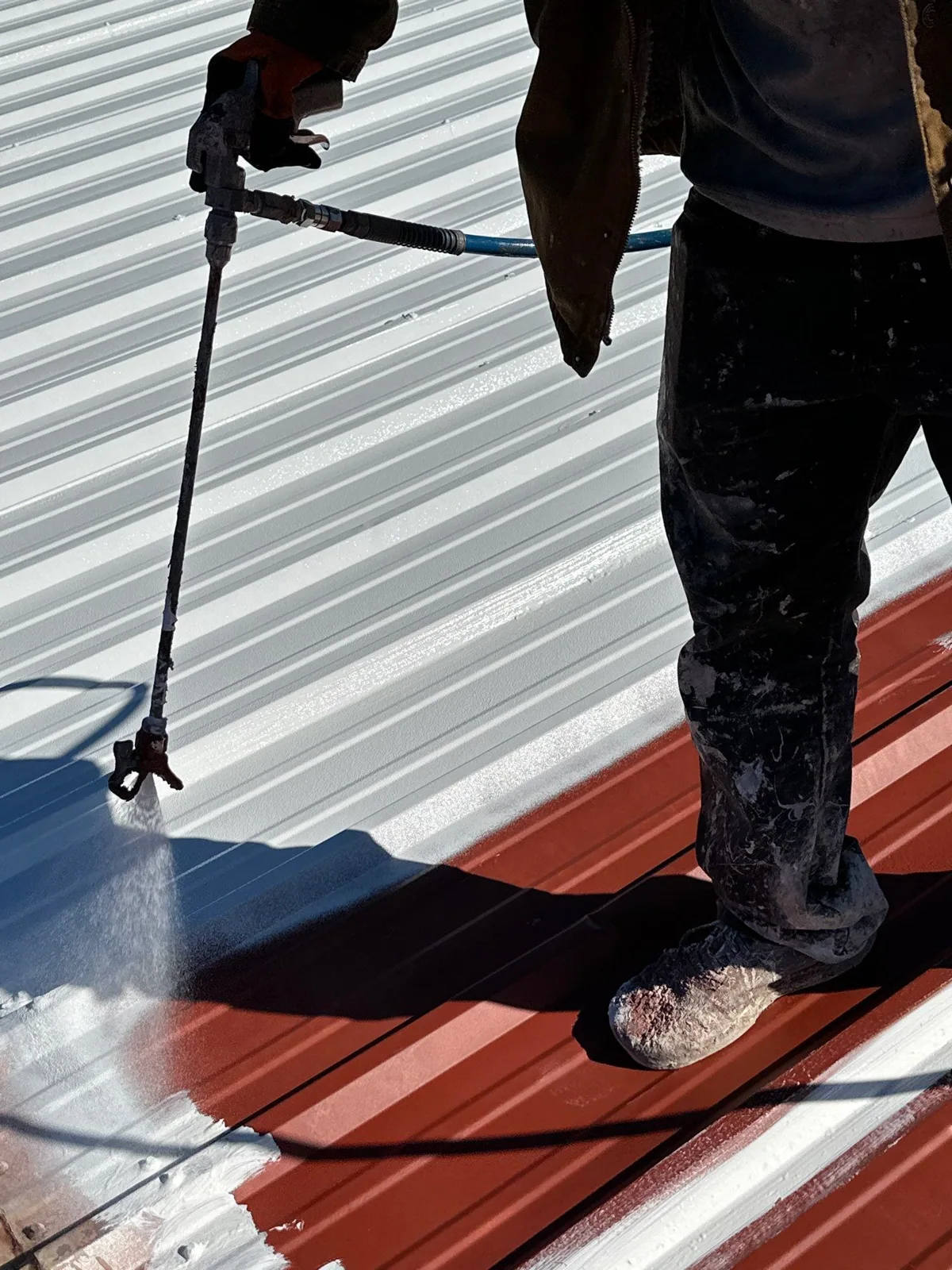
The permanent scope identifies the damaged roof material, the preparation required, and the repair boundary. The crew checks whether seams, flashing, fasteners, edge metal, drains, or penetrations were affected and whether the substrate can accept the selected repair. A patch should extend to sound material and follow product instructions. If there is a dispute about the source or extent, testing and photographs should be completed before repair hides the condition. A repair log records materials, locations, and any remaining test. The Transportation Center plan area includes varied uses, so the manager identifies the building, roof assembly, and operating constraints before the damage survey. The property file and site walk establish its roof system. If repeated or widespread damage is present, compare a defined repair scope after the affected area is mapped.
How does the site stay organized during response?
The manager sets a safe access route, escort, staging point, loading limits, tenant notice, and interior contact. If a crew must move debris or protect equipment, agree on who can authorize each action. The City lists an industrial warehouse request on East Orangethorpe Avenue approved in February 2026; for storm work, verify the affected property’s address, gate, and roof section. A manager near Orangethorpe Avenue still supplies the building's gate and receiving schedule. We name a contact who can approve additional openings, testing, or repair quantity. The crew sends a status at the agreed time with photos and the next decision. If work cannot proceed because of wind, rain, or unsafe roof conditions, the handoff records the protection completed and a safe return condition.
What should the owner retain after the storm?
Keep the request time, weather notes, roof map, photos, temporary protection, inspection findings, approved repairs, and follow-up results together. A separate list can record interior work and the trade responsible for each room. If insurance documentation is needed, the file should show actual damage and completed work without assigning a cause that has not been established. Our response contact accepts emergency roof requests at any hour, through the week and holidays, while dispatch confirms crew availability, access, and the first scope. After the immediate issue is controlled, a maintenance visit can compare the affected roof area with its prior record. The next report should state what was repaired, what remains untested, and when the manager should check the space after rainfall. After the first visit, the property contact can mark each affected area on the roof plan and assign a separate status: protected, repaired, awaiting a test, or scheduled for a return. That distinction matters when tenants report a second drip in another room or when a later rainfall tests a temporary measure. We photograph the area before changing it, note who authorized the next step, and keep any interior dry-out or electrical work with its responsible trade. A follow-up walk should check the repair boundary and nearby transitions, not only the original entry point. The closeout note gives the manager a date to review the area again and a contact for a changed condition. The contact also checks after the next rainfall.
Commercial Roofing Questions
Can the crew inspect a roof during a storm?
The foreman checks wind, rain, surface condition, and fall protection, then records whether roof entry is safe. If entry is unsafe, the response focuses on interior protection and a return visit when the roof can be reached safely.
Should I remove debris before documentation?
Photograph the area when safe and leave uncertain damage in place until the responsible contact advises otherwise. A qualified crew can document removal and inspect the roof surface beneath it.
How do I separate storm damage from an older defect?
Compare dated condition records, repair history, and the observed failure pattern. The report should distinguish what is visible from conclusions that require testing or additional documentation.
Will the emergency visit include permanent repairs?
The first visit documents approved immediate work and any temporary dry-in. A separate scope identifies permanent repairs when conditions allow. The record marks what remains before work is considered complete.
What should I send for an insurance file?
Provide the request date, building records, prior condition photos, roof plan, incident notes, inspection findings, repair scope, and closeout images. Keep factual observations separate from assumptions about cause.