
Build a clear commercial roof claim record in Fullerton with dated photos, mapped damage, repair notes, and coordination that keeps open questions visible.
Roof leak, storm damage or an inspection coming up?
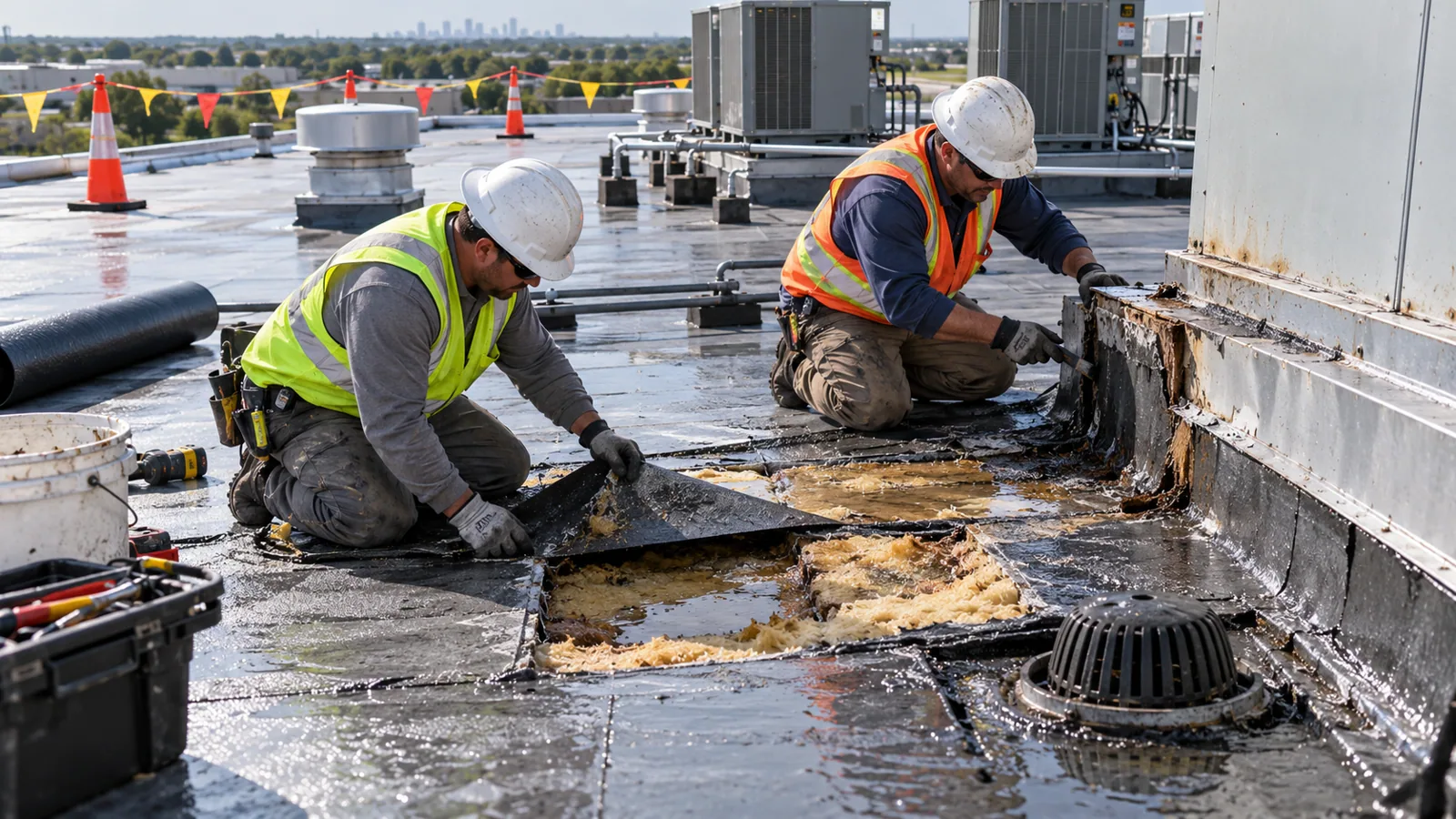
A claim file needs a roof condition record before a repair changes what can be seen. In Fullerton, the property manager can start with the incident date, affected rooms, roof access contact, and any safe photographs already taken. We inspect the reported areas, map visible conditions by roof section, and separate observations from questions that need testing. Fullerton Municipal Airport normals show 11.86 inches of annual precipitation, with June, July, and August averaging 0.08, 0.02, and 0.02 inches. A claim timeline still needs the weather record for the reported event. The actual weather record and site evidence must stay distinct. If water is active, we can first discuss commercial leak response and temporary protection, then set a documented inspection. The Harbor Gateway Focus Area and Orangethorpe Avenue corridor provide planning context for local building coordination, not proof about a particular property. We confirm the site's access rules before setting the work window.
Which records help establish the roof condition?
A useful file begins with the roof plan, prior inspection reports, maintenance notes, repair invoices, photographs, and the date each item was created. We label the reported damage by roof section and connect each photograph to a location rather than sending an unindexed image folder. Interior observations should list room, time, visible impact, and any protection or cleanup already completed. The condition report can tie exterior observations to the property map while keeping confirmed findings separate from suspected causes. A manager near the Commonwealth Corridor can use the same record structure as any Fullerton property, but corridor planning documents do not describe a building's membrane or leak history. We ask who controls the files and who may approve additional testing. That contact receives a short list of missing records before the next visit, so the inspection is aimed at the unresolved roof question.
What does the roof inspection need to show?
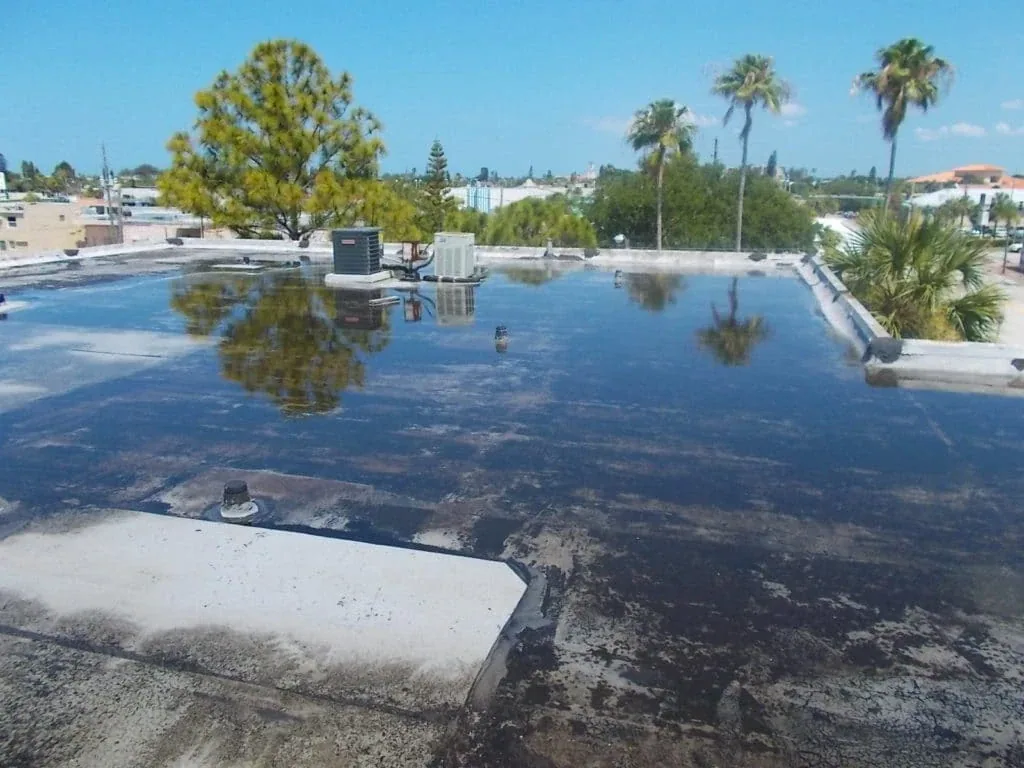
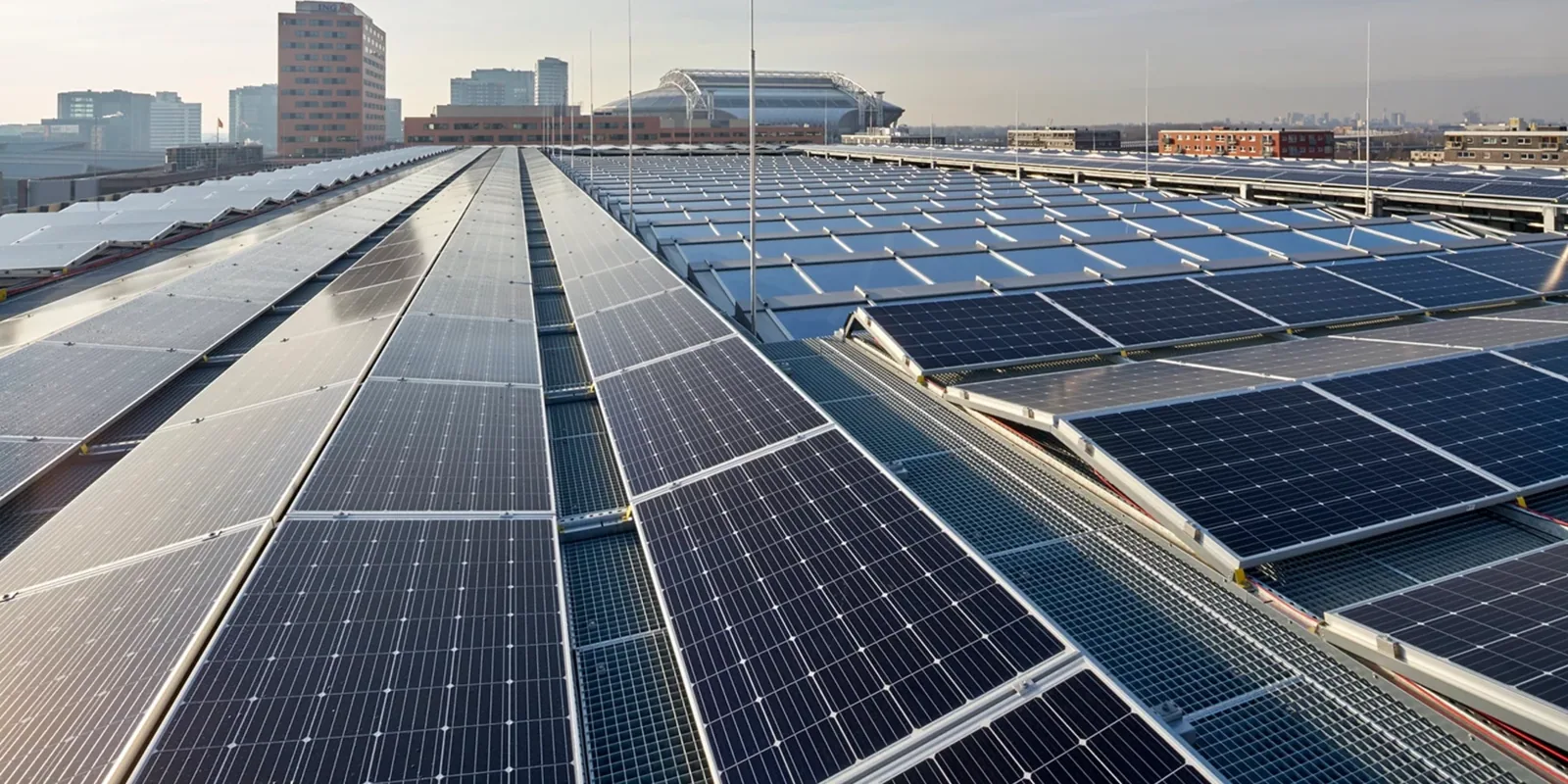
The inspection records the surface, seams, flashing, edge details, drains, penetrations, and any visible impact near the reported interior area. A stain alone does not establish where water entered or when the condition began. We trace the observed path where access allows, note adjacent details, and identify tests that could confirm or narrow the question. A commercial roof inspection can document the broader assembly, while hands-on checks remain necessary where an image cannot confirm material condition. If roof access is limited, the report names the excluded area and the reason it was not examined. Regional road and rail connections may help orient a trip, but the crew still needs to confirm the route to the particular roof hatch with the site contact. The property contact confirms gate rules, escort needs, staging, and tenant hours before the team begins.
How should damage and pre-existing conditions be separated?
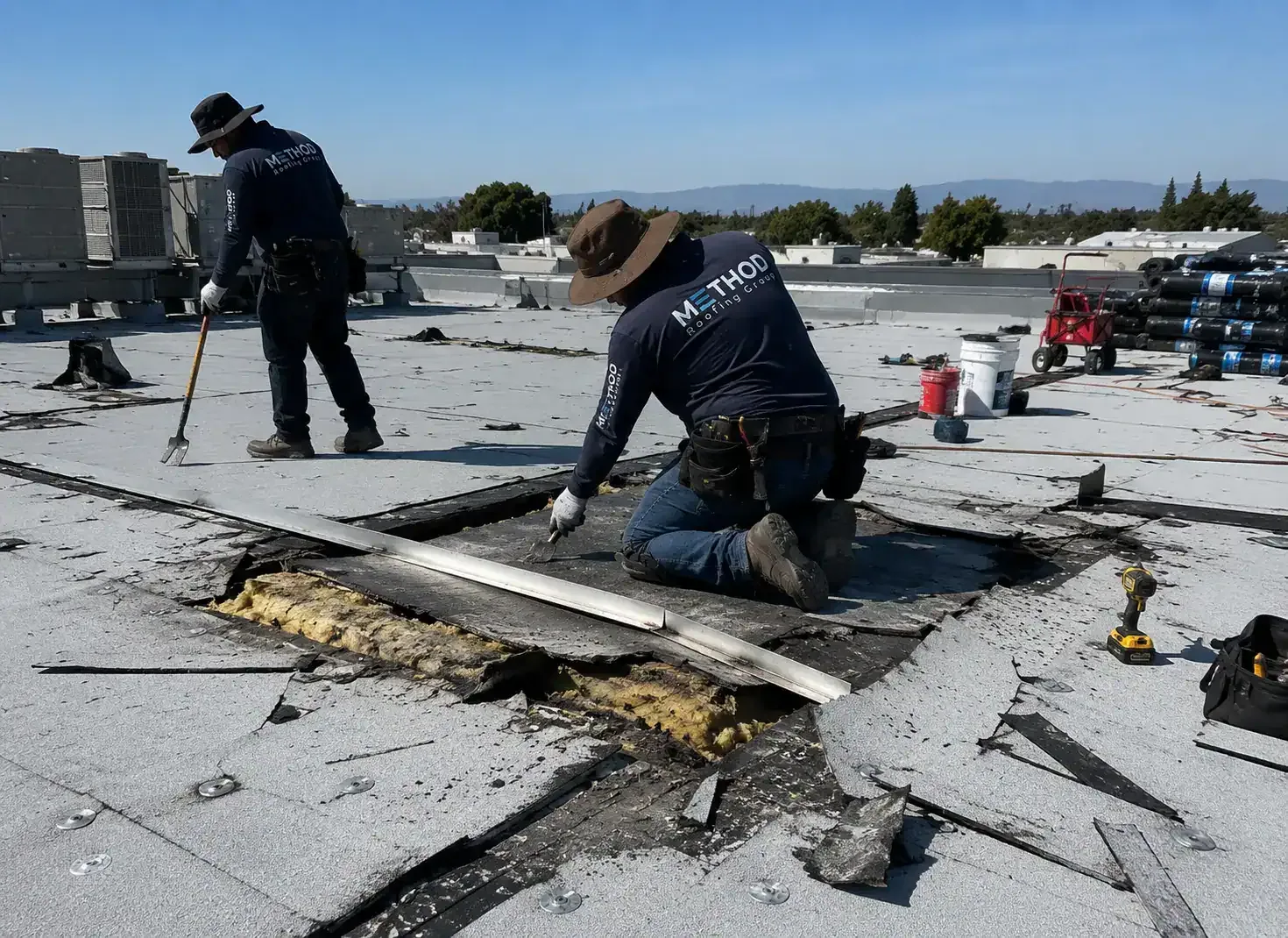
We compare the current observations with dated photographs, prior repairs, maintenance entries, and any earlier inspection map. Similar wear on an adjacent section may be relevant, but it does not prove that every area failed at the same time. The report labels visible damage, older deterioration, suspected water paths, and unresolved areas separately. When the distinction affects the repair scope, a test or additional record may be needed before concealed material is removed. The wind damage assessment can describe a related failure pattern, while the property record still controls what is known at this building. If the roof has several layers or broad wet areas, we compare recover evaluation and replacement planning only after conditions are mapped. The manager can then review the evidence, requested repair, and remaining uncertainty together.
Who approves testing and repair work?
Before opening a roof assembly, the manager should identify the person authorized to approve testing, temporary protection, and a change in repair quantity. We put the requested action, affected section, access needs, and expected disruption in a written scope. If occupied areas need interior protection, the site contact sets a route, staging point, and tenant notice. Cedarwoods Fullerton is an industrial warehouse project approved on East Orangethorpe frontage. At a claim property, the manager sets receiving hours and roof access. A capital planning record may preserve unresolved conditions for a later budget decision. We note whether an item is approved, deferred, or awaiting a test. That status prevents a temporary measure from being described as a completed permanent repair and gives the claim contact a clear record of the work actually authorized.
What should the repair documentation include?
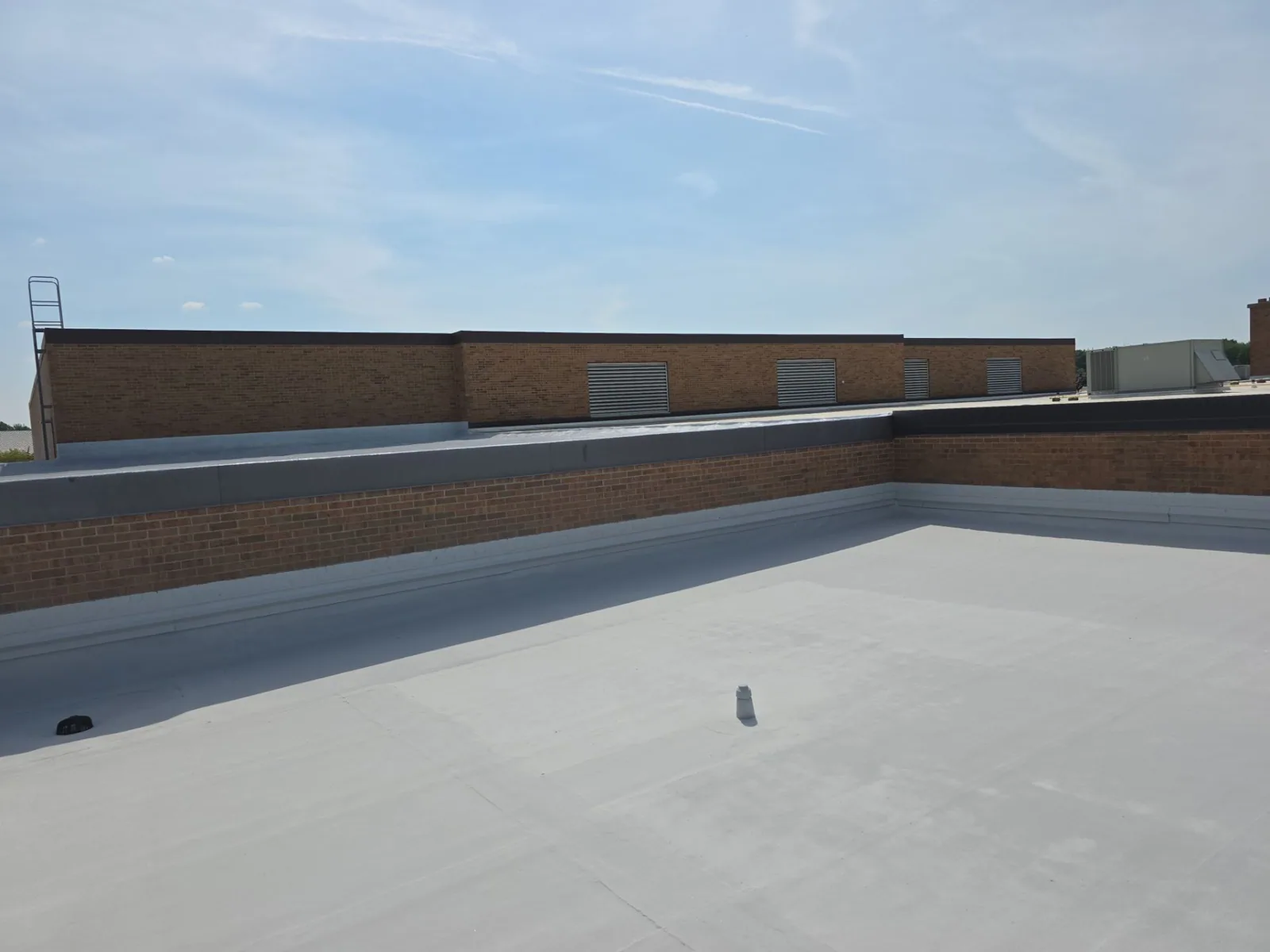
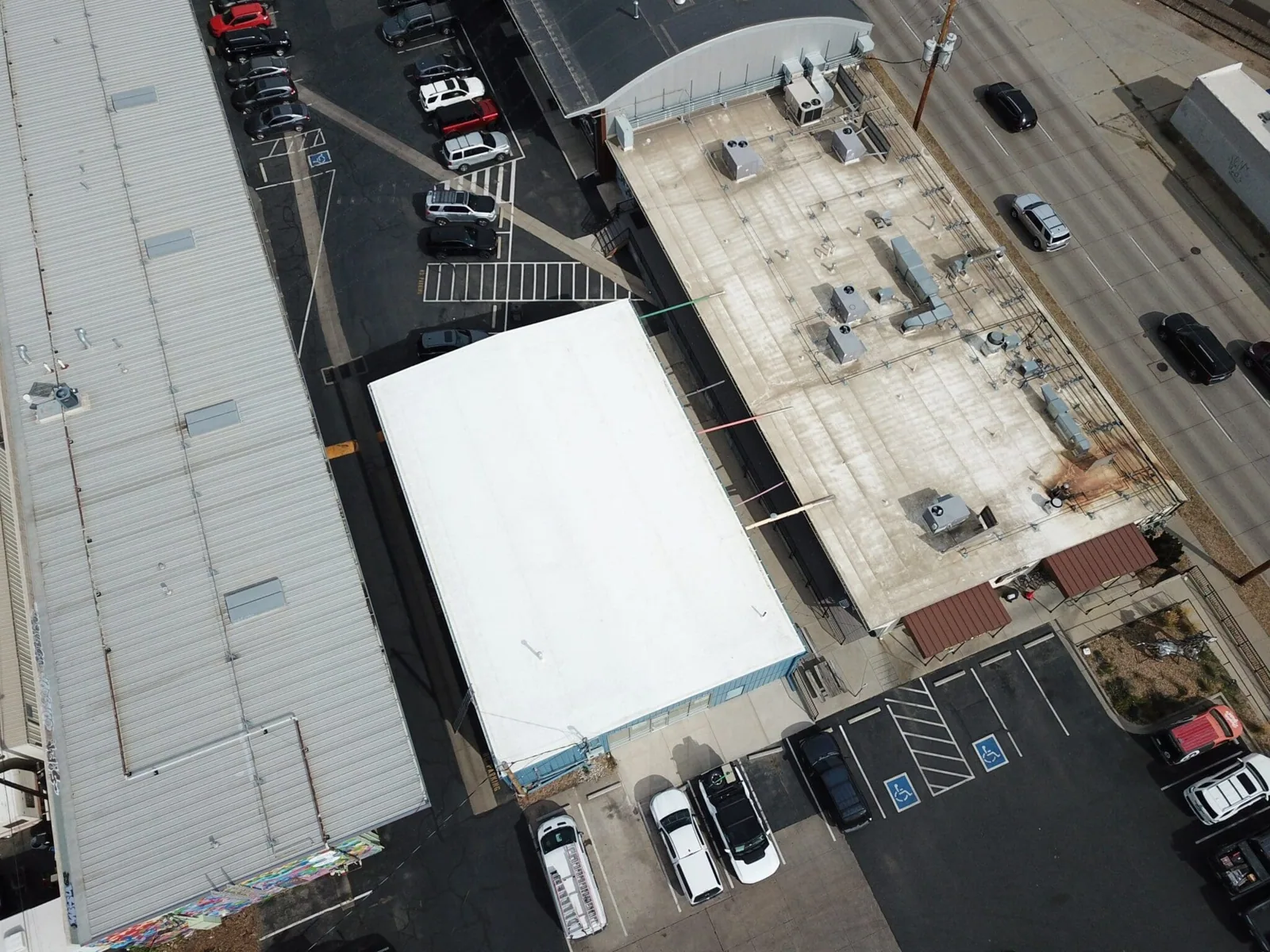
The closeout record identifies the roof material, repair location, preparation, materials installed, and any limits that remain. Before a damaged area is covered, the crew photographs the condition and approved repair boundary when safe and permitted. The manager receives the date, the work completed, and any item that needs a return visit or specialist. Where a temporary dry-in remains, the record states its location and the next inspection trigger. A focused repair scope can address a limited defect; repeated openings or widespread deterioration may need a different plan. We do not label an area fully resolved until the agreed checks are complete. The final map links the report to each roof section, and the file retains both original photographs and marked copies. This helps a reviewer distinguish the field observation from later annotations or claim summaries.
What belongs in the claim handoff?
The handoff should include the incident date supplied by the property, the roof map, original photographs, inspection notes, test results, approved scope, invoices, and closeout images. A separate line can show questions that remain open, such as a concealed condition or a repair area that could not be accessed. We can organize roofing observations and repair documentation, while the policy interpretation and coverage decision remain with the insurer and the policyholder's representative. The contact named in the file should know who receives new leak reports and when the roof is checked after rainfall. A maintenance visit can compare later conditions with the claim record. Downtown Fullerton and Commonwealth Corridor are separate local contexts; neither label substitutes for a building's own roof history. We deliver a concise status summary so the manager can see what was observed, what was repaired, and what still needs a decision. When another leak report arrives, add its room, time, rainfall context, and roof location instead of replacing an earlier observation. We can compare the new entry with the mapped repair boundary and note whether it follows the same path or appears elsewhere. A manager may need to preserve original message timestamps and attachments for the property file. The roofer can then inspect the stated area and update the condition record without treating a later report as proof of a second failure. If access or weather prevents a return inspection, the handoff states that limit and names the next safe opportunity.
Commercial Roofing Questions
Can a roofer decide whether an insurance claim is covered?
The roofing report describes observed conditions, tests, and completed work. The insurer and policyholder's representative handle coverage interpretation under the policy terms.
What if the roof was repaired before the inspection?
Share the repair date, photographs, work order, and materials used. We can document the current condition and identify which conclusions are limited because the original surface is no longer exposed.
Should testing happen before a damaged area is opened?
Photograph the visible condition first and identify who can authorize testing. The scope then names the location, opening method, protection, and documentation planned for concealed layers.
How are temporary repairs shown in the file?
The record labels the location, material, installation date, and limits of the temporary measure. It also states what permanent work or follow-up remains.
What should I send before scheduling?
Send the Fullerton address, incident date, roof plan, prior reports, access contact, tenant hours, and photos of reported impacts. We can identify missing records before the inspection window is set.