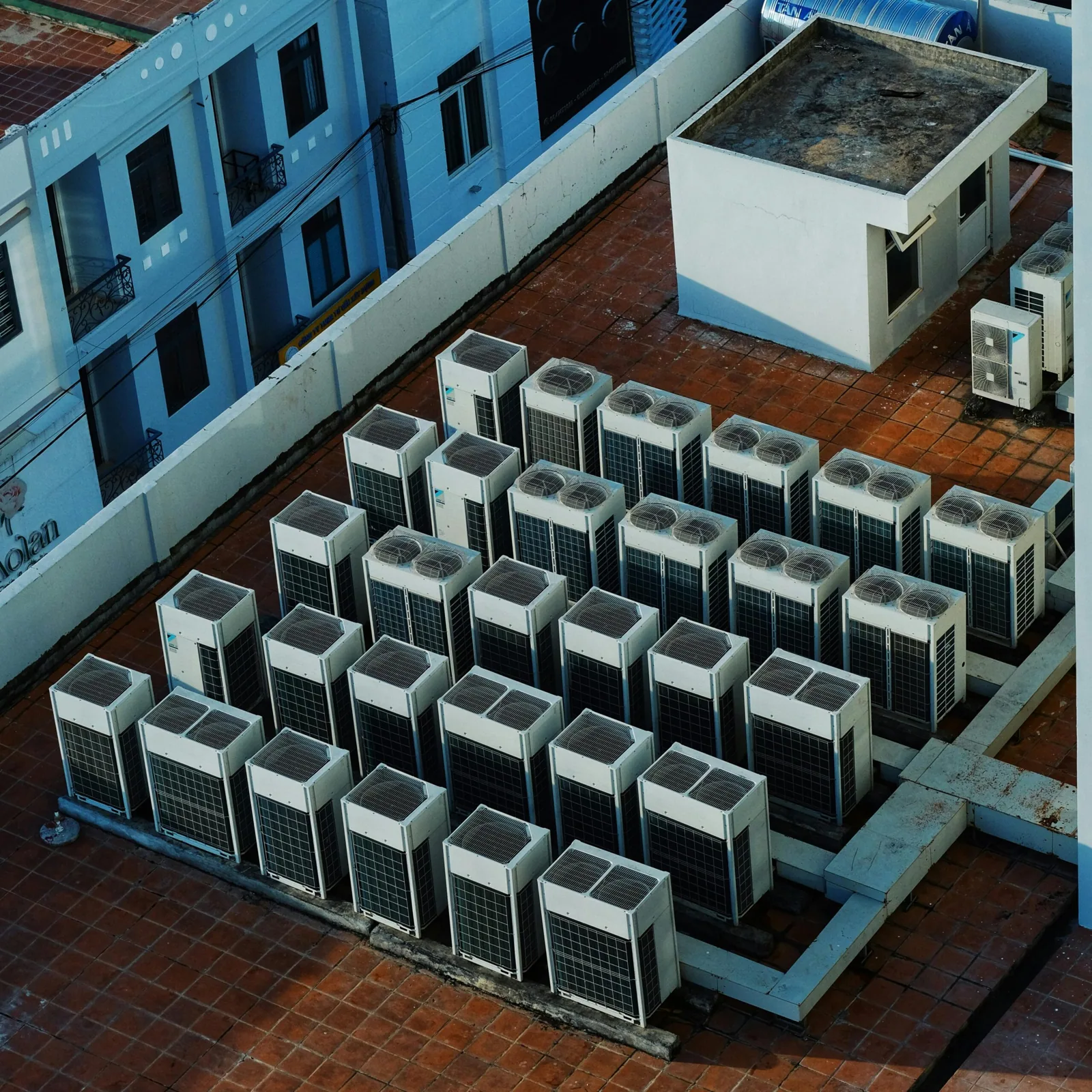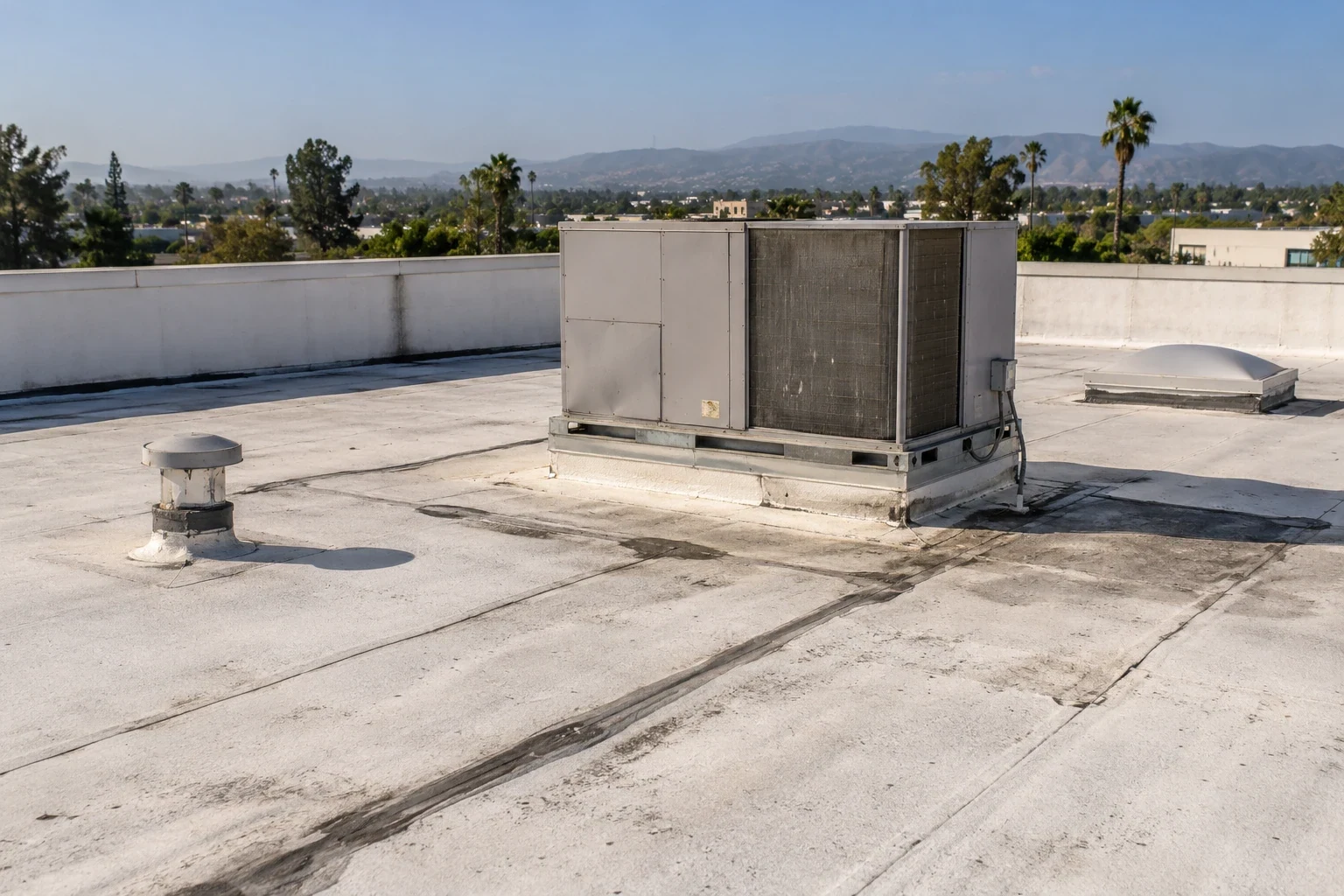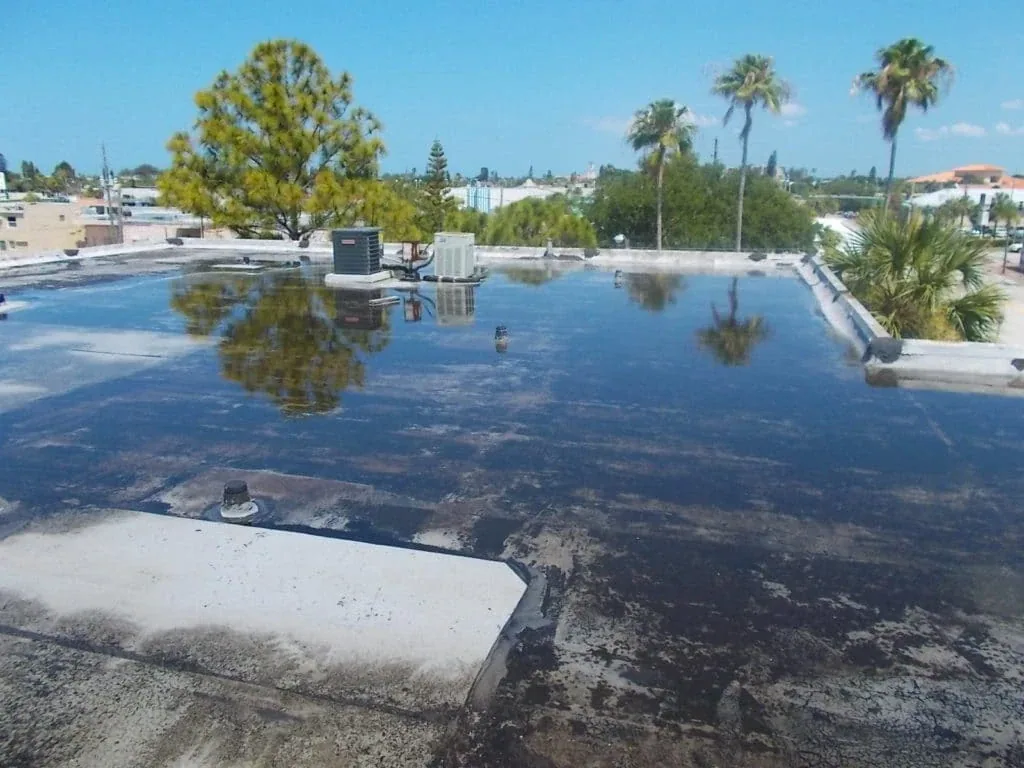

Coordinate restaurant roof repairs in Fullerton around exhaust curbs, kitchen access, delivery hours, drainage, and end-of-shift roof protection.
Roof leak, storm damage or an inspection coming up?
Restaurant exhaust, grease service, refrigeration, and customer hours can turn an ordinary roof repair into a coordination issue. The property manager needs the roof detail and the operating schedule in one plan. We begin with the leak report, roof access, kitchen exhaust layout, receiving route, and any prior work near a curb or duct. At Fullerton Municipal Airport, August normals show an average daily high of 86.7°F. For a restaurant roof, that is seasonal context; the current forecast, system condition, and required service window determine the safe sequence. Commonwealth Corridor and Downtown Fullerton contain varied uses, and the Transportation Center Specific Plan includes categories beyond restaurant and retail. Those planning records do not establish what is installed over a specific kitchen. We inspect the curb, membrane, drain path, and surrounding repair history, then identify the access contact and close-in point. A written scope can keep exhaust service and roof work on separate, understood handoffs.
How should kitchen exhaust curbs be checked?
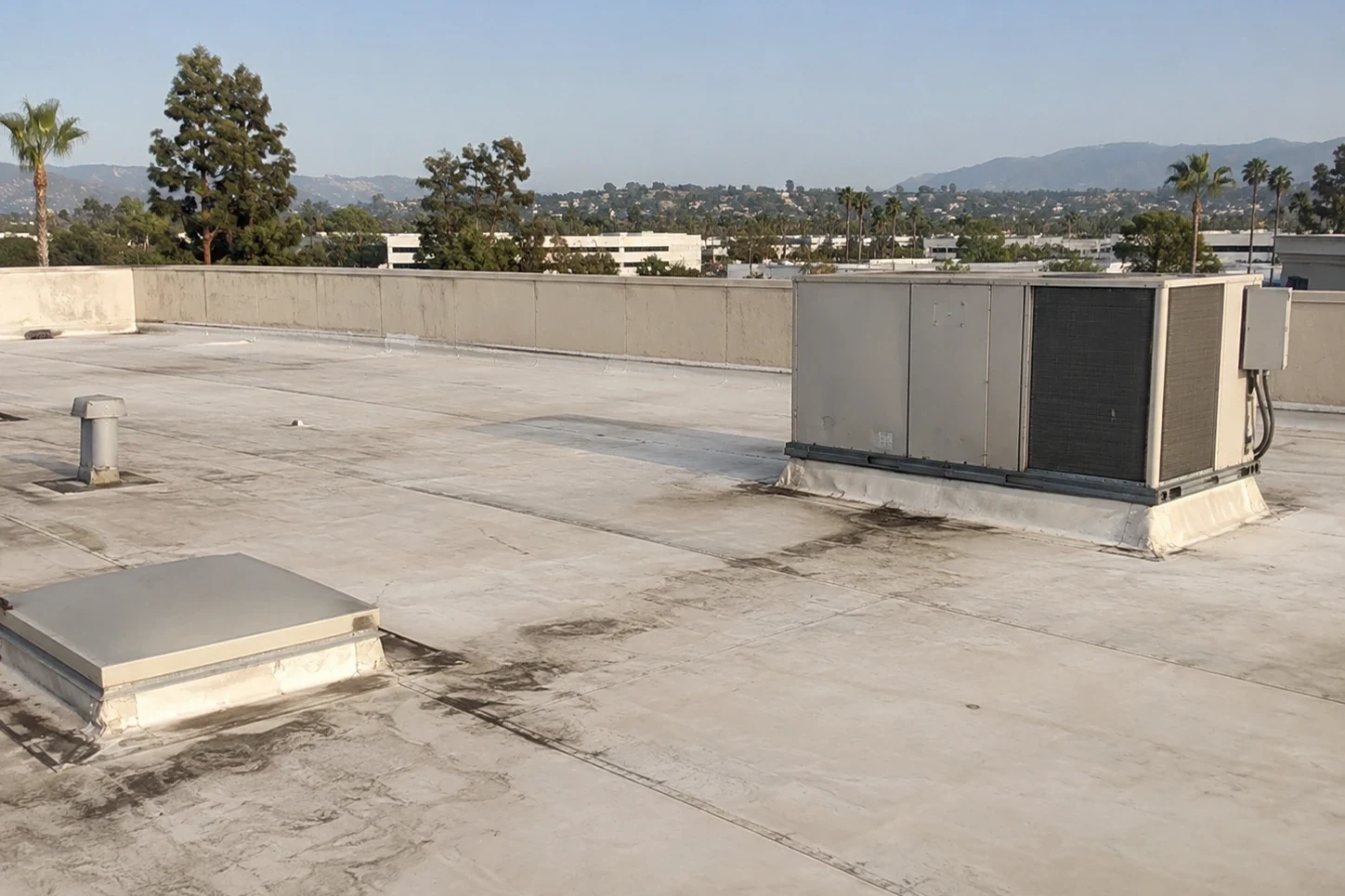
We inspect the curb corners, membrane termination, counterflashing, and sheet metal where the duct enclosure meets the roof. Grease residue or cleaning chemicals may affect a repair surface, so the scope notes what is present and how preparation will be verified. A hood or exhaust unit may need the kitchen equipment contractor to disconnect or protect it before roofing work. We do not ask a roofing crew to alter an operating system without an agreed trade handoff. If the leak appears below the exhaust, we compare the interior report with the curb and drainage path before naming a cause. A curb and support inspection can record the membrane detail, equipment status, and any access needed above the kitchen. The manager should identify a shutdown window only if another trade confirms it is required.
Can roof work fit between meal periods?
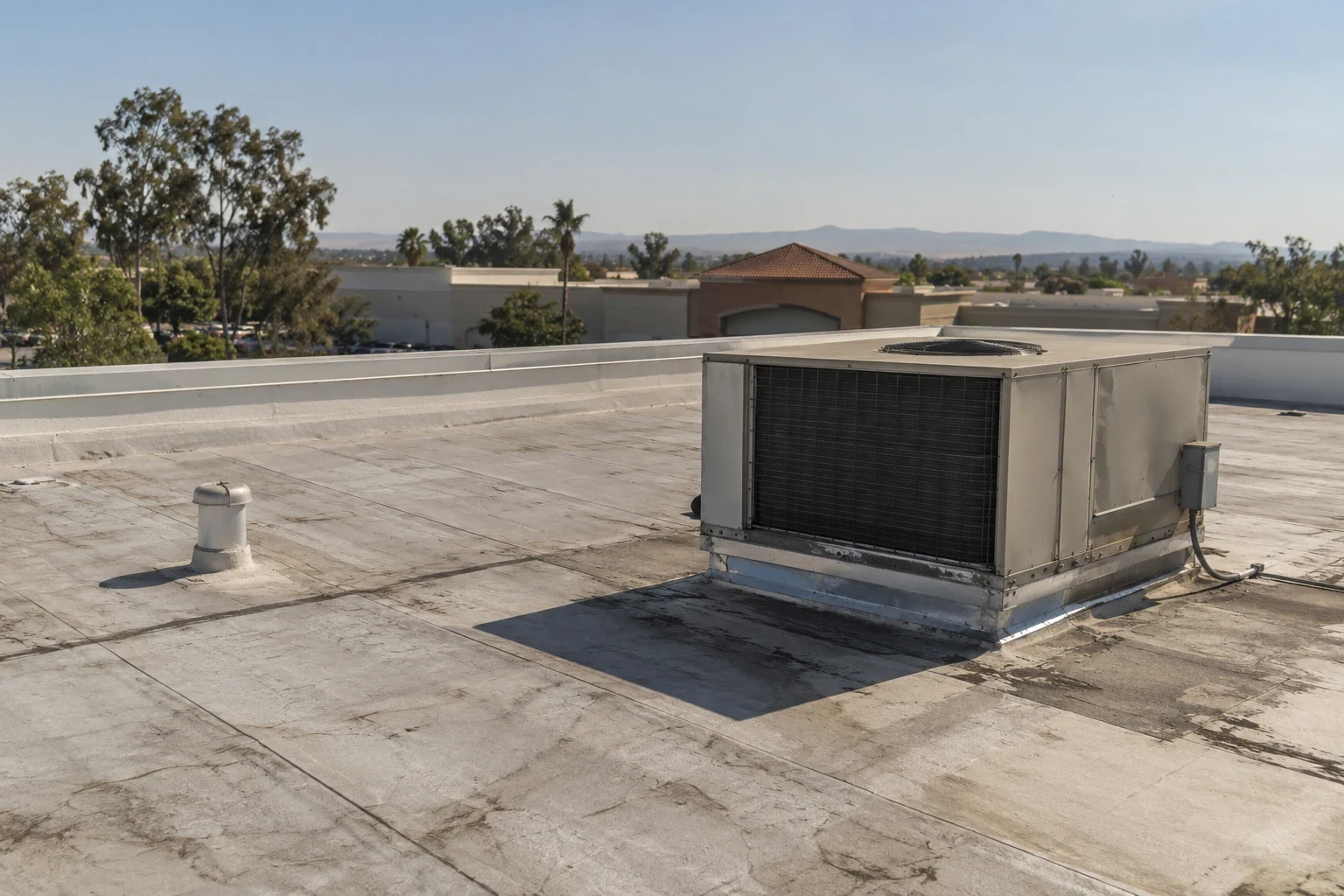
The restaurant contact identifies prep hours, service periods, deliveries, waste collection, and the kitchen exhaust schedule. We use those constraints to set equipment arrival and keep a lift or material pallet away from active routes. A short visit may focus on inspection and documentation; a repair can require a longer window for surface preparation and closure. If noise or odor from the selected material could affect dining or food handling, the scope names the control and the manager confirms the acceptable time. A weather hold may shift the sequence, so the crew protects each open edge before leaving. We record the section completed and the next access decision in a handoff note. A phased occupied-building plan can separate kitchen, dining, and service-side work rather than treating the building as one undifferentiated area.
How do we trace water around drains and parapets?
Water may enter at a drain bowl or curb, travel beneath the sheet, and show at a kitchen ceiling far from the roof opening. We compare the interior location and timing with drains, scuppers, wall transitions, and equipment supports. The roof walk checks strainers, clamping rings, membrane terminations, overflow paths, and any low area near the exhaust. A blocked line may need a plumbing trade; a separated flashing is a roof condition. We photograph the detail and mark its section on the plan. The drain and scupper inspection can define what is roof work and what needs another contractor. If grease or wash water is observed near an exhaust curb, we record the condition without assuming it caused the leak. The leak investigation then follows evidence from interior report to roof detail.
Which roof repairs can tolerate exhaust conditions?
The right material depends on the existing membrane, surface condition, compatibility, and exposure near the duct. We identify the assembly at an accessible edge and review repair records before selecting a tie-in. A coating may need cleaning and adhesion testing; a sheet patch needs sound material and a compatible weld or bond. The proposal should state how the repair boundary will be prepared and what happens if the substrate is not as expected. A surface that has been exposed to grease or repeated service work may need more preparation than a clean field seam. We document the test area and let the owner approve a broader application only after the result is reviewed. A perimeter and flashing review can include transitions where the kitchen addition meets the main roof. Material selection follows confirmed conditions, not the restaurant label alone.
How should a repair be compared with a larger roof project?
A bounded repair can solve an isolated failure if adjacent material is stable and moisture has not spread beyond the proposed limit. Repeated leaks near multiple curbs, widespread wet insulation, or declining seams may justify a broader comparison, but each sign needs a map. A recover can add height at drains and parapets and may affect equipment curb clearance. Replacement reaches more of the assembly but brings staging, disposal, and a longer sequence near occupied spaces. We state measured quantities, exclusions, and any testing needed before a final scope. The manager can separate immediate leak containment from budget planning. For a center with several food tenants, the shopping-center roof plan can coordinate multiple access contacts, while a grocery roof review addresses refrigeration and delivery needs. Those are different operations even if a roof field connects them.
What does Fullerton's climate change in the work plan?
Fullerton's long-term station record counts 39.4 days a year at 90°F or above, while summer rain remains sparse. Kitchen hours and the actual roof temperature still set the application sequence. Hot exposure can affect crew pace and the material window, while the forecast determines whether a roof can be opened. We schedule sensitive installation steps for conditions allowed by the selected system instructions and protect the assembly at each shift boundary. In Downtown Fullerton or the Commonwealth Corridor, a restaurant's operating schedule still comes from its manager, not a city map. If a weather hold interrupts work, the site contact gets the affected roof section and next decision. That keeps kitchen operations and roof protection aligned without assuming the climate record predicts a local storm.
What should the restaurant manager receive at closeout?
The closeout record should show the roof section, curb or drain repaired, material installed, dated photos, and any trade handoff still open. We note whether the exhaust system remained available and whether a later mechanical adjustment is required. A marked plan helps the next maintenance visit reach the same detail without stepping over kitchen equipment or guessing which duct was involved. Keep the report with hood-service and roof tickets when the facility uses separate vendors. The manager should know which test was performed, what it confirmed, and where the repair limit ends. Share the restaurant address, roof plan, leak history, exhaust equipment list, delivery hours, and access contact. We can then set an inspection route and identify any needed window with the kitchen team before work begins. A future service call can compare new reports with the exact boundary documented at closeout.
Commercial Roofing Questions
Can roofing work happen while a restaurant is open?
Often, if the staging area, kitchen access, noise window, and close-in plan are agreed with the manager. A shutdown is scheduled only when the responsible trade confirms it.
Does grease around a curb prove it caused a leak?
No. We document residue and inspect the membrane, curb, and interior report before assigning cause or specifying preparation.
Can a roof patch be installed beside an exhaust duct?
It can be considered after the assembly and surface are identified. Equipment protection and any mechanical disconnection are coordinated with the appropriate trade.
Should a restaurant replace its roof after repeated kitchen leaks?
Repeated reports call for a mapped investigation. We compare verified conditions and moisture evidence before recommending repair, recover, or replacement.
What should I provide before the roof visit?
Send the roof plan, exhaust and refrigeration equipment list, leak history, delivery schedule, dining or prep constraints, and roof access contact.