
Plan grocery roof repairs and replacement in Fullerton around refrigeration equipment, receiving windows, drainage, and store access.
Roof leak, storm damage or an inspection coming up?
A grocery store roof has openings tied to refrigeration, kitchen exhaust, electrical service, and frequent maintenance visits. A leak near a cold room can disrupt inventory decisions before the membrane is visible, so the facilities lead needs a fast but bounded inspection plan. We ask for roof drawings, refrigeration equipment IDs, leak reports, receiving hours, and roof-access rules. Fullerton's August normal mean daily maximum is 86.7 degrees F; heat can affect a repair window, but the assembly and forecast control actual work. City planning materials include the Commonwealth Corridor and Downtown Fullerton as defined geographies. The Transportation Center Specific Plan area includes retail and restaurant uses alongside other building types. We use those district references to plan the visit, then follow the store's receiving schedule and roof-access rules. The roof walk maps drains, curbs, duct supports, and transitions before a repair quantity is approved. We coordinate the route with the store contact who can release equipment access and protect service operations.
How do refrigeration lines and curbs affect roof flashing?
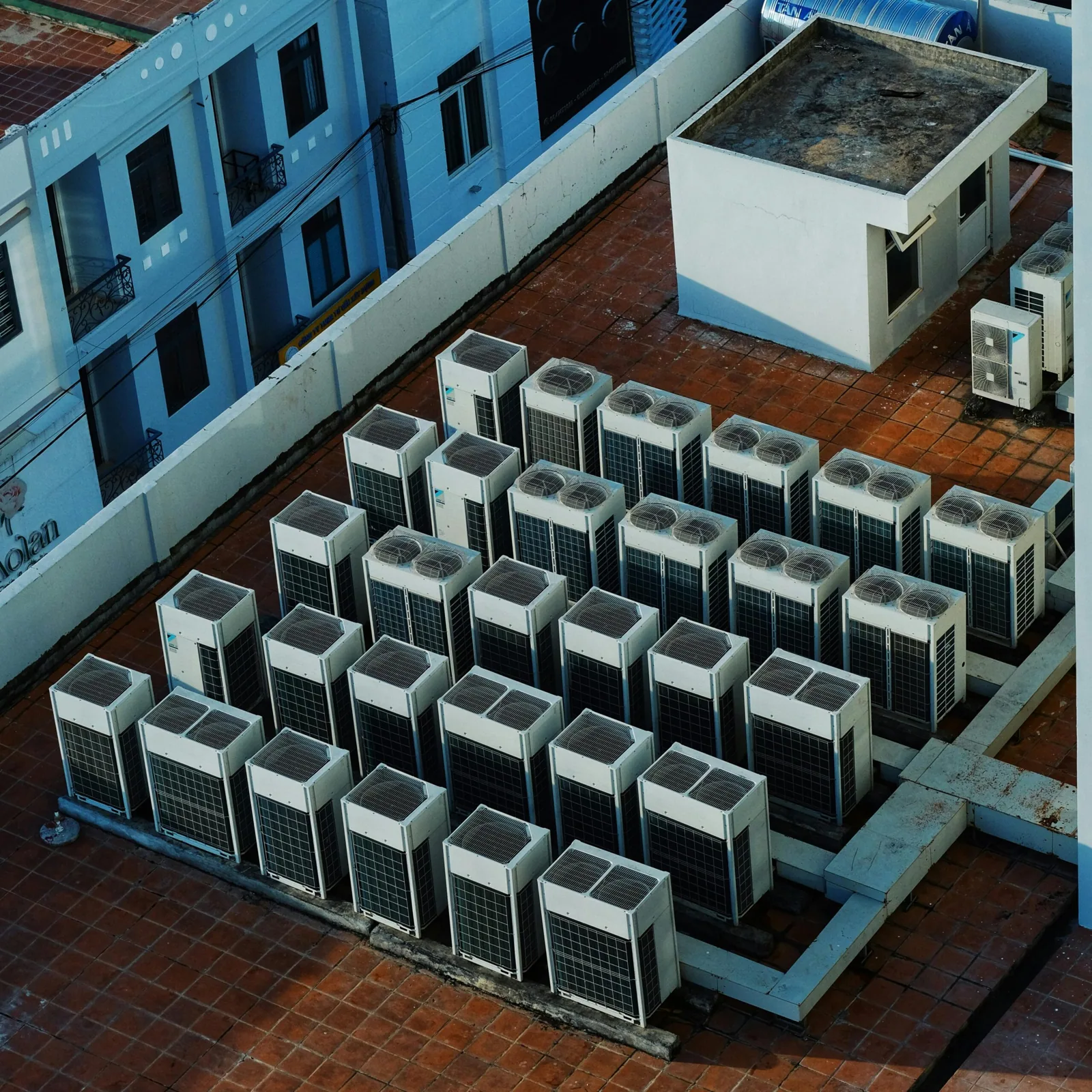
Refrigeration piping, electrical conduit, and equipment stands can cross the membrane through separate details. We identify each curb and penetration, then inspect the boot, counterflashing, support, and nearby lap. If the line set shifts or a unit must be moved, the refrigeration contractor needs to coordinate before a roof tie-in is closed. We label equipment by the store's asset number where available rather than write a vague note such as 'near freezer.' A leak below a refrigerated space still needs an interior path review; condensation or plumbing can mimic a roof entry. We photograph the roof side and note any location hidden by a screen or platform. The curb and support assessment separates roofing repairs from mechanical adjustments and states the handoff required before the crew seals the opening.
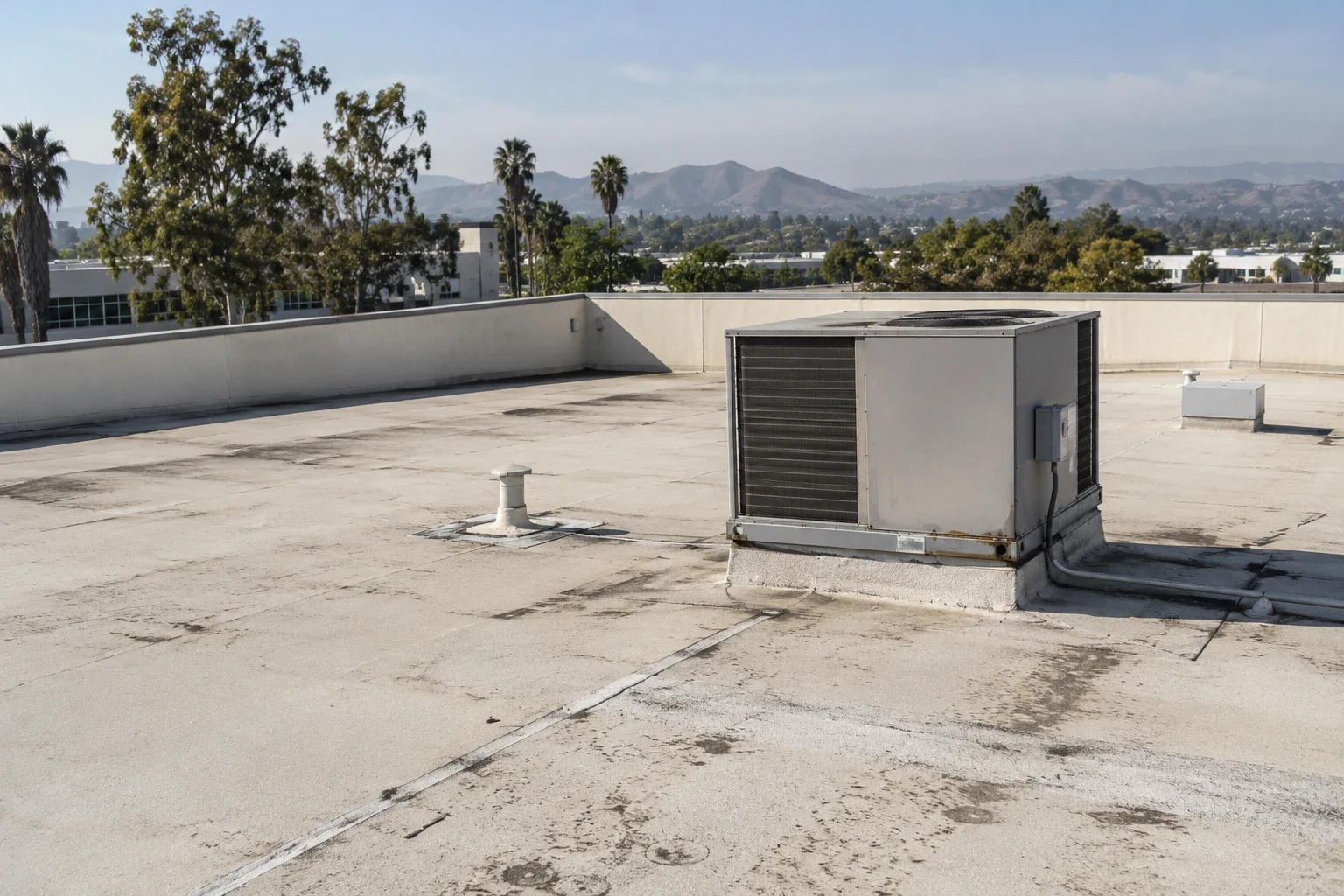
What changes above a cold room or freezer?
A cold storage area may place different temperature and vapor-control demands on the assembly than the surrounding sales floor. We review available details for insulation, air barrier continuity, penetrations, and the roof-to-wall transition. The actual construction must be confirmed from records or an approved test; the room name alone does not reveal the roof layers. If condensation is suspected, the team coordinates with refrigeration staff to compare interior conditions, equipment cycles, and roof observations. A patch should not conceal an unresolved source or block a future test. We mark the area, document the method used, and note whether the repair boundary reaches sound material. The cold-storage roof review can help the manager compare that zone with general retail roof areas. Store staff should identify product protection requirements before any ceiling or insulation opening is scheduled.
Where can water collect around a grocery roof?
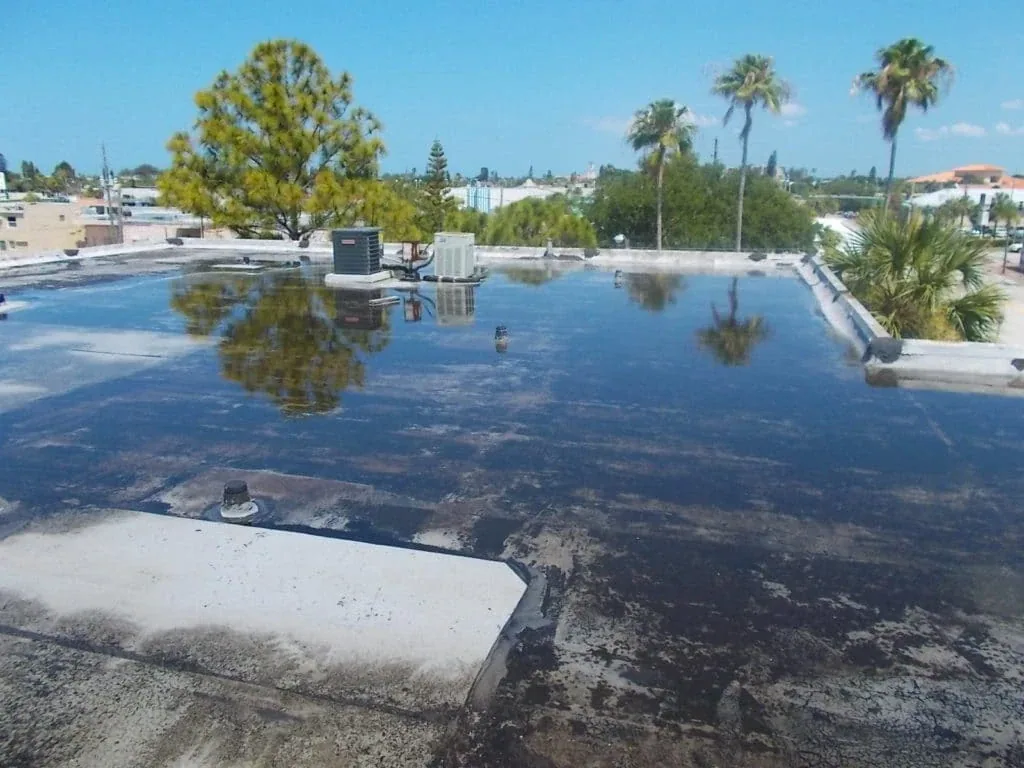
Long membrane runs, curb clusters, parapets, and low areas may direct water toward outlets that are partly hidden by equipment. We follow the slope to each drain or scupper, check strainers and clamping areas, and record the overflow path. A stopped conductor may need plumbing service; a separated drain flashing needs a roofing detail. We note whether standing water cleared after the prior weather event and avoid treating one observation as proof of structural movement. If an interior report is near a produce case or cold room, we compare the ceiling location with the roof plan and possible pipe routes. The repair boundary should cover the failed transition, not simply the wet spot. A drainage inspection can be paired with a leak investigation so the store has one map of both observations and proposed work.
How can roof work fit between deliveries?
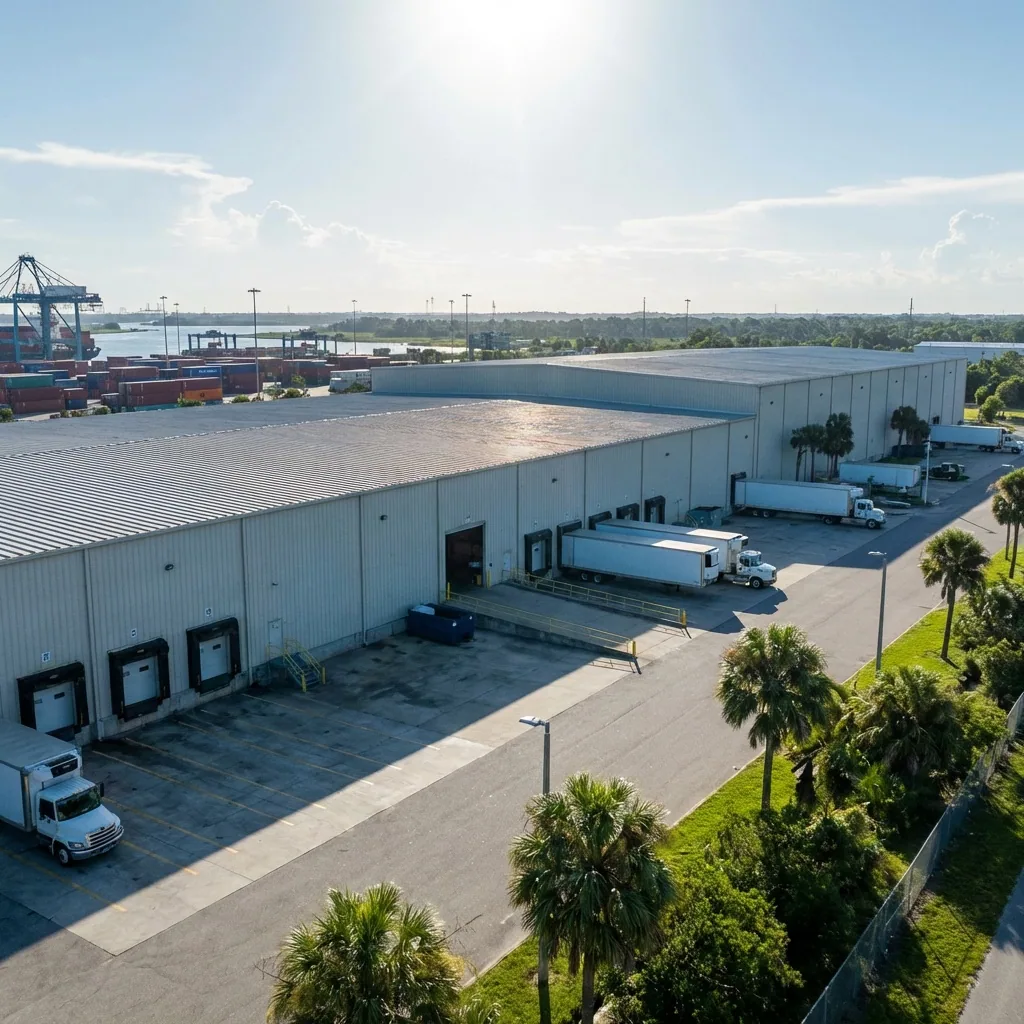
The receiving schedule influences lift placement, dumpster location, material delivery, and the walk from a dock to a roof hatch. The store contact marks truck windows, compactors, service lanes, and doors that cannot be blocked. We choose a staging point that does not push a crew through customer circulation or interfere with an emergency route. If work is noisy or requires an exclusion zone, the property manager can set a low-traffic period and notify the departments affected. A grocery store may keep critical equipment operating throughout a roof task, so the plan identifies units that must remain accessible and who can authorize temporary coordination. The daily handoff records the completed section and next opening. The shopping-center access plan can address a multi-tenant property where the store shares loading or roof routes with neighboring businesses.
When is a localized repair enough?
A repair can be appropriate if the defect is bounded, nearby membrane remains stable, moisture is limited, and compatible materials can be installed. A single seam opening near a curb differs from widespread wet insulation or repeated failures around several penetrations. We map each condition and state which area was not tested. If concealed moisture could change the scope, the owner can authorize a scan or test opening with an agreed patch method. The report identifies the test location and what the result does not establish beyond that point. A recover adds layers and can change drain height, equipment curb exposure, and perimeter metal. Replacement reaches more of the assembly but involves staging, disposal, and a longer work sequence. The manager can review a recover option alongside replacement planning, using the same section map for quantity and access assumptions.
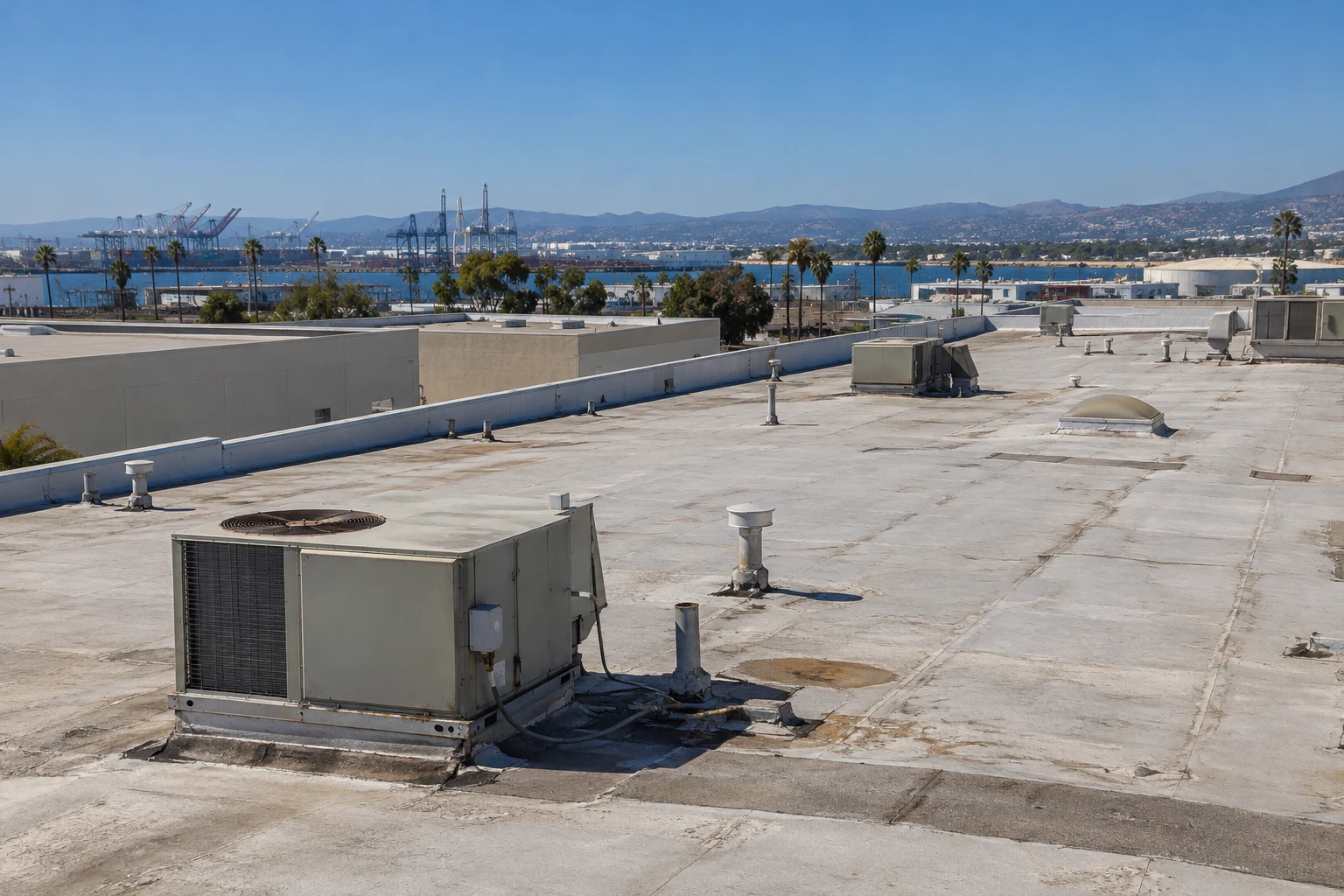
How should heat guide a grocery roof work window?
Heat can affect worker pace, material storage, and the handling or curing window for selected products. We look at the current forecast, roof exposure, system instructions, and the hours the store can release access. Fullerton's normal shows 39.4 days in a typical year with highs at or above 90 degrees F; schedule sensitive work around current roof exposure and material instructions. A morning work window may suit a sensitive detail, while inspection or documentation can continue later if safe. The crew identifies the close-in point before opening a seam or insulation layer. If wind or weather changes the plan, the manager receives the affected section and the action needed before restart. For stores along Orangethorpe Avenue or in the Commonwealth Corridor, the receiving manager confirms delivery windows and equipment access before staging. The Orangethorpe Avenue corridor gives local orientation; the store contact supplies its delivery window and equipment path.
What records help the next store maintenance call?
The closeout file should contain a marked roof plan, dated photos, material notes, repair dimensions, test results, and the status of each equipment handoff. We identify which penetration or drain was reached and what area remained hidden. If the refrigeration contractor must finish a support adjustment, that item stays open with an owner and next step. A future inspector can then compare the same equipment label instead of searching for a general description. The manager may keep the report with refrigeration service logs and roof maintenance tickets, so recurring calls can be traced against the same section map. Share the store address, roof drawings, leak log, asset list, and delivery windows. We can establish the inspection route and document the questions that remain. For a Fullerton store near the Transportation Center or North Industrial Focus Area, the property contact confirms the address, loading entrance, and equipment path.
Commercial Roofing Questions
Can refrigeration equipment be moved for a roof repair?
It may need coordination with the refrigeration trade. We identify the curb and support, then agree on who moves equipment and who completes the roof tie-in.
Does a leak above a cold room always come through the roof?
No. Condensation, plumbing, and equipment drains may also contribute. We compare interior timing with roof and mechanical observations before assigning cause.
Can roof work happen during store hours?
Often, if the staging point, dock access, customer routes, and work zone are approved. The daily plan keeps an active section protected before the crew leaves.
Should the roof be replaced after one leak?
Not automatically. We map the defect, nearby membrane, and any moisture evidence before comparing a bounded repair with broader options.
What information helps schedule a survey?
Provide the roof plan, refrigeration asset list, leak history, receiving windows, and roof-access contact so the inspection does not interrupt service routes.