
Assess heat and ultraviolet exposure on commercial roofs in Fullerton, document material changes, and compare repair with renewal.
Roof leak, storm damage or an inspection coming up?
Repeated sun exposure can change a roof surface, but chalking, fading, cracking, or brittleness should be tied to the actual assembly before a repair is chosen. Start with the roof age and product records, then map where the change appears and compare it with shaded or protected areas. Check seams, penetrations, drains, and prior patches for related symptoms. NOAA's 1991 to 2020 Fullerton station normals report frequent hot days; the statistics describe climate patterns, not a surface temperature or diagnosis at one building. Southeast Industrial Focus Area and Commonwealth Corridor are broad local contexts; neither predicts roof condition or heat damage at a specific building. A qualified inspection should describe visible deterioration, inaccessible areas, and any test needed to distinguish coating wear from membrane failure.
What surface changes should a roof inspection document?
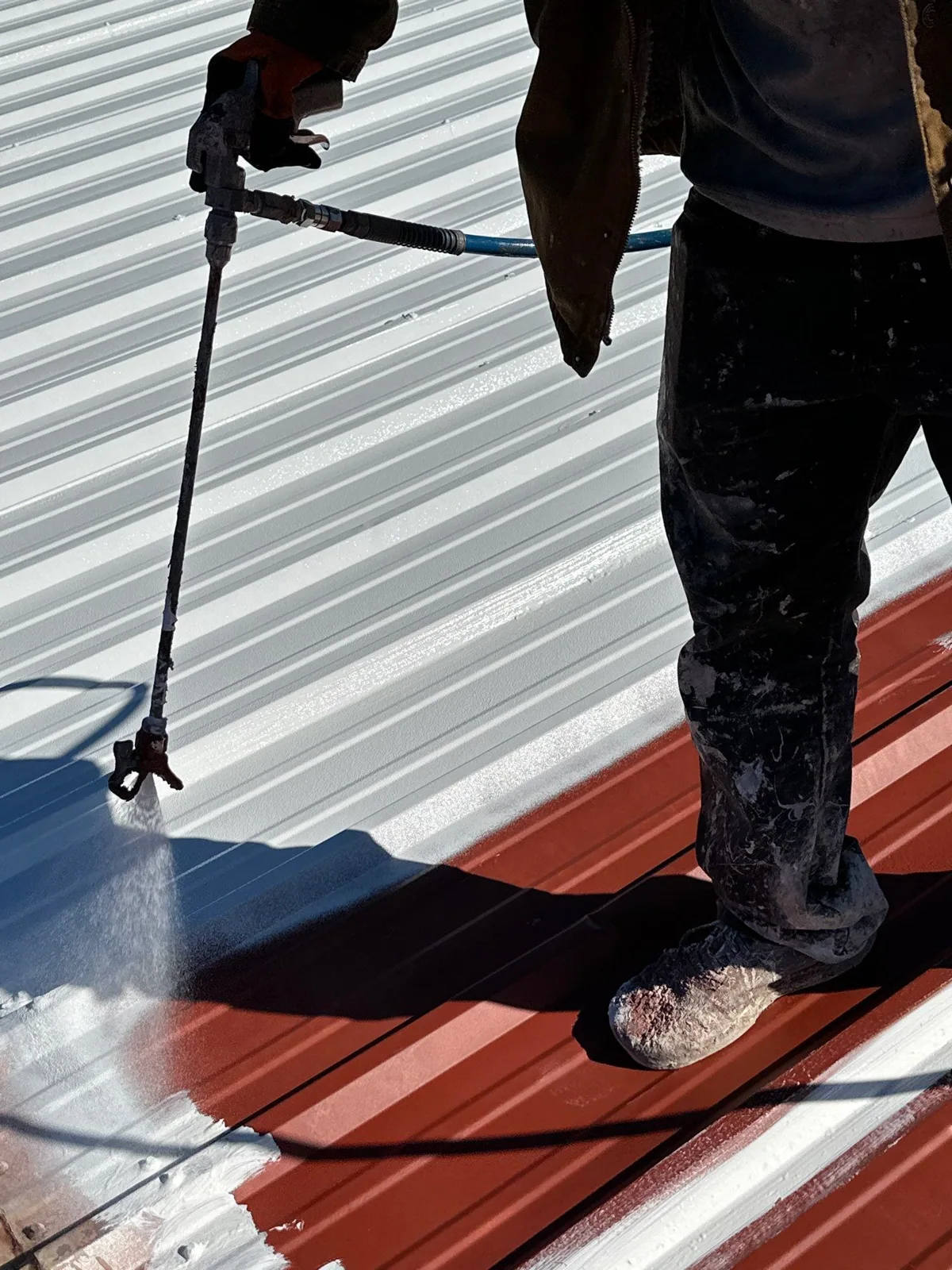
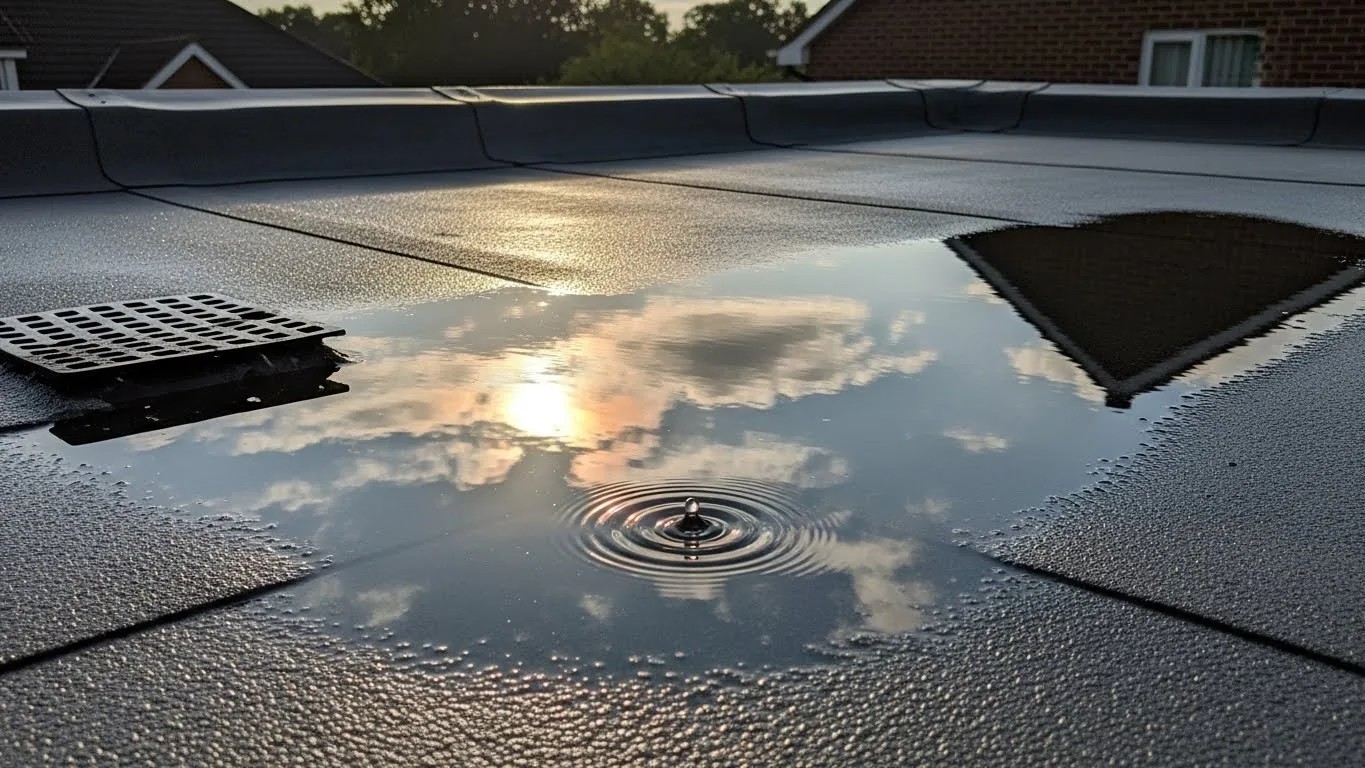
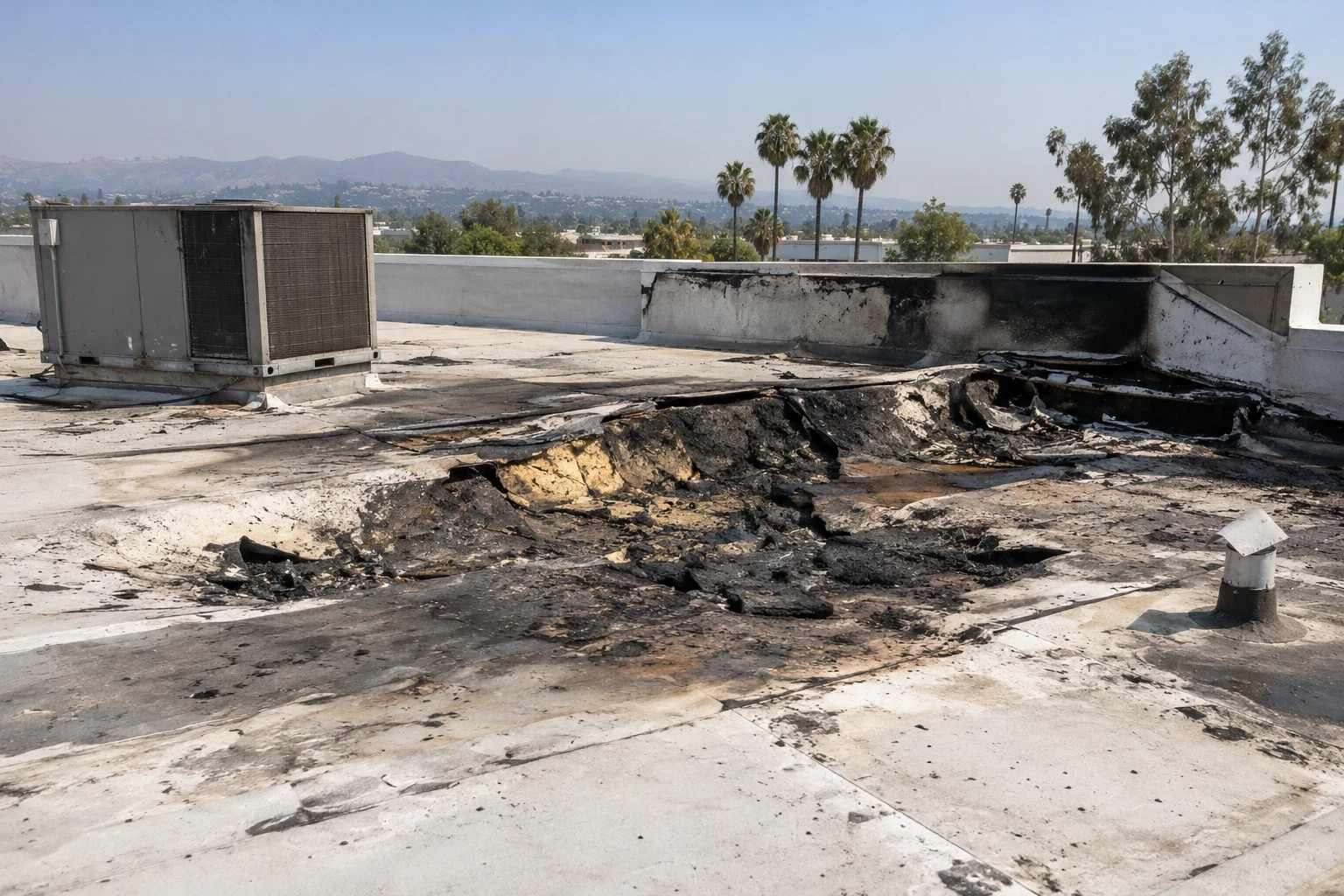
Record chalking, loss of coating, exposed reinforcement, surface cracking, shrinkage, open laps, brittle flashings, and deterioration around penetrations. Map the observed pattern rather than calling an entire roof failed from a few locations. Note whether damage is concentrated at unshaded sections, ponding areas, traffic paths, or different membrane colors. Photograph each condition under consistent lighting and include the roof-plan label. If a coating is present, review its application records and maintenance limits before considering another layer. A roof survey can establish extent; a coating review should confirm substrate and adhesion conditions instead of relying on appearance alone.
How should local climate information be used in repair planning?
Long-term station normals can help a property team understand seasonal heat and rainfall patterns, but they cannot set a work-day forecast, measure membrane temperature, or establish the cause of a defect. NOAA's Fullerton Municipal Airport normals report July and August mean daily highs of 84.4°F and 86.7°F and annual precipitation of 11.86 inches. Those values describe the station record. The crew must still check current weather, surface condition, product temperature limits, and cure instructions. Schedule a coating or adhesive operation only when the manufacturer's conditions can be met. Avoid adding a climate statistic to an estimate as if it predicted roof life; installation records and direct observations matter more for that decision.
How do different roof systems respond to prolonged exposure?
System design and maintenance matter. A thermoplastic sheet, EPDM membrane, asphaltic roof, metal panel, or fluid-applied coating has different surface indicators and repair procedures. Verify the actual layer sequence and whether a prior recover changed the assembly. A silicone coating assessment differs from a fluid-applied acrylic review; neither should be selected solely because the surface looks aged. Check adhesion, seams, penetrations, drainage, and the warranty language. When the product history is uncertain, identify that gap before proposing a compatible material. Keep manufacturer guidance in the project file for the exact assembly and application conditions.
What repairs can address localized heat or ultraviolet deterioration?
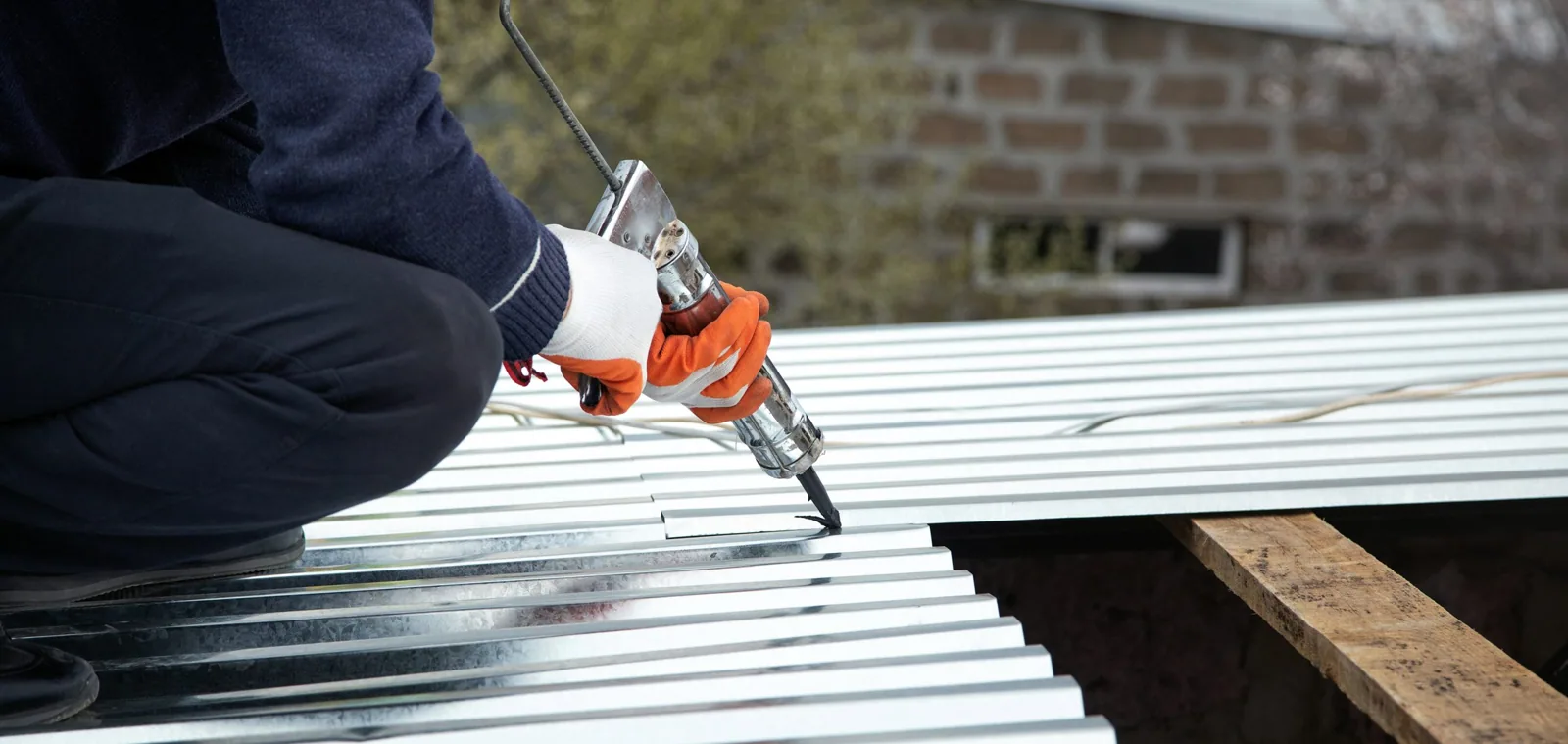
A localized repair may suit a discrete open seam, worn penetration flashing, or isolated coating defect if the surrounding material remains compatible and sound. The scope should define preparation, reinforcement, patch dimensions, coating thickness when specified, and inspection criteria. Replace brittle accessories when the system detail calls for it rather than coating over a movement point. If the membrane is cracked across broad areas or the substrate shows moisture, a small patch may not address the condition. A seam evaluation or flashing repair review can isolate those details. Document why the repair boundary stops where it does and what should be monitored afterward.
When is a broader restoration or replacement study appropriate?
Compare the mapped deterioration with service records, leak history, warranty limits, drainage, insulation condition, and intended hold period for the building. If defects are widespread, request separate alternatives for restoration, recover, and replacement with stated assumptions and testing. A recover evaluation should identify existing layers, attachment, and added load; a replacement option should state removal limits and substrate allowances. Price alone cannot resolve whether an assembly is suitable. For permit timing, verify Fullerton's local amendments to the adopted 2025 California Building Code; the City lists January 1, 2026 as the effective date for the 2025 codes. Project review and permits still depend on the specific scope and authority having jurisdiction. Ask the authority having jurisdiction to confirm applicable requirements before award.
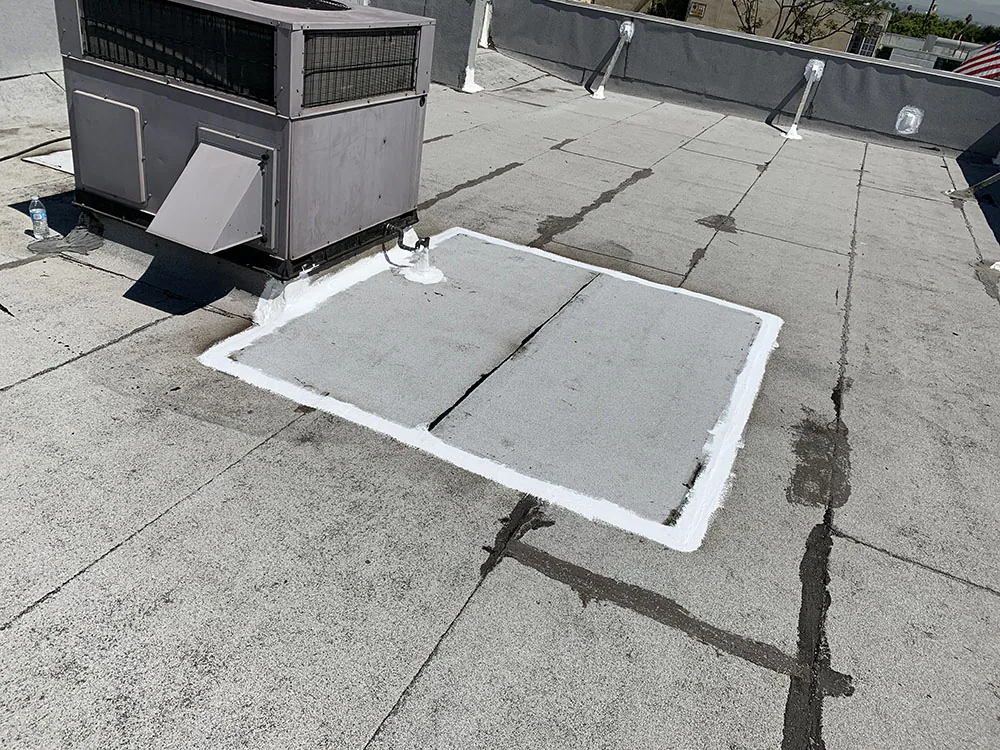
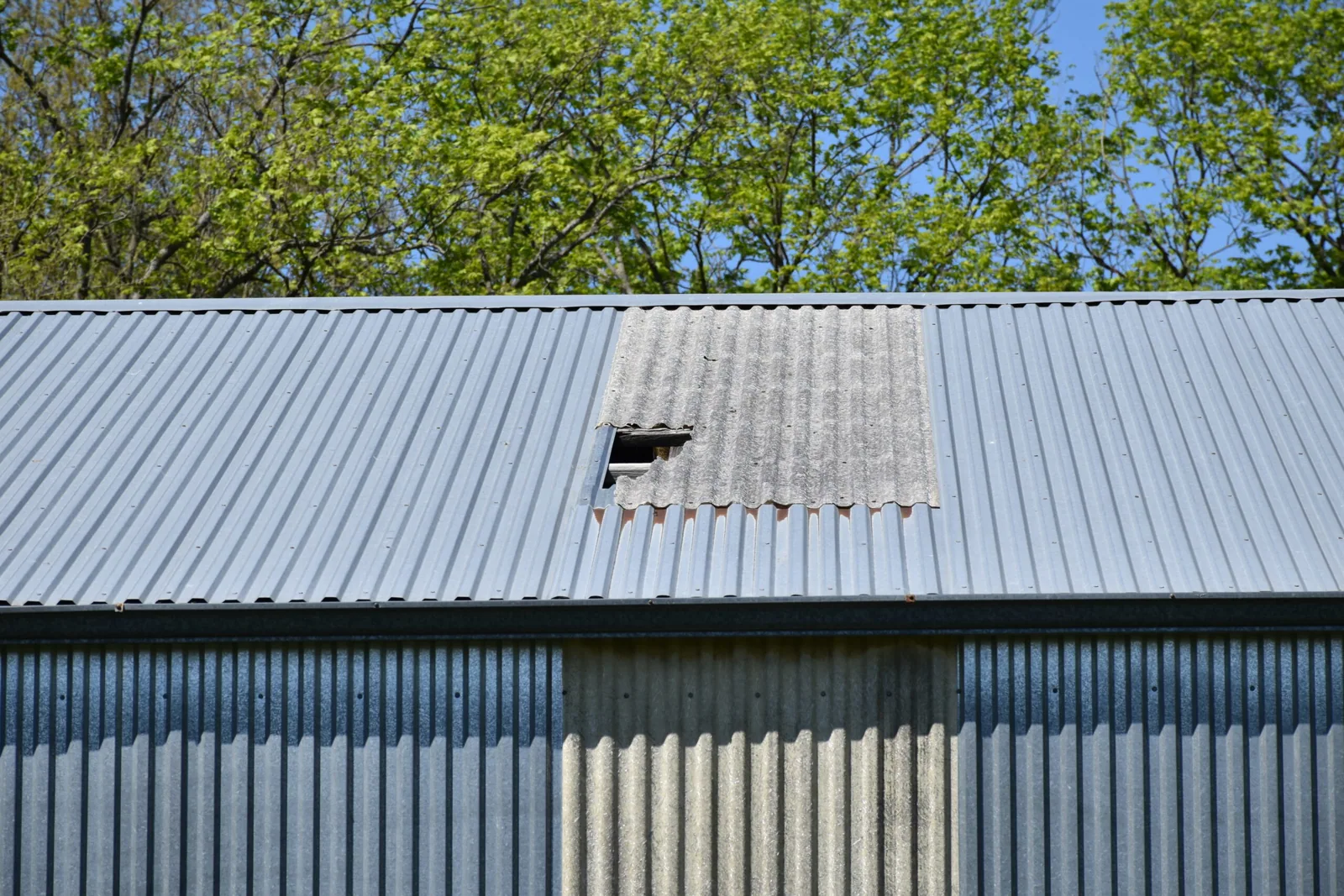
How can a facility manage exposure-related roof maintenance?
Use repeatable inspection locations and record dates, weather, roof zones, patch history, and surface changes. Keep drains clear and protect traffic routes where maintenance teams or other trades access the roof. After equipment is added or moved, inspect nearby flashings and supports for new stress. A planned maintenance visit can revisit those details and flag changes without forecasting a service life. Compare photographs over time and let the owner decide when a broader capital review is warranted. The city's Commonwealth Corridor and Southeast Industrial Focus Area are geographic contexts only; they do not define roofing needs at an individual property.
What should be included in a heat-related roof assessment?
List each material observed, areas inspected, test methods, access limits, and the evidence behind recommended work. Separate surface appearance from confirmed openings and suspected moisture. Provide photos and a marked plan that let a second reviewer locate each item. If a coating is installed, preserve product, batch, application conditions, and required maintenance steps. Record any testing deferred until a suitable window. A clear assessment gives the facilities team a basis to compare immediate repair with phased capital work. It should not promise that all future leaks are prevented or that a roof will last a fixed number of years. Broad local climate and planning references remain background; property-specific decisions require the actual assembly and condition. A related transition may require flashing repair, while a separated lap needs a seam evaluation.
When comparing repair alternatives, request the measured boundary, preparation sequence, material system, application rate if relevant, and test used to assess adhesion. A coating manufacturer may limit substrate moisture, temperature, or existing layer conditions. The property manager should supply prior coating records and identify which areas were previously patched. If only a small zone is affected, price a defined repair and state how the transition to aged material will be handled. If deterioration spans a large area, separate restoration from replacement and account for drainage, edge heights, penetrations, and added layers. Do not use a color change as a measure of thickness or remaining service life. The owner can review those documented choices with a qualified roofing consultant when assembly history is incomplete.
Protective walk pads, equipment supports, and drainage components also deserve attention during an exposure review. A surface treatment cannot compensate for a blocked outlet or a detail that moves as equipment cycles. Map those items with the membrane observations and include them in the maintenance file.
Record whether surface changes appear uniform or concentrated near seams, ponded sections, or service paths. That distribution helps distinguish broad exposure from localized wear during the next review.
The next survey should use the same roof-plan labels so the owner can compare observations at matching locations.
Keep the related coating and membrane records together for review.
Commercial Roofing Questions
Does heat discoloration mean the roof needs replacement?
Not by itself. Confirm assembly, affected area, seam condition, and moisture evidence before comparing options.
Can climate normals predict how long a roof will last?
No. They describe station averages, not a building's materials, installation, maintenance, or exposure.
Is a reflective coating suitable for every aged roof?
No. Check substrate, adhesion, moisture, drainage, system instructions, and warranty conditions first.
What records help evaluate surface deterioration?
Keep product history, repair dates, roof maps, photographs, leak timing, and any approved test results.
When is a renewal study useful?
Consider one when changes appear across broad areas or repair history no longer addresses the observed condition.