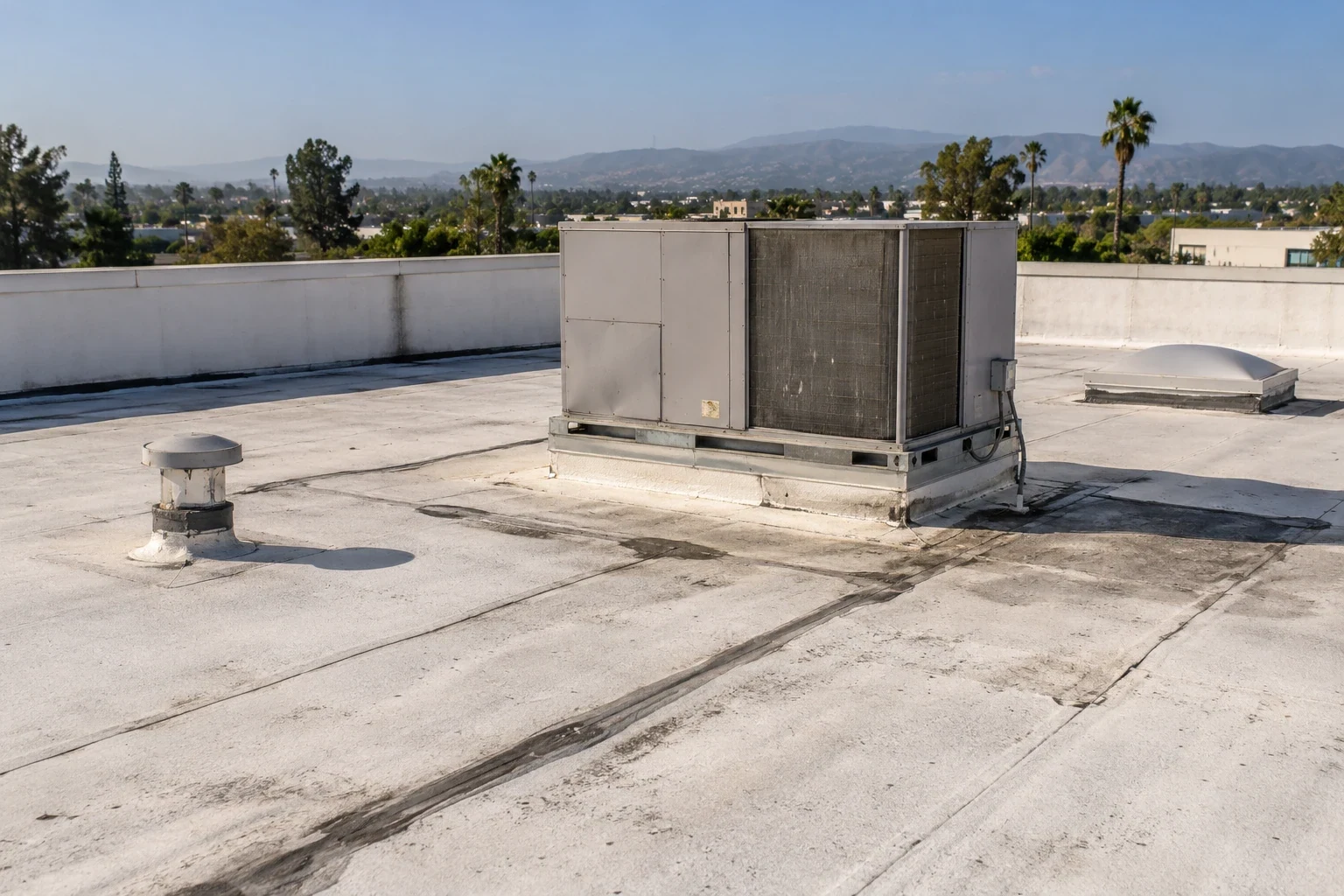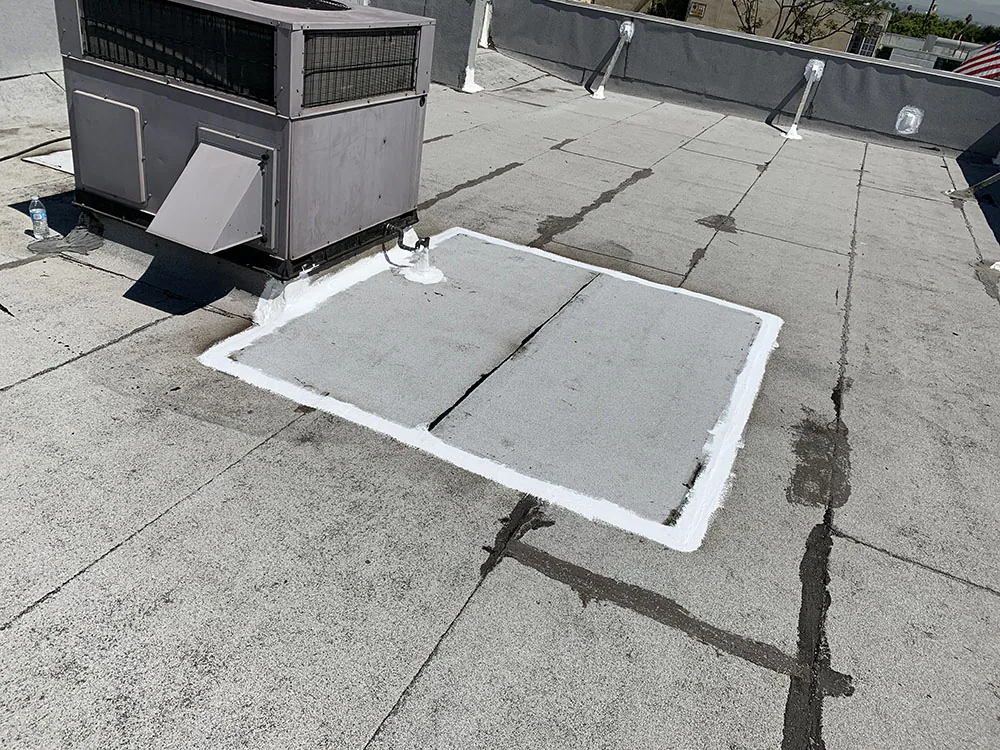

Coordinate commercial roof evaluation after fire exposure in Fullerton with structural, mechanical, safety, and membrane-system review.
Roof leak, storm damage or an inspection coming up?
After a fire, roof work begins only when the incident commander or property authority has released the area and the required safety professionals have assessed access. Heat, suppression water, smoke, debris, and fire-service operations may affect different roof zones in different ways. Do not assume an intact-looking membrane is unaffected or that every dark mark needs replacement. Record the release status, property contact, affected boundary, and documents available for review. A qualified roof inspection can describe visible conditions after entry is authorized; structural, electrical, environmental, and mechanical determinations belong to the appropriate professionals. January 1, 2026 marked the start of Fullerton's 2025 California building codes, subject to Chapter 14.03 local amendments. Before construction, agree with the authority on the inspections attached to the selected fire repair. A property-specific repair plan should state what was observed, what remains inaccessible, and who approves each next test.
What approvals should precede roof access after a fire?
Confirm the fire authority's release, owner authorization, site safety plan, and any restrictions for hot spots, unstable materials, contaminated water, or damaged equipment. The roofing supervisor should receive a defined perimeter, escort instructions, required protective equipment, and the contact empowered to stop the work. Do not enter a restricted area to retrieve roof records or photographs. Coordinate with the building engineer and fire restoration contractor so their testing or debris removal is not disrupted. If a roof area cannot be accessed, mark it as uninspected. A condition survey is useful only after approved access; the occupied-building sequencing plan can address work around areas returned to service.
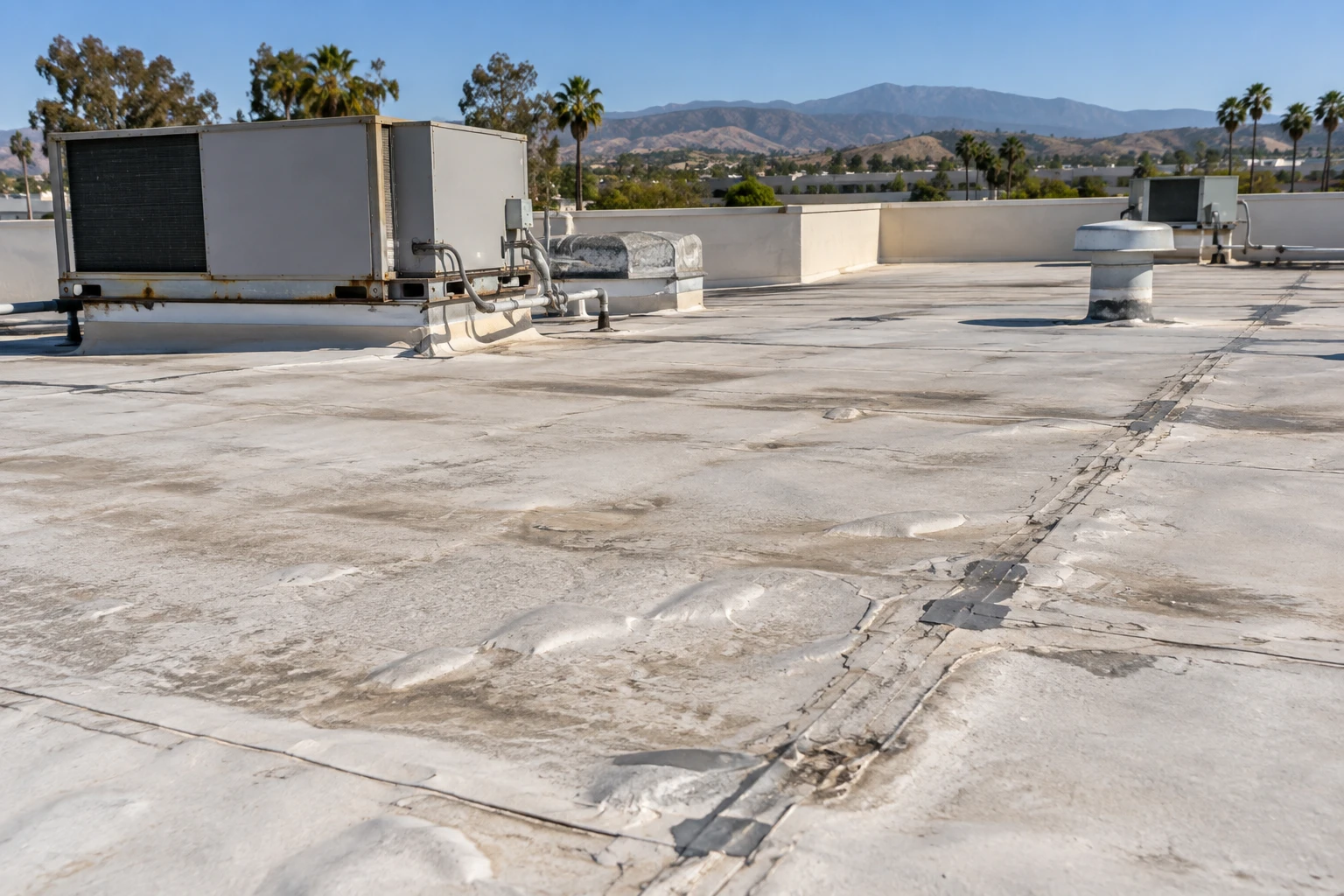
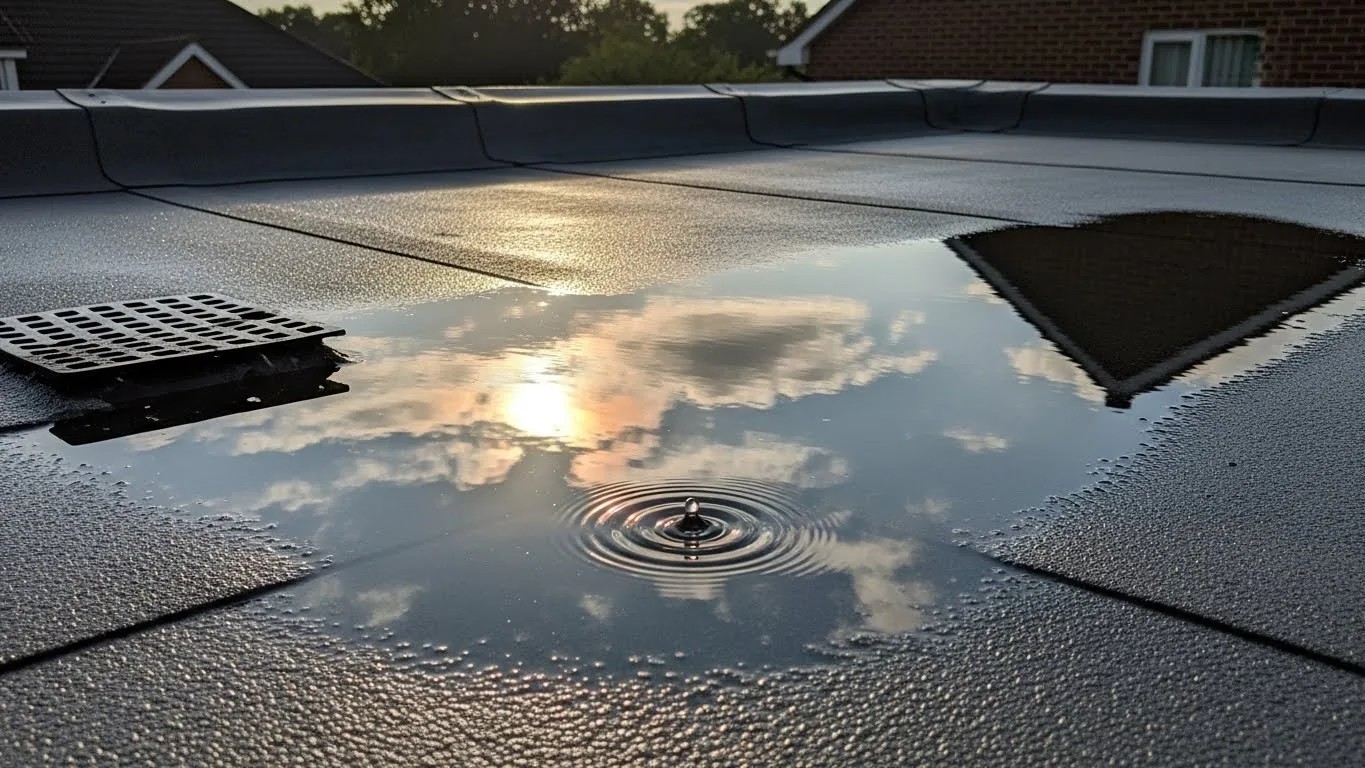
Which roof conditions can change after heat or suppression water?
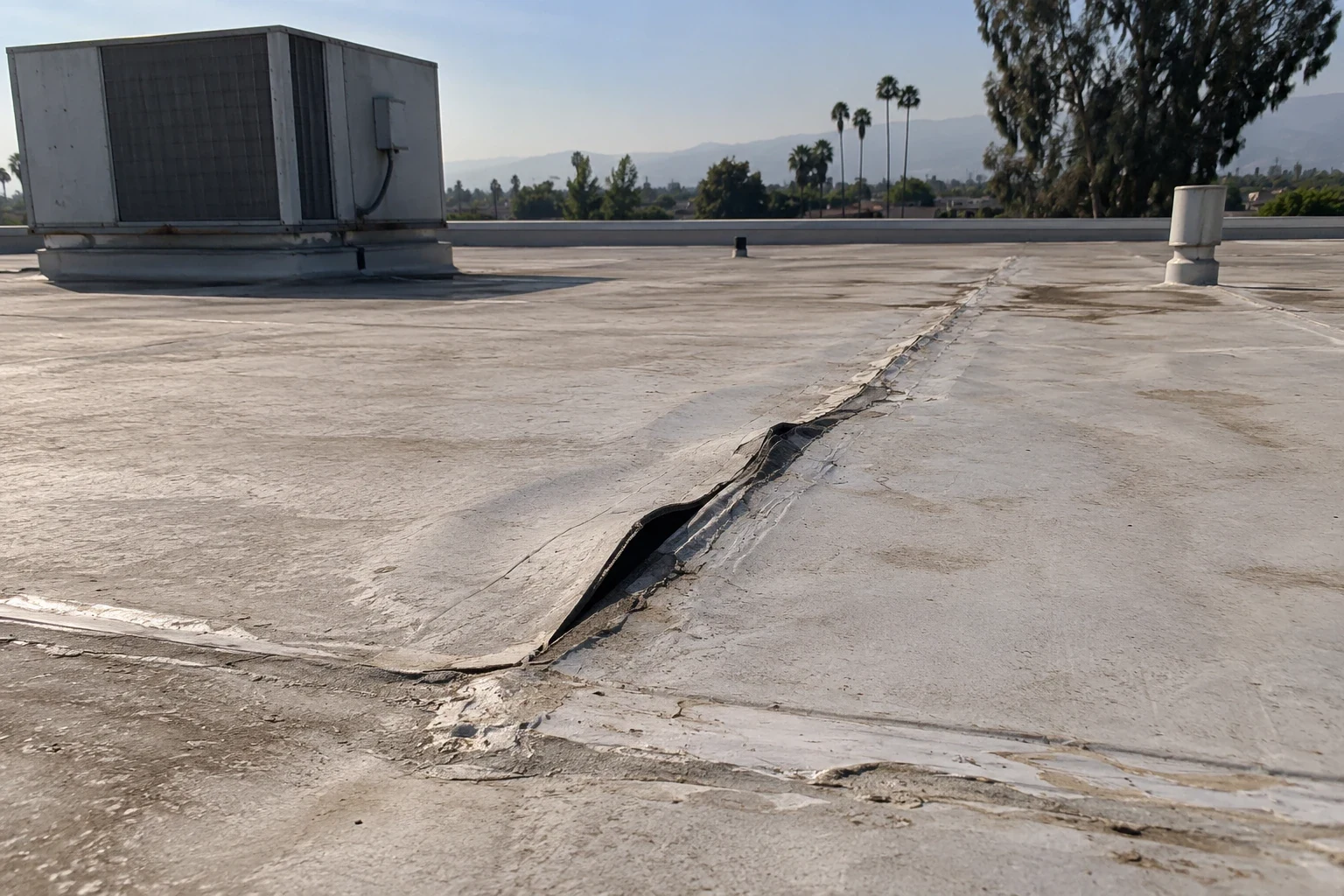
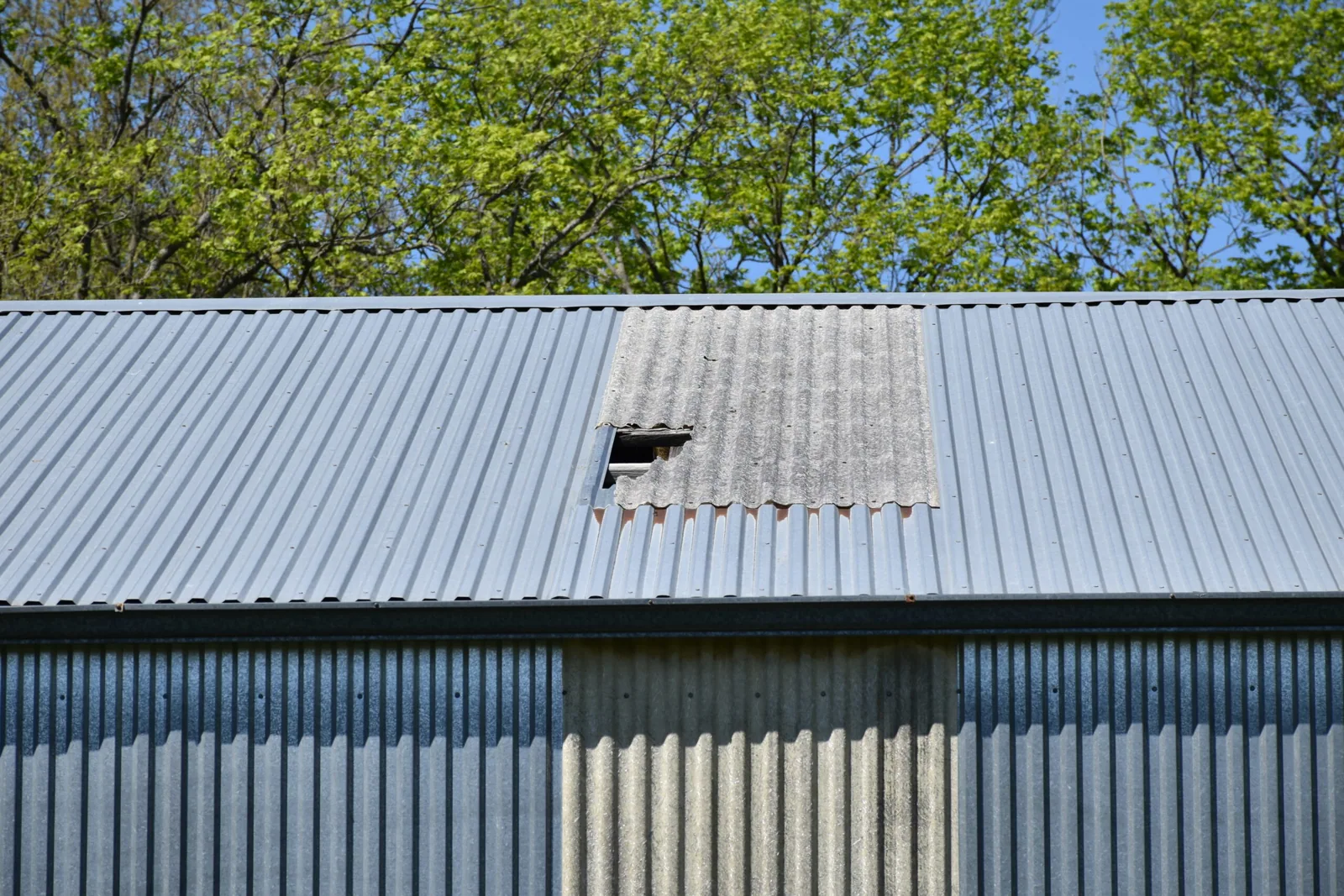
Inspect membrane shrinkage, blistering, exposed reinforcement, displaced edge metal, damaged insulation, deck deformation, curb movement, and debris impact where access allows. Suppression water can enter through openings or migrate to lower roof zones, so map observations and reported interior symptoms separately. Smoke staining alone does not identify a membrane failure. Mechanical units may have been shut down or exposed to water, and a qualified trade should document their status. Avoid disturbing residue that could require environmental handling. A puncture review addresses a discrete opening, while flashing assessment focuses on transitions that may have moved or opened.
When should engineering or environmental experts be involved?
Refer visible deck movement, altered framing, falling debris risk, or uncertain load capacity to a structural professional. Electrical systems, rooftop equipment, and controls should be cleared by their qualified trade. Smoke residue, fire-suppression chemicals, or unknown materials may require environmental evaluation before a roofer cleans or removes them. The roofing report should state the specific observation and the question requested from each specialist, without giving an opinion outside the roofer's scope. Keep reports linked to the same roof-zone plan so the project team can coordinate boundaries. After the authority releases the roof area, we define the affected work zone and confirm which permit inspections apply to the selected repair. The owner gets a written scope that separates roofing from structural, electrical, and environmental review.
How should temporary weather protection be planned?
After the area is released, the owner may authorize protection at openings that admit weather. The method should avoid covering evidence needed for investigation unless the team records it first. Show the temporary boundary, materials, attachment, date, inspection interval, and removal trigger. Confirm that temporary work does not obstruct drains, smoke-control equipment, or emergency access. The building contact should know which areas remain closed and who can approve a change. Emergency roofing response can document limited stabilization, but fire-related cleanup or system replacement may require other contractors. Keep the roof crew's work distinct from debris handling and mechanical restart.
How can the permanent repair scope be divided?
Separate roof removal, substrate repair, membrane replacement, metal work, insulation, equipment coordination, testing, and final weather closure into identifiable phases. State what observation justifies each phase and how concealed damage will be measured and authorized. If the fire affected multiple roof assemblies, map them individually instead of combining unlike systems under one replacement label. The bid should identify exclusions for structural, electrical, mechanical, and environmental remediation. A defined repair option and renewal alternative can be compared when the owner has adequate inspection evidence. Do not set a schedule until access release, permit path, material availability, and other trade dependencies are understood.
What documentation supports safe return to routine roof maintenance?
Keep the released boundary, specialist reports, roof assessment, photographs, material records, permit documents, and closeout approvals in one property file. Note zones that remain restricted and any interim protection that has not been removed. Assign a role and date for follow-up inspections, including drains and transitions affected by cleanup. The record should distinguish fire-related findings from older deficiencies where the evidence supports that distinction. A maintenance plan can restart only after the owner confirms access conditions. The Southeast Industrial Focus Area is a roughly 712-acre planning area. The Commonwealth Corridor plans for neighborhood-serving commercial uses in distinct nodes. At a fire loss, the authority's release and roof map set the work boundary. For a separate surface opening, see puncture repair and flashing review.
Before requesting a fixed-price roof scope, assemble the incident timeline, released areas, roof plans, prior condition records, and specialist findings that the owner can share. A bidder should identify assumptions about residue removal, roof access, structural condition, equipment shutdowns, and waste handling. If these items are unresolved, separate an assessment phase from construction pricing. Avoid combining roofing with environmental remediation or electrical restoration unless the responsible firms and scope boundaries are explicit. The proposal should state how concealed damage will be documented, who can authorize added work, and what temporary closure method applies while an approval is pending. This structure helps compare bids on the same basis and reduces the chance that a low initial number hides an unpriced safety or trade dependency.
After repairs, the owner should confirm that every phase has a closeout record and that no temporary boundary remains without a named reviewer. Obtain inspection signoffs required by the permit and retain any manufacturer documentation for the restored assembly. The facilities team can update the roof plan to show replaced areas, transitions, and any sections still awaiting evaluation. Reopen routine access only under the property authority's direction. A later maintenance inspection should revisit the repaired zones and adjacent drains, penetrations, and equipment curbs. Keep fire-related observations separate from unrelated pre-existing issues so capital planning remains traceable. If additional damage becomes visible, create a new record with date and location rather than editing the earlier report to imply it was known at the first visit.
Keep names and contact details for the property authority, fire representative, safety lead, and each trade coordinator with the schedule. At each phase boundary, record who released the roof area and who accepted the closeout. This short handoff prevents a later crew from assuming that an earlier inspection also cleared an unvisited section.
Document changes in access status with the date and authorizing role. If another specialist expands the restricted boundary, stop roof work in that zone and revise the phase map before mobilizing again.
Keep the roof crew inside the released work zone, and record any stop-work instruction before conditions change.
Commercial Roofing Questions
Can roofers inspect a building before fire-authority release?
No. Follow the incident authority and owner safety controls before entering any affected area.
Does smoke discoloration prove the roof membrane failed?
No. Document the appearance and request the appropriate specialist review where residue or heat effects are uncertain.
Who evaluates possible deck damage?
A qualified structural professional should address capacity or movement; the roofer can record visible conditions.
Can temporary roof protection start before all testing ends?
The owner and incident team decide. Record evidence first when possible and define the interim boundary and follow-up.
What should a repair bid separate?
Identify roofing, structural, mechanical, electrical, cleanup, testing, and concealed-condition responsibilities.