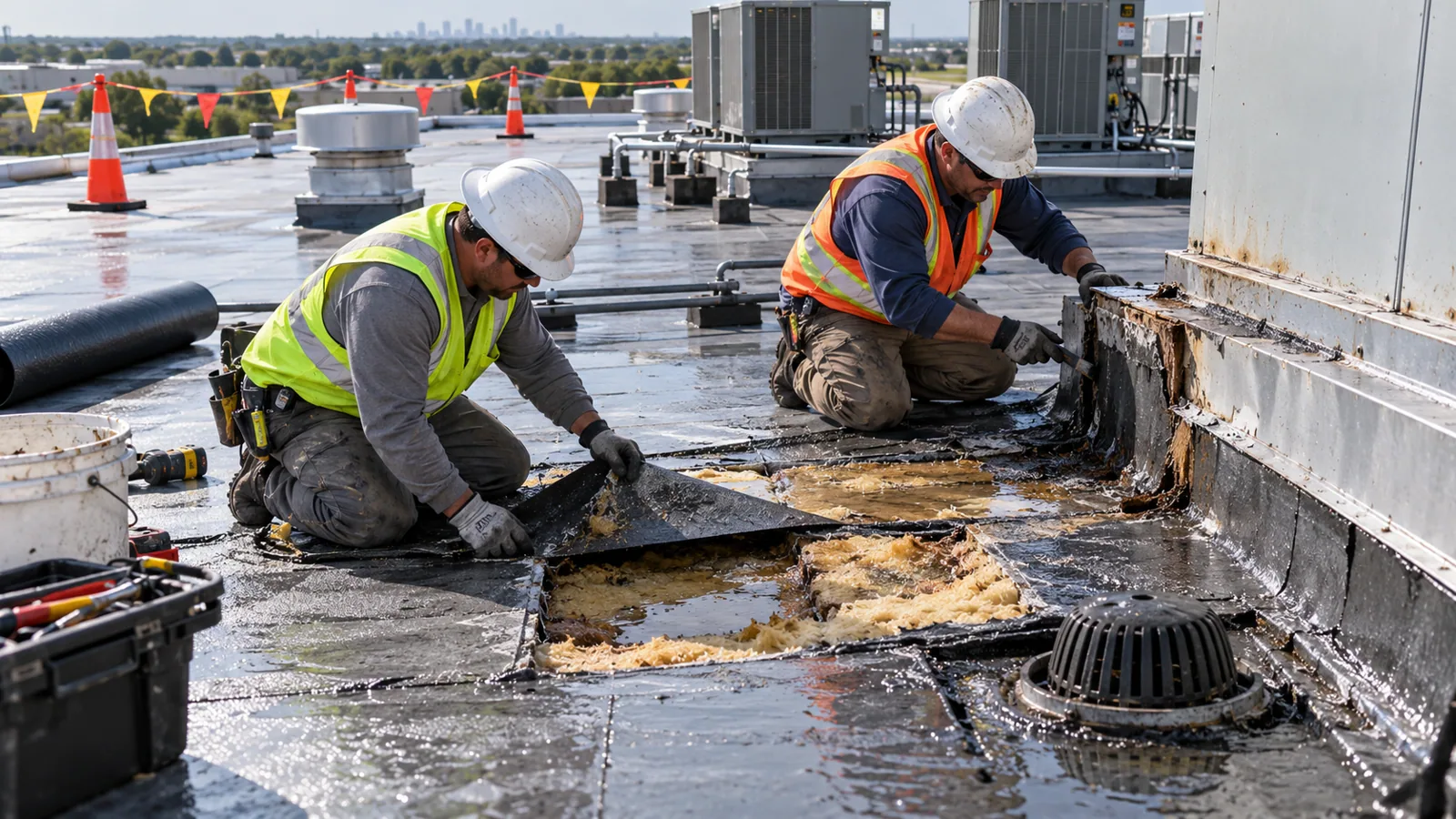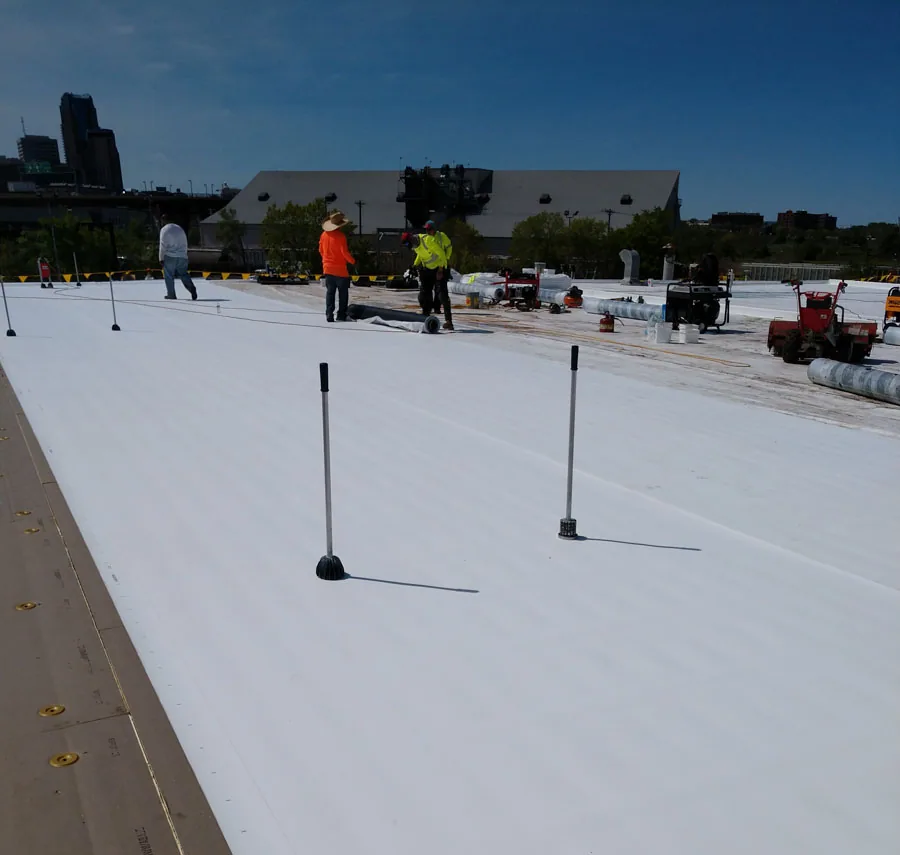

Locate and repair punctures in commercial roof membranes in Fullerton with compatible materials, defined limits, and documented closeout.
Roof leak, storm damage or an inspection coming up?
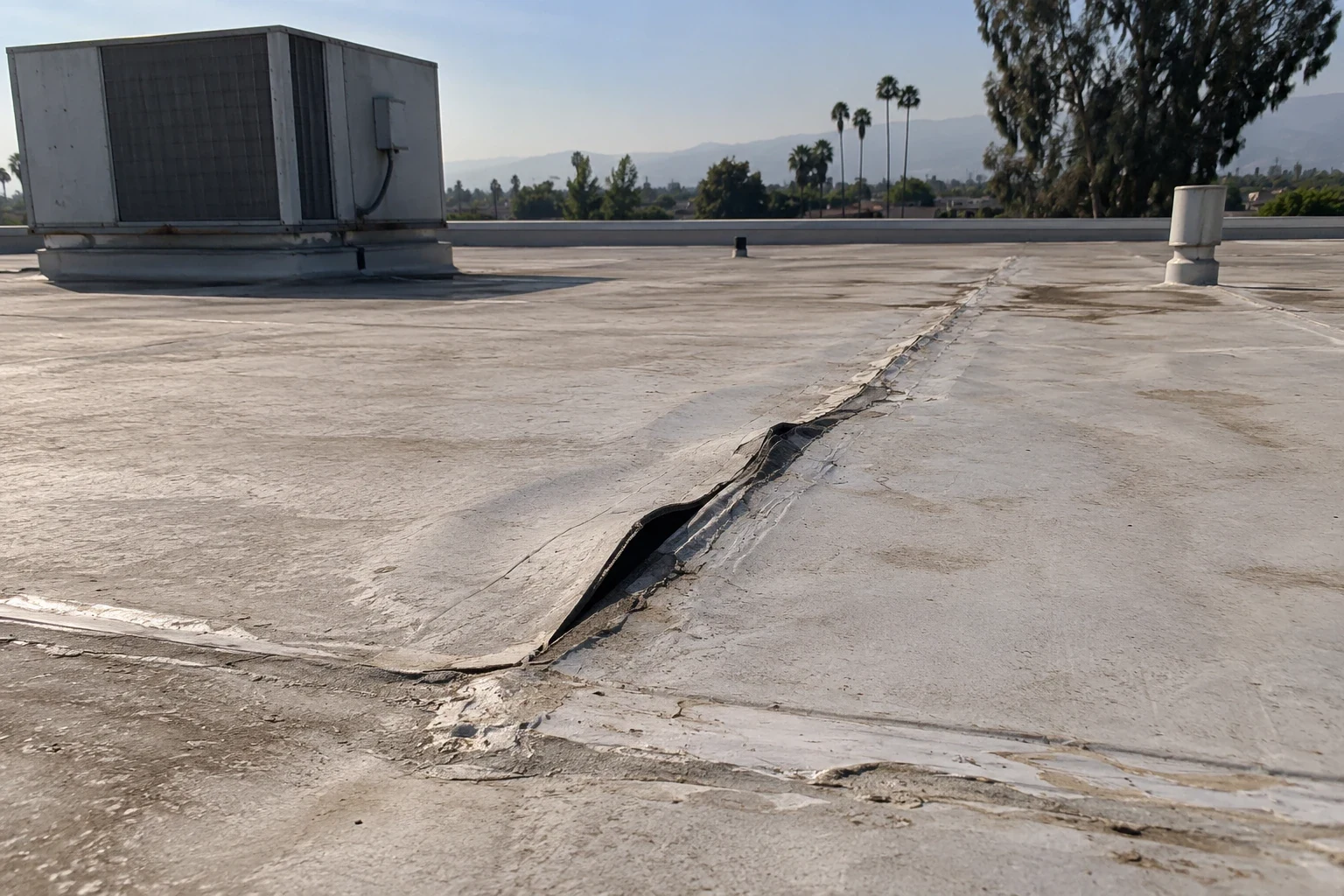
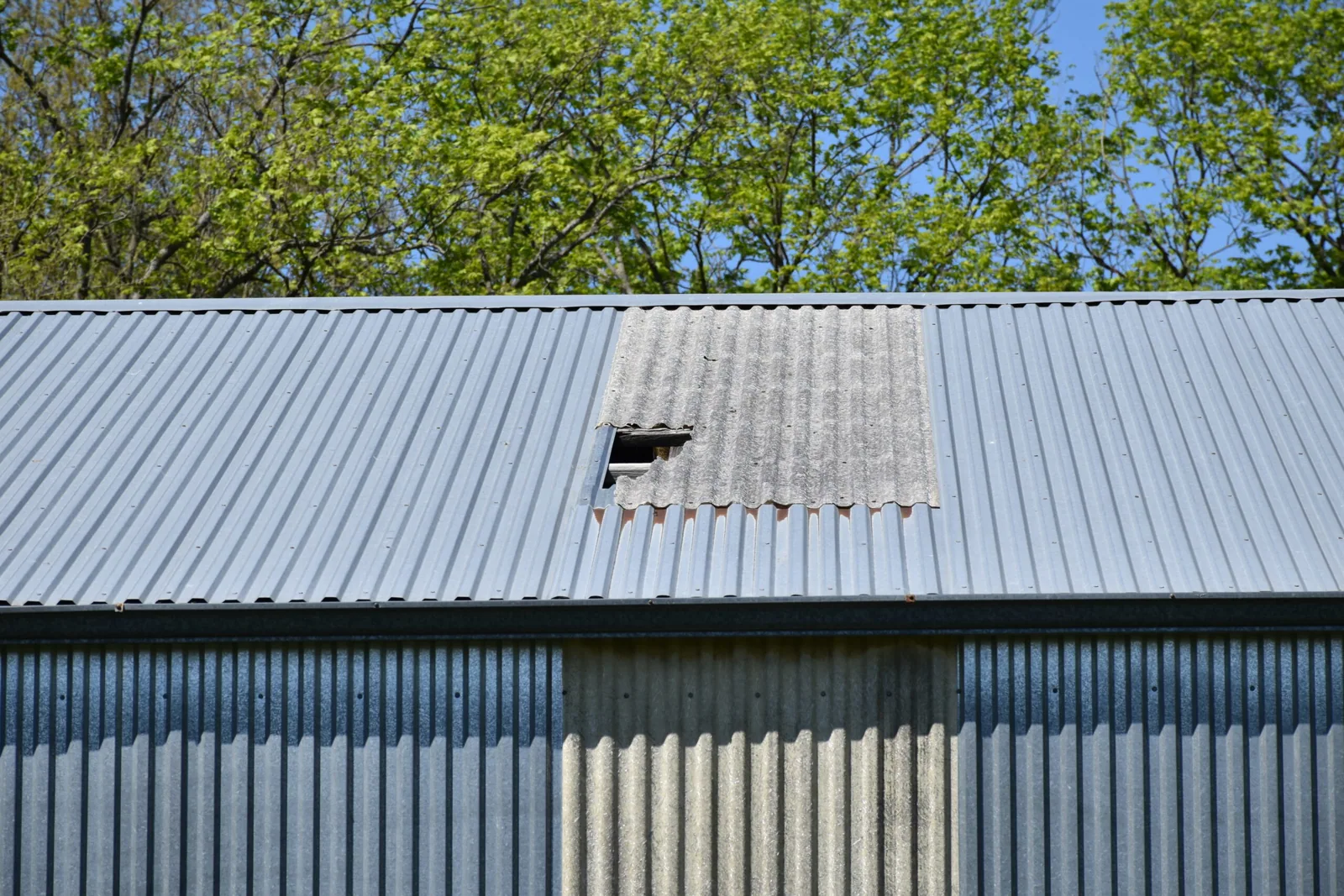
A puncture may come from dropped hardware, sharp debris, a displaced cart, or a footpath that lacks protection. The mark on the surface rarely tells the full story, so record its roof-plan location, approximate size, nearby seam or curb, and any interior report before disturbing the area. Confirm the membrane type through project records and field observations; a visually similar patch material may not be compatible. Keep access safe and avoid probing or cutting an assembly without owner authorization. The Southeast Industrial Focus Area and Orangethorpe Avenue corridor are Fullerton planning geographies, not evidence about the cause of damage at a specific property. A clear repair assessment distinguishes the visible opening, suspected moisture, and any test needed before a permanent patch is selected.
What information should be captured before a puncture is repaired?
Record when the opening was found, whether work or equipment movement preceded it, and the size and shape as seen from a safe position. Photograph the puncture with a scale and a wider image showing seams and roof features. Note whether the exposed layer is membrane, coating, cover board, or insulation, but do not lift it without approval. Mark the nearest drain, curb, or walkway so a later technician can return to the same spot. If water is entering, protect the interior through the owner's procedure and document the timing. A condition inspection can extend beyond the immediate opening; a leak investigation should separately trace the reported water path.
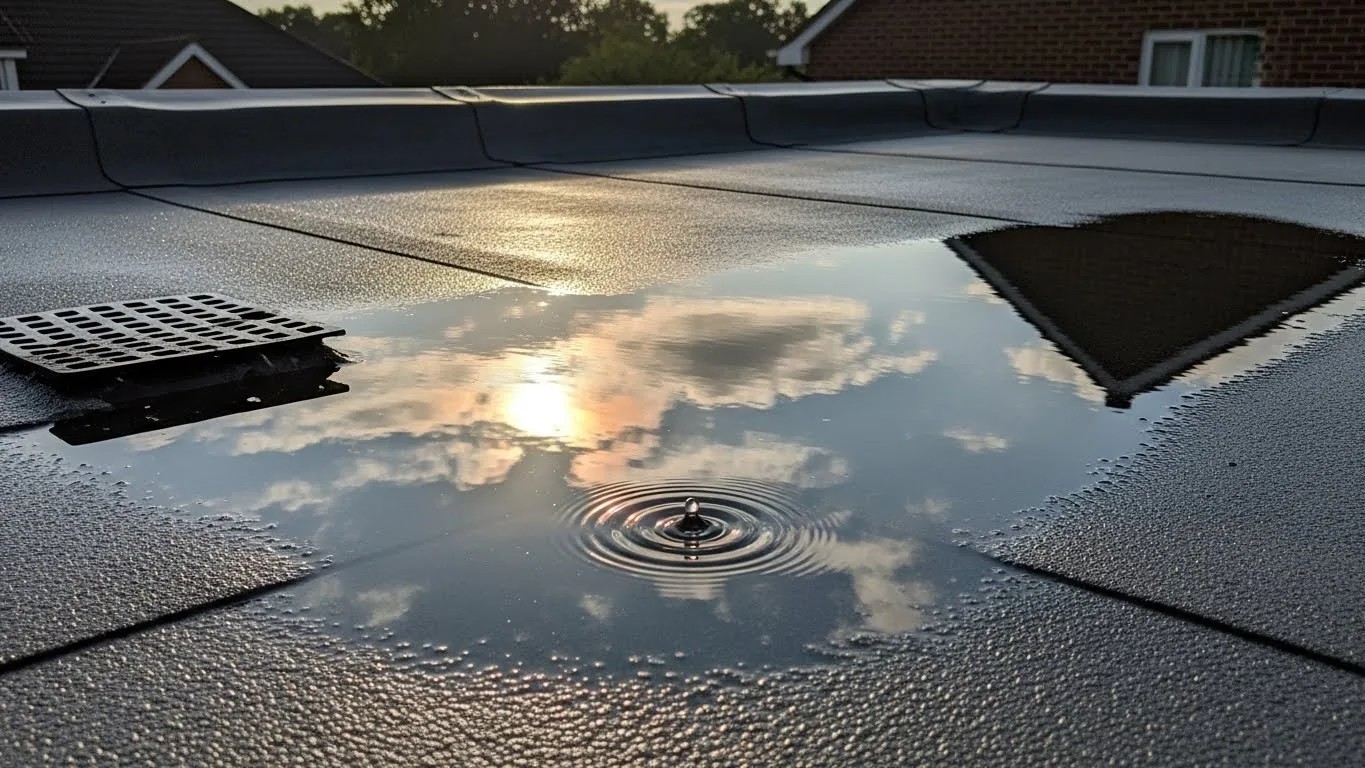
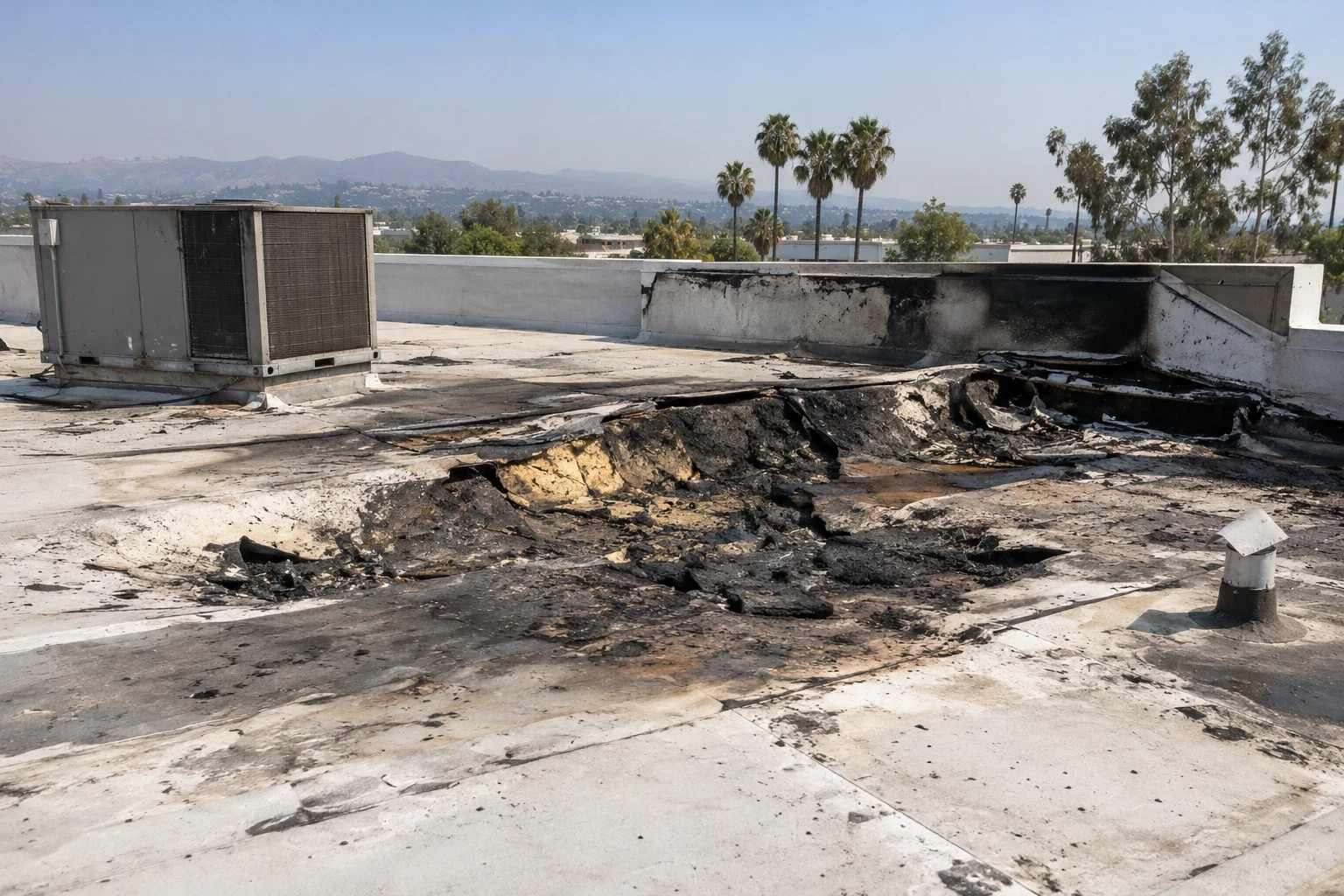
Why must the membrane assembly be identified first?
Different sheets and coatings require different preparation, adhesives, welds, tapes, and patch geometries. Review roof schedules, warranty records, prior invoices, and product labels before selecting the method. Field texture or color alone can be misleading, especially where repairs or overlays have changed the surface. If the assembly is uncertain, ask the owner or manufacturer for documentation and record the unresolved identification. A TPO membrane detail uses a different process from an EPDM repair; neither should be assumed from a generic black or white surface. Preserve any removed sample only when authorized and label its location.
How can a puncture inspection check for damage around the opening?
Look for cuts, crushed insulation, punctures under nearby walkway pads, displaced fasteners, and impact marks around the suspected source. Check the roof side and authorized interior location, while recognizing that water may travel laterally. If moisture mapping or a test opening is proposed, define the boundary and repair procedure before work begins. The inspector should mark areas that could not be reached and state what a visual check cannot establish. A thermal survey can help identify a pattern under suitable conditions, but infrared screening does not directly identify the puncture source. Tie any follow-up to a measured map rather than expanding the repair area without approval.
What makes a puncture patch compatible and durable?
The repair method should follow the membrane system's current technical instructions, including cleaning, drying, surface preparation, patch shape, seam overlap, pressure, and cure or weld checks. The patch should extend onto sound material with rounded corners where the system specifies them, not terminate at a wrinkle or contaminated edge. Confirm the substrate can support the method and that no hidden moisture will be sealed in. The owner should approve removal if the opening exposes cover board or insulation. The proposal can state the tested perimeter and photo record as acceptance evidence. A localized repair scope should identify material and limits; a broad coating layer is not a substitute for repairing a through-opening.
Can temporary protection be used before a permanent patch?
A temporary cover may reduce exposure while the assembly is identified or the owner arranges access, but it should be treated as a managed condition. Record its material, placement, attachment, date, inspection owner, and removal trigger. Avoid a loose sheet that can move in wind or block drainage. Keep the temporary measure visible on the plan so another crew does not cover or remove it unknowingly. If active rain or unsafe access changes the plan, notify the property contact and document the delay. For urgent conditions, emergency roof response can set interim controls; permanent work should still be detailed after substrate and system review.
What should the owner receive after the patch is complete?
Provide before-and-after photographs, the marked location, membrane identification, products used, preparation steps, installation conditions, and the check used to verify the edge. Note whether the repair was localized or accompanied by a broader moisture investigation. Include any area left open for follow-up and the next inspection date. A roof condition record can retain this evidence with earlier work orders. The same file can note a future maintenance visit to inspect adjacent walk paths and penetrations. The Orangethorpe Avenue corridor is broad city geography only; the actual scope remains tied to the authorized property and observed roof. Compare a localized opening with wind damage review and a nearby seam assessment.
Walk the surrounding area for a likely source without disturbing items that could be evidence. A dropped fastener, sharp corner of stored material, failed walkway pad, or animal activity may leave different marks, but the repair report should say only what was seen. Check whether service contractors recently crossed the zone and ask the property contact for work-order dates. If a puncture sits beside a curb, drain, or expansion joint, inspect the adjacent flashing before assigning all water entry to the opening. A damaged cover board can allow moisture to spread beyond the visible cut. Where the extent is uncertain, mark a limited test area and obtain authorization for any removal. The owner can then compare a small patch with broader work based on evidence rather than an assumed damage radius.
At closeout, return any displaced walkway protection to an approved position and show that the patch perimeter is bonded or welded according to the system method. Do not leave tools, fasteners, or scrap on the roof. The facilities contact should receive the map location and a plain description of what was replaced. If the repair sits in a traffic path, the maintenance team can add a check to its next roof visit. If another trade caused the opening, coordinate responsibility through the owner instead of assigning fault in a technical report. Note the date, site contact, and material lot when available. A recurrence should be inspected as a new condition, with comparison to the original photos and repair boundaries before any broader recommendation is made.
For a roof under warranty, the owner should check whether notification, approved materials, or a contractor inspection is required before patching. Keep the original condition and all steps taken afterward in one chronology, especially if temporary protection was installed before the permanent work. This lets a future reviewer tell which condition existed first and which work altered it. The report should avoid conclusions about responsibility unless the owner has asked for a separate documented investigation.
If the roof surface has multiple layers, note which layer received the patch and whether the repair reached the original membrane. A future reroof estimator can then account for the repair in its removal assumptions.
Commercial Roofing Questions
Can any roofing sealant close a membrane puncture?
No. Identify the assembly and follow its compatible repair method and preparation requirements.
Does a small surface cut prove insulation is wet?
No. Record visible evidence and use an approved diagnostic step if concealed moisture would change scope.
Should a patch cover nearby seams too?
Only if the inspection establishes a reason and the owner approves the added boundary.
Can a temporary cover remain indefinitely?
Treat it as interim protection with a named inspection owner and a defined permanent follow-up.
What helps verify a completed puncture repair?
Keep the location map, preparation photos, products used, installation notes, and edge-check results together.