
Coordinate Fullerton public-building roof work with facility operations, procurement records, access controls, public activity, and documented scope changes.
Roof leak, storm damage or an inspection coming up?
A public counter opening can restrict roof access before a crew reaches the building. We confirm the facilities contact, contracting authority, visitor routes, and work window before mapping the roof sections. A survey should map assemblies and reported conditions, then distinguish urgent repairs from planned capital work. The project team should state who can approve access, scope changes, shutdowns, and payment documentation. Procedures differ by public agency and contract, so a general page cannot promise a procurement outcome or permit schedule. Keep the review factual: what was observed, what remains unknown, and what decision the agency needs to make next.
Identify authority and procurement path
Confirm the legal owner and the department responsible for roof maintenance before preparing a work plan. Ask procurement staff to identify the solicitation, quote, contract, insurance, safety, and documentation requirements that apply. Public organizations may have approval thresholds, funding restrictions, bid forms, or board dates; the project team should verify each requirement with the agency rather than assume one citywide procedure. Maintain the issued scope, addenda, site questions, submitted pricing, and written responses in the contracting record. If a field condition changes quantities or methods, record the reason and obtain approval from the authorized representative before proceeding. A condition report can make the technical portion easier to compare without substituting for procurement review. North Industrial Focus Area and Southeast Industrial Focus Area as broad geographies, not as roof-condition findings.
Document access and occupied functions
List the public services operating in each affected area and the contact responsible for coordinating them. Libraries, offices, counters, meeting rooms, public-safety functions, and maintenance shops may each require different access or notification arrangements. Specify screening, keys, escorts, work-hour limits, loading locations, and the path used for materials. Identify public entrances and accessible routes that must remain clear. The agency should approve room closures or equipment interruptions through its own process. A commercial office building review may address occupants, but public counter hours and records access need property-specific controls. Send notices through the designated agency contact and document exceptions so field crews are not asked to interpret policy on site.\n\nPublic buildings may sit within different land-use contexts, but the project file should rely on the parcel and facility records relevant to the asset. North Industrial Focus Area and Southeast Industrial Focus Area are broad Fullerton planning geographies. Their boundaries do not establish a roof defect, permit requirement, or procurement rule for an individual public building. The agency should identify its own property number, department contact, and record system. That information allows inspectors to connect findings with prior capital work while keeping public pages free of security-sensitive roof access, equipment, or facility details. A companion topic is public school roof planning.
Build a defensible condition record
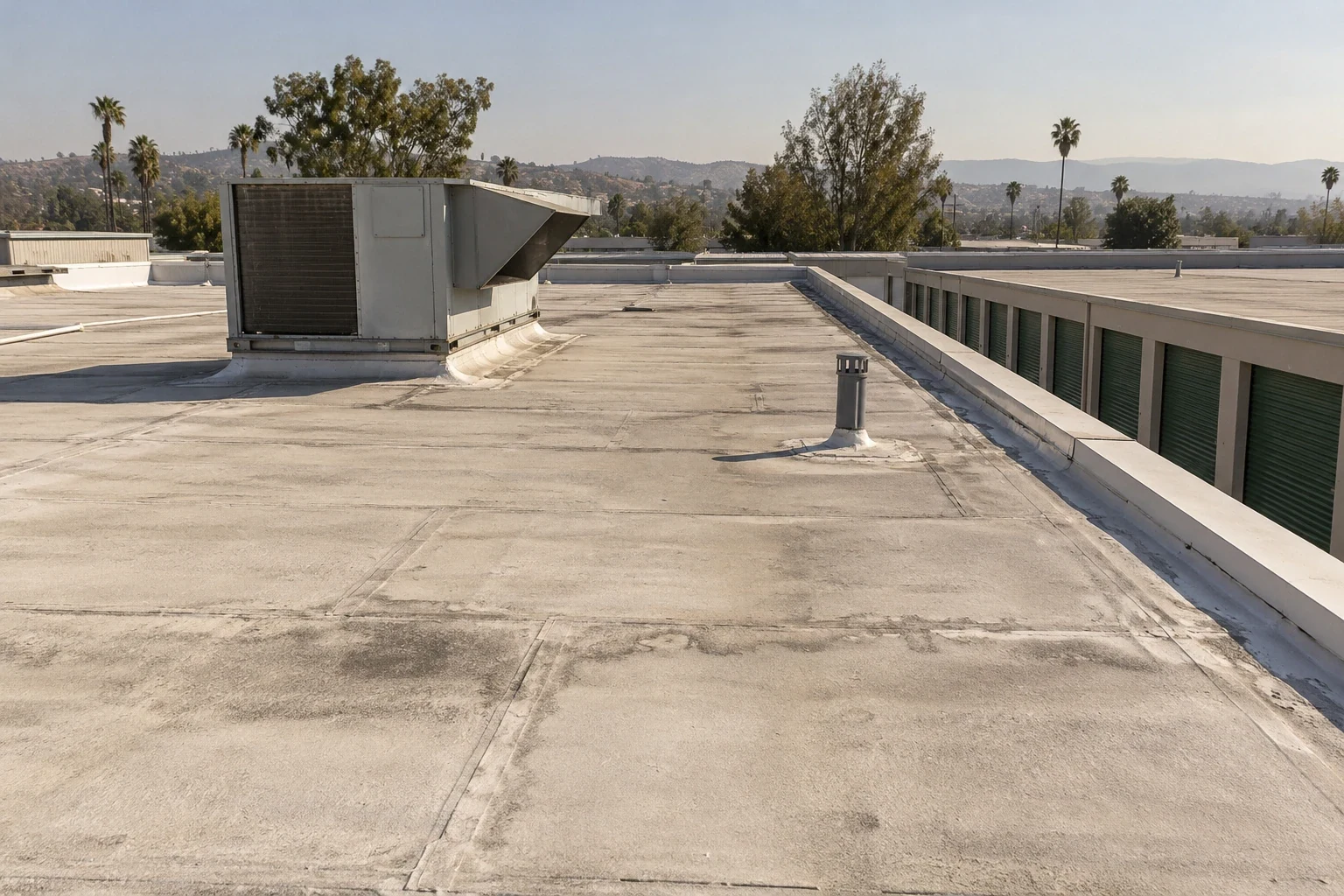
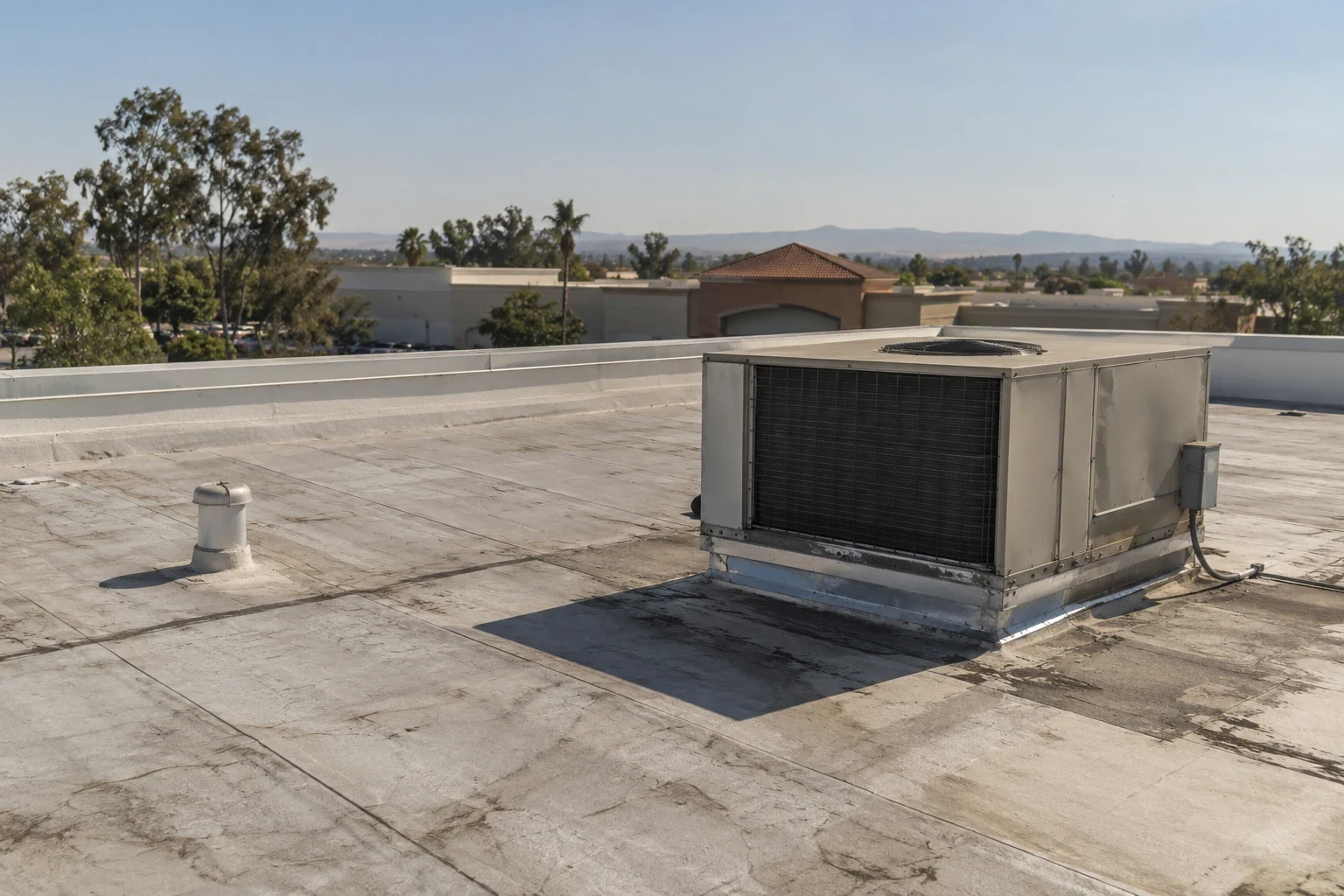
Map each roof section by assembly, approximate age if documented, prior repair, and visible condition. Link interior leak reports to locations but keep causal findings separate until confirmed. Note drainage paths, seams, penetrations, equipment curbs, edge conditions, and locations where safe access was unavailable. If moisture testing, cores, or destructive openings are proposed, identify the method, owner approval, restoration plan, and file retention requirements. Distinguish observations from recommendations, and identify assumptions about concealed layers. Fullerton has varied public and employment uses across its planning areas; that context helps explain different building functions but does not verify an individual public asset. A commercial roof inspection should therefore be specific to the actual facility.\n\nFor a defensible comparison, use consistent units, assumptions, and review criteria across proposals. Ask each bidder to show included repairs, temporary protection, preparation, exclusions, alternates, and owner responsibilities. If the agency supplies a bid form or schedule of values, map the technical work to those line items rather than creating a parallel scope that cannot be reconciled. Clarify who answers questions and how responses become part of the contract record. A facilities professional can explain technical observations, while procurement staff determine whether a clarification or addendum is required. The contractor should not assume authority to interpret agency policy.
Compare scope alternatives and funding stages
Present repair, recover, restoration, and replacement alternatives against the same condition map. Identify the defects each option addresses, remaining risk items, expected site access, owner tasks, and prerequisites. Separate base scope from alternates so an agency can review bid comparisons and funding timing clearly. Include temporary protection and weather contingency responsibilities without presenting a fixed schedule. A occupied-building reroofing plan can describe sequencing and communication, while a phased capital project may divide work by building or budget period. Note that engineering, code review, and public approvals depend on the jurisdiction and project. Keep quantity and pricing assumptions visible for the agency's procurement record.\n\nPublic buildings can have restricted rooms, public counter hours, records systems, and emergency functions that affect where workers stage and how they enter. Have the site lead identify permitted routes before mobilization and review whether deliveries overlap with public events or scheduled meetings. Protect signs, entrances, accessible paths, and public parking according to the owner's plan. If the work requires a temporary closure, the agency selects the notice channel and approval process. A contractor's daily report can record that the restriction was followed without including sensitive details that do not belong in the technical roof file.
Control changes, records, and inspections
Define how the contractor requests a change, who reviews cost and schedule effects, and what written approval is required before the work changes. Track submittals, product data, safety records, daily reports, photographs, inspection comments, and closeout documents in the format required by the contract. Record deficiencies with location, responsible party, correction, and acceptance evidence. If an owner or inspector directs a hold, clarify the next decision and protect any open roof area. A construction administration process can help organize review duties, but the agency remains responsible for its contracting authority. Keep one current log rather than relying on separate email threads held by individual staff members.\n\nAt handover, provide a searchable package that a new facility manager can use without relying on the original project team. Include the roof map, Diligence Notes, approved changes, product submissions, inspection comments, photographs, warranty documents, and an index of outstanding items. Identify the custodian and the agency repository where records belong. Future work should reference the same roof-section labels so a repair at a drain or transition can be compared with the initial condition. This continuity helps an owner plan capital work across different facilities without treating a single building observation as a portfolio-wide conclusion.
Plan long-term asset stewardship
Give the building owner a final roof plan, product records, warranty conditions, repair photographs, inspection notes, and maintenance tasks. Identify who owns the asset record after staff turnover and where new leak reports should be routed. A public portfolio with several facilities can use a common condition scale while preserving building-specific findings. Avoid averaging materially different roof systems into a single rating. Schedule follow-up based on actual system instructions, drainage conditions, and the owner's maintenance policy. Fullerton's Commonwealth Corridor and Southeast Industrial Focus Area are planning geographies, not substitutes for an agency asset inventory. The property team must identify each site, access rule, budget owner, and record-retention procedure. Clear documentation supports future capital planning while keeping technical judgment separate from procurement decisions. The owner may also review warranty record coordination.
Commercial Roofing Questions
Can a contractor choose the agency procurement method?
No. The agency identifies the applicable solicitation and contracting rules; the contractor should follow the issued documents and written directions.
What belongs in the bid record?
Retain the issued scope, addenda, questions, pricing, product data, approvals, change records, and required closeout materials.
Can work continue while a public building stays open?
Possibly, subject to site-specific occupancy, safety, access, and service-continuity controls approved by the owner.
Who approves a field change?
The authorized agency representative identified by the contract must provide the required approval before the scope changes.
Do planning maps describe roof condition?
No. Planning areas provide broad land-use context; each roof needs its own inspection and records review.