
Sequence National Guard armory roof inspections and repairs in Fullerton with approved access, drill schedules, secure staging, and clear close-in records.
Roof leak, storm damage or an inspection coming up?
A drill calendar or restricted entry window can move an armory roof visit before a crew reaches the gate. In Fullerton, CA, we start with the authorized facility contact, building designation, access route, approved arrival time, and any event that limits movement. The California Military Department describes Joint Forces Training Base Los Alamitos as a California Guard site that also supports other Defense Department entities. Its Directorate of Public Works also provides engineering and plans services, which makes current drawings and the proper approval path useful at the start. A separate installation such as Naval Weapons Station Seal Beach has its own command and operating rules. We keep each roof scope tied to the facility that authorizes it. The inspection then records accessible membrane, metal, drainage, and flashing conditions before repair limits or work windows are proposed.
Which schedule controls an armory roof visit?
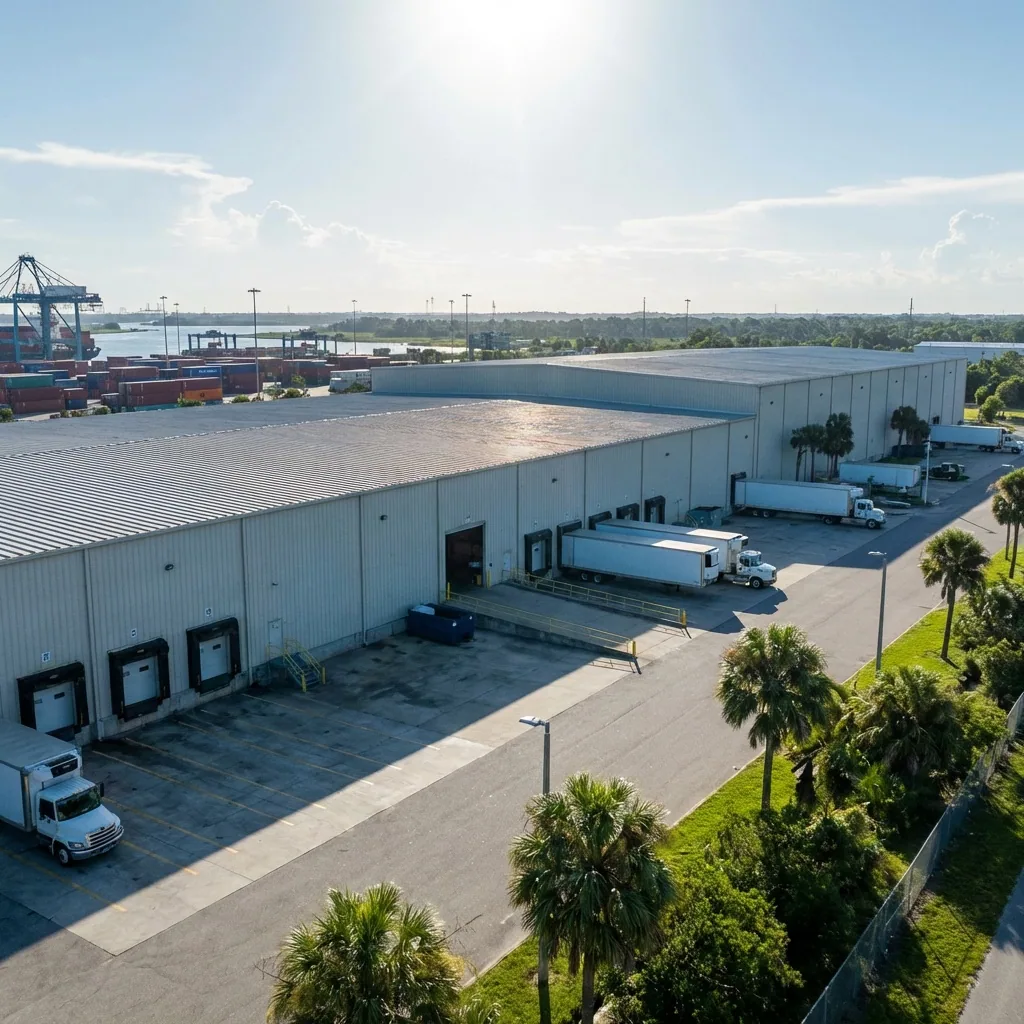
The facility representative identifies drill periods, public events, vehicle restrictions, security checks, and times when a roof area must remain clear. We map those conditions against the roof plan and the route from the designated arrival point to the work section. The work sequence may need an escort, a separate material delivery window, or a pause while building activities change. We record those steps so a crew does not treat one day's permission as standing approval. If an armory includes offices, assembly rooms, storage, or maintenance areas, each building receives its own access instructions. When a separate structure houses living quarters, the barracks roof sequence adds room-protection and resident-access details to that building's work window. A naval facility roof plan can involve similar gate coordination, although its command, mission, and approvals remain separate. The owner-question at kickoff is who can authorize entry and who receives the close-in note at the end of the window.
What should be recorded by building?
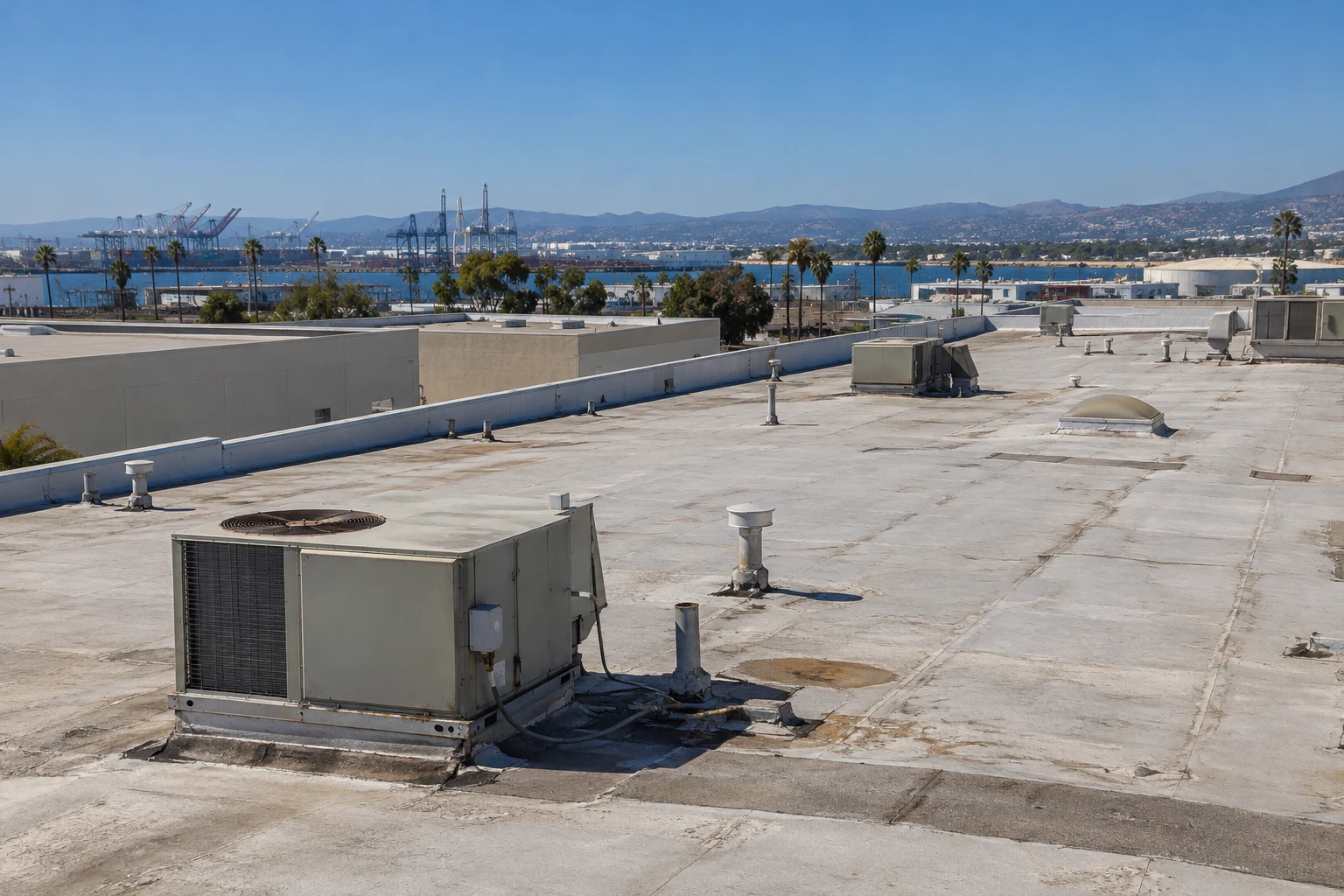
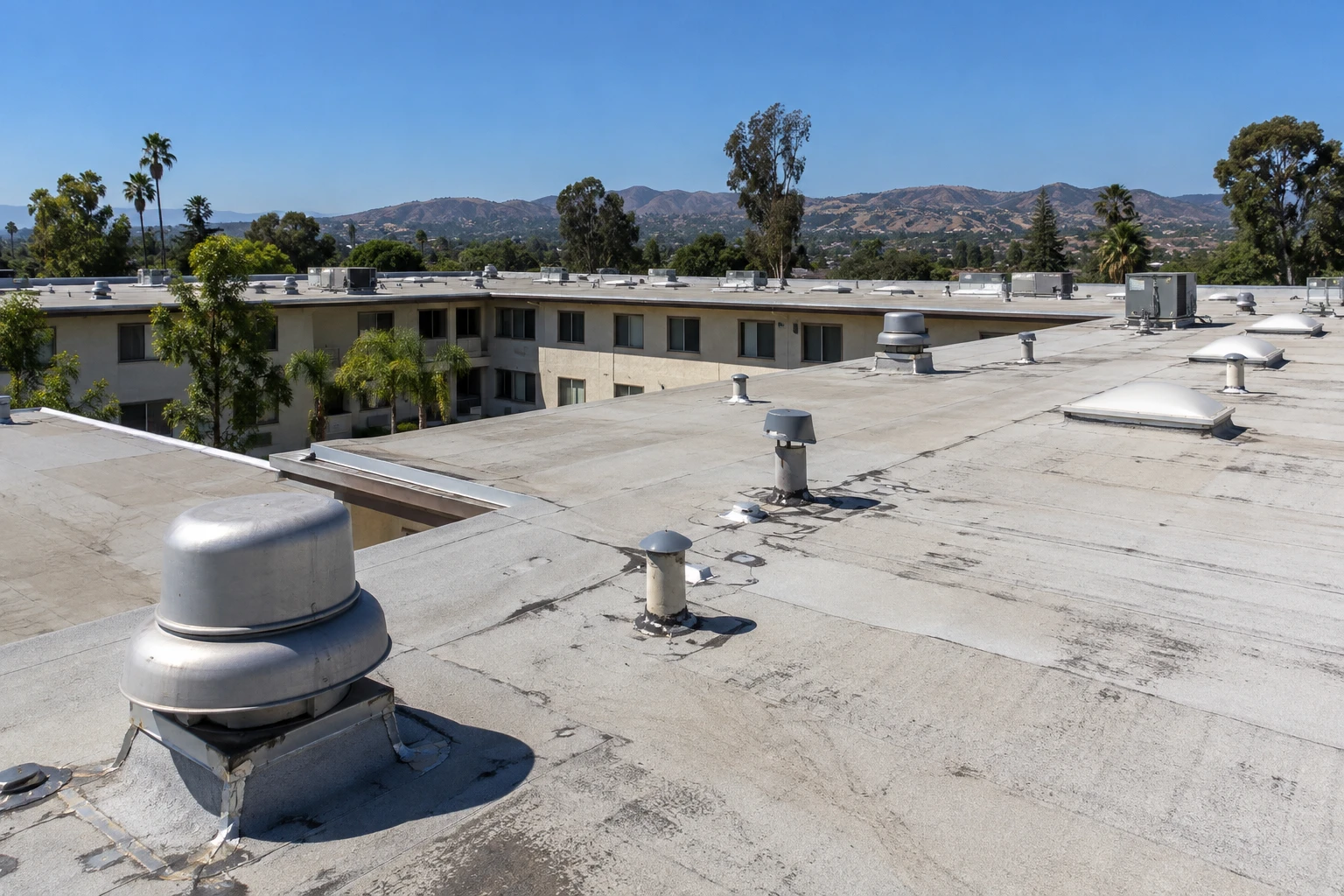
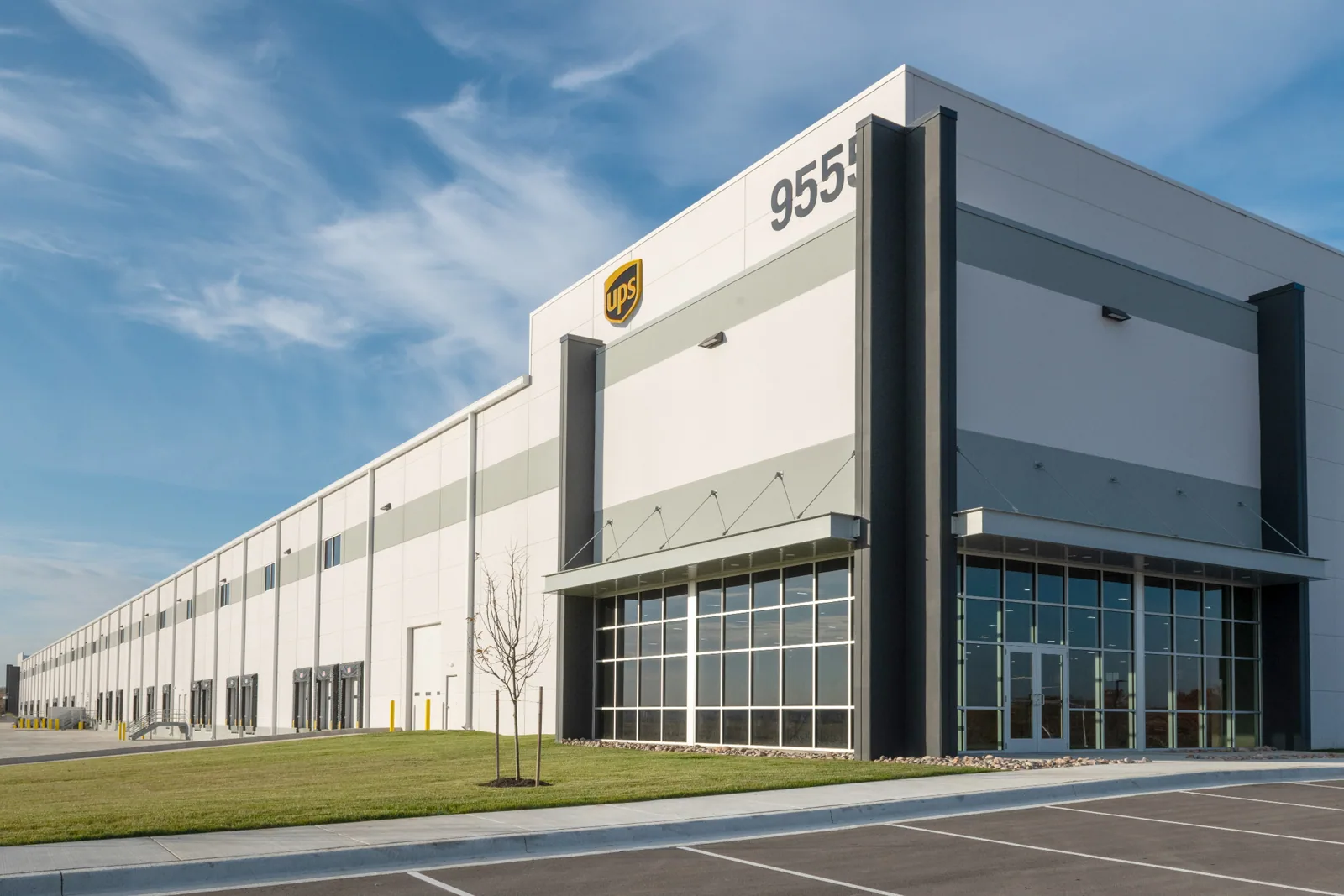
We label each roof section and match photographs to the building below instead of treating an entire readiness site as one assembly. The walk checks seams, penetrations, edge metal, drains, curbs, prior patches, and visible movement around rooftop equipment. If a drawing identifies a roof type or repair, we compare it with the field condition and note differences for the facility contact. A hands-on roof inspection can be supplemented with drone observations when site rules allow flight and a clear answer is possible from above. Infrared scanning may help locate moisture under suitable conditions, but it does not determine concealed construction by itself. The report separates confirmed damage, maintenance items, and areas requiring access or testing. That distinction gives the building manager a useful repair quantity and a next step rather than a broad recommendation for every structure.
How do assembly details affect repair planning?
A membrane seam, metal panel lap, coping edge, or equipment curb needs a repair compatible with its existing assembly. We identify the substrate and transition before selecting a patch or replacement detail. For low-slope roofs, a modified bitumen assembly calls for different preparation and tie-ins than a single-ply membrane. If an armory scope follows federal construction documents, we review the applicable contract requirements, including Unified Facilities Criteria where specified, and coordinate the product submittal and inspection points that the project requires. That review does not replace the installation's approval process. Joint Forces Training Base Los Alamitos provides engineering and plans services through its public-works directorate, while the Navy's Seal Beach station serves an ordnance mission. Those distinct functions reinforce why the roof plan, building use, and contracting authority must be identified before a detail is priced.
Can repairs fit between scheduled activities?
A small repair may fit one authorized window; a roof with wet insulation, several failed details, or limited access may need multiple visits. We identify a boundary that can be opened and closed safely, set the staging point, and name the contact who can approve a change if conditions differ from the report. Equipment, alarms, and communications lines remain protected under the facility's instructions. A localized repair is appropriate when the observed damage and adjacent assembly support it. Broader deterioration can justify evaluating a replacement plan or recover option. Each alternative should identify access needs, weather exposure, material handling, and the sections that remain in service. The daily close-in entry notes the work completed, any temporary protection, and whether the next crew visit depends on another approval.
What belongs in the armory roof handoff?
The facility should receive dated photographs, roof-section labels, access limitations, repairs completed, and conditions that still need attention. We can prepare a written condition report that keeps observations distinct from recommendations and records who received each update. If a future project includes several buildings, separate records help the manager compare sequence and condition without assuming that one roof represents the others. The report can also note weather holds, a restricted route, or a test that could not occur during the approved window. For areas where a nearby community or operating base affects delivery access, the actual arrival route and authorization remain on the job plan. A Los Alamitos service-area assessment can be scheduled after the property contact confirms access and the work window. The next decision is then tied to the visible roof record, not a general condition label.

Commercial Roofing Questions
Can armory roof work be scheduled around drills?
The facility contact supplies the drill calendar, restricted periods, and the approval process for contractor access. We use those dates to plan inspection, deliveries, and any work that must be open on the roof. The weather hold and close-in time are listed separately so an approved building window does not leave the assembly exposed. If the schedule changes, the designated contact confirms a new route and time before the crew returns.
What if the armory has more than one building?
We label each structure and record its roof condition, access route, and operating restriction separately. An office roof and a storage building may have different systems or work windows, even when they share a site entrance. The report links photographs and repair recommendations to that specific building. If the facility wants a multi-building program, we can organize the records by priority and approved phase without combining unlike conditions.
How do you handle an escorted roof inspection?
Before arrival, the site contact confirms the escort, permitted tools, camera rules, and route. We bring only the equipment the authorized scope allows and stop at any boundary the escort or representative sets. If a roof area cannot be reached during that window, the report names the location and the access needed for follow-up. We do not substitute an overhead image or a nearby roof for an inaccessible section.
Can a roof be repaired without interrupting facility use?
The repair boundary, equipment paths, noise, odor, and work hours determine whether the activity can continue below. We coordinate those details with the facility contact and identify any room, parking area, or entrance that needs temporary protection. Some work can be phased, while a shutdown or restricted zone may be required for a specific task. The scope states the limitation and the decision owner before the work window begins.
What documentation helps with a future replacement?
Keep the roof plan, inspection photographs, repair history, warranty records, and prior project approvals with the condition report. We note which assembly was observed, where repairs were made, and where access or testing was limited. Those details can help a future project team compare repair, recover, and replacement options and identify submittal or access requirements early. They do not replace the installation's current procurement or design review.