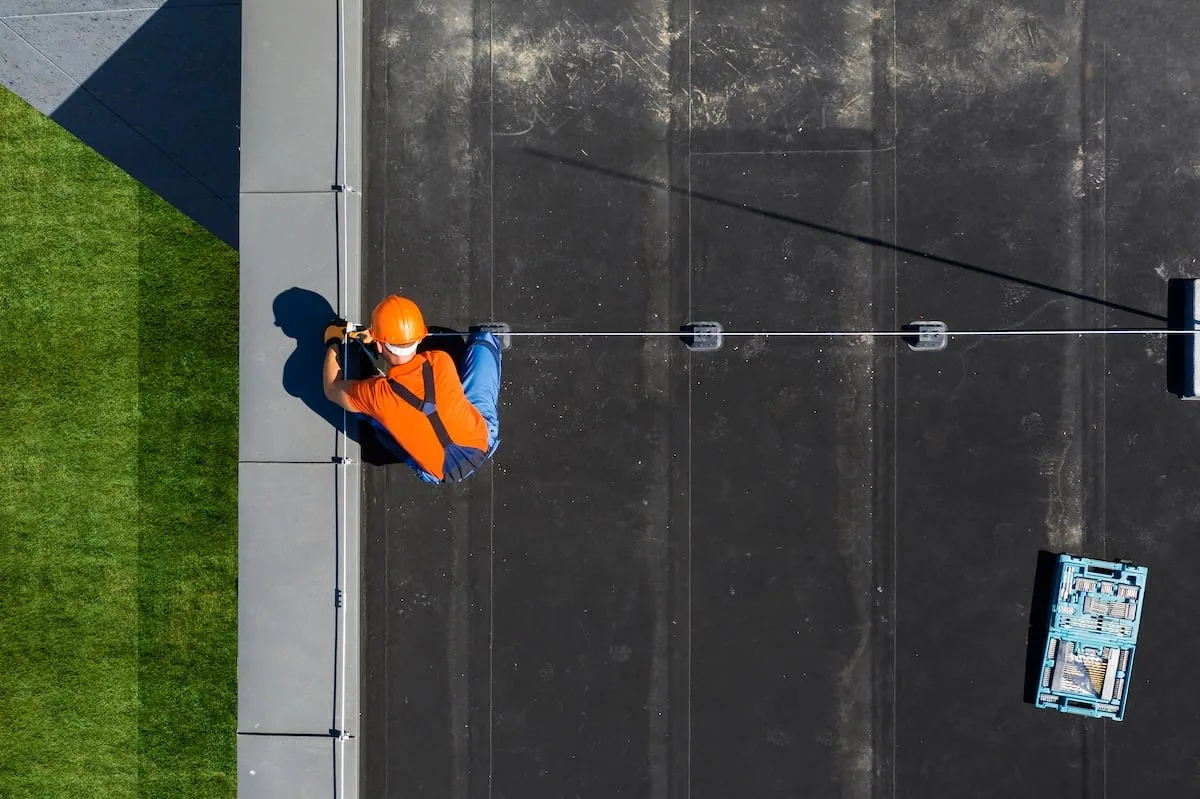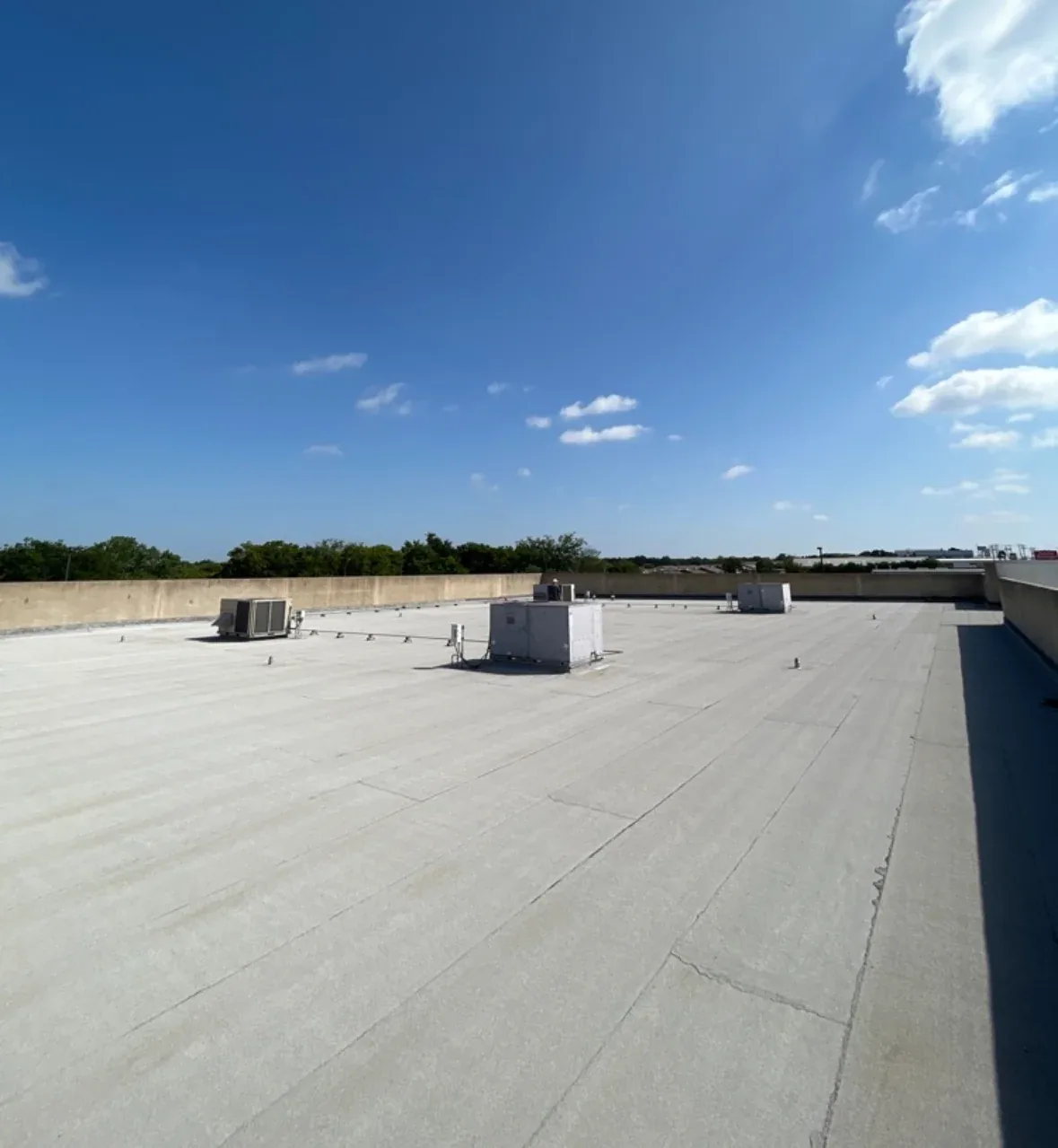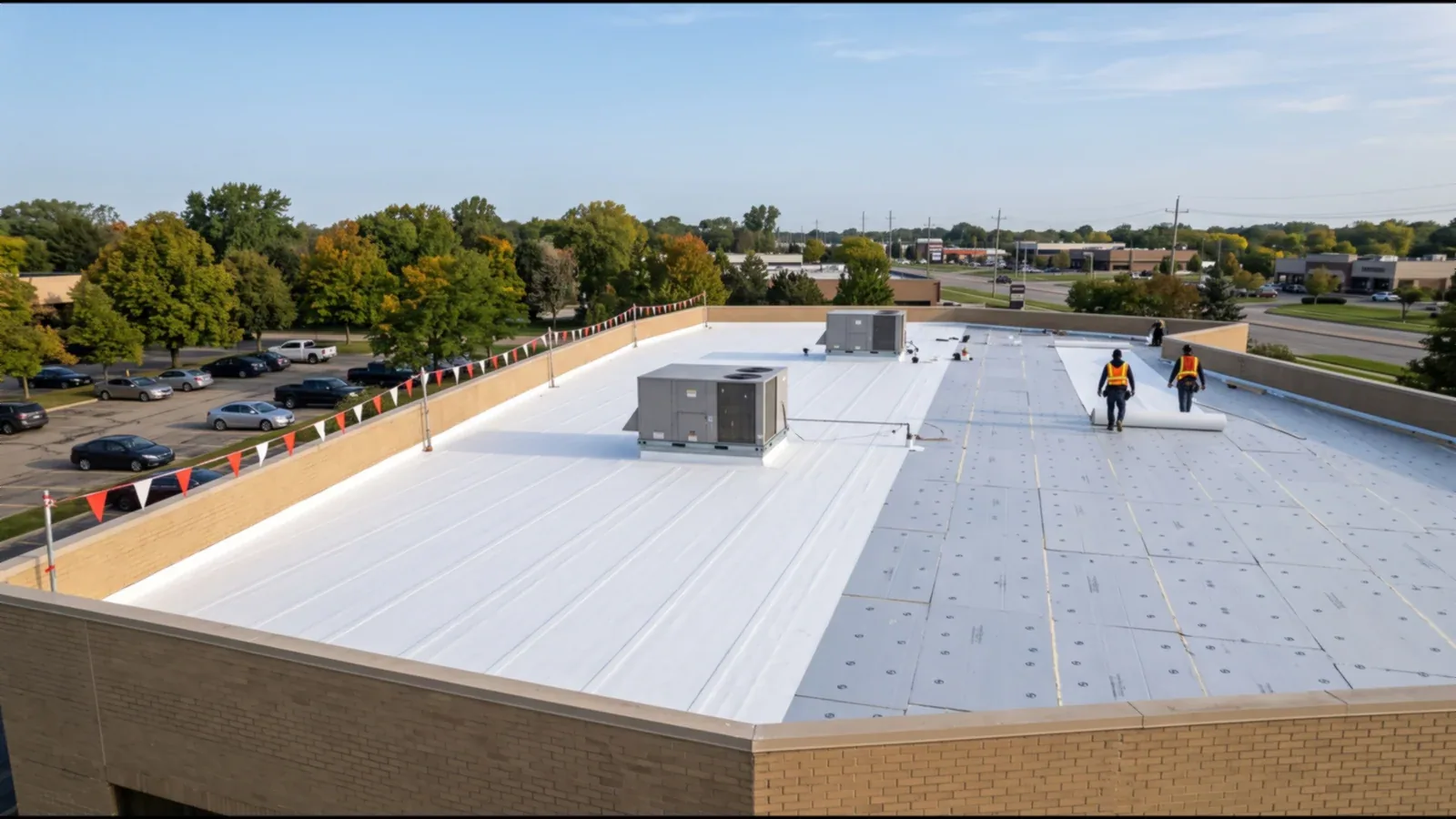

Compare SOPREMA roof systems in Fullerton, CA, with membrane type, substrate, moisture, and occupied-building sequencing documented for the property.
Roof leak, storm damage or an inspection coming up?
A low-slope roof in Downtown Fullerton may have several layers of past repairs beneath a surface that still looks serviceable from the access hatch. SOPREMA offers commercial materials that include SBS-modified bitumen, PVC single-ply, and PMMA or PMA liquid-applied products. The right direction depends on what the inspection exposes, not on the family name alone. We map each roof section, check moisture and attachment, and record transitions where the assembly meets a wall, curb, or drain. Downtown Fullerton is a Central Business District with adopted design guidelines; coordinate any applicable exterior review before changing visible edge metal or coping. When a proposed edge change affects a visible feature, schedule that review while we verify the deck and existing roof layers. We compare the roof record with field conditions before outlining a condition inspection or restoration path for the building.
Which SOPREMA family fits the roof condition
SOPREMA publishes systems spanning multi-ply SBS assemblies, synthetic PVC membranes, and liquid-applied PMMA or PMA products. Those materials answer different detailing and assembly needs. A multi-ply roof may use layers of base and cap sheet with specified reinforcement and application methods. For a Soprema PVC assembly, seam methods and flashing components need to match the selected system. A liquid-applied system depends on substrate preparation, reinforcement at changes in plane, and controlled coverage under product instructions. We identify the current roof, intended use, deck and insulation condition, and the work area the property can release. Then we compare a modified-bitumen assembly with a PVC system or a coating scope. Product data and the project specification govern compatibility; the label alone does not establish a fit. For the owner, the useful comparison records what preparation is needed, which layers remain, where the new material ties in, and how the crew protects the building during each shift. If the available drawings do not resolve a substrate or edge question, we identify the condition and request direction before pricing it as included work. That keeps the bid from treating an unknown deck or concealed transition as a confirmed quantity. The maintenance plan should also say what to inspect at seams, drain bowls, and exposed terminations after work is complete.
What must be known before a recover
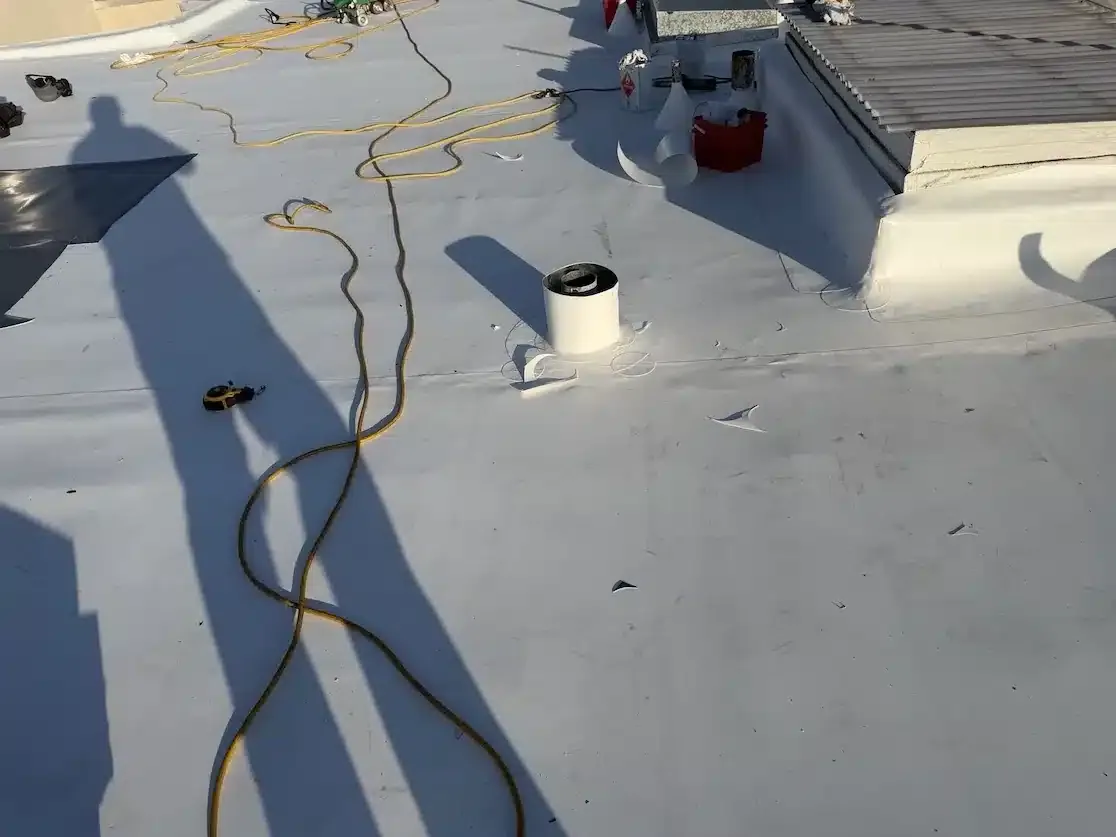
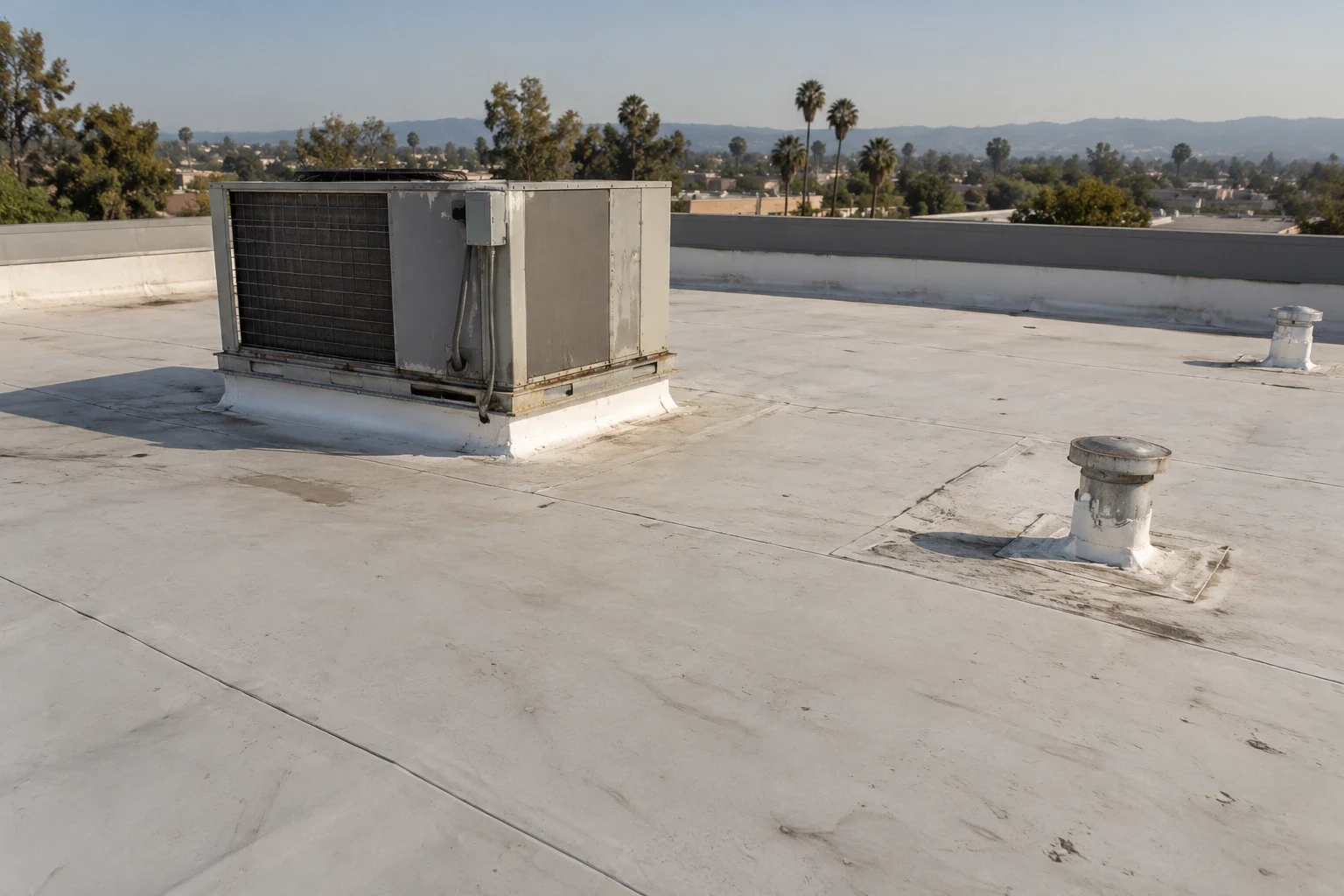
Before retaining existing layers, we check whether the roof is dry enough for the proposed assembly, whether the deck is sound, and whether fasteners or adhesive can secure the added system. We look at blistering, open laps, trapped moisture, soft insulation, curb height, and drain depth. Added thickness at an edge can reduce the height available for flashing or conceal a termination that needs repair. If an exploratory opening finds wet material, we define the removal boundary and document its transition to dry layers. A recover should state what stays, what comes out, and which concealed conditions could change the scope. That keeps a recover comparison tied to the actual substrate rather than a general product description. We can also note where an existing built-up roof needs a different repair sequence before a new sheet is considered.
Planning around Fullerton's dry summer pattern
NOAA normals for Fullerton Municipal Airport report 11.86 inches of annual precipitation. June, July, and August monthly normals are 0.08, 0.02, and 0.02 inches, respectively. For an exposed application, confirm the current forecast and product limits, then set a daily close-in point for each roof section. On an SBS project, temperature and application method affect material handling and the order in which layers are placed. For a liquid-applied detail, substrate and surrounding conditions must be checked against product instructions before coating starts. Downtown loading, tenant hours, and roof access can restrict the available window even in dry weather. In the Southeast Industrial Focus Area, truck and lift movement may control the schedule. The superintendent receives a section-by-section plan with staging, open work, temporary protection, and the person who can authorize restart after a weather hold.
Flashing is where the system earns continuity
At parapets, drains, equipment curbs, expansion joints, and wall transitions, the field material meets a change in shape or movement. SOPREMA product lines include accessories and flashing materials, but each detail must match the approved system and roof geometry. We photograph the existing termination, identify metal that must be removed or reset, and mark the substrate needing preparation. A liquid flashing detail requires prepared surfaces and the specified reinforcement; a sheet membrane requires seams, corners, and terminations that can be inspected. On a multi-ply roof, the number and orientation of layers at a drain or edge follow the plan. We record installed details before cover or counterflashing hides them. At an occupied property, the crew also marks the temporary boundary so tenants and mechanical trades stay clear of fresh work.
Keep the bid tied to a defined assembly
A useful proposal distinguishes localized repair, recover, and tear-off replacement. It names the membrane or ply system, insulation and cover board, attachment or application method, edge metal, drains, flashing, and protection for equipment and occupied areas. If the project uses liquid-applied restoration, the scope should identify preparation, reinforcement at details, and how the work area is checked before application. If it uses SBS or PVC, the plan should state tie-in points and which existing layers remain. We list access assumptions, delivery windows, disposal limits, and test openings separately from confirmed quantities. Near the Chapman Corridor, tenant scheduling may differ from an industrial property near the Southeast Industrial Focus Area. Location changes staging; the roof record determines the work. A replacement scope should also spell out temporary protection at each day's stopping point.
Closeout documents for later roof decisions
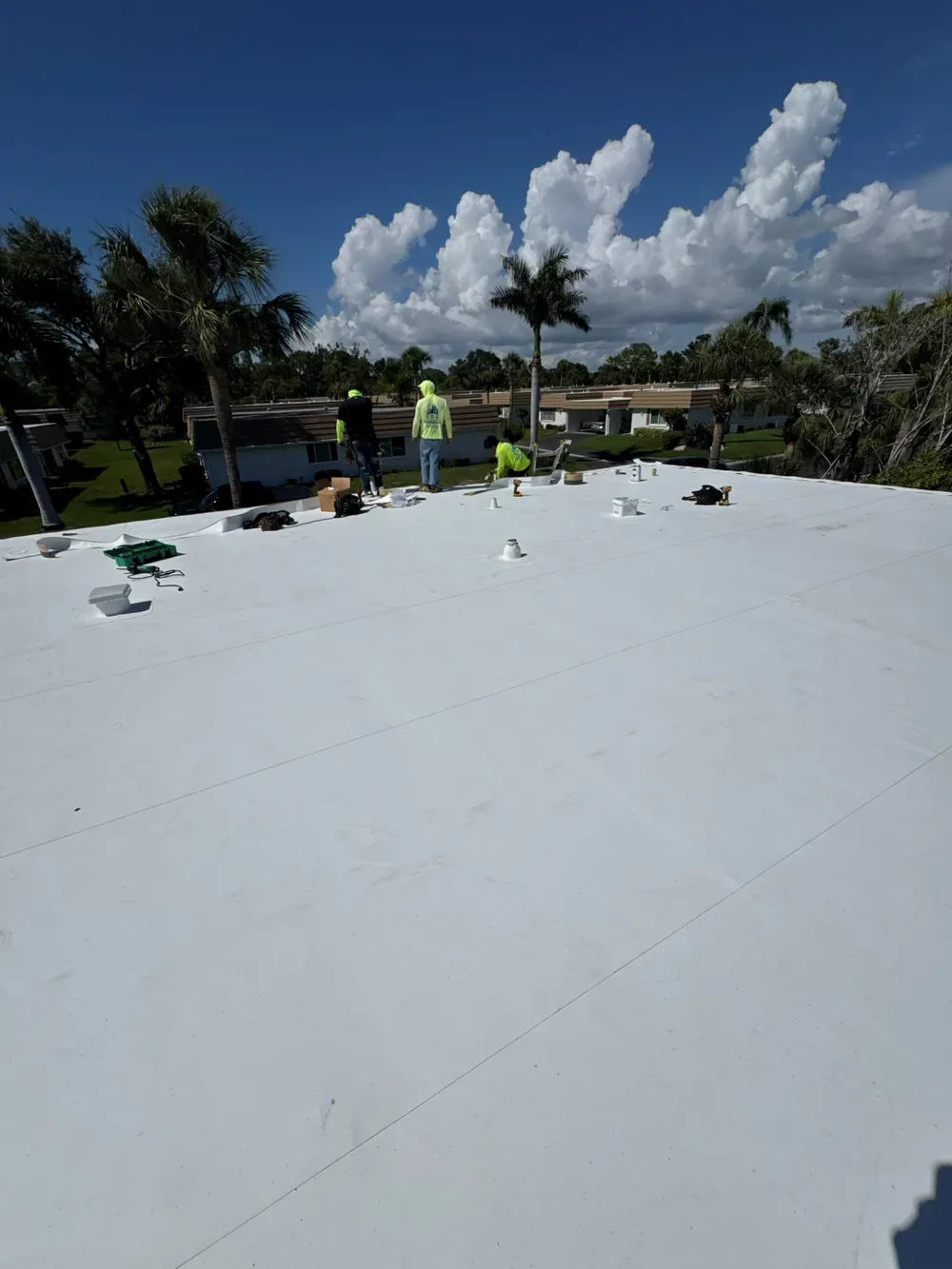
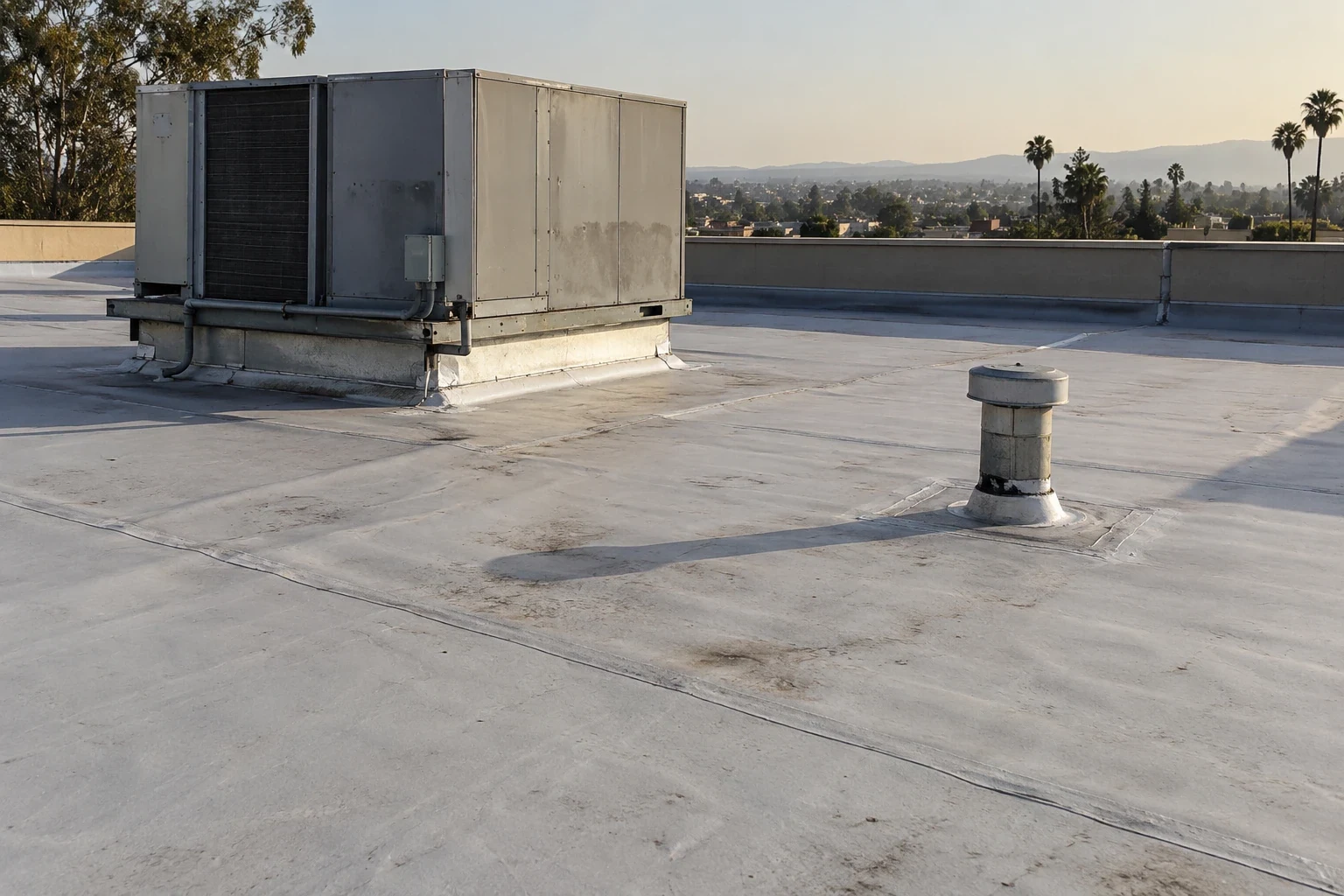
Keep the approved product data, specification, roof plan, detail drawings, substrate notes, photos, and field changes with the final work record. Note where the crew found wet insulation or a weak deck, how the boundary was marked, and what material was installed at each repair or tie-in. A later property manager should trace a leak report to a roof zone rather than guess which system covers the building. If an owner compares a multi-ply option with custom-fabricated PVC or reinforced TPO, records should separate observed condition from proposed scope. A photo-based roof report gives the asset file a dated baseline. We retain the installation boundary, open items, and maintenance recommendation so future work starts with the same facts. Identify each roof by building and zone if one property has several structures.
Commercial Roofing Questions
How do Soprema membrane options differ across low-slope roof systems?
Yes. Its commercial portfolio includes SBS-modified bitumen, PVC single-ply, and PMMA or PMA liquid-applied products. We compare roof condition and the specified assembly before identifying which family to price.
Can liquid-applied flashing cover an existing roof detail?
Surface condition, compatibility, preparation, reinforcement, and product instructions control that decision. We inspect the transition and define the prepared area rather than assume a coating will bridge an unknown substrate.
When is an SBS scope worth comparing with PVC?
The existing roof, deck, drainage, tie-ins, and project requirements shape the comparison. We identify layers and work boundaries, then document the installation method and detail changes that differ between the assemblies.
What does Fullerton's summer rainfall pattern mean for scheduling?
The airport normals show very low June through August precipitation averages, but they do not replace the job-day forecast. We protect open sections and set a close-in point for every shift, regardless of the seasonal average.
What belongs in the SOPREMA closeout file?
Keep the approved product and assembly documents, roof-zone photographs, field changes, test openings, and installed flashing details together. That gives a later facilities review a traceable record of what was repaired or replaced.